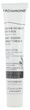
Laboratoire Novomedis Fadiamone Anti-Ageing Night Cream

Laboratoire Novomedis Fadiamone Anti-Ageing Night Cream

Efficacy75/100IrritancyMedium
Edit

Works for

2 of 2 advertised claims delivered

Anti-aging
2 ingredients credited for this claim
Moderate support
What the product description says
“Fadiamone Anti-Ageing Night Cream”
From product name

This product contains asiaticoside. This ingredient might be able to help reduce and prevent fine lines and wrinkles, improve skin elasticity and firmness, but there is not enough evidence that it actually works.

AsiaticosideKey activeEffect: MediumAn active compound of Centella Asiatica plant extract. In combination with other active compounds of Centella Asiatica extract (madecasosside, asiatic acid and madecassic acid), asiaticoside has been shown to be helpful in wound-healing, restoring skin barrier function and supporting collagen production in skin. It can, however, itself be irritating~0.4–0.9%
Ascorbyl glucosideUnder-dosedEffect: MediumA vitamin C derivative that is more stable but less potent than pure form of vitamin C. Has a potential to boost collagen production, nutralise free radicals and reduce hyperpigmentation, but the required concentration is likely to be much higher than for the pure form of vitamin C, limiting the ingredient's effectiveness in products~0.9–1.4%
Moisturizing
13 ingredients credited for this claim
Good support
What the product description says
“Fadiamone Anti-Ageing Night Cream”
From product name

This product can help soften the skin and reduce its moisture loss with emollients and occlusives: cera alba, squalane.

Keep in mind that this product does not contain effective ingredients to attract water to the upper layer of the skin. This is why an additional product with humectants like glycerin or hyaluronic acid can be helpful (apply it before this product for the best results).

Cera albaKey active· Emollient, OcclusiveEffect: HighForms a protective barrier that holds water and keeps dry skin hydrated. Keeps an emulsion from separating into its oil and liquid components, and increases the thickness of a product. Can be an allergen~0.15–0.7%
Helianthus annuus seed waxKey active· EmollientEffect: HighHelps soften the upper layer of the skin and support skin's barrier function while creating a thicker product consistency~4.6–6.9%
Madecassic acidKey activeEffect: HighAn active compound of Centella Asiatica plant extract. In combination with other active compounds of Centella Asiatica extract (asiaticoside, madecasosside and asiatic acid), madecassic acid has been shown to be helpful in wound-healing, restoring skin barrier function and supporting collagen production in skin. It can, however, itself be irritating~0.35–0.85%
SqualaneKey active· Emollient, OcclusiveEffect: HighAn oil naturally present in skin. Works as an emollient to soften the skin and form a protective layer on its surface without a greasy feeling.~25–38%
Asiatic acidKey activeEffect: HighAn active compound of Centella Asiatica plant extract. In combination with other active compounds of Centella Asiatica extract (asiaticoside, madecasosside and madecassic acid) asiatic acid has been shown to be helpful in wound-healing, restoring skin barrier function and supporting collagen production in skin. It can, however, itself be irritating~0.35–0.85%
AsiaticosideKey activeEffect: HighAn active compound of Centella Asiatica plant extract. In combination with other active compounds of Centella Asiatica extract (madecasosside, asiatic acid and madecassic acid), asiaticoside has been shown to be helpful in wound-healing, restoring skin barrier function and supporting collagen production in skin. It can, however, itself be irritating~0.4–0.9%
Coco-caprylate/caprateKey active· EmollientEffect: MediumHelps to soften the upper layer of the skin without creating a greasy texture~2.2–3.3%
Hydrogenated castor oilKey active· EmollientEffect: MediumA plant oil that can help soften the skin. It might be helpful in calming down inflammation, but solid research is lacking. Is often used in lip products to create the needed product consistency~0.1–0.45%
Copernicia cerifera ceraKey active· EmollientEffect: MediumBrazilian palm wax. Helps soften the upper layer of the skin~0.35–0.8%
Tribehenin· EmollientEffect: LowUsed to create a thicker product consistency and soften the upper layer of the skin~0.35–0.8%
Propylene glycol· HumectantEffect: LowHelps oil and water mix together and can enhance the penetration of other ingredients into the skin. It can be irritating~2.8–4.2%
Caprylyl glycol· Humectant, EmollientEffect: LowHelps preserve products and creates a nice product texture~0.15–0.65%
Stearic acidEffect: Low, below effective doseHelps oil and water mix together and works as an emollient~0.5–1.2%
Anti-oxidation
Not advertised by the brand · 3 ingredients credited for this claim
Strong support

This product contains antioxidants (asiaticoside) that can help neutralize free radicals in skin. By doing so, they can lessen the damage the skin gets from the UV light (sun).

AsiaticosideKey activeEffect: HighAn active compound of Centella Asiatica plant extract. In combination with other active compounds of Centella Asiatica extract (madecasosside, asiatic acid and madecassic acid), asiaticoside has been shown to be helpful in wound-healing, restoring skin barrier function and supporting collagen production in skin. It can, however, itself be irritating~0.4–0.9%
Ascorbyl glucosideUnder-dosedEffect: MediumA vitamin C derivative that is more stable but less potent than pure form of vitamin C. Has a potential to boost collagen production, nutralise free radicals and reduce hyperpigmentation, but the required concentration is likely to be much higher than for the pure form of vitamin C, limiting the ingredient's effectiveness in products~0.9–1.4%
BisabololEffect: Low, below effective doseAn active component of chamomile plant that historically has been used to calm down irritated skin. A recent study shows that bisabolol indeed can have some anti-inflammatory effect on skin, even though conclusive data is lacking. Bisabolol has a sweet floral scent and can be added to products for its aromatic properties~0.45–1%

Can it cause trouble?

Irritancy
2 strong irritants: Parfum, Alcohol
Medium risk
We flagged 14 ingredients with irritancy potential. Severity depends on your sensitivity threshold; the table lists the worst offenders first.
IngredientFunctionIrritationEst. amount
Propylene glycolHelps oil and water mix together and can enhance the penetration of other ingredients into the skin. It can be irritatingHigh~2.8–4.2%est.
ParfumAn aromatic blend of unspecified and possibly irritating ingredientsHigh~0.1–0.35%est.
AlcoholCan be drying and contribute to skin irritation. Used in formulars to dissolve other ingredients, create a thinner product consistency or for its antibacterial propertiesHigh~0.05–0.2%est.
Polyglyceryl-3 polyricinoleateHelps oil and water mix togetherMedium~1.7–2.6%est.
Steareth-21Helps oil and water mix togetherMedium~1.5–2.3%est.
Sorbitan oleateHelps oil and water mix togetherMedium~1.2–1.7%est.
Ascorbyl glucosideA vitamin C derivative that is more stable but less potent than pure form of vitamin C. Has a potential to boost collagen production, nutralise free radicals and reduce hyperpigmentation, but the required concentration is likely to be much higher than for the pure form of vitamin C, limiting the ingredient's effectiveness in productsMedium~0.9–1.4%est.
AsiaticosideAn active compound of Centella Asiatica plant extract. In combination with other active compounds of Centella Asiatica extract (madecasosside, asiatic acid and madecassic acid), asiaticoside has been shown to be helpful in wound-healing, restoring skin barrier function and supporting collagen production in skin. It can, however, itself be irritatingMedium~0.4–0.9%est.
Madecassic acidAn active compound of Centella Asiatica plant extract. In combination with other active compounds of Centella Asiatica extract (asiaticoside, madecasosside and asiatic acid), madecassic acid has been shown to be helpful in wound-healing, restoring skin barrier function and supporting collagen production in skin. It can, however, itself be irritatingMedium~0.35–0.85%est.
Asiatic acidAn active compound of Centella Asiatica plant extract. In combination with other active compounds of Centella Asiatica extract (asiaticoside, madecasosside and madecassic acid) asiatic acid has been shown to be helpful in wound-healing, restoring skin barrier function and supporting collagen production in skin. It can, however, itself be irritatingMedium~0.35–0.85%est.
1,2-hexanediolA preservativeMedium~0.1–0.45%est.
Caprylyl glycolHelps preserve products and creates a nice product textureMedium~0.15–0.65%est.
Cera albaForms a protective barrier that holds water and keeps dry skin hydrated. Keeps an emulsion from separating into its oil and liquid components, and increases the thickness of a product. Can be an allergenMedium~0.15–0.7%est.
Hydrogenated castor oilA plant oil that can help soften the skin. It might be helpful in calming down inflammation, but solid research is lacking. Is often used in lip products to create the needed product consistencyMedium~0.1–0.45%est.
Comedogenic
1 ingredient rated 2 or more on the 0–5 pore-clogging scale
1 flagged
These ingredients have a comedogenic rating of 2 or more on a 0–5 scale; the table shows each one's rating. In leave-on products they can clog pores in acne-prone skin.
IngredientFunctionRatingEst. amount
Sorbitan oleateHelps oil and water mix together2/5~1.2–1.7%est.
Edit

User reviews

Would you recommend?
No community reviews yet.

Be the first — your take helps the next person decide.

Write a review · ~30s

Ingredients

Filter by role to see what each ingredient is doing.

Squalane~25–38%
Key active
Irritation risk
Low
Works for
Moisturizing

An oil naturally present in skin. Works as an emollient to soften the skin and form a protective layer on its surface without a greasy feeling.

More about Squalane
Water~12–18%
Formula
Irritation risk
Low

Plain old water

More about Water
Helianthus annuus seed wax~4.6–6.9%
Key active
Irritation risk
Low
Works for
Moisturizing

Helps soften the upper layer of the skin and support skin's barrier function while creating a thicker product consistency

More about Helianthus annuus seed wax
Propylene glycol~2.8–4.2%
Irritant · high
Irritation risk
High
Works for
Moisturizing

Helps oil and water mix together and can enhance the penetration of other ingredients into the skin. It can be irritating

More about Propylene glycol
Coco-caprylate/caprate~2.2–3.3%
Key active
Irritation risk
Low
Works for
Moisturizing

Helps to soften the upper layer of the skin without creating a greasy texture

More about Coco-caprylate/caprate
Polyglyceryl-3 polyricinoleate~1.7–2.6%
Irritant · medium
Irritation risk
Medium
Works for
Cleansing

Helps oil and water mix together

More about Polyglyceryl-3 polyricinoleate
Steareth-21~1.5–2.3%
Irritant · medium
Irritation risk
Medium
Works for
Cleansing

Helps oil and water mix together

More about Steareth-21
Stearyl stearate~1.4–2%
Formula
Sorbitan oleate~1.2–1.7%
Comedogenic 2/5Irritant · medium
Irritation risk
Medium
Comedogenicity
2/5
Works for
Cleansing

Helps oil and water mix together

More about Sorbitan oleate
Ascorbyl glucoside~0.9–1.4%
Under-dosedIrritant · medium
Irritation risk
Medium
Works for
Anti-agingAnti-oxidationEvens skin tone

A vitamin C derivative that is more stable but less potent than pure form of vitamin C. Has a potential to boost collagen production, nutralise free radicals and reduce hyperpigmentation, but the required concentration is likely to be much higher than for the pure form of vitamin C, limiting the ingredient's effectiveness in products

More about Ascorbyl glucoside
Magnesium sulfate~0.6–1.35%
Formula
Irritation risk
Low

Used to create a thicker product consistency

More about Magnesium sulfate
Bisabolol~0.45–1%
Formula
Irritation risk
Low
Works for
Reduces irritationAnti-inflammatoryAnti-oxidation

An active component of chamomile plant that historically has been used to calm down irritated skin. A recent study shows that bisabolol indeed can have some anti-inflammatory effect on skin, even though conclusive data is lacking. Bisabolol has a sweet floral scent and can be added to products for its aromatic properties

More about Bisabolol
Asiaticoside~0.4–0.9%
Key activeIrritant · medium
Irritation risk
Medium
Works for
MoisturizingAnti-oxidationAnti-agingReduces irritation

An active compound of Centella Asiatica plant extract. In combination with other active compounds of Centella Asiatica extract (madecasosside, asiatic acid and madecassic acid), asiaticoside has been shown to be helpful in wound-healing, restoring skin barrier function and supporting collagen production in skin. It can, however, itself be irritating

More about Asiaticoside
Stearic acid~0.5–1.2%
Formula
Irritation risk
Low
Works for
CleansingMoisturizing

Helps oil and water mix together and works as an emollient

More about Stearic acid
Madecassic acid~0.35–0.85%
Key activeIrritant · medium
Irritation risk
Medium
Works for
MoisturizingReduces irritation

An active compound of Centella Asiatica plant extract. In combination with other active compounds of Centella Asiatica extract (asiaticoside, madecasosside and asiatic acid), madecassic acid has been shown to be helpful in wound-healing, restoring skin barrier function and supporting collagen production in skin. It can, however, itself be irritating

More about Madecassic acid
Asiatic acid~0.35–0.85%
Key activeIrritant · medium
Irritation risk
Medium
Works for
Reduces irritationMoisturizingAnti-inflammatory

An active compound of Centella Asiatica plant extract. In combination with other active compounds of Centella Asiatica extract (asiaticoside, madecasosside and madecassic acid) asiatic acid has been shown to be helpful in wound-healing, restoring skin barrier function and supporting collagen production in skin. It can, however, itself be irritating

More about Asiatic acid
Ammonium acryloyldimethyltaurate/vp copolymer~0.35–0.8%
Formula
Irritation risk
Low

Increases thickness of a product. Texture enhancer for oil-in-water emulsions

More about Ammonium acryloyldimethyltaurate/vp copolymer
Tribehenin~0.35–0.8%
Formula
Irritation risk
Low
Works for
Moisturizing

Used to create a thicker product consistency and soften the upper layer of the skin

More about Tribehenin
Copernicia cerifera cera~0.35–0.8%
Key active
Irritation risk
Low
Works for
Moisturizing

Brazilian palm wax. Helps soften the upper layer of the skin

More about Copernicia cerifera cera
Rhus verniciflua peel cera~0.3–0.7%
Formula
1,2-hexanediol~0.1–0.45%
Irritant · medium
Irritation risk
Medium

A preservative

More about 1,2-hexanediol
Caprylyl glycol~0.15–0.65%
Irritant · medium
Irritation risk
Medium
Works for
Moisturizing

Helps preserve products and creates a nice product texture

More about Caprylyl glycol
Parfum~0.1–0.35%
Irritant · high
Irritation risk
High

An aromatic blend of unspecified and possibly irritating ingredients

More about Parfum
Cera alba~0.15–0.7%
Key activeIrritant · medium
Irritation risk
Medium
Works for
CleansingMoisturizing

Forms a protective barrier that holds water and keeps dry skin hydrated. Keeps an emulsion from separating into its oil and liquid components, and increases the thickness of a product. Can be an allergen

More about Cera alba
Tropolone~0.1–0.3%
Formula
Irritation risk
Low
More about Tropolone
Alcohol~0.05–0.2%
Irritant · high
Irritation risk
High
Works for
Antibacterial

Can be drying and contribute to skin irritation. Used in formulars to dissolve other ingredients, create a thinner product consistency or for its antibacterial properties

More about Alcohol
Hydrogenated castor oil~0.1–0.45%
Key activeIrritant · medium
Irritation risk
Medium
Works for
CleansingMoisturizingAnti-inflammatory

A plant oil that can help soften the skin. It might be helpful in calming down inflammation, but solid research is lacking. Is often used in lip products to create the needed product consistency

More about Hydrogenated castor oil
Ingredient list view

Squalane, Water, Helianthus annuus seed wax, Propylene glycol, Coco-caprylate/caprate, Polyglyceryl-3 polyricinoleate, Steareth-21, Stearyl stearate, Sorbitan oleate, Ascorbyl glucoside, Magnesium sulfate, Bisabolol, Asiaticoside, Stearic acid, Madecassic acid, Asiatic acid, Ammonium acryloyldimethyltaurate/vp copolymer, Tribehenin, Copernicia cerifera cera, Rhus verniciflua peel cera, 1,2-hexanediol, Caprylyl glycol, Parfum, Cera alba, Tropolone, Alcohol, Hydrogenated castor oil

Compare prices

Retailers ranked by price — lowest first.

Cocoon Center
≈ $16.86
Buy

Affiliate links · prices updated regularly

Worth comparing, line by line.

Match % combines shared ingredients, the first five ingredients, shared actives and hero ingredients, irritancy (lower counts in the alternative's favour), texture and body area. Only products in the same routine step are compared.

Side-by-side comparison of this product against its closest alternatives
Laboratoire NovomedisFadiamone Anti-Ageing Night CreamYOUR PRODUCTPURITOB5 Panthenol Re-Barrier CreamHappy Face™Extreme Relief Cica Moisture CreamEtude HouseSoonJung Cica Balm-Panthensoside 5
Match—60%59%58%
Price$16.71$5.38−$11.33$18.51+$1.80$14.11−$2.60
Shared key ingredients—4 of 84 of 84 of 8
Key difference—MadecassosideMadecassosideMadecassoside
Irritancy Medium Low Low Low
Drying alcohol Contains drying alcohol ———
View product Shop Shop Shop
Cheaper alternatives? See how this stacks up against similar formulas.
We compare ingredient profiles across our catalog — pick the closest match for your budget.
Open dupe finder

Sources cited in this review

Every concentration estimate and effectiveness label is anchored to one of these 19 studies and safety reviews.

  1. 1
  2. 2
  3. 3
    Propylene Glycolpubmed.ncbi.nlm.nih.gov
  4. 4
  5. 5
  6. 6
Laboratoire Novomedis Fadiamone Anti-Ageing Night Cream
Laboratoire NovomedisFadiamone Anti-Ageing Night Cream

Affiliate links · As an Amazon Associate, WIMJ earns from qualifying purchases.

As an Amazon Associate, WIMJ earns from qualifying purchases.