Works for:
based on ingredients and %- Moisturizing
- Anti-aging
- Anti-oxidation
Doesn't work for:
based on ingredients and %- Evens skin tone
Can it cause trouble?
- Irritation risk: high
- Comedogenic risk ingredients: 5
Key actives
Product Summary
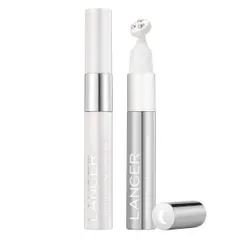
"KORRES - Lancer Skincare Legacy Eye Treatment Duo" is effective for: Moisturizing
This product could be helpful for: Anti-aging and Anti-oxidation, but its actives are not the most effective or are not well-studied.
Ingredient callouts
- Peptides (sh-polypeptide-11 0.25% - 0.45%, sh-polypeptide-9 0.25% - 0.40%, sh-oligopeptide-1 0.25% - 0.40%, acetyl tetrapeptide-5 0.25% - 0.50% and dipeptide-2 0.30% - 0.55%). Peptides are a very big group of ingredients. They all consist of a different combination of aminoacids. Our skin produces Peptides naturally. Some of them work as natural antibiotics, promote wound-healing and production of collagen. The scientists are still studying how effective the topical application of Peptides is, but it is very likely that theynare helpful. Peptides might be able to support skin barrier restoration and even have an anti-aging benefit. At the very least, they certainly help attract water to the skin and support the hydration in this way.
- Humectants (polyglutamic acid 0.25% - 0.45%, tremella fuciformis sporocarp extract 0.25% - 0.45%, betaine 0.25% - 0.40%, sodium hyaluronate 0.25% - 0.45%, fructose 0.25% - 0.45%, glycerin 0.25% - 0.45%, polyglutamic acid 0.20% - 0.40%, betaine 0.20% - 0.35%, acetyl tetrapeptide-5 0.25% - 0.50%, tremella fuciformis sporocarp extract 0.35% - 0.60% and glycerin 2.00% - 2.40%). These ingredients help attract water to the upper layer of the skin and improve the skin hydration.
Moisturizing
What does the product description say?
A potent Aquadermal Complex, a blend of Polyglutamic and Amino Acids, encourages the illusion of normal moisture retention, while ingenious Angelica Complex offers the look of a wide-awake, more balanced skin-tone.
Source: Lookfantastic
This product can help improve hydration of the skin with the two types of ingredients.
The first type is called “humectants”:
these ingredients help attract water.
When humectants are on the surface of the skin, they “pull in” the moisture from the outside environment, or from
within deeper layers of the skin. The following ingredients in this product do the job:
betaine, fructose.
This product also contains ingredients called “occlusives”. They help reduce the speed with which our skin loses moisture to the outside environment. These ingredients also help soften the upper layer of the skin, so it feels less tight and nicer to the touch. The following ingredients in this product do the job: dimethicone, phenyl trimethicone.
The following ingredients in this product are especially good for supporting the skin barrier and helping with the hydration level: acetyl tetrapeptide-5, dipeptide-2, isosorbide dicaprylate, sh-oligopeptide-1, sh-polypeptide-11, sh-polypeptide-9
Helps attract water to the upper layer of the skin
One of the best moisturizing ingredients. Naturally present in skin. It attracts water to the upper layer of the skin working as a humectant
A type of silicone that can decrease loss of moisture from the skin surface. It helps create a nice product texture
Lipids that work as an emollient and can be helpful in repairing skin barrier function
Helps soften the upper layer of the skin
Helps attract water to the upper layer of the skin.
A type of peptide. Peptides are excellent moisturizers and might be able support collagen production reducing fine lines and wrinkles
A type of peptide. Peptides are excellent moisturizers and might be able support collagen production reducing fine lines and wrinkles
A type of peptide. Peptides are excellent moisturizers and might be able support collagen production reducing fine lines and wrinkles
One of the best moisturizing ingredients. Attracts water into the upper layer of the skin
A type of peptide. Peptides are excellent moisturizers and might be able support collagen production reducing fine lines and wrinkles
Mushroom extract that helps attract water to the upper layer of the skin
An oil that is naturally part of skin sebum that helps to soften its upper layer, reduce water loss and neutralize free radicals. It might be comedogenic. Avoid applying large concentrations (or pure oil) before sun exposure as oxidized squalene can clog pores and lead to skin irritation. Today squalene is mostly derived from vegetable oils or synthetized by yeast
Helps attract water to the upper layer of the skin and improves the product texture
A silicone that helps to reduce water loss from the surface of the skin. Can temporarily "fill in" lines and wrinkles, absorb oil, and create a nice product finish
A type of peptide. Peptides are excellent moisturizers and might be able support collagen production reducing fine lines and wrinkles
Helps soften the upper layer of the skin. Early studies suggest that it can help strengthen the skin barrier
A plant extract that can help to attract water to the upper layer of the skin and might have some anti-oxidant and anti-inflammatory properties
A silicone that helps improve the product texture and spreadability. Can absorb oil creating a short-term mattifying effect on the skin
Helps soften upper layer of the skin and can enhance penetration of other ingredients into the upper layer of the skin
A non-drying alcohol that works to soften the skin and stabilize product formulations helping oil and water mix together
An emollient that softens the skin and forms a protective layer on its surface. Helps water and oil mix together
Used to create a thicker product consistency and soften the upper layer of the skin
Non-drying alcohol that helps water and oil mix together. Also serves as an emollient
Used to create a nice product texture and help delivery of other ingredients. Might be somewhat helpful in attracting water to the upper layer of the skin
Helps preserve products and creates a nice product texture
A good mix of fatty acids that forms a protective layer on the skin. Improves the shelf life of products. Derived from coconut and glycerin
An exfoliating and moisturizing alpha-hydroxy acid (AHA). Typically causes less irritation than other AHAs, for example, glycolic acid. At high concentrations (about 15%), lactic acid can help reduce lines and wrinkles. Recent studies show that lactic acid can support the "good" bacteria living on skin's surface (healthy skin microbiome)
Pure form of vitamin E. Can help moisturise and protect the skin from free radicals. Often used to help stabilise other ingredients or the formula itself
Used mostly for creating emulsions - helping oil and water mix together. Helps soften the upper layer of the skin
A silicone that serves as an emollient. Helps create a nice non-greasy feels
Anti-aging
What does the product description say?
Nourishing Micro-Green Complex works to improve the appearance of plumpness and firmness of your eye-area, helping to reduce the look of fine lines and wrinkles to reveal a youthful glow.
Source: Lookfantastic
This product contains acetyl tetrapeptide-5, dipeptide-2, sh-oligopeptide-1, sh-polypeptide-11, sh-polypeptide-9. These ingredients might be able to help reduce and prevent fine lines and wrinkles, improve skin elasticity and firmness, but there is not enough evidence that it actually works.
A type of peptide. Peptides are excellent moisturizers and might be able support collagen production reducing fine lines and wrinkles
A type of peptide. Peptides are excellent moisturizers and might be able support collagen production reducing fine lines and wrinkles
A type of peptide. Peptides are excellent moisturizers and might be able support collagen production reducing fine lines and wrinkles
A type of peptide. Peptides are excellent moisturizers and might be able support collagen production reducing fine lines and wrinkles
A type of peptide. Peptides are excellent moisturizers and might be able support collagen production reducing fine lines and wrinkles
An exfoliating and moisturizing alpha-hydroxy acid (AHA). Typically causes less irritation than other AHAs, for example, glycolic acid. At high concentrations (about 15%), lactic acid can help reduce lines and wrinkles. Recent studies show that lactic acid can support the "good" bacteria living on skin's surface (healthy skin microbiome)
Pure form of vitamin E. Can help moisturise and protect the skin from free radicals. Often used to help stabilise other ingredients or the formula itself
Anti-oxidation
This product contains antioxidants (squalene) that might be able to help neutralize free radicals in skin to lessen the damage it gets from the UV light (sun). There is not enough evidence to confirm their effectiveness in skin though.
An oil that is naturally part of skin sebum that helps to soften its upper layer, reduce water loss and neutralize free radicals. It might be comedogenic. Avoid applying large concentrations (or pure oil) before sun exposure as oxidized squalene can clog pores and lead to skin irritation. Today squalene is mostly derived from vegetable oils or synthetized by yeast
Mushroom extract that helps attract water to the upper layer of the skin
Might be helpful in neutralizing free radicals. Can have a dehydration effect that might somewhat decrease the look of puffy eyes
A plant extract that can help to attract water to the upper layer of the skin and might have some anti-oxidant and anti-inflammatory properties
Pure form of vitamin E. Can help moisturise and protect the skin from free radicals. Often used to help stabilise other ingredients or the formula itself
A more stable but less bio-available form of vitamin E compared to Tocopherol. Might help moisturize and protect the skin from free radicals, but mostly used in low concentrations to stabilize other ingredients.
Evens skin tone
What does the product description say?
A potent Aquadermal Complex, a blend of Polyglutamic and Amino Acids, encourages the illusion of normal moisture retention, while ingenious Angelica Complex offers the look of a wide-awake, more balanced skin-tone.
Source: Lookfantastic
Effective ingredients missing or their concentration is too low
An exfoliating and moisturizing alpha-hydroxy acid (AHA). Typically causes less irritation than other AHAs, for example, glycolic acid. At high concentrations (about 15%), lactic acid can help reduce lines and wrinkles. Recent studies show that lactic acid can support the "good" bacteria living on skin's surface (healthy skin microbiome)
How honest is this product?
| Promise | Can it deliver? |
|---|---|
| Moisturizing | |
| Anti-aging | |
| Evens skin tone |
Total Promises Fulfilled score: 58/100.
Potential irritants
Comedogenic ingredients
User reviews (0)
Averages from community submissions.
No reviews yet for this product.
Be the first to share your experience!
Tried this product?
Help capture what the ingredient list can't—texture, finish, pilling, scent, and more. Answer what you can, skip the rest.
Takes ~30 seconds.
Reviews are shown in aggregate. No personal details.
Key Actives
Pure form of vitamin E. Can help moisturise and protect the skin from free radicals. Often used to help stabilise other ingredients or the formula itself
Pure form of vitamin E. Can help moisturise and protect the skin from free radicals. Often used to help stabilise other ingredients or the formula itself
A silicone that helps to reduce water loss from the surface of the skin. Can temporarily "fill in" lines and wrinkles, absorb oil, and create a nice product finish
Mushroom extract that helps attract water to the upper layer of the skin
A type of peptide. Peptides are excellent moisturizers and might be able support collagen production reducing fine lines and wrinkles
A type of peptide. Peptides are excellent moisturizers and might be able support collagen production reducing fine lines and wrinkles
Might be helpful in neutralizing free radicals. Can have a dehydration effect that might somewhat decrease the look of puffy eyes
An oil that is naturally part of skin sebum that helps to soften its upper layer, reduce water loss and neutralize free radicals. It might be comedogenic. Avoid applying large concentrations (or pure oil) before sun exposure as oxidized squalene can clog pores and lead to skin irritation. Today squalene is mostly derived from vegetable oils or synthetized by yeast
A silicone that helps improve the product texture and spreadability. Can absorb oil creating a short-term mattifying effect on the skin
An oil that is naturally part of skin sebum that helps to soften its upper layer, reduce water loss and neutralize free radicals. It might be comedogenic. Avoid applying large concentrations (or pure oil) before sun exposure as oxidized squalene can clog pores and lead to skin irritation. Today squalene is mostly derived from vegetable oils or synthetized by yeast
A silicone that helps to reduce water loss from the surface of the skin. Can temporarily "fill in" lines and wrinkles, absorb oil, and create a nice product finish
A type of peptide. Peptides are excellent moisturizers and might be able support collagen production reducing fine lines and wrinkles
A type of peptide. Peptides are excellent moisturizers and might be able support collagen production reducing fine lines and wrinkles
A type of peptide. Peptides are excellent moisturizers and might be able support collagen production reducing fine lines and wrinkles
Mushroom extract that helps attract water to the upper layer of the skin
One of the best moisturizing ingredients. Naturally present in skin. It attracts water to the upper layer of the skin working as a humectant
Helps soften the upper layer of the skin. Early studies suggest that it can help strengthen the skin barrier
A type of silicone that can decrease loss of moisture from the skin surface. It helps create a nice product texture
Helps soften the upper layer of the skin
Lipids that work as an emollient and can be helpful in repairing skin barrier function
Helps attract water to the upper layer of the skin and improves the product texture
Helps attract water to the upper layer of the skin.
Works as a UV filter when used in high concentrations. It is photostable and is effective mostly against the UVB light, with some protection in the UVA range. In small concentrations, used for its ability to improve the color of cosmetic products. Is usually well tolerated by the skin
One of the best moisturizing ingredients. Naturally present in skin. It attracts water to the upper layer of the skin working as a humectant
A good mix of fatty acids that forms a protective layer on the skin. Improves the shelf life of products. Derived from coconut and glycerin
Helps soften the upper layer of the skin. Early studies suggest that it can help strengthen the skin barrier
Helps attract water to the upper layer of the skin
Helps soften the upper layer of the skin
Lipids that work as an emollient and can be helpful in repairing skin barrier function
One of the best moisturizing ingredients. Attracts water into the upper layer of the skin
Helps attract water to the upper layer of the skin and improves the product texture
Helps attract water to the upper layer of the skin.
Potential irritants
Creates a cooling sensation on the skin. Does not have a skin benefit
Can be drying and contribute to skin irritation. Used in formulars to dissolve other ingredients, create a thinner product consistency or for its antibacterial properties
A plant extract. Benefits of topical application are not confirmed
Helps soften the upper layer of the skin and improve the product texture. It can be comedogenic
A gelling agent that thickens the product consistency and leaves the skin with a velvety finish
Might be helpful in neutralizing free radicals. Can have a dehydration effect that might somewhat decrease the look of puffy eyes
A plant extract that can help to attract water to the upper layer of the skin and might have some anti-oxidant and anti-inflammatory properties
Lipids that work as an emollient and can be helpful in repairing skin barrier function
An exfoliating and moisturizing alpha-hydroxy acid (AHA). Typically causes less irritation than other AHAs, for example, glycolic acid. At high concentrations (about 15%), lactic acid can help reduce lines and wrinkles. Recent studies show that lactic acid can support the "good" bacteria living on skin's surface (healthy skin microbiome)
Used to improve stability of the formulation
Can work as an exfoliant but is typically used to adjust the product pH
A good mix of fatty acids that forms a protective layer on the skin. Improves the shelf life of products. Derived from coconut and glycerin
Used to create a thicker product consistency and soften the upper layer of the skin
Lipids that work as an emollient and can be helpful in repairing skin barrier function
A more stable but less bio-available form of vitamin E compared to Tocopherol. Might help moisturize and protect the skin from free radicals, but mostly used in low concentrations to stabilize other ingredients.
Helps oil and water mix together. Can be used as a cleansing agent
Used to improve stability of the formulation
Helps preserve products and creates a nice product texture
Can work as an exfoliant but is typically used to adjust the product pH
Comedogenic ingredients
Helps soften the upper layer of the skin and improve the product texture. It can be comedogenic
A plant extract that can help to attract water to the upper layer of the skin and might have some anti-oxidant and anti-inflammatory properties
An oil that is naturally part of skin sebum that helps to soften its upper layer, reduce water loss and neutralize free radicals. It might be comedogenic. Avoid applying large concentrations (or pure oil) before sun exposure as oxidized squalene can clog pores and lead to skin irritation. Today squalene is mostly derived from vegetable oils or synthetized by yeast
An oil that is naturally part of skin sebum that helps to soften its upper layer, reduce water loss and neutralize free radicals. It might be comedogenic. Avoid applying large concentrations (or pure oil) before sun exposure as oxidized squalene can clog pores and lead to skin irritation. Today squalene is mostly derived from vegetable oils or synthetized by yeast
All ingredients
Helps soften the upper layer of the skin and improve the product texture. It can be comedogenic
Acts as a solvent for other ingredients. Speeds up the absorption of other ingredients into the skin
One of the best moisturizing ingredients. Naturally present in skin. It attracts water to the upper layer of the skin working as a humectant
Helps soften the upper layer of the skin. Early studies suggest that it can help strengthen the skin barrier
A gelling agent that thickens the product consistency and leaves the skin with a velvety finish
A type of silicone that can decrease loss of moisture from the skin surface. It helps create a nice product texture
Creates a cooling sensation on the skin. Does not have a skin benefit
Can be drying and contribute to skin irritation. Used in formulars to dissolve other ingredients, create a thinner product consistency or for its antibacterial properties
A silicone that helps to reduce water loss from the surface of the skin. Can temporarily "fill in" lines and wrinkles, absorb oil, and create a nice product finish
Mushroom extract that helps attract water to the upper layer of the skin
A type of peptide. Peptides are excellent moisturizers and might be able support collagen production reducing fine lines and wrinkles
A type of peptide. Peptides are excellent moisturizers and might be able support collagen production reducing fine lines and wrinkles
Might be helpful in neutralizing free radicals. Can have a dehydration effect that might somewhat decrease the look of puffy eyes
A plant extract that can help to attract water to the upper layer of the skin and might have some anti-oxidant and anti-inflammatory properties
Pure form of vitamin E. Can help moisturise and protect the skin from free radicals. Often used to help stabilise other ingredients or the formula itself
Lipids that work as an emollient and can be helpful in repairing skin barrier function
Helps attract water to the upper layer of the skin and improves the product texture
An oil that is naturally part of skin sebum that helps to soften its upper layer, reduce water loss and neutralize free radicals. It might be comedogenic. Avoid applying large concentrations (or pure oil) before sun exposure as oxidized squalene can clog pores and lead to skin irritation. Today squalene is mostly derived from vegetable oils or synthetized by yeast
Creates an illusion of smoother and more radiant skin tone. Adds shimmer to the skin by reflecting light
A colorant that can add a pearl-like appearance to the formulation
Used to create a nice product texture and help delivery of other ingredients. Might be somewhat helpful in attracting water to the upper layer of the skin
An exfoliating and moisturizing alpha-hydroxy acid (AHA). Typically causes less irritation than other AHAs, for example, glycolic acid. At high concentrations (about 15%), lactic acid can help reduce lines and wrinkles. Recent studies show that lactic acid can support the "good" bacteria living on skin's surface (healthy skin microbiome)
Used to improve stability of the formulation
Can work as an exfoliant but is typically used to adjust the product pH
A preservative. It helps prevent bacterial growth in cosmetic products
Works as a UV filter when used in high concentrations. It is photostable and is effective mostly against the UVB light, with some protection in the UVA range. In small concentrations, used for its ability to improve the color of cosmetic products. Is usually well tolerated by the skin
One of the best moisturizing ingredients. Naturally present in skin. It attracts water to the upper layer of the skin working as a humectant
Acts as a solvent for other ingredients. Speeds up the absorption of other ingredients into the skin
A good mix of fatty acids that forms a protective layer on the skin. Improves the shelf life of products. Derived from coconut and glycerin
Used to create a thicker product consistency and soften the upper layer of the skin
Non-drying alcohol that helps water and oil mix together. Also serves as an emollient
Helps soften the upper layer of the skin. Early studies suggest that it can help strengthen the skin barrier
A non-drying alcohol that works to soften the skin and stabilize product formulations helping oil and water mix together
An emollient that softens the skin and forms a protective layer on its surface. Helps water and oil mix together
Helps soften upper layer of the skin and can enhance penetration of other ingredients into the upper layer of the skin
A silicone that helps improve the product texture and spreadability. Can absorb oil creating a short-term mattifying effect on the skin
An oil that is naturally part of skin sebum that helps to soften its upper layer, reduce water loss and neutralize free radicals. It might be comedogenic. Avoid applying large concentrations (or pure oil) before sun exposure as oxidized squalene can clog pores and lead to skin irritation. Today squalene is mostly derived from vegetable oils or synthetized by yeast
A silicone that helps to reduce water loss from the surface of the skin. Can temporarily "fill in" lines and wrinkles, absorb oil, and create a nice product finish
Lipids that work as an emollient and can be helpful in repairing skin barrier function
A plant extract. Benefits of topical application are not confirmed
A type of peptide. Peptides are excellent moisturizers and might be able support collagen production reducing fine lines and wrinkles
A type of peptide. Peptides are excellent moisturizers and might be able support collagen production reducing fine lines and wrinkles
A type of peptide. Peptides are excellent moisturizers and might be able support collagen production reducing fine lines and wrinkles
One of the best moisturizing ingredients. Attracts water into the upper layer of the skin
Helps attract water to the upper layer of the skin and improves the product texture
Mushroom extract that helps attract water to the upper layer of the skin
A silicone that serves as an emollient. Helps create a nice non-greasy feels
Pure form of vitamin E. Can help moisturise and protect the skin from free radicals. Often used to help stabilise other ingredients or the formula itself
A more stable but less bio-available form of vitamin E compared to Tocopherol. Might help moisturize and protect the skin from free radicals, but mostly used in low concentrations to stabilize other ingredients.
Used to create a thicker product consistency
Helps oil and water mix together. Can be used as a cleansing agent
Used mostly for creating emulsions - helping oil and water mix together. Helps soften the upper layer of the skin
Used to improve stability of the formulation
Helps preserve products and creates a nice product texture
Used to create a nice product texture and help delivery of other ingredients. Might be somewhat helpful in attracting water to the upper layer of the skin
Can work as an exfoliant but is typically used to adjust the product pH
A preservative. It helps prevent bacterial growth in cosmetic products
Ingredient list view
Water, Isostearyl isostearate, Octyldodecyl lactate, Bis-stearyl dimethicone, Propanediol, Glycerin, Jojoba oil/macadamia seed oil esters, Isopentyldiol, Isosorbide dicaprylate, Hydroxyethyl acrylate/sodium acryloyldimethyl taurate copolymer, Phenyl trimethicone, Menthyl ethylamido oxalate, Alcohol, Dimethicone, Poria cocos extract, Tremella fuciformis sporocarp extract, Phytosteryl macadamiate, Dipeptide-2, Acetyl tetrapeptide-5, Angelica acutiloba root extract, Caffeine, Chlorella vulgaris extract, Glycine soja extract, Hydrolyzed pearl, Tocopherol, Phytosterols, Jania rubens extract, Betaine, Polyglutamic acid, Polysorbate 60, Sorbitan isostearate, Polyisobutene, Peg-7 trimethylolpropane coconut ether, Peg-75 stearate, Ceteth-20, Steareth-20, Squalene, Mica, Tin oxide, Xanthan gum, Butylene glycol, Lactic acid, Sodium benzoate, Sodium carrageenan, Ethylhexylglycerin, Trisodium ethylenediamine disuccinate, Citric acid, Caprylhydroxamic acid, 1,2-hexanediol, Phenoxyethanol, Potassium sorbate, Titanium dioxide, Ci 77891, Water, Glycerin, Propanediol, Caprylic/capric triglyceride, Bis-stearyl dimethicone, Tridecyl trimellitate, Jojoba oil/macadamia seed oil esters, Behenyl alcohol, Isosorbide dicaprylate, Cetyl alcohol, Glyceryl stearate, Cetyl esters, Stearyl alcohol, Peg-75 stearate, Fructose, Cyclopentasiloxane, Squalene, Dimethicone, Phytosteryl macadamiate, Phytosterols, Acmella oleracea extract, Aesculus hippocastanum extract, Acetyl glutamine, Sh-oligopeptide-1, Unknown, Sh-polypeptide-9, Sh-polypeptide-11, Bacillus/folic acid ferment filtrate extract, Sodium hyaluronate, Glycine soja extract, Hydrolyzed pearl, Tuber magnatum extract, Paeonia albiflora root extract, Betaine, Tremella fuciformis sporocarp extract, Polyglutamic acid, Caprylhydroxamic acid, Cyclohexasiloxane, Tocopherol, Ceteth-20, Steareth-20, Tocopheryl acetate, Sodium acrylate/sodium acryloyldimethyl taurate copolymer, Polyisobutene, Caprylyl/capryl glucoside, Sorbitan oleate, Lecithin, Xanthan gum, Trisodium ethylenediamine disuccinate, Caprylyl glycol, Butylene glycol, 1,2-hexanediol, Ethylhexylglycerin, Citric acid, Potassium sorbate, Sodium benzoate, Sorbic acid, Phenoxyethanol
- Glycerol and the skin: holistic approach to its origin and functions
- Improvement of hydration and epidermal barrier function in human skin by a novel compound isosorbide dicaprylate
- Dimethicone as a protective ingredient in topical medications
- Final Report on the Safety Assessment of Dimethicone Copolyol
- Carboxymethylation of polysaccharides from Tremella fuciformis for antioxidant and moisture-preserving activities
- Safety Assessment of Phytosterols as Used in Cosmetics
- Vitamin E in dermatology
- Vitamin E and Skin Health
- γ‐Polyglutamic Acid Produced by Bacillus Subtilis (Natto): Structural Characteristics, Chemical Properties and Biological Functionalities
- Natural and edible biopolymer poly‐γ‐glutamic acid: synthesis, production, and applications
- Final report of the cosmetic ingredient review expert panel on the safety assessment of Polyisobutene and Hydrogenated Polyisobutene as used in cosmetics
- Squalene and its potential clinical uses
- Biological and Pharmacological Activities of Squalene and Related Compounds: Potential Uses in Cosmetic Dermatology
- Enhanced comedo formation in rabbit ear skin by squalene and oleic acid peroxides
- Safety Assessment of Tin(IV) Oxide as Used in Cosmetics
- Epidermal and dermal effects of topical lactic acid
- Dual Effects of Alpha-Hydroxy Acids on the Skin
- The influence of alkane chain length on the skin irritation potential of 1,2-alkanediols
- Comparison of skin calming effects of cosmetic products containing 4-t-butylcyclohexanol or acetyl dipeptide-1 cetyl ester on capsaicin-induced facial stinging in volunteers with sensitive skin
- Amended Safety Assessment of Alkyl Esters as Used in Cosmetics
- Contact dermatitis to extract of horse chestnut (esculin)
- Hyaluronic acid: A key molecule in skin aging
- Hyaluronan (Hyaluronic Acid): a natural moisturizer for skin care
- Surfactants and experimental irritant contact dermatitis