Works for:
based on ingredients and %- Moisturizing
- Anti-aging
- Anti-oxidation
Can it cause trouble?
- Irritation risk: medium
- Comedogenic risk ingredients: 4
Key actives

Product Summary
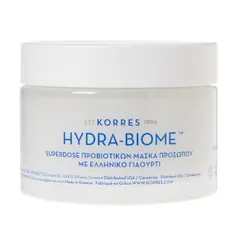
"KORRES - Greek Yoghurt Probiotic Superdose Face Mask" is effective for: Moisturizing
This product could be helpful for: Anti-aging, but its actives are not the most effective or are not well-studied.
Ingredient callouts
- Humectants (urea 0.15% - 0.25%, trehalose 0.15% - 0.30%, sodium hyaluronate 0.25% - 0.45%, saccharide isomerate 0.25% - 0.45% and glycerin 4.50% - 5.60%). These ingredients help attract water to the upper layer of the skin and improve the skin hydration.
About the brand
According to Cruelty-Free Kitty "KORRES" is cruelty free, but its parent company is not.
Price
The product retails for 39.00£ in the United Kingdom and from 49.00$ up to 60.00$ in the United States.
For a detailed price comparison: click here.
Works for
Anti-oxidation
This product contains antioxidants (epigallocatechin gallatyl glucoside) that can help neutralize free radicals in skin. By doing so, they can lessen the damage the skin gets from the UV light (sun).
A synthetic version of green tea polyphenol that helps neutralize free radicals in skin
A plant extract that might help neutralize free radicals in skin. Can contain volalite oils and be irritating
A plant extract that can help to attract water to the upper layer of the skin and might have some anti-oxidant and anti-inflammatory properties
A plant extract that might help neutralize free radicals in skin. Can contain volalite oils and be irritating
A plant extract that can contain an irritating essential oil. Might have some anti-oxidant effect, but evidence is lacking
An emollient that helps soften the skin
Pure form of vitamin E. Can help moisturise and protect the skin from free radicals. Often used to help stabilise other ingredients or the formula itself
Seaweed extract that helps the skin to attract water and make it more smooth for touch. Also shows promise of anti-aging properties, but good research is lacking at the moment
An active component of chamomile plant that historically has been used to calm down irritated skin. A recent study shows that bisabolol indeed can have some anti-inflammatory effect on skin, even though conclusive data is lacking. Bisabolol has a sweet floral scent and can be added to products for its aromatic properties
A great moisturising ingredient that softens the skin and reduces water loss from its upper layer. It also can be helpful in protecting skin from free radicals
Being a lipid soluble form of vitamin C, it is more stable and can penetrate the skin better than L-Ascorbic acid. It is effective in protecting the skin from free radicals, as well as evening the skin tone, but is less effective in stimulating collagen production compared to L-Ascorbic acid.
Moisturizing
What does the product description say?
SMART YOGHURT™ TECHNOLOGY delivers essential protein from real Greek yoghurt to help fortify the skin barrier, restore microbiome balance, and support resilient, hydrated skin—especially when skin feels compromised.
Source: Ulta
This product can help improve hydration of the skin with the two types of ingredients.
The first type is called “humectants”:
these ingredients help attract water.
When humectants are on the surface of the skin, they “pull in” the moisture from the outside environment, or from
within deeper layers of the skin. The following ingredients in this product do the job:
glycerin, saccharide isomerate.
This product also contains ingredients called “occlusives”. They help reduce the speed with which our skin loses moisture to the outside environment. These ingredients also help soften the upper layer of the skin, so it feels less tight and nicer to the touch. The following ingredients in this product do the job: helianthus annuus seed oil, squalane.
The following ingredients in this product are especially good for supporting the skin barrier and helping with the hydration level: urea
Helps attract water to the upper layer of the skin
Helps soften the upper layer of the skin
An emollient that helps soften the skin
Helps attract water to the upper layer of the skin
A type of oatmeal extract. Helps restore skin barrier and has antioxidant properties
One of the best moisturizing ingredients. Naturally present in skin. It attracts water to the upper layer of the skin working as a humectant
A great emollient due to its high linoleic acid content. One of the most effective plant oils in helping skin hydration and repairing skin barrier function
Naturally present in skin (urea makes up about 7% of natural moisturizing factors in skin). Attracts water to the upper layer of the skin. Also has a positive effect on the skin barrier beyond the humectant action. Can enhance penetration of other ingredients. Is an exfoliating ingredient when used in high concentrations
A sugar that attracts water to the upper layer of the skin
A non-living ingredient made by fermentation with the bacteria Lactobacillus. It can help attract water to the upper layer of the skin and might help reduce inflammation
An oil naturally present in skin. Works as an emollient to soften the skin and form a protective layer on its surface without a greasy feeling.
One of the best moisturizing ingredients. Attracts water into the upper layer of the skin
An amino-acid that helps to attract water to the upper layer of the skin. In combination with other amino-acids, might help to reduce fine lines and wrinkles
Helps soften the skin and attract water to its upper layer. Helps create nice product texture
A plant extract that can help to attract water to the upper layer of the skin and might have some anti-oxidant and anti-inflammatory properties
Helps to soften the upper layer of the skin
A plant extract that helps attract water to the upper layer of the skin and might have some anti-oxidant properties
Used to preserve products, dissolve other ingredients and create a nice product texture
Non-drying alcohol that helps water and oil mix together. Also serves as an emollient
Helps preserve products and creates a nice product texture
Used to soften the upper layer of the skin and create a thicker product consistency
Traditionally used to treat sunburns, dermatitis and inflammation, but evidence for its effectiveness is lacking. The extract can contain humectants that help attract water into the skin
Used to thicken product formulation. Can help attract water to the upper layer of the skin
Helps create a nice product feeling on the skin and help soften its upper layer
An exfoliating and moisturizing alpha-hydroxy acid (AHA). Typically causes less irritation than other AHAs, for example, glycolic acid. At high concentrations (about 15%), lactic acid can help reduce lines and wrinkles. Recent studies show that lactic acid can support the "good" bacteria living on skin's surface (healthy skin microbiome)
A good mix of fatty acids that forms a protective layer on the skin. Improves the shelf life of products. Derived from coconut and glycerin
A great moisturising ingredient that softens the skin and reduces water loss from its upper layer. It also can be helpful in protecting skin from free radicals
Seaweed extract that helps the skin to attract water and make it more smooth for touch. Also shows promise of anti-aging properties, but good research is lacking at the moment
Pure form of vitamin E. Can help moisturise and protect the skin from free radicals. Often used to help stabilise other ingredients or the formula itself
Used mostly for creating emulsions - helping oil and water mix together. Helps soften the upper layer of the skin
Anti-aging
What does the product description say?
Through a clinically tested blend of superfoods, hyaluronic acid, and skin-rebalancing technology, it visibly addresses elasticity, radiance, and texture for revitalized-, healthy-looking skin.
Source: Sephora
This product contains epigallocatechin gallatyl glucoside, serine. These ingredients might be able to help reduce and prevent fine lines and wrinkles, improve skin elasticity and firmness, but there is not enough evidence that it actually works.
A synthetic version of green tea polyphenol that helps neutralize free radicals in skin
An amino-acid that helps to attract water to the upper layer of the skin. In combination with other amino-acids, might help to reduce fine lines and wrinkles
An exfoliating and moisturizing alpha-hydroxy acid (AHA). Typically causes less irritation than other AHAs, for example, glycolic acid. At high concentrations (about 15%), lactic acid can help reduce lines and wrinkles. Recent studies show that lactic acid can support the "good" bacteria living on skin's surface (healthy skin microbiome)
Pure form of vitamin E. Can help moisturise and protect the skin from free radicals. Often used to help stabilise other ingredients or the formula itself
A great moisturising ingredient that softens the skin and reduces water loss from its upper layer. It also can be helpful in protecting skin from free radicals
Seaweed extract that helps the skin to attract water and make it more smooth for touch. Also shows promise of anti-aging properties, but good research is lacking at the moment
Being a lipid soluble form of vitamin C, it is more stable and can penetrate the skin better than L-Ascorbic acid. It is effective in protecting the skin from free radicals, as well as evening the skin tone, but is less effective in stimulating collagen production compared to L-Ascorbic acid.
How honest is this product?
| Promise | Can it deliver? |
|---|---|
| Moisturizing | |
| Anti-aging |
Total Promises Fulfilled score: 87/100.
We receive a small commission for purchases made through these links at no cost for you. Thank you for your support! Learn more
Potential irritants
Comedogenic ingredients
User reviews (0)
Averages from community submissions.
No reviews yet for this product.
Be the first to share your experience!
Tried this product?
Help capture what the ingredient list can't—texture, finish, pilling, scent, and more. Answer what you can, skip the rest.
Takes ~30 seconds.
Reviews are shown in aggregate. No personal details.
Key Actives
An exfoliating and moisturizing alpha-hydroxy acid (AHA). Typically causes less irritation than other AHAs, for example, glycolic acid. At high concentrations (about 15%), lactic acid can help reduce lines and wrinkles. Recent studies show that lactic acid can support the "good" bacteria living on skin's surface (healthy skin microbiome)
Pure form of vitamin E. Can help moisturise and protect the skin from free radicals. Often used to help stabilise other ingredients or the formula itself
A great moisturising ingredient that softens the skin and reduces water loss from its upper layer. It also can be helpful in protecting skin from free radicals
An active component of chamomile plant that historically has been used to calm down irritated skin. A recent study shows that bisabolol indeed can have some anti-inflammatory effect on skin, even though conclusive data is lacking. Bisabolol has a sweet floral scent and can be added to products for its aromatic properties
An emollient that helps soften the skin
A synthetic version of green tea polyphenol that helps neutralize free radicals in skin
An amino-acid that helps to attract water to the upper layer of the skin. In combination with other amino-acids, might help to reduce fine lines and wrinkles
Naturally present in skin (urea makes up about 7% of natural moisturizing factors in skin). Attracts water to the upper layer of the skin. Also has a positive effect on the skin barrier beyond the humectant action. Can enhance penetration of other ingredients. Is an exfoliating ingredient when used in high concentrations
One of the best moisturizing ingredients. Naturally present in skin. It attracts water to the upper layer of the skin working as a humectant
An oil naturally present in skin. Works as an emollient to soften the skin and form a protective layer on its surface without a greasy feeling.
Helps soften the upper layer of the skin
Helps attract water to the upper layer of the skin
A type of oatmeal extract. Helps restore skin barrier and has antioxidant properties
A good mix of fatty acids that forms a protective layer on the skin. Improves the shelf life of products. Derived from coconut and glycerin
A great emollient due to its high linoleic acid content. One of the most effective plant oils in helping skin hydration and repairing skin barrier function
A non-living ingredient made by fermentation with the bacteria Lactobacillus. It can help attract water to the upper layer of the skin and might help reduce inflammation
Creates a thin drying film on the skin resulting in a short-term tightening effect
Helps attract water to the upper layer of the skin
One of the best moisturizing ingredients. Attracts water into the upper layer of the skin
A sugar that attracts water to the upper layer of the skin
Potential irritants
A plant extract that might help neutralize free radicals in skin. Can contain volalite oils and be irritating
A plant extract that might help neutralize free radicals in skin. Can contain volalite oils and be irritating
Helps mask the smell of other ingredients and helps preserve the product formulation
A plant extract that helps attract water to the upper layer of the skin and might have some anti-oxidant properties
Creates a thin drying film on the skin resulting in a short-term tightening effect
A plant extract that can contain an irritating essential oil. Might have some anti-oxidant effect, but evidence is lacking
A preservative. Can be used to mask unpleasant smell. Can be irritating
Helps create a nice product feeling on the skin and help soften its upper layer
Used to preserve products, dissolve other ingredients and create a nice product texture
Traditionally used to treat sunburns, dermatitis and inflammation, but evidence for its effectiveness is lacking. The extract can contain humectants that help attract water into the skin
Being a lipid soluble form of vitamin C, it is more stable and can penetrate the skin better than L-Ascorbic acid. It is effective in protecting the skin from free radicals, as well as evening the skin tone, but is less effective in stimulating collagen production compared to L-Ascorbic acid.
A good mix of fatty acids that forms a protective layer on the skin. Improves the shelf life of products. Derived from coconut and glycerin
Helps preserve products and creates a nice product texture
A plant extract that can help to attract water to the upper layer of the skin and might have some anti-oxidant and anti-inflammatory properties
A gelling agent that thickens the product consistency and leaves the skin with a velvety finish
An exfoliating and moisturizing alpha-hydroxy acid (AHA). Typically causes less irritation than other AHAs, for example, glycolic acid. At high concentrations (about 15%), lactic acid can help reduce lines and wrinkles. Recent studies show that lactic acid can support the "good" bacteria living on skin's surface (healthy skin microbiome)
Helps preserve product formulations and can mask the smell of other ingredients in a product
Comedogenic ingredients
A great moisturising ingredient that softens the skin and reduces water loss from its upper layer. It also can be helpful in protecting skin from free radicals
Used to thicken product formulation. Can help attract water to the upper layer of the skin
A plant extract that can help to attract water to the upper layer of the skin and might have some anti-oxidant and anti-inflammatory properties
Seaweed extract that helps the skin to attract water and make it more smooth for touch. Also shows promise of anti-aging properties, but good research is lacking at the moment
All ingredients
One of the best moisturizing ingredients. Naturally present in skin. It attracts water to the upper layer of the skin working as a humectant
Helps create a nice product feeling on the skin and help soften its upper layer
Used to preserve products, dissolve other ingredients and create a nice product texture
An oil naturally present in skin. Works as an emollient to soften the skin and form a protective layer on its surface without a greasy feeling.
A non-drying alcohol that helps stabilize product formulations
Used to soften the upper layer of the skin and create a thicker product consistency
A great moisturising ingredient that softens the skin and reduces water loss from its upper layer. It also can be helpful in protecting skin from free radicals
Helps soften the skin and attract water to its upper layer. Helps create nice product texture
Helps oil and water mix togehter and creates a nice product texture
Used to thicken product formulation. Can help attract water to the upper layer of the skin
Traditionally used to treat sunburns, dermatitis and inflammation, but evidence for its effectiveness is lacking. The extract can contain humectants that help attract water into the skin
Helps attract water to the upper layer of the skin
Being a lipid soluble form of vitamin C, it is more stable and can penetrate the skin better than L-Ascorbic acid. It is effective in protecting the skin from free radicals, as well as evening the skin tone, but is less effective in stimulating collagen production compared to L-Ascorbic acid.
A type of oatmeal extract. Helps restore skin barrier and has antioxidant properties
Non-drying alcohol that helps water and oil mix together. Also serves as an emollient
An active component of chamomile plant that historically has been used to calm down irritated skin. A recent study shows that bisabolol indeed can have some anti-inflammatory effect on skin, even though conclusive data is lacking. Bisabolol has a sweet floral scent and can be added to products for its aromatic properties
A good mix of fatty acids that forms a protective layer on the skin. Improves the shelf life of products. Derived from coconut and glycerin
Helps preserve products and creates a nice product texture
A plant extract that can help to attract water to the upper layer of the skin and might have some anti-oxidant and anti-inflammatory properties
Helps adjust the product pH and stabilize the formulation
A synthetic version of green tea polyphenol that helps neutralize free radicals in skin
Helps to create a nice product texture and spread the product more easily on the skin
A great emollient due to its high linoleic acid content. One of the most effective plant oils in helping skin hydration and repairing skin barrier function
A gelling agent that thickens the product consistency and leaves the skin with a velvety finish
An exfoliating and moisturizing alpha-hydroxy acid (AHA). Typically causes less irritation than other AHAs, for example, glycolic acid. At high concentrations (about 15%), lactic acid can help reduce lines and wrinkles. Recent studies show that lactic acid can support the "good" bacteria living on skin's surface (healthy skin microbiome)
A non-living ingredient made by fermentation with the bacteria Lactobacillus. It can help attract water to the upper layer of the skin and might help reduce inflammation
Seaweed extract that helps the skin to attract water and make it more smooth for touch. Also shows promise of anti-aging properties, but good research is lacking at the moment
Used mostly for creating emulsions - helping oil and water mix together. Helps soften the upper layer of the skin
A plant extract that might help neutralize free radicals in skin. Can contain volalite oils and be irritating
A plant extract that might help neutralize free radicals in skin. Can contain volalite oils and be irritating
Used to stabilize the product formulation and can help absorb oil
Helps mask the smell of other ingredients and helps preserve the product formulation
A plant extract that helps attract water to the upper layer of the skin and might have some anti-oxidant properties
Helps preserve product formulations and can mask the smell of other ingredients in a product
Creates a thin drying film on the skin resulting in a short-term tightening effect
An amino-acid that helps to attract water to the upper layer of the skin. In combination with other amino-acids, might help to reduce fine lines and wrinkles
Helps thicken the product formulation and create a gel-like texture
One of the best moisturizing ingredients. Attracts water into the upper layer of the skin
Pure form of vitamin E. Can help moisturise and protect the skin from free radicals. Often used to help stabilise other ingredients or the formula itself
Naturally present in skin (urea makes up about 7% of natural moisturizing factors in skin). Attracts water to the upper layer of the skin. Also has a positive effect on the skin barrier beyond the humectant action. Can enhance penetration of other ingredients. Is an exfoliating ingredient when used in high concentrations
A plant extract that can contain an irritating essential oil. Might have some anti-oxidant effect, but evidence is lacking
A preservative. Can be used to mask unpleasant smell. Can be irritating
Ingredient list view
Water, Glycerin, Yogurt, Hexyldecyl stearate, Pentylene glycol, Diisostearyl malate, Prunus armeniaca kernel oil, Squalane, C14-22 alcohols, Isoamyl laurate, Prunus amygdalus dulcis seed, Arachidyl alcohol, Butyrospermum parkii butter, C10-18 triglycerides, Peg-100 stearate, Algin, Aloe barbadensis leaf juice powder, Alpha-glucan oligosaccharide, Arachidyl glucoside, Ascorbyl palmitate, Avena sativa meal extract, Behenyl alcohol, Bisabolol, C12-20 alkyl glucoside, Caprylic/capric triglyceride, Caprylyl glycol, Chlorella vulgaris extract, Disodium phosphate, Epigallocatechin gallatyl glucoside, Gallyl glucoside, Glyceryl oleate citrate, Glyceryl polyacrylate, Helianthus annuus seed oil, Hydroxyethyl acrylate/sodium acryloyldimethyl taurate copolymer, Lactic acid, Lactobacillus, Laminaria digitata extract, Lecithin, Lonicera caprifolium flower extract, Lonicera japonica flower extract, Maltodextrin, Maris aqua, Phenethyl alcohol, Phenylpropanol, Polymnia sonchifolia root juice, Polysorbate 60, Potassium phosphate, Propyl gallate, Pullulan, Saccharide isomerate, Serine, Sodium carboxymethyl beta-glucan, Sodium hyaluronate, Sodium polyacrylate starch, Sorbitan isostearate, Tetrasodium glutamate diacetate, Tocopherol, Trehalose, Urea, Zingiber officinale root extract, Benzyl alcohol, Dehydroacetic acid, Potassium sorbate, Sodium benzoate, Sodium hydroxide
- Glycerol and the skin: holistic approach to its origin and functions
- Safety Assessment of Alkyl Esters as Used in Cosmetics
- α-(-)-Bisabolol Reduces Pro-Inflammatory Cytokine Production and Ameliorates Skin Inflammation
- Contact dermatitis caused by alkyl glucosides in the modern cosmetic industry and contact dermatitis in the Canadian aircraft industry
- Safety Assessment of Decyl Glucoside and Other Alkyl Glucosides as Used in Cosmetics
- Effect of Olive and Sunflower Seed Oil on the Adult Skin Barrier: Implications for Neonatal Skin Care
- Topically Applied Sunflower Seed Oil Prevents Invasive Bacterial Infections in Preterm Infants in Egypt
- Effect of topically applied lipids on surfactant-irritated skin
- Impact of topical oils on the skin barrier: possible implications for neonatal health in developing countries
- Epidermal and dermal effects of topical lactic acid
- Dual Effects of Alpha-Hydroxy Acids on the Skin
- VOLATILE CONSTITUENTS FROM THE FLOWERS OF TWO SPECIES OF HONEYSUCKLE ( LONICERA JAPONICA AND LONICERA CAPRIFOLIUM )
- Chemical composition of the essential oils from the flower, leaf and stem of Lonicera japonica
- Final Report on the Safety Assessment of Phenethyl Alcohol
- Topical palmitoyl pentapeptide provides improvement in photoaged human facial skin
- Hyaluronic acid: A key molecule in skin aging
- Hyaluronan (Hyaluronic Acid): a natural moisturizer for skin care
- Vitamin E in dermatology
- Vitamin E and Skin Health
- Topical urea in skincare: A review
- Some phytochemical, pharmacological and toxicological properties of ginger (Zingiber officinale Roscoe): A review of recent research
- 4 Final Report on the Safety Assessment of Sodium Dehydroacetate and Dehydroacetic Acid