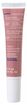
KORRES Apothecary Wild Rose Crème Yeux Coup D'Éclat
Works for
1 of 1 advertised claim delivered
Anti-agingSerine, Tocopherol + 2 moreModerate evidence
“This cream is an ally in reducing signs of fatigue and making the eyes glow.Actions anti-wrinkle,concealer,anti-puffiness,plumping,coup d'éclat.Dermatologically and ophthalmologically tested.Silicone-free, mineral oil-free.Contains 95.2% natural ingredients. Vegan.”
This product contains serine. This ingredient might be able to help reduce and prevent fine lines and wrinkles, improve skin elasticity and firmness, but there is not enough evidence that it actually works.
MoisturizingNot advertised by the brand · Urea, Helianthus annuus seed oil + 23 moreStrong evidence
This product can help improve hydration of the skin with the two types of ingredients.
The first type is called “humectants”:
these ingredients help attract water.
When humectants are on the surface of the skin, they “pull in” the moisture from the outside environment, or from
within deeper layers of the skin. The following ingredients in this product do the job:
betaine, glycerin.
This product also contains ingredients called “occlusives”. They help reduce the speed with which our skin loses moisture to the outside environment. These ingredients also help soften the upper layer of the skin, so it feels less tight and nicer to the touch. The following ingredients in this product do the job: caprylic/capric triglyceride, helianthus annuus seed oil.
The following ingredients in this product are especially good for supporting the skin barrier and helping with the hydration level: urea
Anti-oxidationNot advertised by the brand · Imperata cylindrica root extract, Lonicera caprifolium flower extract + 6 moreModerate evidence
This product contains antioxidants (imperata cylindrica root extract) that might be able to help neutralize free radicals in skin to lessen the damage it gets from the UV light (sun). There is not enough evidence to confirm their effectiveness in skin though.
Can it cause trouble?
Irritancy3 strong irritants: Rosmarinus officinalis extract, Parfum + 1 more — patch-test recommendedHigh risk
Comedogenic2 ingredients rated 2 or more on the 0–5 pore-clogging scale2 flagged


User reviews
Be the first — your take helps the next person decide.
Ingredients
Filter by role to see what each ingredient is doing.
Water~45–55%
Glycerin~4.7–5.7%
- Irritation risk
- Low
One of the best moisturizing ingredients. Naturally present in skin. It attracts water to the upper layer of the skin working as a humectant
More about GlycerinC13-15 alkane~4.2–5.1%
Caprylic/capric triglyceride~3.1–3.8%
- Irritation risk
- Medium
A good mix of fatty acids that forms a protective layer on the skin. Improves the shelf life of products. Derived from coconut and glycerin
More about Caprylic/capric triglycerideGlyceryl stearate citrate~2.3–2.8%
- Irritation risk
- Low
Helps oil and water mix together while softening the upper layer of the skin
More about Glyceryl stearate citrateCetearyl alcohol~1.9–2.4%
- Irritation risk
- Low
- Comedogenicity
- 2/5
A non-drying alcohol. Works as an emollient. Helps water and oil mix together and creates a nice product texture
More about Cetearyl alcoholBetaine~1.6–1.9%
- Irritation risk
- Low
Helps attract water to the upper layer of the skin and improves the product texture
More about BetaineImperata cylindrica root extract~1.5–1.8%
- Irritation risk
- Medium
A plat extract that might help neutralize free radicals in skin and attract water to its upper layer
More about Imperata cylindrica root extractAcrylates/c10-30 alkyl acrylate crosspolymer~1.3–1.5%
- Irritation risk
- Medium
Maintains the texture of skincare products. Allows the product to spread evenly. Helps oil and water mix together
More about Acrylates/c10-30 alkyl acrylate crosspolymerAlgin~1–1.2%
- Irritation risk
- Low
- Comedogenicity
- 3/5
Used to thicken product formulation. Can help attract water to the upper layer of the skin
More about AlginAscorbyl tetraisopalmitate~0.75–1.1%
- Irritation risk
- Medium
A vitamin C derivative. Studies show that is might be effective in reducing hyperpigmentation, but there are no studies confirming that it is effectively converted into the bioavailable form of Vitamin C in skin. It is not clear how this derivative compares in effectiveness to the topical application of bioavailable form of vitamin C (L-ascorbic acid)
More about Ascorbyl tetraisopalmitateBiotin~0.6–0.85%
- Irritation risk
- Low
Might have some moisturising properties. Is not effective when applied topically beyond some moisturizing effect
More about BiotinC10-18 triglycerides~0.55–0.85%
- Irritation risk
- Low
Helps soften the skin and attract water to its upper layer. Helps create nice product texture
More about C10-18 triglyceridesCaprylyl glycol~0.5–0.8%
- Irritation risk
- Medium
Helps preserve products and creates a nice product texture
More about Caprylyl glycolCarbomer~0.45–0.7%
- Irritation risk
- Low
Helps create a thicker or gel-like product texture. It is not a surfactant but can be used in gentle cleansing formulations
More about CarbomerCitric acid~0.45–0.7%
- Irritation risk
- Medium
Can work as an exfoliant but is typically used to adjust the product pH
More about Citric acidDisodium phosphate~0.45–0.65%
- Irritation risk
- Low
Helps adjust the product pH and stabilize the formulation
More about Disodium phosphateGlyceryl caprylate~0.45–0.7%
- Irritation risk
- Low
An emollient that can also help water and oil mix together, as well as prevent bacteria growth in products
More about Glyceryl caprylateGlyceryl polyacrylate~0.4–0.6%
- Irritation risk
- Low
Helps to create a nice product texture and spread the product more easily on the skin
More about Glyceryl polyacrylateHelianthus annuus seed oil~0.35–0.65%
- Irritation risk
- Low
A great emollient due to its high linoleic acid content. One of the most effective plant oils in helping skin hydration and repairing skin barrier function
More about Helianthus annuus seed oilHydrogenated lecithin~0.3–0.6%
- Irritation risk
- Low
Helps to retain moisture by creating a protective barrier on the skin. Rich in fatty acids. Improves product texture and helps with the penetration of other ingredients.
More about Hydrogenated lecithinHydrolyzed sodium hyaluronate~0.3–0.5%
- Irritation risk
- Low
Attracts water into the upper layer of the skin
More about Hydrolyzed sodium hyaluronateHydroxyethyl acrylate/sodium acryloyldimethyl taurate copolymer~0.3–0.5%
- Irritation risk
- Medium
A gelling agent that thickens the product consistency and leaves the skin with a velvety finish
More about Hydroxyethyl acrylate/sodium acryloyldimethyl taurate copolymerHydroxyethylcellulose~0.3–0.55%
- Irritation risk
- Low
Used to thicken product formulations and create gel-like textures
More about HydroxyethylcelluloseLactic acid~0.25–0.5%
- Irritation risk
- Medium
An exfoliating and moisturizing alpha-hydroxy acid (AHA). Typically causes less irritation than other AHAs, for example, glycolic acid. At high concentrations (about 15%), lactic acid can help reduce lines and wrinkles. Recent studies show that lactic acid can support the "good" bacteria living on skin's surface (healthy skin microbiome)
More about Lactic acidLonicera caprifolium flower extract~0.25–0.45%
- Irritation risk
- High
A plant extract that might help neutralize free radicals in skin. Can contain volalite oils and be irritating
More about Lonicera caprifolium flower extractLonicera japonica flower extract~0.25–0.5%
- Irritation risk
- High
A plant extract that might help neutralize free radicals in skin. Can contain volalite oils and be irritating
More about Lonicera japonica flower extractPeg-100 stearate~0.4–0.6%
- Irritation risk
- Low
Helps oil and water mix togehter and creates a nice product texture
More about Peg-100 stearatePentylene glycol~0.3–0.6%
- Irritation risk
- Medium
Used to preserve products, dissolve other ingredients and create a nice product texture
More about Pentylene glycolPolyglyceryl-3 stearate~0.3–0.55%
- Irritation risk
- Low
Helps oil and water mix together
More about Polyglyceryl-3 stearatePolysorbate 60~0.3–0.55%
Potassium phosphate~0.3–0.5%
Pullulan~0.3–0.55%
- Irritation risk
- High
Creates a thin drying film on the skin resulting in a short-term tightening effect
More about PullulanRhodiola rosea root extract~0.3–0.55%
- Irritation risk
- Low
Rosa canina fruit oil~0.3–0.55%
- Irritation risk
- Medium
A great emollient. Contains vitamin E (tocopherol) which may give it some anti-oxidant properties. Can contain volatile compounds and can be irritating
More about Rosa canina fruit oilRosmarinus officinalis extract~0.25–0.5%
- Irritation risk
- High
Saccharomyces cerevisiae extract~0.25–0.5%
- Irritation risk
- Medium
A moisturizing ingredient that works as a humectant to attract water to the upper layer of the skin.
More about Saccharomyces cerevisiae extractSaccharomyces/xylinum/black tea ferment~0.25–0.5%
- Irritation risk
- Low
A fermented sweet black tea. There is no studies on particular benefits of this ingredient in skin. It can help attract water to the upper layer of the skin, and might have some anti-oxidant effect. It is used in skincare for mostly marketing purposes because of the popularity of kombucha drinks
More about Saccharomyces/xylinum/black tea fermentSerine~0.25–0.5%
- Irritation risk
- Low
An amino-acid that helps to attract water to the upper layer of the skin. In combination with other amino-acids, might help to reduce fine lines and wrinkles
More about SerineSimmondsia chinensis seed oil~0.3–0.6%
- Irritation risk
- Medium
Softens the upper layer of skin and helps restore the healthy skin barrier. Has shown to help calm down inflammation in skin. It is a stable oil, meaning that it retains its properties even when exposed to air.
More about Simmondsia chinensis seed oilSodium citrate~0.25–0.5%
- Irritation risk
- Medium
Helps to control the skin's pH level. Maintains the skin's natural film of amino-lactic acids and oils. Helps to preserve products
More about Sodium citrateSodium hyaluronate~0.25–0.5%
- Irritation risk
- Low
One of the best moisturizing ingredients. Attracts water into the upper layer of the skin
More about Sodium hyaluronateSodium polyacrylate starch~0.25–0.5%
- Irritation risk
- Low
Used to create a thicker product consistency
More about Sodium polyacrylate starchSorbitan isostearate~0.3–0.5%
- Irritation risk
- Low
Helps oil and water mix together
More about Sorbitan isostearateTerminalia ferdinandiana fruit extract~0.25–0.5%
- Irritation risk
- Medium
A plant extract that might have some anti-oxidant effect in skin, but evidence is lacking
More about Terminalia ferdinandiana fruit extractTetrasodium glutamate diacetate~0.25–0.45%
- Irritation risk
- Low
Helps stabilize the product formulation
More about Tetrasodium glutamate diacetateTocopherol~0.25–0.45%
- Irritation risk
- Low
Pure form of vitamin E. Can help moisturise and protect the skin from free radicals. Often used to help stabilise other ingredients or the formula itself
More about TocopherolTocopheryl acetate~0.25–0.45%
- Irritation risk
- Medium
A more stable but less bio-available form of vitamin E compared to Tocopherol. Might help moisturize and protect the skin from free radicals, but mostly used in low concentrations to stabilize other ingredients.
More about Tocopheryl acetateTrehalose~0.25–0.45%
- Irritation risk
- Low
A sugar that attracts water to the upper layer of the skin
More about TrehaloseUrea~0.2–0.4%
- Irritation risk
- Low
Naturally present in skin (urea makes up about 7% of natural moisturizing factors in skin). Attracts water to the upper layer of the skin. Also has a positive effect on the skin barrier beyond the humectant action. Can enhance penetration of other ingredients. Is an exfoliating ingredient when used in high concentrations
More about UreaXanthan gum~0.2–0.4%
- Irritation risk
- Low
Used to create a thicker product consistency
More about Xanthan gumBenzyl alcohol~0.1–0.2%
- Irritation risk
- High
A preservative. Can be used to mask unpleasant smell. Can be irritating
More about Benzyl alcoholPhenoxyethanol~0.15–0.25%
- Irritation risk
- Low
A preservative. It helps prevent bacterial growth in cosmetic products
More about PhenoxyethanolPotassium sorbate~0.15–0.3%
Salicylic acid~0.15–0.3%
- Irritation risk
- High
Used for skin exfoliation. It has an anti-inflammatory and anti-bacterial effect, helps to unclog pores, prevent blemishes and speed up healing of the existing ones. Sometimes referred to as a BHA (beta-hydroxy acid)
More about Salicylic acidParfum~0.1–0.15%
- Irritation risk
- High
An aromatic blend of unspecified and possibly irritating ingredients
More about ParfumAlcohol denat.~0.1–0.15%
- Irritation risk
- High
Produces temporary toning effect. Can help dissolve other ingredients or preserve products
More about Alcohol denat.Ingredient list view
Water, Glycerin, C13-15 alkane, Caprylic/capric triglyceride, Glyceryl stearate citrate, Cetearyl alcohol, Betaine, Imperata cylindrica root extract, Acrylates/c10-30 alkyl acrylate crosspolymer, Algin, Ascorbyl tetraisopalmitate, Biotin, C10-18 triglycerides, Caprylyl glycol, Carbomer, Citric acid, Disodium phosphate, Glyceryl caprylate, Glyceryl polyacrylate, Helianthus annuus seed oil, Hydrogenated lecithin, Hydrolyzed sodium hyaluronate, Hydroxyethyl acrylate/sodium acryloyldimethyl taurate copolymer, Hydroxyethylcellulose, Lactic acid, Lonicera caprifolium flower extract, Lonicera japonica flower extract, Peg-100 stearate, Pentylene glycol, Polyglyceryl-3 stearate, Polysorbate 60, Potassium phosphate, Pullulan, Rhodiola rosea root extract, Rosa canina fruit oil, Rosmarinus officinalis extract, Saccharomyces cerevisiae extract, Saccharomyces/xylinum/black tea ferment, Serine, Simmondsia chinensis seed oil, Sodium citrate, Sodium hyaluronate, Sodium polyacrylate starch, Sorbitan isostearate, Terminalia ferdinandiana fruit extract, Tetrasodium glutamate diacetate, Tocopherol, Tocopheryl acetate, Trehalose, Urea, Xanthan gum, Benzyl alcohol, Phenoxyethanol, Potassium sorbate, Salicylic acid, Parfum, Alcohol denat.
Compare prices
Retailers ranked by price — lowest first.

Affiliate links · prices updated regularly
Worth comparing, line by line.
Match % combines shared ingredients, the first five ingredients, shared actives and hero ingredients, irritancy (lower counts in the alternative's favour), texture and body area. Only products in the same routine step are compared.
| KORRESApothecary Wild Rose Crème Yeux Coup D'ÉclatYOUR PRODUCT | UpCircle BeautyEye Cream with Maple and Coffee | PolaarEternal Snow Youthful Eye Contour with Arctic Flowers | Clark's BotanicalsAnti-Puff Eye Cream | |
|---|---|---|---|---|
| Match | — | 70% | 70% | 69% |
| Price | $25.55 | — | $52.48+$26.93 | $98.50+$72.95 |
| Shared key ingredients | — | 4 of 19 | 3 of 19 | 4 of 19 |
| Key difference | — | Butyrospermum Parkii Butter | Glycine Soja Oil | Niacinamide |
| Irritancy | High | Medium | Low | Medium |
| Drying alcohol | Contains drying alcohol | — | — | — |
| View product | Shop | Shop | Shop |


Product summary
Based on the ingredients included, "KORRES - Apothecary Wild Rose Crème Yeux Coup D'Éclat" works well for moisturizing the skin. To work well, any moisturizer needs to include a combination of water-binding and emollient ingredients. KORRES - Apothecary Wild Rose Crème Yeux Coup D'Éclat ticks this box. Urea, betaine, glycerin, imperata cylindrica root extract and saccharomyces cerevisiae extract in this product (humectants) attract water molecules to the upper layer of the skin (the water comes from the outside air or from the deeper layers of the skin if the air is dry). Emollients in this formulation (caprylic/capric triglyceride, helianthus annuus seed oil, c10-18 triglycerides, cetearyl alcohol and caprylyl glycol) help to reduce the moisture loss from the skin. They also soften the skin surface and relieve the feeling of dryness and tightness.
This product contains ingredients that could be beneficial, but their concentrations are too low in this formulation: salicylic acid, vitamin e, jojoba oil, rosehip oil, lactic acid and ascorbyl tetraisopalmitateIrritation risk
We assess the overall irritancy of this moisturizer to be high. For a detailed overview of all potential irritants: click here
You can see the detailed formula review with the breakdown of all actives in the product and the full ingredient list with estimated concentrations in the tables below.
About the brand
According to Cruelty-Free Kitty "KORRES" is cruelty free, but its parent company is not.
Price
The product retails for 19.11£ in the United Kingdom.
For a detailed price comparison: click here.
Sources cited in this review
Every concentration estimate and effectiveness label is anchored to one of these 25 studies and safety reviews.
- 1
- 2Allergic contact dermatitis from grassespubmed.ncbi.nlm.nih.gov
- 3
- 4
- 5
- 6

Affiliate links · As an Amazon Associate, WIMJ earns from qualifying purchases.