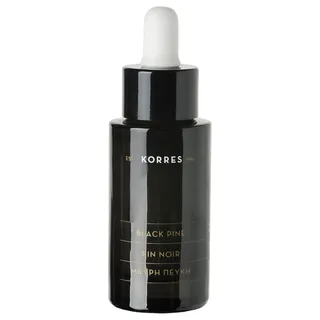
KORRES 3D Black Pine Sleeping Facial

KORRES 3D Black Pine Sleeping Facial

Efficacy83/100IrritancyHigh

Works for

Moisturizing
Hexapeptide-11, Caprylic/capric triglyceride + 21 more
Works well
What the product description says
“The mask plumps the skin with moisture to smooth out the appearance of fine lines and wrinkles.”
Source: Lookfantastic

This product can help improve hydration of the skin with the two types of ingredients.

The first type is called “humectants”:
these ingredients help attract water. When humectants are on the surface of the skin, they “pull in” the moisture from the outside environment, or from within deeper layers of the skin. The following ingredients in this product do the job: glycerin, butylene glycol.

This product also contains ingredients called “occlusives”. They help reduce the speed with which our skin loses moisture to the outside environment. These ingredients also help soften the upper layer of the skin, so it feels less tight and nicer to the touch. The following ingredients in this product do the job: caprylic/capric triglyceride, helianthus annuus seed oil.

The following ingredients in this product are especially good for supporting the skin barrier and helping with the hydration level: hexapeptide-11

Hexapeptide-11HeroEffect: HighA type of peptide. Peptides are excellent moisturizers and might be able support collagen production reducing fine lines and wrinkles~0.25–0.5%
Caprylic/capric triglycerideKey active· Emollient, OcclusiveEffect: HighA good mix of fatty acids that forms a protective layer on the skin. Improves the shelf life of products. Derived from coconut and glycerin~3.3–4%
GlycerinKey active· HumectantEffect: HighOne of the best moisturizing ingredients. Naturally present in skin. It attracts water to the upper layer of the skin working as a humectant~2.4–3%
Cetearyl alcoholKey active· EmollientEffect: MediumA non-drying alcohol. Works as an emollient. Helps water and oil mix together and creates a nice product texture~2–2.4%
Cetyl palmitateKey active· EmollientEffect: MediumAn emollient that helps soften the skin and is used to improve product texture and stability~1.2–1.5%
Crambe abyssinica seed oilKey activeEffect: MediumHelps soften the upper layer of the skin~0.95–1.15%
SqualaneKey active· Emollient, OcclusiveEffect: HighAn oil naturally present in skin. Works as an emollient to soften the skin and form a protective layer on its surface without a greasy feeling.~0.6–0.85%
Ethyl linoleateKey active· EmollientEffect: HighHelps reduce acne and blemishes. Helps to soften the upper layer of the skin and reduce inflammation. Might be helpful in reducing hyperpigmentation and evening out the skin tone, but evidence of effectiveness in skin are lacking~0.45–0.7%
Helianthus annuus seed oilKey active· Emollient, OcclusiveEffect: HighA great emollient due to its high linoleic acid content. One of the most effective plant oils in helping skin hydration and repairing skin barrier function~0.3–0.55%
Sesamum indicum seed extractKey activeEffect: HighPlant oil that due to its high content of linoleic acid can help support skin's barrier function improving its hydration~0.2–0.4%
Caprylic/capric/myristic/stearic triglyceride· EmollientEffect: LowHelps to soften the upper layer of the skin~5–6.2%
Glyceryl stearate citrate· EmollientEffect: LowHelps oil and water mix together while softening the upper layer of the skin~1.7–2%
Olus oil· EmollientEffect: LowAn oil from a mixture of different vegetables. Helps soften the upper layer of the skin~0.75–1.1%
Passiflora incarnata seed oilEffect: LowA plant oil that can help soften the upper layer of the skin. Contains essential oil that can be irritating~0.6–0.85%
Behenyl alcohol· Emollient, OcclusiveEffect: LowNon-drying alcohol that helps water and oil mix together. Also serves as an emollient~0.55–0.8%
Glyceryl caprylate· EmollientEffect: LowAn emollient that can also help water and oil mix together, as well as prevent bacteria growth in products~0.35–0.6%
Pentylene glycol· EmollientEffect: LowUsed to preserve products, dissolve other ingredients and create a nice product texture~0.3–0.6%
Butylene glycol· HumectantEffect: LowUsed to create a nice product texture and help delivery of other ingredients. Might be somewhat helpful in attracting water to the upper layer of the skin~0.3–0.55%
Epigallocatechin gallateEffect: LowA polyphenol found in tea. This particular compound abbreviated EGCG is the most powerful antioxidant among those extracted from tea (usually green tea). Unfortunately, EGCG is unstable, requires a low pH (below 4) to prevent quick degradation, and does not penetrate the skin very well. This is why the full anti-oxidant effect of EGCG is typically not realized when it is added to topical skincare~0.3–0.5%
Ethyl oleate· EmollientEffect: LowEthyl oleate is a long-chain fatty acid ethyl ester resulting from the formal condensation of the carboxy group of oleic acid with the hydroxy group of ethanol. It derives from an oleic acid. In skincare, it is used to soften the upper layer of the skin, improve the product texture and smell~0.3–0.55%
LecithinEffect: Low, below effective doseUsed mostly for creating emulsions - helping oil and water mix together. Helps soften the upper layer of the skin~0.3–0.6%
TocopherolEffect: Low, below effective dosePure form of vitamin E. Can help moisturise and protect the skin from free radicals. Often used to help stabilise other ingredients or the formula itself~0.15–0.3%
Lactic acidUnder-dosedAn exfoliating and moisturizing alpha-hydroxy acid (AHA). Typically causes less irritation than other AHAs, for example, glycolic acid. At high concentrations (about 15%), lactic acid can help reduce lines and wrinkles. Recent studies show that lactic acid can support the "good" bacteria living on skin's surface (healthy skin microbiome)~0.25–0.5%
Anti-aging
Epigallocatechin gallate, Epigallocatechin gallatyl glucoside + 4 more
May help
What the product description says
“The mask plumps the skin with moisture to smooth out the appearance of fine lines and wrinkles.”
Source: Lookfantastic

This product contains epigallocatechin gallate, epigallocatechin gallatyl glucoside, hexapeptide-11. There is some human evidence that these ingredients help reduce and prevent fine lines and wrinkles and improve skin elasticity and firmness, though it is smaller or less consistent than the evidence for the best anti-aging ingredients.

Epigallocatechin gallateKey activeEffect: MediumA polyphenol found in tea. This particular compound abbreviated EGCG is the most powerful antioxidant among those extracted from tea (usually green tea). Unfortunately, EGCG is unstable, requires a low pH (below 4) to prevent quick degradation, and does not penetrate the skin very well. This is why the full anti-oxidant effect of EGCG is typically not realized when it is added to topical skincare~0.3–0.5%
Epigallocatechin gallatyl glucosideKey activeEffect: MediumA synthetic version of green tea polyphenol that helps neutralize free radicals in skin~0.25–0.5%
Hexapeptide-11Key activeEffect: MediumA type of peptide. Peptides are excellent moisturizers and might be able support collagen production reducing fine lines and wrinkles~0.25–0.5%
Ascorbyl palmitateEffect: Low, below effective doseBeing a lipid soluble form of vitamin C, it is more stable and can penetrate the skin better than L-Ascorbic acid. It is effective in protecting the skin from free radicals, as well as evening the skin tone, but is less effective in stimulating collagen production compared to L-Ascorbic acid.~0.4–0.6%
TocopherolEffect: Low, below effective dosePure form of vitamin E. Can help moisturise and protect the skin from free radicals. Often used to help stabilise other ingredients or the formula itself~0.15–0.3%
Lactic acidUnder-dosedAn exfoliating and moisturizing alpha-hydroxy acid (AHA). Typically causes less irritation than other AHAs, for example, glycolic acid. At high concentrations (about 15%), lactic acid can help reduce lines and wrinkles. Recent studies show that lactic acid can support the "good" bacteria living on skin's surface (healthy skin microbiome)~0.25–0.5%
Evens skin tone
Epigallocatechin gallate, Ethyl linoleate + 2 more
May help
What the product description says
“Working to visibly improve tone and texture, the mask plumps the skin with moisture to smooth out the appearance of fine lines and wrinkles.”
Source: Lookfantastic

The following ingredient (ingredients) in this product might be helpful, but there is no evidence to confirm that it actually works: epigallocatechin gallate, ethyl linoleate.

Epigallocatechin gallateKey activeEffect: MediumA polyphenol found in tea. This particular compound abbreviated EGCG is the most powerful antioxidant among those extracted from tea (usually green tea). Unfortunately, EGCG is unstable, requires a low pH (below 4) to prevent quick degradation, and does not penetrate the skin very well. This is why the full anti-oxidant effect of EGCG is typically not realized when it is added to topical skincare~0.3–0.5%
Ethyl linoleateEffect: LowHelps reduce acne and blemishes. Helps to soften the upper layer of the skin and reduce inflammation. Might be helpful in reducing hyperpigmentation and evening out the skin tone, but evidence of effectiveness in skin are lacking~0.45–0.7%
Salicylic acidEffect: Low, below effective doseUsed for skin exfoliation. It has an anti-inflammatory and anti-bacterial effect, helps to unclog pores, prevent blemishes and speed up healing of the existing ones. Sometimes referred to as a BHA (beta-hydroxy acid)~0.25–0.45%
Lactic acidUnder-dosedAn exfoliating and moisturizing alpha-hydroxy acid (AHA). Typically causes less irritation than other AHAs, for example, glycolic acid. At high concentrations (about 15%), lactic acid can help reduce lines and wrinkles. Recent studies show that lactic acid can support the "good" bacteria living on skin's surface (healthy skin microbiome)~0.25–0.5%
Anti-oxidation
Side benefit · Epigallocatechin gallate, Epigallocatechin gallatyl glucoside + 6 more
Works well

This product contains antioxidants (epigallocatechin gallatyl glucoside) that can help neutralize free radicals in skin. By doing so, they can lessen the damage the skin gets from the UV light (sun).

The following ingredients - epigallocatechin gallate also can have an antioxidant effect, but there is less evidence to confirm their effectiveness in skin.

Epigallocatechin gallateKey activeEffect: MediumA polyphenol found in tea. This particular compound abbreviated EGCG is the most powerful antioxidant among those extracted from tea (usually green tea). Unfortunately, EGCG is unstable, requires a low pH (below 4) to prevent quick degradation, and does not penetrate the skin very well. This is why the full anti-oxidant effect of EGCG is typically not realized when it is added to topical skincare~0.3–0.5%
Epigallocatechin gallatyl glucosideKey activeEffect: HighA synthetic version of green tea polyphenol that helps neutralize free radicals in skin~0.25–0.5%
Lonicera japonica flower extractEffect: LowA plant extract that might help neutralize free radicals in skin. Can contain volalite oils and be irritating~0.25–0.5%
Lonicera caprifolium flower extractEffect: LowA plant extract that might help neutralize free radicals in skin. Can contain volalite oils and be irritating~0.25–0.45%
Peucedanum graveolens extractEffect: LowA plant extract. Might have an antioxidant effect. Can be used as a fragrance~0.25–0.5%
Ascorbyl palmitateEffect: Low, below effective doseBeing a lipid soluble form of vitamin C, it is more stable and can penetrate the skin better than L-Ascorbic acid. It is effective in protecting the skin from free radicals, as well as evening the skin tone, but is less effective in stimulating collagen production compared to L-Ascorbic acid.~0.4–0.6%
Tocopheryl acetateEffect: Low, below effective doseA more stable but less bio-available form of vitamin E compared to Tocopherol. Might help moisturize and protect the skin from free radicals, but mostly used in low concentrations to stabilize other ingredients.~0.1–0.25%
TocopherolUnder-dosedPure form of vitamin E. Can help moisturise and protect the skin from free radicals. Often used to help stabilise other ingredients or the formula itself~0.15–0.3%
Anti-blemish
Side benefit the brand mentions · Ethyl linoleate, Epigallocatechin gallate + 1 more
May help
What the product description says
“3D Black Pine Sleeping Facial”
From product name

This product might be able to help reduce blemishes and clogged pores because it contains ethyl linoleate.

The following ingredient (ingredients) in this product might be helpful, but there is no evidence to confirm that it actually works: epigallocatechin gallate

Ethyl linoleateKey activeEffect: HighHelps reduce acne and blemishes. Helps to soften the upper layer of the skin and reduce inflammation. Might be helpful in reducing hyperpigmentation and evening out the skin tone, but evidence of effectiveness in skin are lacking~0.45–0.7%
Epigallocatechin gallateKey activeEffect: MediumA polyphenol found in tea. This particular compound abbreviated EGCG is the most powerful antioxidant among those extracted from tea (usually green tea). Unfortunately, EGCG is unstable, requires a low pH (below 4) to prevent quick degradation, and does not penetrate the skin very well. This is why the full anti-oxidant effect of EGCG is typically not realized when it is added to topical skincare~0.3–0.5%
Salicylic acidUnder-dosedUsed for skin exfoliation. It has an anti-inflammatory and anti-bacterial effect, helps to unclog pores, prevent blemishes and speed up healing of the existing ones. Sometimes referred to as a BHA (beta-hydroxy acid)~0.25–0.45%

Can it cause trouble?

Irritancy
9 strong irritants: Passiflora incarnata seed oil, Alpha-isomethyl ionone + 7 more — patch-test recommended
High risk
We flagged 27 ingredients with irritancy potential. Severity depends on your sensitivity threshold; the table lists the worst offenders first.
IngredientFunctionIrritationEst. amount
Passiflora incarnata seed oilA plant oil that can help soften the upper layer of the skin. Contains essential oil that can be irritatingHigh~0.6–0.85%est.
Alpha-isomethyl iononeA fragrance. Potential allergen and can be irritatingHigh~0.4–0.6%est.
Benzyl alcoholA preservative. Can be used to mask unpleasant smell. Can be irritatingHigh~0.3–0.55%est.
Benzyl salicylateA fragrance. Is a likely irritantHigh~0.3–0.5%est.
CitronellolA fragrance. Can be irritatingHigh~0.25–0.5%est.
CoumarinA fragrance. Is a likely skin allergen and can be irritatingHigh~0.25–0.5%est.
Hexyl cinnamalA fragrance with jasmine smell. A likely irritantHigh~0.25–0.5%est.
LinaloolA fragrance. Can be irritatingHigh~0.25–0.5%est.
Lonicera caprifolium flower extractA plant extract that might help neutralize free radicals in skin. Can contain volalite oils and be irritatingHigh~0.25–0.45%est.
Lonicera japonica flower extractA plant extract that might help neutralize free radicals in skin. Can contain volalite oils and be irritatingHigh~0.25–0.5%est.
ParfumAn aromatic blend of unspecified and possibly irritating ingredientsHigh~0.25–0.45%est.
Peucedanum graveolens extractA plant extract. Might have an antioxidant effect. Can be used as a fragranceHigh~0.25–0.5%est.
Salicylic acidUsed for skin exfoliation. It has an anti-inflammatory and anti-bacterial effect, helps to unclog pores, prevent blemishes and speed up healing of the existing ones. Sometimes referred to as a BHA (beta-hydroxy acid)High~0.25–0.45%est.
Spilanthes acmella flower extractPlant extract that might hep calm down inflammation in skinHigh~0.15–0.3%est.
Caprylic/capric triglycerideA good mix of fatty acids that forms a protective layer on the skin. Improves the shelf life of products. Derived from coconut and glycerinMedium~3.3–4%est.
Isoamyl laurateHelps stabilize emulsions and create a nice product textureMedium~1.4–1.7%est.
Crambe abyssinica seed oilHelps soften the upper layer of the skinMedium~0.95–1.15%est.
Ethyl linoleateHelps reduce acne and blemishes. Helps to soften the upper layer of the skin and reduce inflammation. Might be helpful in reducing hyperpigmentation and evening out the skin tone, but evidence of effectiveness in skin are lackingMedium~0.45–0.7%est.
Ascorbyl palmitateBeing a lipid soluble form of vitamin C, it is more stable and can penetrate the skin better than L-Ascorbic acid. It is effective in protecting the skin from free radicals, as well as evening the skin tone, but is less effective in stimulating collagen production compared to L-Ascorbic acid.Medium~0.4–0.6%est.
Citric acidCan work as an exfoliant but is typically used to adjust the product pHMedium~0.3–0.5%est.
Ethyl oleateEthyl oleate is a long-chain fatty acid ethyl ester resulting from the formal condensation of the carboxy group of oleic acid with the hydroxy group of ethanol. It derives from an oleic acid. In skincare, it is used to soften the upper layer of the skin, improve the product texture and smellMedium~0.3–0.55%est.
Lactic acidAn exfoliating and moisturizing alpha-hydroxy acid (AHA). Typically causes less irritation than other AHAs, for example, glycolic acid. At high concentrations (about 15%), lactic acid can help reduce lines and wrinkles. Recent studies show that lactic acid can support the "good" bacteria living on skin's surface (healthy skin microbiome)Medium~0.25–0.5%est.
Pentylene glycolUsed to preserve products, dissolve other ingredients and create a nice product textureMedium~0.3–0.6%est.
Potassium sorbateA preservativeMedium~0.25–0.5%est.
Sodium citrateHelps to control the skin's pH level. Maintains the skin's natural film of amino-lactic acids and oils. Helps to preserve productsMedium~0.2–0.4%est.
Sorbic acidA preservativeMedium~0.15–0.3%est.
Tocopheryl acetateA more stable but less bio-available form of vitamin E compared to Tocopherol. Might help moisturize and protect the skin from free radicals, but mostly used in low concentrations to stabilize other ingredients.Medium~0.1–0.25%est.
Comedogenic
1 ingredient rated 2 or more on the 0–5 pore-clogging scale
1 flagged
These ingredients have a comedogenic rating of 2 or more on a 0–5 scale; the table shows each one's rating. In leave-on products they can clog pores in acne-prone skin.
IngredientFunctionRatingEst. amount
Cetearyl alcoholA non-drying alcohol. Works as an emollient. Helps water and oil mix together and creates a nice product texture2/5~2–2.4%est.

User reviews

Would you recommend?
No community reviews yet.

Be the first — your take helps the next person decide.

Ingredients

Filter by role to see what each ingredient is doing.

Water~45–55%
Formula
Irritation risk
Low

Plain old water

More about Water
Caprylic/capric/myristic/stearic triglyceride~5–6.2%
Formula
Irritation risk
Low
Works for
Moisturizing

Helps to soften the upper layer of the skin

More about Caprylic/capric/myristic/stearic triglyceride
Propanediol~4.2–5.1%
Formula
Irritation risk
Low

Acts as a solvent for other ingredients. Speeds up the absorption of other ingredients into the skin

More about Propanediol
Caprylic/capric triglyceride~3.3–4%
Key activeIrritant · medium
Irritation risk
Medium
Works for
Moisturizing

A good mix of fatty acids that forms a protective layer on the skin. Improves the shelf life of products. Derived from coconut and glycerin

More about Caprylic/capric triglyceride
Glycerin~2.4–3%
Key active
Irritation risk
Low
Works for
Moisturizing

One of the best moisturizing ingredients. Naturally present in skin. It attracts water to the upper layer of the skin working as a humectant

More about Glycerin
Cetearyl alcohol~2–2.4%
Key activeComedogenic 2/5
Irritation risk
Low
Comedogenicity
2/5
Works for
CleansingMoisturizing

A non-drying alcohol. Works as an emollient. Helps water and oil mix together and creates a nice product texture

More about Cetearyl alcohol
Glyceryl stearate citrate~1.7–2%
Formula
Irritation risk
Low
Works for
CleansingMoisturizing

Helps oil and water mix together while softening the upper layer of the skin

More about Glyceryl stearate citrate
Isoamyl laurate~1.4–1.7%
Irritant · medium
Irritation risk
Medium

Helps stabilize emulsions and create a nice product texture

More about Isoamyl laurate
Cetyl palmitate~1.2–1.5%
Key active
Irritation risk
Low
Works for
Moisturizing

An emollient that helps soften the skin and is used to improve product texture and stability

More about Cetyl palmitate
Crambe abyssinica seed oil~0.95–1.15%
Key activeIrritant · medium
Irritation risk
Medium
Works for
Moisturizing

Helps soften the upper layer of the skin

More about Crambe abyssinica seed oil
Olus oil~0.75–1.1%
Formula
Irritation risk
Low
Works for
Moisturizing

An oil from a mixture of different vegetables. Helps soften the upper layer of the skin

More about Olus oil
Passiflora incarnata seed oil~0.6–0.85%
Irritant · high
Irritation risk
High
Works for
Moisturizing

A plant oil that can help soften the upper layer of the skin. Contains essential oil that can be irritating

More about Passiflora incarnata seed oil
Squalane~0.6–0.85%
Key active
Irritation risk
Low
Works for
Moisturizing

An oil naturally present in skin. Works as an emollient to soften the skin and form a protective layer on its surface without a greasy feeling.

More about Squalane
Sinorhizobium meliloti ferment filtrate~0.45–0.7%
Formula
Ethyl linoleate~0.45–0.7%
Key activeIrritant · medium
Irritation risk
Medium
Works for
Anti-blemishMoisturizingAnti-inflammatoryEvens skin tone

Helps reduce acne and blemishes. Helps to soften the upper layer of the skin and reduce inflammation. Might be helpful in reducing hyperpigmentation and evening out the skin tone, but evidence of effectiveness in skin are lacking

More about Ethyl linoleate
Behenyl alcohol~0.55–0.8%
Formula
Irritation risk
Low
Works for
Moisturizing

Non-drying alcohol that helps water and oil mix together. Also serves as an emollient

More about Behenyl alcohol
Alpha-isomethyl ionone~0.4–0.6%
Irritant · high
Irritation risk
High

A fragrance. Potential allergen and can be irritating

More about Alpha-isomethyl ionone
Ascorbyl palmitate~0.4–0.6%
Irritant · medium
Irritation risk
Medium
Works for
Anti-oxidationAnti-aging

Being a lipid soluble form of vitamin C, it is more stable and can penetrate the skin better than L-Ascorbic acid. It is effective in protecting the skin from free radicals, as well as evening the skin tone, but is less effective in stimulating collagen production compared to L-Ascorbic acid.

More about Ascorbyl palmitate
Avena strigosa seed extract~0.35–0.6%
Formula
Benzyl alcohol~0.3–0.55%
Irritant · high
Irritation risk
High

A preservative. Can be used to mask unpleasant smell. Can be irritating

More about Benzyl alcohol
Benzyl salicylate~0.3–0.5%
Irritant · high
Irritation risk
High

A fragrance. Is a likely irritant

More about Benzyl salicylate
Butylene glycol~0.3–0.55%
Formula
Irritation risk
Low
Works for
Moisturizing

Used to create a nice product texture and help delivery of other ingredients. Might be somewhat helpful in attracting water to the upper layer of the skin

More about Butylene glycol
Cetyl hydroxyethylcellulose~0.3–0.55%
Formula
Irritation risk
Low

Used to create a thicker product consistency and stabilize formulations

More about Cetyl hydroxyethylcellulose
Citric acid~0.3–0.5%
Irritant · medium
Irritation risk
Medium

Can work as an exfoliant but is typically used to adjust the product pH

More about Citric acid
Citronellol~0.25–0.5%
Irritant · high
Irritation risk
High

A fragrance. Can be irritating

More about Citronellol
Coumarin~0.25–0.5%
Irritant · high
Irritation risk
High

A fragrance. Is a likely skin allergen and can be irritating

More about Coumarin
Dimethyl isosorbide~0.3–0.5%
Formula
Irritation risk
Low

Used to dissolve other ingredients in a product and can enhance their ability to penetrate the skin

More about Dimethyl isosorbide
Epigallocatechin gallate~0.3–0.5%
Key active
Irritation risk
Low
Works for
Anti-agingEvens skin toneAnti-blemishAnti-oxidationMoisturizing

A polyphenol found in tea. This particular compound abbreviated EGCG is the most powerful antioxidant among those extracted from tea (usually green tea). Unfortunately, EGCG is unstable, requires a low pH (below 4) to prevent quick degradation, and does not penetrate the skin very well. This is why the full anti-oxidant effect of EGCG is typically not realized when it is added to topical skincare

More about Epigallocatechin gallate
Epigallocatechin gallatyl glucoside~0.25–0.5%
Key active
Irritation risk
Low
Works for
Anti-oxidationAnti-aging

A synthetic version of green tea polyphenol that helps neutralize free radicals in skin

More about Epigallocatechin gallatyl glucoside
Ethyl linolenate~0.3–0.6%
Formula
Ethyl oleate~0.3–0.55%
Irritant · medium
Irritation risk
Medium
Works for
Moisturizing

Ethyl oleate is a long-chain fatty acid ethyl ester resulting from the formal condensation of the carboxy group of oleic acid with the hydroxy group of ethanol. It derives from an oleic acid. In skincare, it is used to soften the upper layer of the skin, improve the product texture and smell

More about Ethyl oleate
Ethyl palmitate~0.3–0.55%
Formula
Ethyl stearate~0.3–0.55%
Formula
Irritation risk
Low
More about Ethyl stearate
Glyceryl caprylate~0.35–0.6%
Formula
Irritation risk
Low
Works for
CleansingMoisturizing

An emollient that can also help water and oil mix together, as well as prevent bacteria growth in products

More about Glyceryl caprylate
Helianthus annuus seed oil~0.3–0.55%
Key active
Irritation risk
Low
Works for
Moisturizing

A great emollient due to its high linoleic acid content. One of the most effective plant oils in helping skin hydration and repairing skin barrier function

More about Helianthus annuus seed oil
Hexapeptide-11~0.25–0.5%
Hero · Moisturizing
Irritation risk
Low
Works for
MoisturizingAnti-aging

A type of peptide. Peptides are excellent moisturizers and might be able support collagen production reducing fine lines and wrinkles

More about Hexapeptide-11
Hexyl cinnamal~0.25–0.5%
Irritant · high
Irritation risk
High

A fragrance with jasmine smell. A likely irritant

More about Hexyl cinnamal
Lactic acid~0.25–0.5%
Under-dosedIrritant · medium
Irritation risk
Medium
Works for
ExfoliationEvens skin toneMoisturizingAnti-aging

An exfoliating and moisturizing alpha-hydroxy acid (AHA). Typically causes less irritation than other AHAs, for example, glycolic acid. At high concentrations (about 15%), lactic acid can help reduce lines and wrinkles. Recent studies show that lactic acid can support the "good" bacteria living on skin's surface (healthy skin microbiome)

More about Lactic acid
Lecithin~0.3–0.6%
Formula
Irritation risk
Low
Works for
CleansingMoisturizing

Used mostly for creating emulsions - helping oil and water mix together. Helps soften the upper layer of the skin

More about Lecithin
Linalool~0.25–0.5%
Irritant · high
Irritation risk
High

A fragrance. Can be irritating

More about Linalool
Lonicera caprifolium flower extract~0.25–0.45%
Irritant · high
Irritation risk
High
Works for
Anti-oxidation

A plant extract that might help neutralize free radicals in skin. Can contain volalite oils and be irritating

More about Lonicera caprifolium flower extract
Lonicera japonica flower extract~0.25–0.5%
Irritant · high
Irritation risk
High
Works for
Anti-oxidation

A plant extract that might help neutralize free radicals in skin. Can contain volalite oils and be irritating

More about Lonicera japonica flower extract
Parfum~0.25–0.45%
Irritant · high
Irritation risk
High

An aromatic blend of unspecified and possibly irritating ingredients

More about Parfum
Pentylene glycol~0.3–0.6%
Irritant · medium
Irritation risk
Medium
Works for
Moisturizing

Used to preserve products, dissolve other ingredients and create a nice product texture

More about Pentylene glycol
Peucedanum graveolens extract~0.25–0.5%
Irritant · high
Irritation risk
High
Works for
Anti-oxidation

A plant extract. Might have an antioxidant effect. Can be used as a fragrance

More about Peucedanum graveolens extract
Phenoxyethanol~0.3–0.55%
Formula
Irritation risk
Low

A preservative. It helps prevent bacterial growth in cosmetic products

More about Phenoxyethanol
Pinus nigra bud/needle extract~0.3–0.5%
Formula
Potassium sorbate~0.25–0.5%
Irritant · medium
Irritation risk
Medium

A preservative

More about Potassium sorbate
Salicylic acid~0.25–0.45%
Under-dosedIrritant · high
Irritation risk
High
Works for
ExfoliationAnti-inflammatoryAnti-blemishAntibacterialEvens skin tone

Used for skin exfoliation. It has an anti-inflammatory and anti-bacterial effect, helps to unclog pores, prevent blemishes and speed up healing of the existing ones. Sometimes referred to as a BHA (beta-hydroxy acid)

More about Salicylic acid
Sesamum indicum seed extract~0.2–0.4%
Key active
Irritation risk
Low
Works for
Moisturizing

Plant oil that due to its high content of linoleic acid can help support skin's barrier function improving its hydration

More about Sesamum indicum seed extract
Sodium benzoate~0.2–0.4%
Formula
Irritation risk
Low

A preservative

More about Sodium benzoate
Sodium carboxymethyl beta-glucan~0.65–0.95%
Formula
Irritation risk
Low

Helps thicken the product formulation and create a gel-like texture

More about Sodium carboxymethyl beta-glucan
Sodium citrate~0.2–0.4%
Irritant · medium
Irritation risk
Medium

Helps to control the skin's pH level. Maintains the skin's natural film of amino-lactic acids and oils. Helps to preserve products

More about Sodium citrate
Sorbic acid~0.15–0.3%
Irritant · medium
Irritation risk
Medium

A preservative

More about Sorbic acid
Spilanthes acmella flower extract~0.15–0.3%
Irritant · high
Irritation risk
High
Works for
Anti-inflammatory

Plant extract that might hep calm down inflammation in skin

More about Spilanthes acmella flower extract
Tetrasodium glutamate diacetate~0.15–0.3%
Formula
Irritation risk
Low

Helps stabilize the product formulation

More about Tetrasodium glutamate diacetate
Tocopherol~0.15–0.3%
Under-dosed
Irritation risk
Low
Works for
Anti-oxidationAnti-agingAnti-inflammatoryMoisturizing

Pure form of vitamin E. Can help moisturise and protect the skin from free radicals. Often used to help stabilise other ingredients or the formula itself

More about Tocopherol
Tocopheryl acetate~0.1–0.25%
Irritant · medium
Irritation risk
Medium
Works for
Anti-oxidation

A more stable but less bio-available form of vitamin E compared to Tocopherol. Might help moisturize and protect the skin from free radicals, but mostly used in low concentrations to stabilize other ingredients.

More about Tocopheryl acetate
Xanthan gum~0.1–0.2%
Formula
Irritation risk
Low
Works for
Cleansing

Used to create a thicker product consistency

More about Xanthan gum
Ingredient list view

Water, Caprylic/capric/myristic/stearic triglyceride, Propanediol, Caprylic/capric triglyceride, Glycerin, Cetearyl alcohol, Glyceryl stearate citrate, Isoamyl laurate, Cetyl palmitate, Crambe abyssinica seed oil, Olus oil, Passiflora incarnata seed oil, Squalane, Sinorhizobium meliloti ferment filtrate, Ethyl linoleate, Behenyl alcohol, Alpha-isomethyl ionone, Ascorbyl palmitate, Avena strigosa seed extract, Benzyl alcohol, Benzyl salicylate, Butylene glycol, Cetyl hydroxyethylcellulose, Citric acid, Citronellol, Coumarin, Dimethyl isosorbide, Epigallocatechin gallate, Epigallocatechin gallatyl glucoside, Ethyl linolenate, Ethyl oleate, Ethyl palmitate, Ethyl stearate, Glyceryl caprylate, Helianthus annuus seed oil, Hexapeptide-11, Hexyl cinnamal, Lactic acid, Lecithin, Linalool, Lonicera caprifolium flower extract, Lonicera japonica flower extract, Parfum, Pentylene glycol, Peucedanum graveolens extract, Phenoxyethanol, Pinus nigra bud/needle extract, Potassium sorbate, Salicylic acid, Sesamum indicum seed extract, Sodium benzoate, Sodium carboxymethyl beta-glucan, Sodium citrate, Sorbic acid, Spilanthes acmella flower extract, Tetrasodium glutamate diacetate, Tocopherol, Tocopheryl acetate, Xanthan gum

Compare prices

Retailers ranked by price — lowest first.

Amazon US
Price unavailable Out of stock
Check
Amazon US
Price unavailable Out of stock
Check

Affiliate links · As an Amazon Associate, WIMJ earns from qualifying purchases.

Worth comparing, line by line.

Match % combines shared ingredients, the first five ingredients, shared actives and hero ingredients, irritancy (lower counts in the alternative's favour), texture and body area. Only products in the same routine step are compared.

Side-by-side comparison of this product against its closest alternatives
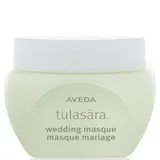
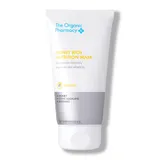
KORRES3D Black Pine Sleeping FacialYOUR PRODUCTDrunk ElephantF-Balm Electrolyte Waterfacial Hydrating MaskAvedaTulasara Wedding Face MasqueThe Organic PharamcyHoney Rich Nutrition Mask
Match—73%71%70%
Price$50.40$35.89−$14.51——
Shared key ingredients—4 of 124 of 125 of 12
Key difference—NiacinamideTetrahexyldecyl AscorbateSodium Lactate
Irritancy High Medium High High
Drying alcohol————
View product Shop Shop Shop

More alternatives: Jan Marini Retinol Plus MaskInstitut Esthederm Intensive Propolis + Purifying Mask

Cheaper alternatives? See how this stacks up against similar formulas.
We compare ingredient profiles across our catalog — pick the closest match for your budget.
Open dupe finder

Sources cited in this review

Every concentration estimate and effectiveness label is anchored to one of these 25 studies and safety reviews.

  1. 1
  2. 2
  3. 3
  4. 4
  5. 5
  6. 6
KORRES 3D Black Pine Sleeping Facial
KORRES3D Black Pine Sleeping Facial

Affiliate links · As an Amazon Associate, WIMJ earns from qualifying purchases.

As an Amazon Associate, WIMJ earns from qualifying purchases.