Works for:
based on ingredients and %- Moisturizing
Can it cause trouble?
- Irritation risk: medium
- Comedogenic risk ingredients: 2
Key actives
Works for
Moisturizing
What does the product description say?
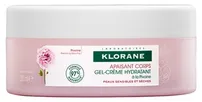
Soothing Body Peony Moisturizing Gel-Cream
Source: From product name
This product can help improve hydration of the skin with the two types of ingredients.
The first type is called “humectants”:
these ingredients help attract water.
When humectants are on the surface of the skin, they “pull in” the moisture from the outside environment, or from
within deeper layers of the skin. The following ingredients in this product do the job:
betaine, glycerin.
This product also contains ingredients called “occlusives”. They help reduce the speed with which our skin loses moisture to the outside environment. These ingredients also help soften the upper layer of the skin, so it feels less tight and nicer to the touch. The following ingredients in this product do the job: caprylic/capric triglyceride, cocos nucifera oil.
Helps attract water to the upper layer of the skin and improves the product texture
A good mix of fatty acids that forms a protective layer on the skin. Improves the shelf life of products. Derived from coconut and glycerin
An emollient. Found to be as effective as a moisturizer for dry skin as mineral oil. Could be comedogenic
One of the best moisturizing ingredients. Naturally present in skin. It attracts water to the upper layer of the skin working as a humectant
One of the best moisturizing ingredients. Attracts water into the upper layer of the skin
An oil naturally present in skin. Works as an emollient to soften the skin and form a protective layer on its surface without a greasy feeling.
Help soften the upper layer of the skin
Helps to soften the upper layer of the skin without creating a greasy texture
Helps oil and water mix together and can enhance the penetration of other ingredients into the skin. It can be irritating
Helps soften the upper layer of the skin
A great moisturising ingredient that softens the skin and reduces water loss from its upper layer. It also can be helpful in protecting skin from free radicals
A sugar that attracts water to the upper layer of the skin
A fatty acid derived from licorice. Works as an emollient and can help calm down inflammation
How honest is this product?
| Promise | Can it deliver? |
|---|---|
| Moisturizing |
Total Promises Fulfilled score: 75/100.
We receive a small commission for purchases made through these links at no cost for you. Thank you for your support! Learn more
Affiliate link · supports WIMJ at no cost to you
Potential irritants
Comedogenic ingredients
User reviews (0)
Averages from community submissions.
No reviews yet for this product.
Be the first to share your experience!
Tried this product?
Help capture what the ingredient list can't—texture, finish, pilling, scent, and more. Answer what you can, skip the rest.
Takes ~30 seconds.
Reviews are shown in aggregate. No personal details.
Key Actives
A fatty acid derived from licorice. Works as an emollient and can help calm down inflammation
A great moisturising ingredient that softens the skin and reduces water loss from its upper layer. It also can be helpful in protecting skin from free radicals
One of the best moisturizing ingredients. Naturally present in skin. It attracts water to the upper layer of the skin working as a humectant
Helps attract water to the upper layer of the skin and improves the product texture
A good mix of fatty acids that forms a protective layer on the skin. Improves the shelf life of products. Derived from coconut and glycerin
An oil naturally present in skin. Works as an emollient to soften the skin and form a protective layer on its surface without a greasy feeling.
An emollient. Found to be as effective as a moisturizer for dry skin as mineral oil. Could be comedogenic
One of the best moisturizing ingredients. Attracts water into the upper layer of the skin
Used to create a gel-like product texture, as well as to stabilize emulsions
Potential irritants
An aromatic blend of unspecified and possibly irritating ingredients
Helps oil and water mix together and can enhance the penetration of other ingredients into the skin. It can be irritating
A good mix of fatty acids that forms a protective layer on the skin. Improves the shelf life of products. Derived from coconut and glycerin
A plant extract that might help neutralize free radicals and reduce hyperpigmentation, but the research on its effectiveness in skin is lacking
Maintains the texture of skincare products. Allows the product to spread evenly. Helps oil and water mix together
A fatty acid derived from licorice. Works as an emollient and can help calm down inflammation
A more stable but less bio-available form of vitamin E compared to Tocopherol. Might help moisturize and protect the skin from free radicals, but mostly used in low concentrations to stabilize other ingredients.
Comedogenic ingredients
A great moisturising ingredient that softens the skin and reduces water loss from its upper layer. It also can be helpful in protecting skin from free radicals
An emollient. Found to be as effective as a moisturizer for dry skin as mineral oil. Could be comedogenic
All ingredients
One of the best moisturizing ingredients. Naturally present in skin. It attracts water to the upper layer of the skin working as a humectant
Acts as a solvent for other ingredients. Speeds up the absorption of other ingredients into the skin
Helps attract water to the upper layer of the skin and improves the product texture
A good mix of fatty acids that forms a protective layer on the skin. Improves the shelf life of products. Derived from coconut and glycerin
An oil naturally present in skin. Works as an emollient to soften the skin and form a protective layer on its surface without a greasy feeling.
A plant extract that might help neutralize free radicals and reduce hyperpigmentation, but the research on its effectiveness in skin is lacking
Maintains the texture of skincare products. Allows the product to spread evenly. Helps oil and water mix together
A great moisturising ingredient that softens the skin and reduces water loss from its upper layer. It also can be helpful in protecting skin from free radicals
A non-drying alcohol that helps stabilize product formulations
Helps to soften the upper layer of the skin without creating a greasy texture
An emollient. Found to be as effective as a moisturizer for dry skin as mineral oil. Could be comedogenic
An aromatic blend of unspecified and possibly irritating ingredients
Helps oil and water mix together and can enhance the penetration of other ingredients into the skin. It can be irritating
One of the best moisturizing ingredients. Attracts water into the upper layer of the skin
Used to create a gel-like product texture, as well as to stabilize emulsions
A fatty acid derived from licorice. Works as an emollient and can help calm down inflammation
A more stable but less bio-available form of vitamin E compared to Tocopherol. Might help moisturize and protect the skin from free radicals, but mostly used in low concentrations to stabilize other ingredients.
Ingredient list view
Water, Glycerin, Propanediol, 1,2-hexanediol, Betaine, Caprylic/capric triglyceride, Squalane, Paeonia lactiflora root extract, Acrylates/c10-30 alkyl acrylate crosspolymer, Butyrospermum parkii butter, C12-20 alkyl glucoside, C14-22 alcohols, C9-12 alkane, Caprylic/capric glycerides, Coco-caprylate/caprate, Cocos nucifera oil, Parfum, Isocetyl stearoyl stearate, Potassium hydroxide, Propylene glycol, Sodium hyaluronate, Sodium polyacrylate, Stearyl glycyrrhetinate, Tocopheryl acetate, Trehalose
- Glycerol and the skin: holistic approach to its origin and functions
- The influence of alkane chain length on the skin irritation potential of 1,2-alkanediols
- The skin-depigmenting potential of Paeonia lactiflora root extract and paeoniflorin: in vitro evaluation using reconstructed pigmented human epidermis
- Contact dermatitis caused by alkyl glucosides in the modern cosmetic industry and contact dermatitis in the Canadian aircraft industry
- Safety Assessment of Decyl Glucoside and Other Alkyl Glucosides as Used in Cosmetics
- Safety Assessment of Alkyl Esters as Used in Cosmetics