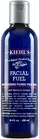
Works for:
based on ingredients and %- Moisturizing
- Anti-blemish
- Exfoliation
Doesn't work for:
based on ingredients and %- Evens skin tone
Can it cause trouble?
- Irritation risk: high
- Comedogenic risk ingredients: 0
Key actives


Product Summary
"Kiehl's - Facial Fuel Energizing Tonic for Men" is effective for: Anti-inflammatory, Anti-blemish and Exfoliation
This product could be helpful for: Moisturizing, but its actives are not the most effective or are not well-studied.
Ingredient callouts
- Salicylic acid (1.40% - 2.10%). This is an oil-soluble exfoliating acid. Because of this property, it can work inside pores and help reduce the congestion. It has an anti-inflammatory effect and is used to treat acne. Because it is a quite strong exfoliator, be careful with using this product too often: it could result in over-exfoliation.
- Humectants (zinc pca 0.80% - 1.25% and glycerin 3.90% - 5.90%). These ingredients help attract water to the upper layer of the skin and improve the skin hydration.
Price
The product retails for 39.00CA$ in Canada, for 43.03A$ in Australia and from 21.15$ up to 67.10$ in the United States.
For a detailed price comparison: click here.
Anti-blemish
This product can help reduce breakouts and clogged pores because it contains the following ingredient: salicylic acid. This ingredient is used for treating acne and can have a noticeable effect.
The following ingredient (ingredients) in this product might be helpful, but there is no evidence to confirm that it actually works: zinc pca
Used for skin exfoliation. It has an anti-inflammatory and anti-bacterial effect, helps to unclog pores, prevent blemishes and speed up healing of the existing ones. Sometimes referred to as a BHA (beta-hydroxy acid)
A compound that combines zinc with a hydrating ingredient PCA. Might to be helpful against acne and clogged pores. Can help calm down inflammation in skin. Could be helpful in reducing the formation of free radicals in skin. Might help to reduce fine lines in wrinkles, but solid evidence is missing
Exfoliation
This product can help exfoliate the skin. In other words, it helps break down the bonds between dead cells on the surface of the skin and speed up the skin turnover. Skin often appears softer and brighter after exfoliation, but overdoing it can result in disrupted skin barrier. The following ingredient is doing the exfoliating job in this product: salicylic acid.
Used for skin exfoliation. It has an anti-inflammatory and anti-bacterial effect, helps to unclog pores, prevent blemishes and speed up healing of the existing ones. Sometimes referred to as a BHA (beta-hydroxy acid)
Moisturizing
What does the product description say?
An invigorating facial toner for men's skin.
Source: Ulta
This product can help improve hydration of the skin with the two types of ingredients.
The first type is called “humectants”:
these ingredients help attract water.
When humectants are on the surface of the skin, they “pull in” the moisture from the outside environment, or from
within deeper layers of the skin. The following ingredients in this product do the job:
glycerin, zinc pca.
This product also contains ingredients called “occlusives”. They help reduce the speed with which our skin loses moisture to the outside environment. These ingredients also help soften the upper layer of the skin, so it feels less tight and nicer to the touch. The following ingredients in this product do the job: caprylic/capric triglyceride, squalane.
An oil naturally present in skin. Works as an emollient to soften the skin and form a protective layer on its surface without a greasy feeling.
One of the best moisturizing ingredients. Naturally present in skin. It attracts water to the upper layer of the skin working as a humectant
A compound that combines zinc with a hydrating ingredient PCA. Might to be helpful against acne and clogged pores. Can help calm down inflammation in skin. Could be helpful in reducing the formation of free radicals in skin. Might help to reduce fine lines in wrinkles, but solid evidence is missing
A good mix of fatty acids that forms a protective layer on the skin. Improves the shelf life of products. Derived from coconut and glycerin
Sugar extract that helps attract water to the upper layer of the skin
Helps attract water to the upper layer of the skin. Might have some anti-aging, anti-oxidant, and skin lightening properties, but solid evidence is missing
Pure form of vitamin E. Can help moisturise and protect the skin from free radicals. Often used to help stabilise other ingredients or the formula itself
Evens skin tone
What does the product description say?
Dullness and uneven texture If you want to know more.
Source: Sephora
This product might help improve the skin tone through exfoliation. In other words, it helps to speed up the shedding of cells from the upper layer of the skin, and this might help reduce hyperpigmentation.
Used for skin exfoliation. It has an anti-inflammatory and anti-bacterial effect, helps to unclog pores, prevent blemishes and speed up healing of the existing ones. Sometimes referred to as a BHA (beta-hydroxy acid)
Helps attract water to the upper layer of the skin. Might have some anti-aging, anti-oxidant, and skin lightening properties, but solid evidence is missing
A vitamin C derivative that is more stable but less potent than pure form of vitamin C. Has a potential to boost collagen production, nutralise free radicals and reduce hyperpigmentation, but the required concentration is likely to be much higher than for the pure form of vitamin C, limiting the ingredient's effectiveness in products
How honest is this product?
| Promise | Can it deliver? |
|---|---|
| Moisturizing | |
| Evens skin tone |
Total Promises Fulfilled score: 62/100.
We receive a small commission for purchases made through these links at no cost for you. Thank you for your support! Learn more
Potential irritants
Comedogenic ingredients
No comedogenic ingredients detected
User reviews (0)
Averages from community submissions.
No reviews yet for this product.
Be the first to share your experience!
Tried this product?
Help capture what the ingredient list can't—texture, finish, pilling, scent, and more. Answer what you can, skip the rest.
Takes ~30 seconds.
Reviews are shown in aggregate. No personal details.
| Product | Similarity | Price | Irritancy |
|---|---|---|---|
 Kiehl's Facial Fuel Energizing Tonic for Men | Current | $67.10 | |
Neutrogena Acne-Fighting Facial Toner With 2% Salicylic Acid | 85% | $9.99 | |
Benton Aloe BHA Skin Toner | 84% | ≈ $12.08 | |
 Garnier SkinActive Naturals Aloe Vera Botanical Toner | 82% | - | |
 ilike organic skin care Rosehip Toner | 81% | $59.99 | |
 Paula's choice Pore-Reducing Toner | 79% | ≈ $21.78 |
Key Actives
Used for skin exfoliation. It has an anti-inflammatory and anti-bacterial effect, helps to unclog pores, prevent blemishes and speed up healing of the existing ones. Sometimes referred to as a BHA (beta-hydroxy acid)
A compound that combines zinc with a hydrating ingredient PCA. Might to be helpful against acne and clogged pores. Can help calm down inflammation in skin. Could be helpful in reducing the formation of free radicals in skin. Might help to reduce fine lines in wrinkles, but solid evidence is missing
Pure form of vitamin E. Can help moisturise and protect the skin from free radicals. Often used to help stabilise other ingredients or the formula itself
A vitamin C derivative that is more stable but less potent than pure form of vitamin C. Has a potential to boost collagen production, nutralise free radicals and reduce hyperpigmentation, but the required concentration is likely to be much higher than for the pure form of vitamin C, limiting the ingredient's effectiveness in products
Might be helpful in neutralizing free radicals. Can have a dehydration effect that might somewhat decrease the look of puffy eyes
One of the best moisturizing ingredients. Naturally present in skin. It attracts water to the upper layer of the skin working as a humectant
An oil naturally present in skin. Works as an emollient to soften the skin and form a protective layer on its surface without a greasy feeling.
A good mix of fatty acids that forms a protective layer on the skin. Improves the shelf life of products. Derived from coconut and glycerin
Sugar extract that helps attract water to the upper layer of the skin
Potential irritants
Produces temporary toning effect. Can help dissolve other ingredients or preserve products
Used for skin exfoliation. It has an anti-inflammatory and anti-bacterial effect, helps to unclog pores, prevent blemishes and speed up healing of the existing ones. Sometimes referred to as a BHA (beta-hydroxy acid)
An aromatic blend of unspecified and possibly irritating ingredients
A common frangrance that can easily irritate skin, especially if exposed to air, light or heat
Used as a fragrance. Can be irritating and cause photosensitivity
Might be helpful in neutralizing free radicals. Can have a dehydration effect that might somewhat decrease the look of puffy eyes
A good mix of fatty acids that forms a protective layer on the skin. Improves the shelf life of products. Derived from coconut and glycerin
A plant extract that might help neutralize free radicals in skin, but research on its efficacy in skin is lacking
A vitamin C derivative that is more stable but less potent than pure form of vitamin C. Has a potential to boost collagen production, nutralise free radicals and reduce hyperpigmentation, but the required concentration is likely to be much higher than for the pure form of vitamin C, limiting the ingredient's effectiveness in products
A plant extract that contains small percentage of AHAs. Is unlikely to have any skin benefit due the small concentration of the active compounds
Can work as an exfoliant but is typically used to adjust the product pH
Comedogenic ingredients
We couldn't find any comedogenic ingredients in this product
All ingredients
One of the best moisturizing ingredients. Naturally present in skin. It attracts water to the upper layer of the skin working as a humectant
Produces temporary toning effect. Can help dissolve other ingredients or preserve products
Used for skin exfoliation. It has an anti-inflammatory and anti-bacterial effect, helps to unclog pores, prevent blemishes and speed up healing of the existing ones. Sometimes referred to as a BHA (beta-hydroxy acid)
An oil naturally present in skin. Works as an emollient to soften the skin and form a protective layer on its surface without a greasy feeling.
Might be helpful in neutralizing free radicals. Can have a dehydration effect that might somewhat decrease the look of puffy eyes
A good mix of fatty acids that forms a protective layer on the skin. Improves the shelf life of products. Derived from coconut and glycerin
A compound that combines zinc with a hydrating ingredient PCA. Might to be helpful against acne and clogged pores. Can help calm down inflammation in skin. Could be helpful in reducing the formation of free radicals in skin. Might help to reduce fine lines in wrinkles, but solid evidence is missing
An aromatic blend of unspecified and possibly irritating ingredients
Pure form of vitamin E. Can help moisturise and protect the skin from free radicals. Often used to help stabilise other ingredients or the formula itself
A plant extract that might help neutralize free radicals in skin, but research on its efficacy in skin is lacking
A common frangrance that can easily irritate skin, especially if exposed to air, light or heat
Sugar extract that helps attract water to the upper layer of the skin
A vitamin C derivative that is more stable but less potent than pure form of vitamin C. Has a potential to boost collagen production, nutralise free radicals and reduce hyperpigmentation, but the required concentration is likely to be much higher than for the pure form of vitamin C, limiting the ingredient's effectiveness in products
Helps attract water to the upper layer of the skin. Might have some anti-aging, anti-oxidant, and skin lightening properties, but solid evidence is missing
Used as a fragrance. Can be irritating and cause photosensitivity
A plant extract that contains small percentage of AHAs. Is unlikely to have any skin benefit due the small concentration of the active compounds
Can work as an exfoliant but is typically used to adjust the product pH
Ingredient list view
Water, Glycerin, Alcohol denat., Ppg-26-buteth-26, Peg-40 hydrogenated castor oil, Salicylic acid, Squalane, Caffeine, Caprylic/capric triglyceride, Zinc pca, Parfum, Tocopherol, Menthol, Vaccinium myrtillus fruit extract, Limonene, Saccharum officinarum extract, Ascorbyl glucoside, Hydrolyzed soy protein, Citrus aurantium dulcis fruit water, Citrus limon fruit extract, Cryptomeria japonica bud extract, Acer saccharum extract, Linalool, Bambusa vulgaris extract, Sodium hydroxide, Citric acid
- Glycerol and the skin: holistic approach to its origin and functions
- Amended Safety Assessment of Butyl Polyoxyalkylene Ethers as Used in Cosmetics
- Amended Safety Assessment of PEGylated Oils as Used in Cosmetics
- Salicylic acid as a peeling agent: a comprehensive review
- Beta Hydroxy Acids
- A review of toxicity from topical salicylic acid preparations
- Glycolic Acid Peels Versus Salicylic–Mandelic Acid Peels in Active Acne Vulgaris and Post‐Acne Scarring and Hyperpigmentation: A Comparative Study
- Zinc L-pyrrolidone carboxylate inhibits the UVA-induced production of matrix metalloproteinase-1 by in vitro cultured skin fibroblasts, whereas it enhances their collagen synthesis
- Zinc Therapy in Dermatology: A Review
- Vitamin E in dermatology
- Vitamin E and Skin Health
- Lonicera caerulea and Vaccinium myrtillus fruit polyphenols protect HaCaT keratinocytes against UVB-induced phototoxic stress and DNA damage
- Herbal Medicine: Biomolecular and Clinical Aspects. 2nd edition.
- The Roles of Vitamin C in Skin Health
- Stability, transdermal penetration, and cutaneous effects of ascorbic acid and its derivatives
- Extracts from Glycine max (soybean) induce elastin synthesis and inhibit elastase activity
- Dermatological and cosmeceutical benefits of Glycine max (soybean) and its active components
- Safety Assessment of Soy Peptides as Used in Cosmetics
- Safety Assessment of Citrus-Derived Peel Oils as Used in Cosmetics