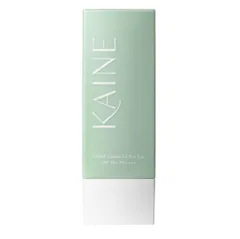
Works for:
based on ingredients and %- Moisturizing
- Anti-oxidation
Can it cause trouble?
- Irritation risk: medium
- Comedogenic risk ingredients: 1
Key actives
Works for
Moisturizing
What does the product description say?
soothe skin while providing hydration
Source: Lila Beauty
This product contains good ingredients to attract water to the upper layer of the skin. These ingredients are called "humectants": fructooligosaccharides, fructose.
When humectants are on the surface of the skin, they “pull in” the moisture from the outside environment, or from within deeper layers of the skin. If the air is dry, humectants can speed up the moisture loss from the skin. This is why it is a good idea to use another product on top of this one to help "seal in" the moisture (look for ingredients like dimethicone, squalane, oils and butters).
The following ingredients in this product are especially good for supporting the skin barrier and helping with the hydration level: panthenol
Helps attract water to the upper layer of the skin and can help improve skin barrier function
Helps to soften the upper layer of the skin
A silicone that improves product texture and helps dissolve other ingredients. Can form a non-greasy film on the skin to prevent moisture loss
One of the best moisturizing ingredients. Attracts water into the upper layer of the skin
Softens the upper layer of the skin and can support skin barrier function
Help attract water to the upper layer of the skin
Helps attract water to the upper layer of the skin
One of the best moisturizing ingredients. Attracts water into the upper layer of the skin. Naturally present in skin. Typically has large molecule size unless advertised otherwise on the product label. Helps support skin's barrier function and may help to reduce inflammation
One of the best moisturizing ingredients. Attracts water into the upper layer of the skin. A version of it is naturally present in skin
A plant extract that can help to attract water to the upper layer of the skin and might have some anti-oxidant and anti-inflammatory properties
Helps attract water to the upper layer of the skin. Could be helpful in restoring the skin barrier function
Helps to soften the upper layer of the skin without creating a greasy texture
Used to create a nice product texture and help delivery of other ingredients. Might be somewhat helpful in attracting water to the upper layer of the skin
Helps soften the upper layer of the skin and create a nice product consistency
Forms a protective film on the surface of the skin to prevent moisture loss. Gives a velvety feel to products while reducing tackiness
Used to preserve products, dissolve other ingredients and create a nice product texture
Non-drying alcohol that helps water and oil mix together. Also serves as an emollient
Can contain potent anti-oxidant compounds (abbreviated ECG, GCG, EGC, and EGCG) that might help protect the skin from free radicals. Can help calm down inflammation and has some anti-bacterial properties. Unfortunately, these antioxidants are unstable and lose their effectiveness very quickly in products. The concentration of the antioxidant compounds in the extract also tends to be low to be effective in topical formulation
Helps calm down inflammation in skin and can help reduce itching. Helps to repair the skin barrier and keep skin hydrated
Pure form of vitamin E. Can help moisturise and protect the skin from free radicals. Often used to help stabilise other ingredients or the formula itself
Helps oil and water mix together and works as an emollient
Anti-oxidation
This product contains antioxidants (camellia sinensis leaf extract) that might be able to help neutralize free radicals in skin to lessen the damage it gets from the UV light (sun). There is not enough evidence to confirm their effectiveness in skin though.
Can contain potent anti-oxidant compounds (abbreviated ECG, GCG, EGC, and EGCG) that might help protect the skin from free radicals. Can help calm down inflammation and has some anti-bacterial properties. Unfortunately, these antioxidants are unstable and lose their effectiveness very quickly in products. The concentration of the antioxidant compounds in the extract also tends to be low to be effective in topical formulation
A plant extract that can help to attract water to the upper layer of the skin and might have some anti-oxidant and anti-inflammatory properties
Pure form of vitamin E. Can help moisturise and protect the skin from free radicals. Often used to help stabilise other ingredients or the formula itself
How honest is this product?
| Promise | Can it deliver? |
|---|---|
| Moisturizing |
Total Promises Fulfilled score: 100/100.
We receive a small commission for purchases made through these links at no cost for you. Thank you for your support! Learn more
Affiliate link · supports WIMJ at no cost to you
Potential irritants
Comedogenic ingredients
User reviews (0)
Averages from community submissions.
No reviews yet for this product.
Be the first to share your experience!
Tried this product?
Help capture what the ingredient list can't—texture, finish, pilling, scent, and more. Answer what you can, skip the rest.
Takes ~30 seconds.
Reviews are shown in aggregate. No personal details.
Key Actives
Can contain potent anti-oxidant compounds (abbreviated ECG, GCG, EGC, and EGCG) that might help protect the skin from free radicals. Can help calm down inflammation and has some anti-bacterial properties. Unfortunately, these antioxidants are unstable and lose their effectiveness very quickly in products. The concentration of the antioxidant compounds in the extract also tends to be low to be effective in topical formulation
Helps calm down inflammation in skin and can help reduce itching. Helps to repair the skin barrier and keep skin hydrated
Pure form of vitamin E. Can help moisturise and protect the skin from free radicals. Often used to help stabilise other ingredients or the formula itself
Helps attract water to the upper layer of the skin and can help improve skin barrier function
One of the best moisturizing ingredients. Attracts water into the upper layer of the skin. Naturally present in skin. Typically has large molecule size unless advertised otherwise on the product label. Helps support skin's barrier function and may help to reduce inflammation
Works as a UV filter when used in high concentrations. It is photostable and is effective mostly against the UVB light, with some protection in the UVA range. In small concentrations, used for its ability to improve the color of cosmetic products. Is usually well tolerated by the skin
Uvinul A Plus. A new generation broad spectrum sunscreen that offers an effective protection especially in the UVA range. It is stable in formulations. Unfortunately, is not approved by the FDA (US) yet
A silicone that improves product texture and helps dissolve other ingredients. Can form a non-greasy film on the skin to prevent moisture loss
One of the best moisturizing ingredients. Attracts water into the upper layer of the skin. A version of it is naturally present in skin
One of the best moisturizing ingredients. Attracts water into the upper layer of the skin
Tinosorb S. One of the most effective broad spectrum sunscreen ingredients. Protects from both UVA and UVB rays. It is photostable. Unfortunately, not approved by FDA (US) yet.
Uvinul T. A UV filter. Effective against UVB rays. It is photostable. Can increase water resistance properties of the sunscreen. Unfortunately, not approved by the FDA (US) yet
Helps thicken the product consistency
A UV filter. Effective against UVB rays, but does not protect against the most aging UVA light
Ecamsule, Mexoryl SX. A UV filter. Is effective mostly against the UVA rays. It is legally marketed in the US with the FDA approval since 2006, even though the ingredient is not on the official FDA list of the approved sunscreen active ingredients. It is photostable
Help attract water to the upper layer of the skin
Helps attract water to the upper layer of the skin
Helps to soften the upper layer of the skin
Used to create a gel-like product texture, as well as to stabilize emulsions
Softens the upper layer of the skin and can support skin barrier function
Potential irritants
Plant extract that has some anti-bacterial properties. Can be used as a fragrance. Can be irritating
Uvinul A Plus. A new generation broad spectrum sunscreen that offers an effective protection especially in the UVA range. It is stable in formulations. Unfortunately, is not approved by the FDA (US) yet
Used to preserve products, dissolve other ingredients and create a nice product texture
A plant extract that can help to attract water to the upper layer of the skin and might have some anti-oxidant and anti-inflammatory properties
Tinosorb S. One of the most effective broad spectrum sunscreen ingredients. Protects from both UVA and UVB rays. It is photostable. Unfortunately, not approved by FDA (US) yet.
Uvinul T. A UV filter. Effective against UVB rays. It is photostable. Can increase water resistance properties of the sunscreen. Unfortunately, not approved by the FDA (US) yet
A UV filter. Effective against UVB rays, but does not protect against the most aging UVA light
Ecamsule, Mexoryl SX. A UV filter. Is effective mostly against the UVA rays. It is legally marketed in the US with the FDA approval since 2006, even though the ingredient is not on the official FDA list of the approved sunscreen active ingredients. It is photostable
Used to create a thicker product consistency and stabilize the formulation
Comedogenic ingredients
A plant extract that can help to attract water to the upper layer of the skin and might have some anti-oxidant and anti-inflammatory properties
All ingredients
Helps soften the upper layer of the skin and create a nice product consistency
Helps to dissolve other ingredients in a formulation. Slows down the rate of product drying
Acts as a solvent for other ingredients. Speeds up the absorption of other ingredients into the skin
Works as a UV filter when used in high concentrations. It is photostable and is effective mostly against the UVB light, with some protection in the UVA range. In small concentrations, used for its ability to improve the color of cosmetic products. Is usually well tolerated by the skin
Forms a protective film on the surface of the skin to prevent moisture loss. Gives a velvety feel to products while reducing tackiness
Uvinul A Plus. A new generation broad spectrum sunscreen that offers an effective protection especially in the UVA range. It is stable in formulations. Unfortunately, is not approved by the FDA (US) yet
Helps attract water to the upper layer of the skin and can help improve skin barrier function
A silicone that improves product texture and helps dissolve other ingredients. Can form a non-greasy film on the skin to prevent moisture loss
Used to preserve products, dissolve other ingredients and create a nice product texture
A plant extract that can help to attract water to the upper layer of the skin and might have some anti-oxidant and anti-inflammatory properties
Can contain potent anti-oxidant compounds (abbreviated ECG, GCG, EGC, and EGCG) that might help protect the skin from free radicals. Can help calm down inflammation and has some anti-bacterial properties. Unfortunately, these antioxidants are unstable and lose their effectiveness very quickly in products. The concentration of the antioxidant compounds in the extract also tends to be low to be effective in topical formulation
Plant extract that has some anti-bacterial properties. Can be used as a fragrance. Can be irritating
One of the best moisturizing ingredients. Attracts water into the upper layer of the skin. Naturally present in skin. Typically has large molecule size unless advertised otherwise on the product label. Helps support skin's barrier function and may help to reduce inflammation
One of the best moisturizing ingredients. Attracts water into the upper layer of the skin. A version of it is naturally present in skin
One of the best moisturizing ingredients. Attracts water into the upper layer of the skin
Tinosorb S. One of the most effective broad spectrum sunscreen ingredients. Protects from both UVA and UVB rays. It is photostable. Unfortunately, not approved by FDA (US) yet.
Helps to soften the upper layer of the skin without creating a greasy texture
Uvinul T. A UV filter. Effective against UVB rays. It is photostable. Can increase water resistance properties of the sunscreen. Unfortunately, not approved by the FDA (US) yet
A UV filter. Effective against UVB rays, but does not protect against the most aging UVA light
Ecamsule, Mexoryl SX. A UV filter. Is effective mostly against the UVA rays. It is legally marketed in the US with the FDA approval since 2006, even though the ingredient is not on the official FDA list of the approved sunscreen active ingredients. It is photostable
Used to create a thicker product consistency and stabilize the formulation
Is used to add opaque (non-transparent) appearance to formulations. Can be used to coat other ingredients for even dispersion. This is a different ingredient compared to the ones used in antipersperants (aluminium chloride and aluminium chlorohydrate)
Helps attract water to the upper layer of the skin. Could be helpful in restoring the skin barrier function
Used to create a nice product texture and help delivery of other ingredients. Might be somewhat helpful in attracting water to the upper layer of the skin
Helps to soften the upper layer of the skin
Helps create a thicker product formulation
Used to create a gel-like product texture, as well as to stabilize emulsions
Pure form of vitamin E. Can help moisturise and protect the skin from free radicals. Often used to help stabilise other ingredients or the formula itself
Helps calm down inflammation in skin and can help reduce itching. Helps to repair the skin barrier and keep skin hydrated
Softens the upper layer of the skin and can support skin barrier function
Non-drying alcohol that helps water and oil mix together. Also serves as an emollient
Ingredient list view
Water, Dibutyl adipate, Dipropylene glycol, Propanediol, Titanium dioxide, Isononyl isononanoate, Diethylamino hydroxybenzoyl hexyl benzoate, Panthenol, Phenethyl benzoate, 1,2-hexanediol, Polymethylsilsesquioxane, Pentylene glycol, Bambusa vulgaris water, Chlorella vulgaris extract, Camellia sinensis leaf extract, Mentha suaveolens leaf extract, Thymus vulgaris leaf extract, Hyaluronic acid, Hydrolyzed hyaluronic acid, Sodium hyaluronate, Bis-ethylhexyloxyphenol methoxyphenyl triazine, Coco-caprylate/caprate, Ethylhexyl triazone, Methyl methacrylate crosspolymer, Polysilicone-15, Terephthalylidene dicamphor sulfonic acid, Sodium polyacryloyldimethyl taurate, Polyhydroxystearic acid, Potassium cetyl phosphate, Sodium acrylates crosspolymer-2, Tromethamine, Aluminum hydroxide, Polyacrylate crosspolymer-6, Stearic acid, Glucose, Butylene glycol, Fructooligosaccharides, Fructose, Polyglyceryl-2 dipolyhydroxystearate, Ethylhexylglycerin, Hydroxypropyl methylcellulose stearoxy ether, Sodium polyacrylate, Tocopherol, Allantoin, Ectoin, Behenyl alcohol, Disodium edta
- Skin moisturizing effects of panthenol-based formulations
- Safety Assessment of Panthenol, Pantothenic Acid, and Derivatives as Used in Cosmetics
- The influence of alkane chain length on the skin irritation potential of 1,2-alkanediols
- Efficacy of a New Topical Nano-hyaluronic Acid in Humans
- Physiochemical properties and application of hyaluronic acid: a systematic review
- Hyaluronic acid: A key molecule in skin aging
- Hyaluronan (Hyaluronic Acid): a natural moisturizer for skin care
- Safety Assessment of Alkyl Esters as Used in Cosmetics
- Safety Assessment of Tromethamine as Used in Cosmetics
- Safety Assessment of Alumina and Aluminum Hydroxide as Used in Cosmetics
- Topical Glucose Induces Claudin-1 and Filaggrin Expression in a Mouse Model of Atopic Dermatitis and in Keratinocyte Culture, Exerting Anti-inflammatory Effects by Repairing Skin Barrier Function
- Vitamin E in dermatology
- Vitamin E and Skin Health
- Profile of wound healing process induced by allantoin