Works for:
based on ingredients and %- Moisturizing
- Anti-aging
Can it cause trouble?
- Irritation risk: high
- Comedogenic risk ingredients: 2
Key actives
Works for
Moisturizing
What does the product description say?
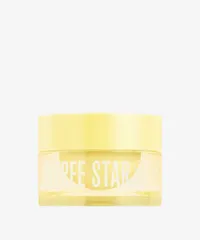
Designed to soften, hydrate, and naturally plump your lips, this mask is enriched with a blend of olive-derived squalane to restore and retain moisture, plus LinefillTM, MaxilipTM, and VolulipTMto promote a plump finish.
Source: Beauty Bay
This product can help soften the skin and reduce its moisture loss with emollients and occlusives: bis-diglyceryl polyacyladipate-2, caprylic/capric triglyceride.
Keep in mind that this product does not contain effective ingredients to attract water to the upper layer of the skin. This is why an additional product with humectants like glycerin or hyaluronic acid can be helpful (apply it before this product for the best results).
The following ingredients in this product are especially good for supporting the skin barrier and helping with the hydration level: palmitoyl tripeptide-1, palmitoyl tripeptide-38
A type of peptide. Peptides are excellent moisturizers and might be able support collagen production reducing fine lines and wrinkles
A type of peptide. Peptides are excellent moisturizers and might be able support collagen production reducing fine lines and wrinkles
A type of silicone that can decrease loss of moisture from the skin surface. It helps create a nice product texture
An oil naturally present in skin. Works as an emollient to soften the skin and form a protective layer on its surface without a greasy feeling.
Red algae extract that helps attract water to the upper layer of the skin and might contain antioxidants
Plant oil that due to its high content of linoleic acid can help support skin's barrier function improving its hydration
A good mix of fatty acids that forms a protective layer on the skin. Improves the shelf life of products. Derived from coconut and glycerin
Helps soften the upper layer of the skin and reduce water loss from its surface
A great emollient due to its high linoleic acid content. One of the most effective plant oils in helping skin hydration and repairing skin barrier function
Helps to soften the upper layer of the skin
An emollient that helps soften the skin and create a nice product texture
Used to create a thicker product consistency and soften the upper layer of the skin
An emollient that helps soften the skin
An emollient that can also help water and oil mix together, as well as prevent bacteria growth in products
A plant oil that helps soften the upper layer of the skin. Is unlikely to be helpful in restoring skin barrier function due to the low content of linoleic acid
Helps oil and water mix together and helps preserve the product formulation
An exfoliating and moisturizing alpha-hydroxy acid (AHA). Typically causes less irritation than other AHAs, for example, glycolic acid. At high concentrations (about 15%), lactic acid can help reduce lines and wrinkles. Recent studies show that lactic acid can support the "good" bacteria living on skin's surface (healthy skin microbiome)
Pure form of vitamin E. Can help moisturise and protect the skin from free radicals. Often used to help stabilise other ingredients or the formula itself
Anti-aging
This product contains palmitoyl tripeptide-1, palmitoyl tripeptide-38. These ingredients might be able to help reduce and prevent fine lines and wrinkles, improve skin elasticity and firmness, but there is not enough evidence that it actually works.
A type of peptide. Peptides are excellent moisturizers and might be able support collagen production reducing fine lines and wrinkles
A type of peptide. Peptides are excellent moisturizers and might be able support collagen production reducing fine lines and wrinkles
Being a lipid soluble form of vitamin C, it is more stable than ascorbic acid, but still degrades quickly and needs to be stabilized in a formulation with another ingredient. It is claimed to penetrate skin better than pure vitamin C and have the the similar benefits, but solid studies of its effectiveness are lacking. Is likely to require a higher concentration in a product than pure vitamin C to be effective. It might be able to help reduce pore clogging.
An exfoliating and moisturizing alpha-hydroxy acid (AHA). Typically causes less irritation than other AHAs, for example, glycolic acid. At high concentrations (about 15%), lactic acid can help reduce lines and wrinkles. Recent studies show that lactic acid can support the "good" bacteria living on skin's surface (healthy skin microbiome)
Pure form of vitamin E. Can help moisturise and protect the skin from free radicals. Often used to help stabilise other ingredients or the formula itself
How honest is this product?
| Promise | Can it deliver? |
|---|---|
| Moisturizing |
Total Promises Fulfilled score: 100/100.
We receive a small commission for purchases made through these links at no cost for you. Thank you for your support! Learn more
Affiliate link · supports WIMJ at no cost to you
Potential irritants
Comedogenic ingredients
User reviews (0)
Averages from community submissions.
No reviews yet for this product.
Be the first to share your experience!
Tried this product?
Help capture what the ingredient list can't—texture, finish, pilling, scent, and more. Answer what you can, skip the rest.
Takes ~30 seconds.
Reviews are shown in aggregate. No personal details.
Key Actives
Being a lipid soluble form of vitamin C, it is more stable than ascorbic acid, but still degrades quickly and needs to be stabilized in a formulation with another ingredient. It is claimed to penetrate skin better than pure vitamin C and have the the similar benefits, but solid studies of its effectiveness are lacking. Is likely to require a higher concentration in a product than pure vitamin C to be effective. It might be able to help reduce pore clogging.
A plant extract that has anti-bacterial properties. Can be used to preserve the product. Can be irritating
Red algae extract that helps attract water to the upper layer of the skin and might contain antioxidants
A type of peptide. Peptides are excellent moisturizers and might be able support collagen production reducing fine lines and wrinkles
A type of peptide. Peptides are excellent moisturizers and might be able support collagen production reducing fine lines and wrinkles
Helps soften the upper layer of the skin and reduce water loss from its surface
An oil naturally present in skin. Works as an emollient to soften the skin and form a protective layer on its surface without a greasy feeling.
A good mix of fatty acids that forms a protective layer on the skin. Improves the shelf life of products. Derived from coconut and glycerin
A type of silicone that can decrease loss of moisture from the skin surface. It helps create a nice product texture
A great emollient due to its high linoleic acid content. One of the most effective plant oils in helping skin hydration and repairing skin barrier function
Plant oil that due to its high content of linoleic acid can help support skin's barrier function improving its hydration
Potential irritants
A plant extract that can contain an active compound curcumin, that may have some anti-inflammatory properties when applied to the skin, but solid research is lacking and the typical concentration used in skincare products is too low. Can be an irritant
A plant extract that has anti-bacterial properties. Can be used to preserve the product. Can be irritating
Used as a fragrance. Canbe irritating
A plant extract that is rich in a fragrance compound eugenol that is a frequent allergen and can be irritating. It might also contain anti-oxidants to help neutralize free radicals
Used to create a thicker product consistency
A good mix of fatty acids that forms a protective layer on the skin. Improves the shelf life of products. Derived from coconut and glycerin
Being a lipid soluble form of vitamin C, it is more stable than ascorbic acid, but still degrades quickly and needs to be stabilized in a formulation with another ingredient. It is claimed to penetrate skin better than pure vitamin C and have the the similar benefits, but solid studies of its effectiveness are lacking. Is likely to require a higher concentration in a product than pure vitamin C to be effective. It might be able to help reduce pore clogging.
Helps oil and water mix together and helps preserve the product formulation
A plant extract that might be helpful to neutralize free radicals in skin
A plant oil that helps soften the upper layer of the skin. Is unlikely to be helpful in restoring skin barrier function due to the low content of linoleic acid
An exfoliating and moisturizing alpha-hydroxy acid (AHA). Typically causes less irritation than other AHAs, for example, glycolic acid. At high concentrations (about 15%), lactic acid can help reduce lines and wrinkles. Recent studies show that lactic acid can support the "good" bacteria living on skin's surface (healthy skin microbiome)
Comedogenic ingredients
An emollient that helps soften the skin and create a nice product texture
Red algae extract that helps attract water to the upper layer of the skin and might contain antioxidants
All ingredients
Helps soften the upper layer of the skin and reduce water loss from its surface
Used to create a thicker product consistency
An oil naturally present in skin. Works as an emollient to soften the skin and form a protective layer on its surface without a greasy feeling.
A good mix of fatty acids that forms a protective layer on the skin. Improves the shelf life of products. Derived from coconut and glycerin
A type of silicone that can decrease loss of moisture from the skin surface. It helps create a nice product texture
Being a lipid soluble form of vitamin C, it is more stable than ascorbic acid, but still degrades quickly and needs to be stabilized in a formulation with another ingredient. It is claimed to penetrate skin better than pure vitamin C and have the the similar benefits, but solid studies of its effectiveness are lacking. Is likely to require a higher concentration in a product than pure vitamin C to be effective. It might be able to help reduce pore clogging.
An emollient that can also help water and oil mix together, as well as prevent bacteria growth in products
An emollient that helps soften the skin and create a nice product texture
Used to dissolve other ingredients in a product and can enhance their ability to penetrate the skin
A plant extract that can contain an active compound curcumin, that may have some anti-inflammatory properties when applied to the skin, but solid research is lacking and the typical concentration used in skincare products is too low. Can be an irritant
Used to create a thicker product consistency and soften the upper layer of the skin
A plant oil that helps to soften the upper layer of the skin and can help restore skin's barrier function. Might have an anti-oxidant effect
Helps oil and water mix together and helps preserve the product formulation
A great emollient due to its high linoleic acid content. One of the most effective plant oils in helping skin hydration and repairing skin barrier function
Plant oil that due to its high content of linoleic acid can help support skin's barrier function improving its hydration
A plant extract that might be helpful to neutralize free radicals in skin
Used to increase stability of product formulations
A plant extract that has anti-bacterial properties. Can be used to preserve the product. Can be irritating
Red algae extract that helps attract water to the upper layer of the skin and might contain antioxidants
A plant oil that helps soften the upper layer of the skin. Is unlikely to be helpful in restoring skin barrier function due to the low content of linoleic acid
An exfoliating and moisturizing alpha-hydroxy acid (AHA). Typically causes less irritation than other AHAs, for example, glycolic acid. At high concentrations (about 15%), lactic acid can help reduce lines and wrinkles. Recent studies show that lactic acid can support the "good" bacteria living on skin's surface (healthy skin microbiome)
Used as a fragrance. Canbe irritating
A plant extract that is rich in a fragrance compound eugenol that is a frequent allergen and can be irritating. It might also contain anti-oxidants to help neutralize free radicals
Pure form of vitamin E. Can help moisturise and protect the skin from free radicals. Often used to help stabilise other ingredients or the formula itself
A type of peptide. Peptides are excellent moisturizers and might be able support collagen production reducing fine lines and wrinkles
A type of peptide. Peptides are excellent moisturizers and might be able support collagen production reducing fine lines and wrinkles
Ingredient list view
Diisostearyl malate, Bis-diglyceryl polyacyladipate-2, Microcrystalline wax, Polyamide-8, Pentaerythrityl tetraisostearate, Squalane, Caprylic/capric triglyceride, Phenyl trimethicone, Tetrahexyldecyl ascorbate, Glyceryl caprylate, Cetearyl ethylhexanoate, Aroma, Ethylhexyl palmitate, Dimethyl isosorbide, Curcuma longa root extract, Tribehenin, Sorbitan isostearate, Camellia japonica seed oil, Glyceryl undecylenate, Helianthus annuus seed oil, Sesamum indicum seed extract, Melia azadirachta flower extract, Pentaerythrityl tetra-di-t-butyl hydroxyhydrocinnamate, Melia azadirachta leaf extract, Corallina officinalis extract, Melia azadirachta bark extract, Portulaca pilosa extract, Moringa oleifera seed oil, Lactic acid, Ocimum basilicum flower/leaf extract, Ocimum sanctum leaf extract, Musa sapientum fruit extract, Tocopherol, Sucrose cocoate, Palmitoyl tripeptide-1, Palmitoyl tripeptide-38
- Safety assessment of bis-diglyceryl polyacyladipate-2 and bis-diglyceryl polyacyladipate-1 as used in cosmetics
- Safety Assessment of Pentaerythrityl Tetraesters as Used in Cosmetics
- Double-blind, half-face study comparing topical vitamin C and vehicle for rejuvenation of photodamage
- Application of tetra-isopalmitoyl ascorbic acid in cosmetic formulations: Stability studies and in vivo efficacy
- Activity enhancement of ferulic acid with dimethyl isosorbride in cosmetic compositions
- Vaughn, A. R., Branum, A., & Sivamani, R. K. (2016). Effects of Turmeric (Curcuma longa) on Skin Health: A Systematic Review of the Clinical Evidence. Phytotherapy Research, 30(8), 1243–1264. doi:10.1002/ptr.5640
- Effect of Olive and Sunflower Seed Oil on the Adult Skin Barrier: Implications for Neonatal Skin Care
- Topically Applied Sunflower Seed Oil Prevents Invasive Bacterial Infections in Preterm Infants in Egypt
- Effect of topically applied lipids on surfactant-irritated skin
- Impact of topical oils on the skin barrier: possible implications for neonatal health in developing countries
- Seed oil content and fatty acid composition in East African sesame (Sesamum indicum L.) accessions evaluated over 3 years
- Safety Assessment of Pentaerythrityl Tetra-Di-t-Butyl Hydroxyhydrocinnamate as Used in Cosmetics
- Melia azedarach
- Preliminary and Pharmacological Profile of Melia azedarach L.: An Overview
- Moringa oleifera seed oil: Composition, nutritional aspects and health attributes
- Moringa oleifera Seeds and Oil: Characteristics and Uses for Human Health
- Epidermal and dermal effects of topical lactic acid
- Dual Effects of Alpha-Hydroxy Acids on the Skin
- Vitamin E in dermatology
- Vitamin E and Skin Health