
Works for:
based on ingredients and %- Anti-aging
- Moisturizing
- Anti-oxidation
- Evens skin tone
Can it cause trouble?
- Irritation risk: high
- Comedogenic risk ingredients: 2
Key actives

Product Summary
Judging from the ingredient list, "iSOi - Intensive Age Control Eye Cream" works well for improving skin hydration This moisturizer uses a good combo of humectants and emollients. These both types of ingredients are essentials for improving the skin hydration and keeping the skin barrier healthy. Betaine, glycerin, butylene glycol and scutellaria baicalensis root extract in this product (humectants) attract water molecules to the upper layer of the skin (the water comes from the outside air or from the deeper layers of the skin if the air is dry). Limnanthes alba seed oil, caprylic/capric triglyceride, squalane, cetearyl alcohol and macadamia ternifolia seed oil in this product help decrease the water evoporation from the skin, so that it stays hydrated for longer. These ingredients also soften the skin and take away the feeling of tightness and dryness.
Ingredient callouts
- This moisturizer also contains Peptides (palmitoyl tripeptide-5 0.20% - 0.40%). Peptides are a very big group of ingredients. They all consist of a different combination of aminoacids. Our skin produces Peptides naturally. Some of them work as natural antibiotics, promote wound-healing and production of collagen. The scientists are still studying how effective the topical application of Peptides is, but it is very likely that they are helpful. Peptides might be able to support skin barrier restoration and even have an anti-aging benefit. At the very least, they certainly help attract water to the skin and support the hydration in this way.
- Adenosine 0.20% - 0.40%. It is a compound that in involved in many biological processes inside the skin cells. According one high-quality clinical trial, topical Adenosine in low concentrations can somewhat help improve "deep wrinkles" - the wrinkles that appear with age in places where our faces are most dynamic (for example, on the forehead or in the corners of the eyes).
Irritation risk
This moisturizer contains a bunch of common irritants, including ingredients that do not provide any known benefit for the skin. It might not be the best choice if your skin is sensitive. We assess the overall irritancy of this moisturizer to be high. For a detailed overview of all potential irritants: click here
You can see the detailed formula review with the breakdown of all actives in the product and the full ingredient list with estimated concentrations in the tables below.
Price
The product retails for 83.67$ in the United States.
For a detailed price comparison: click here.
Anti-aging
What does the product description say?
Intensive Age Control Eye Cream
Source: From product name
This product can help reduce and prevent fine lines and wrinkles, improve skin elasticity and firmness because it contains adenosine.
These ingredients in the product can also be helpful, even though there is less evidence for their effectiveness: palmitoyl tripeptide-5.
Keep in mind that it typically takes at least 6 weeks to notice any results because the changes that are needed to improve fine lines and elasticity happen in the deeper layers of the skin. No topical anti-aging product can “erase” wrinkles or fully reverse signs of aging.
Might help improve cell turnover and reduce inflammation in skin. One study shows that the ingredients might be able to help reduce dynamic wrinkles (for example, in the corners of the eyes or on the forehead)
A type of peptide. Peptides are excellent moisturizers and might be able support collagen production reducing fine lines and wrinkles
This oil's cmposition is closest to rapeseed oil. It is a very stable oil and serves as an emoillient
A plant extract that has been shown to be able to reduce inflammation in skin, support restoration of skin barrier function, as well as support collagen production. Contains active compounds called centelloids: asiaticoside, madecasosside, asiatic acid and madecassic acid. Might be helpful in preventing stretch marks. It can be itself be irritating though.
A great moisturising ingredient that softens the skin and reduces water loss from its upper layer. It also can be helpful in protecting skin from free radicals
Pure form of vitamin E. Can help moisturise and protect the skin from free radicals. Often used to help stabilise other ingredients or the formula itself
Moisturizing
This product can help improve hydration of the skin with the two types of ingredients.
The first type is called “humectants”:
these ingredients help attract water.
When humectants are on the surface of the skin, they “pull in” the moisture from the outside environment, or from
within deeper layers of the skin. The following ingredients in this product do the job:
betaine, glycerin.
This product also contains ingredients called “occlusives”. They help reduce the speed with which our skin loses moisture to the outside environment. These ingredients also help soften the upper layer of the skin, so it feels less tight and nicer to the touch. The following ingredients in this product do the job: caprylic/capric triglyceride, squalane.
The following ingredients in this product are especially good for supporting the skin barrier and helping with the hydration level: palmitoyl tripeptide-5
Helps attract water to the upper layer of the skin and improves the product texture
This oil's cmposition is closest to rapeseed oil. It is a very stable oil and serves as an emoillient
A good mix of fatty acids that forms a protective layer on the skin. Improves the shelf life of products. Derived from coconut and glycerin
One of the best moisturizing ingredients. Naturally present in skin. It attracts water to the upper layer of the skin working as a humectant
A type of peptide. Peptides are excellent moisturizers and might be able support collagen production reducing fine lines and wrinkles
An oil naturally present in skin. Works as an emollient to soften the skin and form a protective layer on its surface without a greasy feeling.
Might help improve cell turnover and reduce inflammation in skin. One study shows that the ingredients might be able to help reduce dynamic wrinkles (for example, in the corners of the eyes or on the forehead)
An emollient that helps soften the skin but is not effective for restoring its barrier function. Might be helpful to calm down inflammation
A non-drying alcohol. Works as an emollient. Helps water and oil mix together and creates a nice product texture
Plant oil from nuts that helps soften the upper layer of the skin. Contains a high concentration of oleic acid that can weaken skin's barrier function and increase water-loss while enhancing penetration of other ingredients
An emollient that helps soften the skin and creates a thicker product texture
A plant extract that might contain a compound baicalin that could be helpful in neutralizing free radicals and reducing inflammation in skin. The baicalin concentration in skincare products is often too low for an effective action. Can be used for its fragrant properties
Used to soften the upper layer of the skin and create a thicker product consistency
Non-drying alcohol that helps water and oil mix together. Also serves as an emollient
Used to create a nice product texture and help delivery of other ingredients. Might be somewhat helpful in attracting water to the upper layer of the skin
An emollient that softens the skin and forms a protective layer on its surface. Helps water and oil mix together
Used as a fragrance. Can be irritating
A plant extract that has been shown to be able to reduce inflammation in skin, support restoration of skin barrier function, as well as support collagen production. Contains active compounds called centelloids: asiaticoside, madecasosside, asiatic acid and madecassic acid. Might be helpful in preventing stretch marks. It can be itself be irritating though.
A great moisturising ingredient that softens the skin and reduces water loss from its upper layer. It also can be helpful in protecting skin from free radicals
An emollient that helps soften the upper layer of the skin. Might have some weak anti-oxidant properties
Helps calm down inflammation in skin and can help reduce itching. Helps to repair the skin barrier and keep skin hydrated
Pure form of vitamin E. Can help moisturise and protect the skin from free radicals. Often used to help stabilise other ingredients or the formula itself
Helps oil and water mix together and works as an emollient
Anti-oxidation
This product contains antioxidants (arbutin) that might be able to help neutralize free radicals in skin to lessen the damage it gets from the UV light (sun). There is not enough evidence to confirm their effectiveness in skin though.
Beta-arbutin. Can help to reduce hyperpigmentation and has an anti-oxidant effect when used in high enough concentration. Is less effective compared to alpha-arbutin
A plant extract that might contain a compound baicalin that could be helpful in neutralizing free radicals and reducing inflammation in skin. The baicalin concentration in skincare products is often too low for an effective action. Can be used for its fragrant properties
Might help improve cell turnover and reduce inflammation in skin. One study shows that the ingredients might be able to help reduce dynamic wrinkles (for example, in the corners of the eyes or on the forehead)
A plant extract that might help neutralize free radicals in skin, but research on its effectiveness is lacking
A plant extract that can help lighten the skin and calm down inflammation. Might be helpful in neutralizing free radicals
This oil's cmposition is closest to rapeseed oil. It is a very stable oil and serves as an emoillient
A plant extract that has some anti-oxidant and anti-bacterial properties. Can be irritating
A plant extract that might have some anti-oxidant and anti-inflammatory properties but evidence for effectiveness in skin is missing
Pure form of vitamin E. Can help moisturise and protect the skin from free radicals. Often used to help stabilise other ingredients or the formula itself
A plant extract that has been shown to be able to reduce inflammation in skin, support restoration of skin barrier function, as well as support collagen production. Contains active compounds called centelloids: asiaticoside, madecasosside, asiatic acid and madecassic acid. Might be helpful in preventing stretch marks. It can be itself be irritating though.
Might have some anti-inflammatory properties but research is lacking
A great moisturising ingredient that softens the skin and reduces water loss from its upper layer. It also can be helpful in protecting skin from free radicals
An emollient that helps soften the upper layer of the skin. Might have some weak anti-oxidant properties
Evens skin tone
The following ingredient (ingredients) in this product might be helpful, but there is no evidence to confirm that it actually works: arbutin, glycyrrhiza glabra root extract.
Beta-arbutin. Can help to reduce hyperpigmentation and has an anti-oxidant effect when used in high enough concentration. Is less effective compared to alpha-arbutin
A plant extract that can help lighten the skin and calm down inflammation. Might be helpful in neutralizing free radicals
How honest is this product?
| Promise | Can it deliver? |
|---|---|
| Anti-aging |
Total Promises Fulfilled score: 100/100.
We receive a small commission for purchases made through these links at no cost for you. Thank you for your support! Learn more
Potential irritants
Comedogenic ingredients
User reviews (0)
Averages from community submissions.
No reviews yet for this product.
Be the first to share your experience!
Tried this product?
Help capture what the ingredient list can't—texture, finish, pilling, scent, and more. Answer what you can, skip the rest.
Takes ~30 seconds.
Reviews are shown in aggregate. No personal details.
| Product | Similarity | Price | Irritancy |
|---|---|---|---|
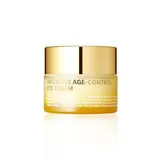 iSOi Intensive Age Control Eye Cream | Current | $83.67 | |
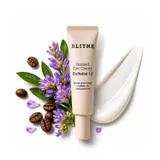 Blithe Pressed eye cream caffeine | 61% | - | |
 DEWYCEL Eye Plus Cream | 61% | $17.40 | |
 VILLAGE 11 FACTORY Snail Eye Cream | 61% | $9.70 | |
 BADSKIN Collagen Bomb Anti-Wrinkle Eye Cream | 60% | $18.70 | |
 NEOGEN X SUR.MEDIC V.Biome Advanced Eye Cream | 60% | $25.16 |
Key Actives
A plant extract that has been shown to be able to reduce inflammation in skin, support restoration of skin barrier function, as well as support collagen production. Contains active compounds called centelloids: asiaticoside, madecasosside, asiatic acid and madecassic acid. Might be helpful in preventing stretch marks. It can be itself be irritating though.
Helps calm down inflammation in skin and can help reduce itching. Helps to repair the skin barrier and keep skin hydrated
Pure form of vitamin E. Can help moisturise and protect the skin from free radicals. Often used to help stabilise other ingredients or the formula itself
This oil's cmposition is closest to rapeseed oil. It is a very stable oil and serves as an emoillient
A great moisturising ingredient that softens the skin and reduces water loss from its upper layer. It also can be helpful in protecting skin from free radicals
Might help improve cell turnover and reduce inflammation in skin. One study shows that the ingredients might be able to help reduce dynamic wrinkles (for example, in the corners of the eyes or on the forehead)
Beta-arbutin. Can help to reduce hyperpigmentation and has an anti-oxidant effect when used in high enough concentration. Is less effective compared to alpha-arbutin
An emollient that helps soften the upper layer of the skin. Might have some weak anti-oxidant properties
A type of peptide. Peptides are excellent moisturizers and might be able support collagen production reducing fine lines and wrinkles
One of the best moisturizing ingredients. Naturally present in skin. It attracts water to the upper layer of the skin working as a humectant
A good mix of fatty acids that forms a protective layer on the skin. Improves the shelf life of products. Derived from coconut and glycerin
Helps attract water to the upper layer of the skin and improves the product texture
An oil naturally present in skin. Works as an emollient to soften the skin and form a protective layer on its surface without a greasy feeling.
Potential irritants
A plant extract that has some anti-oxidant and anti-bacterial properties. Can be irritating
A plant extract that might contain a compound baicalin that could be helpful in neutralizing free radicals and reducing inflammation in skin. The baicalin concentration in skincare products is often too low for an effective action. Can be used for its fragrant properties
An emollient that helps soften the skin and creates a thicker product texture
A good mix of fatty acids that forms a protective layer on the skin. Improves the shelf life of products. Derived from coconut and glycerin
Used to create a thicker product consistency
Plant oil from nuts that helps soften the upper layer of the skin. Contains a high concentration of oleic acid that can weaken skin's barrier function and increase water-loss while enhancing penetration of other ingredients
Beta-arbutin. Can help to reduce hyperpigmentation and has an anti-oxidant effect when used in high enough concentration. Is less effective compared to alpha-arbutin
An emollient that helps soften the skin but is not effective for restoring its barrier function. Might be helpful to calm down inflammation
An emollient that helps soften the upper layer of the skin. Might have some weak anti-oxidant properties
A plant extract that has been shown to be able to reduce inflammation in skin, support restoration of skin barrier function, as well as support collagen production. Contains active compounds called centelloids: asiaticoside, madecasosside, asiatic acid and madecassic acid. Might be helpful in preventing stretch marks. It can be itself be irritating though.
A plant extract that can help lighten the skin and calm down inflammation. Might be helpful in neutralizing free radicals
A plant extract that might have some anti-oxidant and anti-inflammatory properties but evidence for effectiveness in skin is missing
A plant extract that might help neutralize free radicals in skin, but research on its effectiveness is lacking
Might have some anti-inflammatory properties but research is lacking
Comedogenic ingredients
A non-drying alcohol. Works as an emollient. Helps water and oil mix together and creates a nice product texture
A great moisturising ingredient that softens the skin and reduces water loss from its upper layer. It also can be helpful in protecting skin from free radicals
All ingredients
One of the best moisturizing ingredients. Naturally present in skin. It attracts water to the upper layer of the skin working as a humectant
An emollient that helps soften the skin and creates a thicker product texture
A good mix of fatty acids that forms a protective layer on the skin. Improves the shelf life of products. Derived from coconut and glycerin
Used to create a thicker product consistency
Plant oil from nuts that helps soften the upper layer of the skin. Contains a high concentration of oleic acid that can weaken skin's barrier function and increase water-loss while enhancing penetration of other ingredients
Helps attract water to the upper layer of the skin and improves the product texture
An oil naturally present in skin. Works as an emollient to soften the skin and form a protective layer on its surface without a greasy feeling.
Beta-arbutin. Can help to reduce hyperpigmentation and has an anti-oxidant effect when used in high enough concentration. Is less effective compared to alpha-arbutin
A non-drying alcohol. Works as an emollient. Helps water and oil mix together and creates a nice product texture
An emollient that softens the skin and forms a protective layer on its surface. Helps water and oil mix together
This oil's cmposition is closest to rapeseed oil. It is a very stable oil and serves as an emoillient
Used to soften the upper layer of the skin and create a thicker product consistency
Non-drying alcohol that helps water and oil mix together. Also serves as an emollient
A great moisturising ingredient that softens the skin and reduces water loss from its upper layer. It also can be helpful in protecting skin from free radicals
An emollient that helps soften the skin but is not effective for restoring its barrier function. Might be helpful to calm down inflammation
An emollient that helps soften the upper layer of the skin. Might have some weak anti-oxidant properties
Pure form of vitamin E. Can help moisturise and protect the skin from free radicals. Often used to help stabilise other ingredients or the formula itself
Helps calm down inflammation in skin and can help reduce itching. Helps to repair the skin barrier and keep skin hydrated
Might help improve cell turnover and reduce inflammation in skin. One study shows that the ingredients might be able to help reduce dynamic wrinkles (for example, in the corners of the eyes or on the forehead)
A plant extract that has some anti-oxidant and anti-bacterial properties. Can be irritating
A type of peptide. Peptides are excellent moisturizers and might be able support collagen production reducing fine lines and wrinkles
A plant extract that has been shown to be able to reduce inflammation in skin, support restoration of skin barrier function, as well as support collagen production. Contains active compounds called centelloids: asiaticoside, madecasosside, asiatic acid and madecassic acid. Might be helpful in preventing stretch marks. It can be itself be irritating though.
A plant extract that can help lighten the skin and calm down inflammation. Might be helpful in neutralizing free radicals
A plant extract that might have some anti-oxidant and anti-inflammatory properties but evidence for effectiveness in skin is missing
A plant extract that might help neutralize free radicals in skin, but research on its effectiveness is lacking
Might have some anti-inflammatory properties but research is lacking
Used to create a nice product texture and help delivery of other ingredients. Might be somewhat helpful in attracting water to the upper layer of the skin
A plant extract that might contain a compound baicalin that could be helpful in neutralizing free radicals and reducing inflammation in skin. The baicalin concentration in skincare products is often too low for an effective action. Can be used for its fragrant properties
Ingredient list view
Water, Glycerin, Cetyl ethylhexanoate, Caprylic/capric triglyceride, Pentaerythrityl tetraisostearate, Macadamia ternifolia seed oil, Betaine, Squalane, Arbutin, Cetearyl alcohol, Glyceryl stearate, Limnanthes alba seed oil, Stearic acid, Arachidyl alcohol, Polyglyceryl-3 methylglucose distearate, Behenyl alcohol, Arachidyl glucoside, Butyrospermum parkii butter, Olea europaea fruit oil, Argania spinosa kernel oil, Tocopherol, Allantoin, Adenosine, Xanthan gum, Rosa damascena flower oil, Calendula officinalis flower extract, Palmitoyl tripeptide-5, Rosmarinus officinalis extract, Melaleuca viridiflora leaf oil, Chamomilla recutita flower/leaf extract, Centella asiatica extract, Glycyrrhiza glabra root extract, Rhus semialata gall extract, Olea europaea leaf extract, Chrysanthemum indicum flower extract, Sophora japonica bud extract, Prunella vulgaris leaf extract, Castanea crenata shell extract, Malpighia glabra fruit extract, Corchorus olitorius leaf extract, Brassica oleracea italica extract, Butylene glycol, 1,2-hexanediol, Scutellaria baicalensis root extract, Paeonia suffruticosa root extract, Citronellol, Geraniol, Farnesol, Eugenol, Linalool
- Glycerol and the skin: holistic approach to its origin and functions
- Safety Assessment of Pentaerythrityl Tetraesters as Used in Cosmetics
- Fatty acids profile of oil from nine varieties of Macadamia nut
- Arbutin - Commentaty
- TOPICAL TREATMENT OF MELASMA
- Use of “natural” oils for moisturization: Review of olive, coconut, and sunflower seed oil
- Natural vegetable fats in the prevention of irritant contact dermatitis
- Vitamin E in dermatology
- Vitamin E and Skin Health
- Profile of wound healing process induced by allantoin
- Evaluation of anti-wrinkle efficacy of adenosine-containing products using the FOITS technique
- Annex I: Clinical evidence regarding sensitisation to individual fragrance chemicals and to natural extracts
- Topical application of Calendula officinalis (L.): Formulation and evaluation of hydrophilic cream with antioxidant activity
- The seamy side of natural medicines: contact sensitization to arnica (Arnica montana L.) and marigold (Calendula officinalis L.)
- Final report on the safety assessment of Calendula officinalis extract and Calendula officinalis
- Contact dermatitis as an adverse reaction to some topically used European herbal medicinal products – part 1: Achillea millefolium–Curcuma longa
- Anti-Inflammatory Effect of Titrated Extract of Centella asiatica in Phthalic Anhydride-Induced Allergic Dermatitis Animal Model
- Centella asiatica in cosmetology
- Triterpene Composition and Bioactivities of Centella asiatica
- Asiaticoside induction for cell-cycle progression, proliferation and collagen synthesis in human dermal fibroblasts
- Assessment report on Centella asiatica (L.) Urban, herba
- Contact dermatitis due to Madecassol
- The Effects of a Standardized Extract of Centella asiatica on Postlaser Resurfacing Wound Healing on the Face: A Split-Face, Double-Blind, Randomized, Placebo-Controlled Trial
- Wound Repair Potential of Olea europaea L. Leaf Extracts Revealed by In Vivo Experimental Models and Comparative Evaluation of the Extracts' Antioxidant Activity
- Acerola, an untapped functional superfruit: a review on latest frontiers
- The influence of alkane chain length on the skin irritation potential of 1,2-alkanediols
- Scutellaria baicalensis, the golden herb from the garden of Chinese medicinal plants
- Flavonoids in Treating Psoriasis
- Improvement of skin barrier dysfunction by Scutellaria baicalensis GEOGI extracts through lactic acid fermentation
- Safety Assessment of Scutellaria baicalensis-Derived Ingredients as Used in Cosmetics