Works for:
based on ingredients and %- Anti-aging
- Moisturizing
Can it cause trouble?
- Irritation risk: medium
- Comedogenic risk ingredients: 2
Key actives


Works for
Anti-aging
What does the product description say?
Improves elasticity, lifting, and overall skin resilience
Source: Ulta
This product can help reduce and prevent fine lines and wrinkles, improve skin elasticity and firmness because it contains adenosine.
Keep in mind that it typically takes at least 6 weeks to notice any results because the changes that are needed to improve fine lines and elasticity happen in the deeper layers of the skin. No topical anti-aging product can “erase” wrinkles or fully reverse signs of aging.
Might help improve cell turnover and reduce inflammation in skin. One study shows that the ingredients might be able to help reduce dynamic wrinkles (for example, in the corners of the eyes or on the forehead)
A great moisturising ingredient that softens the skin and reduces water loss from its upper layer. It also can be helpful in protecting skin from free radicals
Pure form of vitamin E. Can help moisturise and protect the skin from free radicals. Often used to help stabilise other ingredients or the formula itself
Moisturizing
What does the product description say?
Deeply hydrates and soothes irritation
Source: Ulta
This product can help improve hydration of the skin with the two types of ingredients.
The first type is called “humectants”:
these ingredients help attract water.
When humectants are on the surface of the skin, they “pull in” the moisture from the outside environment, or from
within deeper layers of the skin. The following ingredients in this product do the job:
arginine, glycerin.
This product also contains ingredients called “occlusives”. They help reduce the speed with which our skin loses moisture to the outside environment. These ingredients also help soften the upper layer of the skin, so it feels less tight and nicer to the touch. The following ingredients in this product do the job: arginine, butyrospermum parkii butter.
The following ingredients in this product are especially good for supporting the skin barrier and helping with the hydration level: ceramide np, panthenol
A type of lipid similar to ceramides naturally present in skin. Helps to soften the upper layer of the skin and supports the skin barrier function to keep it hydrated. Can help to prevent inflammation in skin
One of the best moisturizing ingredients. Attracts water into the upper layer of the skin
An amino acid that is naturally present in skin and helps keep it hydrated. When used together with AHAs, it can reduce their irritating effect on the skin
Helps attract water to the upper layer of the skin and can help improve skin barrier function
A fermentation product created by bacteria Lactobacillus. The fermented product has anti-bacterial properties and might be helpful in calming down inflammation, but studies are lacking. Helps attract water to the upper layer of the skin. Can be used as a preservative
A great moisturising ingredient that softens the skin and reduces water loss from its upper layer. It also can be helpful in protecting skin from free radicals
One of the best moisturizing ingredients. Naturally present in skin. It attracts water to the upper layer of the skin working as a humectant
Might help improve cell turnover and reduce inflammation in skin. One study shows that the ingredients might be able to help reduce dynamic wrinkles (for example, in the corners of the eyes or on the forehead)
Helps to soften the upper layer of the skin
Helps attract water to the upper layer of the skin. Could be helpful in restoring the skin barrier function
Plant oil from nuts that helps soften the upper layer of the skin. Contains a high concentration of oleic acid that can weaken skin's barrier function and increase water-loss while enhancing penetration of other ingredients
Helps oil and water mix together and works as an emollient
An emollient that softens the skin and forms a protective layer on its surface. Helps water and oil mix together
Used to create a nice product texture and help delivery of other ingredients. Might be somewhat helpful in attracting water to the upper layer of the skin
Used to soften the upper layer of the skin and create a thicker product consistency
Helps soften the upper layer of the skin
An emollient that helps to soften the skin and create a pleasant product texture and stabilize the formulation
Helps soften the upper layer of the skin. At the same time, it can weaken the skin's barrier enhancing penetration of other ingredients and increasing the risk of skin dryness
An emollient that is naturally present in skin and helps soften it
Non-drying alcohol that helps water and oil mix together. Also serves as an emollient
A good mix of fatty acids that forms a protective layer on the skin. Improves the shelf life of products. Derived from coconut and glycerin
Pure form of vitamin E. Can help moisturise and protect the skin from free radicals. Often used to help stabilise other ingredients or the formula itself
How honest is this product?
| Promise | Can it deliver? |
|---|---|
| Anti-aging | |
| Moisturizing |
Total Promises Fulfilled score: 100/100.
We receive a small commission for purchases made through these links at no cost for you. Thank you for your support! Learn more
Potential irritants
Comedogenic ingredients
User reviews (0)
Averages from community submissions.
No reviews yet for this product.
Be the first to share your experience!
Tried this product?
Help capture what the ingredient list can't—texture, finish, pilling, scent, and more. Answer what you can, skip the rest.
Takes ~30 seconds.
Reviews are shown in aggregate. No personal details.
| Product | Similarity | Price | Irritancy |
|---|---|---|---|
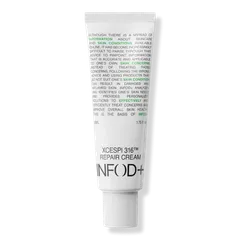
 InfoDPlus XCESPI 316 Repair Cream | Current | $30.00 | |
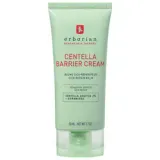 Erborian Centella Barrier Cream Cica Repair Balm, Strengthen Skin Barrier & Soothe Skin | 57% | $35.00 | |
Some By Mi Beta Panthenol Repair Body Cream | 54% | ≈ $13.41 | |
Abib Collagen Eye Creme Jericho Rose Tube | 52% | ≈ $16.03 | |
 Beyou Cosmetics Caffeine Eye Cream | 52% | - | |
 The Beauty Crop Peptide Calm Moisturising Barrier | 52% | $15.00 |
Key Actives
A fermentation product created by bacteria Lactobacillus. The fermented product has anti-bacterial properties and might be helpful in calming down inflammation, but studies are lacking. Helps attract water to the upper layer of the skin. Can be used as a preservative
A great moisturising ingredient that softens the skin and reduces water loss from its upper layer. It also can be helpful in protecting skin from free radicals
Helps attract water to the upper layer of the skin and can help improve skin barrier function
Might help improve cell turnover and reduce inflammation in skin. One study shows that the ingredients might be able to help reduce dynamic wrinkles (for example, in the corners of the eyes or on the forehead)
A type of lipid similar to ceramides naturally present in skin. Helps to soften the upper layer of the skin and supports the skin barrier function to keep it hydrated. Can help to prevent inflammation in skin
One of the best moisturizing ingredients. Naturally present in skin. It attracts water to the upper layer of the skin working as a humectant
Creates a thin drying film on the skin resulting in a short-term tightening effect
A good mix of fatty acids that forms a protective layer on the skin. Improves the shelf life of products. Derived from coconut and glycerin
One of the best moisturizing ingredients. Attracts water into the upper layer of the skin
An amino acid that is naturally present in skin and helps keep it hydrated. When used together with AHAs, it can reduce their irritating effect on the skin
Potential irritants
Creates a thin drying film on the skin resulting in a short-term tightening effect
An aromatic blend of unspecified and possibly irritating ingredients
Plant oil from nuts that helps soften the upper layer of the skin. Contains a high concentration of oleic acid that can weaken skin's barrier function and increase water-loss while enhancing penetration of other ingredients
A good mix of fatty acids that forms a protective layer on the skin. Improves the shelf life of products. Derived from coconut and glycerin
Helps oil and water mix together and used to stabilize product formulations
Helps oil and water mix together. Could be comedogenic
Used to dissolve other ingredients and to improve smell of products. It could be irritating
Helps soften the upper layer of the skin. At the same time, it can weaken the skin's barrier enhancing penetration of other ingredients and increasing the risk of skin dryness
Maintains the texture of skincare products. Allows the product to spread evenly. Helps oil and water mix together
Can work as an exfoliant but is typically used to adjust the product pH
Comedogenic ingredients
A great moisturising ingredient that softens the skin and reduces water loss from its upper layer. It also can be helpful in protecting skin from free radicals
Helps oil and water mix together. Could be comedogenic
All ingredients
One of the best moisturizing ingredients. Naturally present in skin. It attracts water to the upper layer of the skin working as a humectant
Helps to dissolve other ingredients in a formulation. Slows down the rate of product drying
An emollient that helps to soften the skin and create a pleasant product texture and stabilize the formulation
A great moisturising ingredient that softens the skin and reduces water loss from its upper layer. It also can be helpful in protecting skin from free radicals
Plant oil from nuts that helps soften the upper layer of the skin. Contains a high concentration of oleic acid that can weaken skin's barrier function and increase water-loss while enhancing penetration of other ingredients
An emollient that is naturally present in skin and helps soften it
A type of silicone that helps to create nice product texture and is used as an anti-foaming agent
Used to soften the upper layer of the skin and create a thicker product consistency
An emollient that softens the skin and forms a protective layer on its surface. Helps water and oil mix together
Helps attract water to the upper layer of the skin and can help improve skin barrier function
Non-drying alcohol that helps water and oil mix together. Also serves as an emollient
Used to create a nice product texture and help delivery of other ingredients. Might be somewhat helpful in attracting water to the upper layer of the skin
Creates a thin drying film on the skin resulting in a short-term tightening effect
Increases thickness of a product. Texture enhancer for oil-in-water emulsions
A good mix of fatty acids that forms a protective layer on the skin. Improves the shelf life of products. Derived from coconut and glycerin
An aromatic blend of unspecified and possibly irritating ingredients
Helps oil and water mix together and used to stabilize product formulations
Might help improve cell turnover and reduce inflammation in skin. One study shows that the ingredients might be able to help reduce dynamic wrinkles (for example, in the corners of the eyes or on the forehead)
Helps to retain moisture by creating a protective barrier on the skin. Rich in fatty acids. Improves product texture and helps with the penetration of other ingredients.
One of the best moisturizing ingredients. Attracts water into the upper layer of the skin
Helps oil and water mix together. Could be comedogenic
A type of lipid similar to ceramides naturally present in skin. Helps to soften the upper layer of the skin and supports the skin barrier function to keep it hydrated. Can help to prevent inflammation in skin
A fermentation product created by bacteria Lactobacillus. The fermented product has anti-bacterial properties and might be helpful in calming down inflammation, but studies are lacking. Helps attract water to the upper layer of the skin. Can be used as a preservative
Helps attract water to the upper layer of the skin. Could be helpful in restoring the skin barrier function
Used to dissolve other ingredients and to improve smell of products. It could be irritating
Helps soften the upper layer of the skin. At the same time, it can weaken the skin's barrier enhancing penetration of other ingredients and increasing the risk of skin dryness
An amino acid that is naturally present in skin and helps keep it hydrated. When used together with AHAs, it can reduce their irritating effect on the skin
Maintains the texture of skincare products. Allows the product to spread evenly. Helps oil and water mix together
Helps dissolve other ingredients in the formulation
Can work as an exfoliant but is typically used to adjust the product pH
Pure form of vitamin E. Can help moisturise and protect the skin from free radicals. Often used to help stabilise other ingredients or the formula itself
Ingredient list view
Water, Glycerin, Dipropylene glycol, Octyldodecanol, Diisostearyl malate, Butyrospermum parkii butter, Macadamia ternifolia seed oil, C15-23 alkane, 1,2-hexanediol, Palmitic acid, Stearic acid, Simethicone, Arachidyl alcohol, Cetearyl olivate, Glyceryl stearate, Panthenol, Sorbitan olivate, Behenyl alcohol, Butylene glycol, Pullulan, Ammonium acryloyldimethyltaurate/vp copolymer, C13-14 alkane, Caprylic/capric triglyceride, Arachidyl glucoside, Polyacrylate crosspolymer-6, Parfum, Hydroxypropyl starch phosphate, Ethylhexylglycerin, Adenosine, Hydrogenated lecithin, Sodium hyaluronate, Disodium edta, Myristic acid, Ceramide np, Arachidic acid, Lactobacillus ferment, Glucose, T-butyl alcohol, Oleic acid, Oligopeptide-191, Hydrolyzed sponge, Arginine, Acrylates/c10-30 alkyl acrylate crosspolymer, Diethoxyethyl succinate, Citric acid, Tocopherol
- Glycerol and the skin: holistic approach to its origin and functions
- Fatty acids profile of oil from nine varieties of Macadamia nut
- The influence of alkane chain length on the skin irritation potential of 1,2-alkanediols
- Skin moisturizing effects of panthenol-based formulations
- Safety Assessment of Panthenol, Pantothenic Acid, and Derivatives as Used in Cosmetics
- Evaluation of anti-wrinkle efficacy of adenosine-containing products using the FOITS technique
- Hyaluronic acid: A key molecule in skin aging
- Hyaluronan (Hyaluronic Acid): a natural moisturizer for skin care
- The fatty acid profile of the skin surface lipid layer in papulopustular rosacea
- Skin hydration is significantly increased by a cream formulated to mimic the skin’s own natural moisturizing systems
- Topically Applied Ceramides Interact with the Stratum Corneum Lipid Matrix in Compromised Ex Vivo Skin
- The effect of probiotics on immune regulation, acne, and photoaging
- Comparison of clinical and histological effects between lactobacillus-fermented Chamaecyparis obtusa and tea tree oil for the treatment of acne: an eight-week double-blind randomized controlled split-face study
- Use of Probiotics for Dermal Applications
- Topical Glucose Induces Claudin-1 and Filaggrin Expression in a Mouse Model of Atopic Dermatitis and in Keratinocyte Culture, Exerting Anti-inflammatory Effects by Repairing Skin Barrier Function
- Amended final report of the safety assessment of t-Butyl Alcohol as used in cosmetics
- Anti-Inflammatory and Skin Barrier Repair Effects of Topical Application of Some Plant Oils
- https://www.sciencedirect.com/science/article/pii/0168365995000887
- Vitamin E in dermatology
- Vitamin E and Skin Health