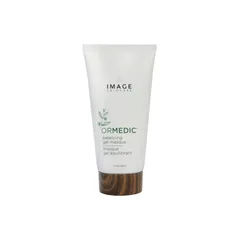
Works for:
based on ingredients and %- Moisturizing
Can it cause trouble?
- Irritation risk: high
- Comedogenic risk ingredients: 1
Key actives

Works for
Moisturizing
What does the product description say?
It replenishes moisture to dry or tired skin, plumping it up and protecting it against environmental stressors.
Source: Allbeauty
This product can help improve hydration of the skin with the two types of ingredients.
The first type is called “humectants”:
these ingredients help attract water.
When humectants are on the surface of the skin, they “pull in” the moisture from the outside environment, or from
within deeper layers of the skin. The following ingredients in this product do the job:
copper pca, glycerin.
This product also contains ingredients called “occlusives”. They help reduce the speed with which our skin loses moisture to the outside environment. These ingredients also help soften the upper layer of the skin, so it feels less tight and nicer to the touch. The following ingredients in this product do the job: caprylic/capric triglyceride, cocos nucifera fruit extract.
Helps attract water to the upper layer of the skin
One of the best moisturizing ingredients. Naturally present in skin. It attracts water to the upper layer of the skin working as a humectant
A fermented sweet black tea. There is no studies on particular benefits of this ingredient in skin. It can help attract water to the upper layer of the skin, and might have some anti-oxidant effect. It is used in skincare for mostly marketing purposes because of the popularity of kombucha drinks
A good mix of fatty acids that forms a protective layer on the skin. Improves the shelf life of products. Derived from coconut and glycerin
An emollient. Found to be as effective as a moisturizer for dry skin as mineral oil. Could be comedogenic
Traditionally used to treat sunburns, dermatitis and inflammation, but evidence for its effectiveness is lacking. The extract can contain humectants that help attract water into the skin
A fruit extract that might help to attract water to the upper layer of the skin, but there is no evidence for any other benefits to the skin
Plant extract that might help neutralize free radicals and support skin barrier function, but research on its effectiveness in skin is lacking
A fruit extract that might have some antioxidant properties and might help attract water to the skin, but evidence of effectiveness is lacking
A salt derived from licorice. Works as an emollient to soften the upper layer of the skin and can help calm down inflammation. Might be helpful for skin lightening
Can have some moisturizing properties due to its sugar content
Pure form of vitamin E. Can help moisturise and protect the skin from free radicals. Often used to help stabilise other ingredients or the formula itself
Can contain potent anti-oxidant compounds (abbreviated ECG, GCG, EGC, and EGCG) that might help protect the skin from free radicals. Can help calm down inflammation and has some anti-bacterial properties. Unfortunately, these antioxidants are unstable and lose their effectiveness very quickly in products. The concentration of the antioxidant compounds in the extract also tends to be low to be effective in topical formulation
How honest is this product?
| Promise | Can it deliver? |
|---|---|
| Moisturizing |
Total Promises Fulfilled score: 75/100.
We receive a small commission for purchases made through these links at no cost for you. Thank you for your support! Learn more
Potential irritants
Comedogenic ingredients
User reviews (0)
Averages from community submissions.
No reviews yet for this product.
Be the first to share your experience!
Tried this product?
Help capture what the ingredient list can't—texture, finish, pilling, scent, and more. Answer what you can, skip the rest.
Takes ~30 seconds.
Reviews are shown in aggregate. No personal details.
Key Actives
Can contain potent anti-oxidant compounds (abbreviated ECG, GCG, EGC, and EGCG) that might help protect the skin from free radicals. Can help calm down inflammation and has some anti-bacterial properties. Unfortunately, these antioxidants are unstable and lose their effectiveness very quickly in products. The concentration of the antioxidant compounds in the extract also tends to be low to be effective in topical formulation
Can contain potent anti-oxidant compounds (abbreviated ECG, GCG, EGC, and EGCG) that might help protect the skin from free radicals. Can help calm down inflammation and has some anti-bacterial properties. Unfortunately, these antioxidants are unstable and lose their effectiveness very quickly in products. The concentration of the antioxidant compounds in the extract also tends to be low to be effective in topical formulation
Pure form of vitamin E. Can help moisturise and protect the skin from free radicals. Often used to help stabilise other ingredients or the formula itself
A salt derived from licorice. Works as an emollient to soften the upper layer of the skin and can help calm down inflammation. Might be helpful for skin lightening
One of the best moisturizing ingredients. Naturally present in skin. It attracts water to the upper layer of the skin working as a humectant
A fermented sweet black tea. There is no studies on particular benefits of this ingredient in skin. It can help attract water to the upper layer of the skin, and might have some anti-oxidant effect. It is used in skincare for mostly marketing purposes because of the popularity of kombucha drinks
A good mix of fatty acids that forms a protective layer on the skin. Improves the shelf life of products. Derived from coconut and glycerin
Helps attract water to the upper layer of the skin
An emollient. Found to be as effective as a moisturizer for dry skin as mineral oil. Could be comedogenic
Potential irritants
Plant extract. Has some anti-microbial and anti-oxidant properties. Can be irritating
A plant extract that has some anti-oxidant and anti-bacterial properties. Can be irritating
A plant extract that is used as a fragrance. Can be irritating and lead to photosensitivity
A plant extract that can contain an active compound curcumin, that may have some anti-inflammatory properties when applied to the skin, but solid research is lacking and the typical concentration used in skincare products is too low. Can be an irritant
Red clover flower extract. Can contain anti-oxidants but also potential irritant compounds
A plant extract used as a fragrance. Can be irritating
A common frangrance that can easily irritate skin, especially if exposed to air, light or heat
Traditionally used to treat sunburns, dermatitis and inflammation, but evidence for its effectiveness is lacking. The extract can contain humectants that help attract water into the skin
Plant extract that might help neutralize free radicals and support skin barrier function, but research on its effectiveness in skin is lacking
A good mix of fatty acids that forms a protective layer on the skin. Improves the shelf life of products. Derived from coconut and glycerin
A fruit extract that might have some antioxidant properties and might help attract water to the skin, but evidence of effectiveness is lacking
Can have some moisturizing properties due to its sugar content
A fruit extract that might help to attract water to the upper layer of the skin, but there is no evidence for any other benefits to the skin
A fruit extract that might have some anti-oxidant properties
A fruit extract that might have some anti-oxidant properties but evidence of effectiveness in skin is lacking
Can work as an exfoliant but is typically used to adjust the product pH
Comedogenic ingredients
An emollient. Found to be as effective as a moisturizer for dry skin as mineral oil. Could be comedogenic
All ingredients
Traditionally used to treat sunburns, dermatitis and inflammation, but evidence for its effectiveness is lacking. The extract can contain humectants that help attract water into the skin
One of the best moisturizing ingredients. Naturally present in skin. It attracts water to the upper layer of the skin working as a humectant
A fermented sweet black tea. There is no studies on particular benefits of this ingredient in skin. It can help attract water to the upper layer of the skin, and might have some anti-oxidant effect. It is used in skincare for mostly marketing purposes because of the popularity of kombucha drinks
Plant extract that might help neutralize free radicals and support skin barrier function, but research on its effectiveness in skin is lacking
A good mix of fatty acids that forms a protective layer on the skin. Improves the shelf life of products. Derived from coconut and glycerin
A salt derived from licorice. Works as an emollient to soften the upper layer of the skin and can help calm down inflammation. Might be helpful for skin lightening
Used to stabilize the product formulation and can help absorb oil
Can contain potent anti-oxidant compounds (abbreviated ECG, GCG, EGC, and EGCG) that might help protect the skin from free radicals. Can help calm down inflammation and has some anti-bacterial properties. Unfortunately, these antioxidants are unstable and lose their effectiveness very quickly in products. The concentration of the antioxidant compounds in the extract also tends to be low to be effective in topical formulation
Plant extract. Has some anti-microbial and anti-oxidant properties. Can be irritating
A plant extract that has some anti-oxidant and anti-bacterial properties. Can be irritating
A plant extract that is used as a fragrance. Can be irritating and lead to photosensitivity
A plant extract that can contain an active compound curcumin, that may have some anti-inflammatory properties when applied to the skin, but solid research is lacking and the typical concentration used in skincare products is too low. Can be an irritant
A fruit extract that might have some antioxidant properties and might help attract water to the skin, but evidence of effectiveness is lacking
Can have some moisturizing properties due to its sugar content
Red clover flower extract. Can contain anti-oxidants but also potential irritant compounds
A fruit extract that might help to attract water to the upper layer of the skin, but there is no evidence for any other benefits to the skin
An emollient. Found to be as effective as a moisturizer for dry skin as mineral oil. Could be comedogenic
A fruit extract that might have some anti-oxidant properties
A fruit extract that might have some anti-oxidant properties but evidence of effectiveness in skin is lacking
A plant extract used as a fragrance. Can be irritating
Pure form of vitamin E. Can help moisturise and protect the skin from free radicals. Often used to help stabilise other ingredients or the formula itself
Can work as an exfoliant but is typically used to adjust the product pH
A preservative. It helps prevent bacterial growth in cosmetic products
A common frangrance that can easily irritate skin, especially if exposed to air, light or heat
Traditionally used to treat sunburns, dermatitis and inflammation, but evidence for its effectiveness is lacking. The extract can contain humectants that help attract water into the skin
Can contain potent anti-oxidant compounds (abbreviated ECG, GCG, EGC, and EGCG) that might help protect the skin from free radicals. Can help calm down inflammation and has some anti-bacterial properties. Unfortunately, these antioxidants are unstable and lose their effectiveness very quickly in products. The concentration of the antioxidant compounds in the extract also tends to be low to be effective in topical formulation
Plant extract. Has some anti-microbial and anti-oxidant properties. Can be irritating
A plant extract that has some anti-oxidant and anti-bacterial properties. Can be irritating
A plant extract that can contain an active compound curcumin, that may have some anti-inflammatory properties when applied to the skin, but solid research is lacking and the typical concentration used in skincare products is too low. Can be an irritant
Ingredient list view
Water, Aloe barbadensis leaf juice, Glycerin, Vitis vinifera fruit water, Saccharomyces/xylinum/black tea ferment, Sodium carbomer, Polysorbate 20, Ophiopogon japonicus root extract, Caprylic/capric triglyceride, Dipotassium glycyrrhizate, Maltodextrin, Ethylhexylglycerin, Copper pca, Camellia sinensis leaf extract, Tetrasodium glutamate diacetate, Opuntia ficus-indica stem extract, Arctium lappa root extract, Calendula officinalis flower extract, Citrus aurantium dulcis fruit extract, Citrus limon peel extract, Curcuma longa root extract, Juniperus virginiana wood extract, Musa sapientum fruit extract, Nelumbo nucifera flower extract, Prunus armeniaca fruit extract, Pyrus malus fruit extract, Tamarindus indica fruit extract, Trifolium pratense flower extract, Ananas sativus fruit extract, Butter extract, Citrus paradisi fruit extract, Cocos nucifera fruit extract, Coffea arabica leaf/seed extract, Cucumis melo fruit extract, Fragaria chiloensis fruit extract, Prunus amygdalus dulcis fruit extract, Rubus idaeus fruit extract, Vanilla planifolia fruit extract, Tocopherol, Citric acid, Sodium hydroxide, Sodium glycolate, Sodium formate, Phenoxyethanol, Potassium sorbate, Sodium benzoate, Amyl cinnamal, Limonene, Aloe barbadensis leaf juice, Vitis vinifera fruit water, Camellia sinensis leaf extract, Arctium lappa root extract, Calendula officinalis flower extract, Curcuma longa root extract, Nelumbo nucifera flower extract, Tamarindus indica fruit extract
- Glycerol and the skin: holistic approach to its origin and functions
- Effects of steroidal saponins extract from Ophiopogon japonicus root ameliorates doxorubicin-induced chronic heart failure by inhibiting oxidative stress and inflammatory response
- Cosmetic use of an ophiopogon japonicus active principle
- Ameliorating effect of dipotassium glycyrrhizinate on an IL-4- and IL-13-induced atopic dermatitis-like skin-equivalent model
- Final report on the safety assessment of Glycyrrhetinic Acid, Potassium Glycyrrhetinate, Disodium Succinoyl Glycyrrhetinate, Glyceryl Glycyrrhetinate, Glycyrrhetinyl Stearate, Stearyl Glycyrrhetinate, Glycyrrhizic Acid, Ammonium Glycyrrhizate, Dipotassium Glycyrrhizate, Disodium Glycyrrhizate, Trisodium Glycyrrhizate, Methyl Glycyrrhizate, and Potassium Glycyrrhizinate.
- Contact dermatitis as an adverse reaction to some topically used European herbal medicinal products – part 1: Achillea millefolium–Curcuma longa
- Topical application of Calendula officinalis (L.): Formulation and evaluation of hydrophilic cream with antioxidant activity
- The seamy side of natural medicines: contact sensitization to arnica (Arnica montana L.) and marigold (Calendula officinalis L.)
- Final report on the safety assessment of Calendula officinalis extract and Calendula officinalis
- Safety Assessment of Citrus Fruit-Derived Ingredients as Used in Cosmetics
- Photosensitivity in children: An approach to diagnosis and management
- Vaughn, A. R., Branum, A., & Sivamani, R. K. (2016). Effects of Turmeric (Curcuma longa) on Skin Health: A Systematic Review of the Clinical Evidence. Phytotherapy Research, 30(8), 1243–1264. doi:10.1002/ptr.5640
- Antioxidant and anti-inflammatory properties of a Cucumis melo LC. extract rich in superoxide dismutase activity
- ANTIOXIDANT ACTIVITY OF FRUIT EXTRACTS USED IN COSMETIC PRODUCTS
- Vitamin E in dermatology
- Vitamin E and Skin Health