Works for:
based on ingredients and %- Evens skin tone
- Anti-oxidation
Doesn't work for:
based on ingredients and %- Moisturizing
- Exfoliation
- Anti-blemish
Can it cause trouble?
- Irritation risk: low
- Comedogenic risk ingredients: 0
Key actives

Product Summary
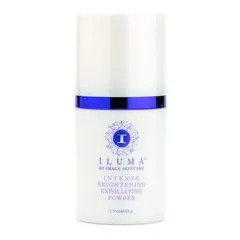
"Image skincare - Iluma Intense Brightening Exfoliating Powder" could be helpful for: Evens skin tone, but its actives are not the most effective or are not well-studied.
Ingredient callouts
- Dipotassium Glycyrrhizate in this product (0.45% - 1.10%) can also further help improve the skin barrier. It might be able to calm down inflammation and reduce sensitivity. Dipotassium Glycyrrhizate is an active compound from the licorice root.
Price
The product retails for 38.00$ in the United States, from 32.19£ up to 921.00£ in the United Kingdom and for 96.00A$ in Australia.
For a detailed price comparison: click here.
Anti-oxidation
This product contains antioxidants (3-o-ethyl ascorbic acid) that might be able to help neutralize free radicals in skin to lessen the damage it gets from the UV light (sun). There is not enough evidence to confirm their effectiveness in skin though.
A vitamin C derivative that is more stable but less potent than pure form of vitamin C. Can help neutralize free radicals and help reduce hyperpigmentation, but the required concentration is likely to be much higher than for the pure form of vitamin C, limiting the ingredient's effectiveness in products
A plant extract that can help lighten the skin and calm down inflammation. Might be helpful in neutralizing free radicals
Consists of 95% calcium carbonate that does not have any effect on the skin. The remaining 5% can include compounds that can help neutralize free radicals and support skin barrier function
Can contain potent anti-oxidant compounds (abbreviated ECG, GCG, EGC, and EGCG) that might help protect the skin from free radicals. Can help calm down inflammation and has some anti-bacterial properties. Unfortunately, these antioxidants are unstable and lose their effectiveness very quickly in products. The concentration of the antioxidant compounds in the extract also tends to be low to be effective in topical formulation
Evens skin tone
What does the product description say?
Corrects uneven skin texture and improves skin brightness whilst remaining gentle on the skin.
Source: Allbeauty
The following ingredient (ingredients) in this product might be helpful, but there is no evidence to confirm that it actually works: 3-o-ethyl ascorbic acid, glycyrrhiza glabra root extract, lactobacillus/pumpkin ferment extract.
A vitamin C derivative that is more stable but less potent than pure form of vitamin C. Can help neutralize free radicals and help reduce hyperpigmentation, but the required concentration is likely to be much higher than for the pure form of vitamin C, limiting the ingredient's effectiveness in products
A plant extract that can help lighten the skin and calm down inflammation. Might be helpful in neutralizing free radicals
An enzyme-based exfoliant
An exfoliating and moisturizing alpha-hydroxy acid (AHA). Typically causes less irritation than other AHAs, for example, glycolic acid. At high concentrations (about 15%), lactic acid can help reduce lines and wrinkles. Recent studies show that lactic acid can support the "good" bacteria living on skin's surface (healthy skin microbiome)
A salt derived from licorice. Works as an emollient to soften the upper layer of the skin and can help calm down inflammation. Might be helpful for skin lightening
Can contain potent anti-oxidant compounds (abbreviated ECG, GCG, EGC, and EGCG) that might help protect the skin from free radicals. Can help calm down inflammation and has some anti-bacterial properties. Unfortunately, these antioxidants are unstable and lose their effectiveness very quickly in products. The concentration of the antioxidant compounds in the extract also tends to be low to be effective in topical formulation
Exfoliation
What does the product description say?
Iluma Intense Brightening Exfoliating Powder
Source: From product name
This product might help exfoliate the skin with lactobacillus/pumpkin ferment extract, papain, but These ingredients is not the most effective.
An enzyme extracted from papaya fruit. Can have an exfoliating effect on the skin. Can be irritating
An enzyme-based exfoliant
An exfoliating and moisturizing alpha-hydroxy acid (AHA). Typically causes less irritation than other AHAs, for example, glycolic acid. At high concentrations (about 15%), lactic acid can help reduce lines and wrinkles. Recent studies show that lactic acid can support the "good" bacteria living on skin's surface (healthy skin microbiome)
Moisturizing
What does the product description say?
A micro-exfoliating powder blend that removes debris and oil from pores while providing long-term hydration and anti-ageing benefits.
Source: Face the future
Does not contain the most effective ingredients for moisturization. The humectants (lactose, propylene glycol) can help attract water to the upper layer of the skin. Keep in mind though that this product lacks emollients that can reduce the moisture loss over time. You might want to use a separate product emollients and occlusives like dimethicone, oils, or butters on top.
Helps attract water to the upper layer of the skin
Consists of 95% calcium carbonate that does not have any effect on the skin. The remaining 5% can include compounds that can help neutralize free radicals and support skin barrier function
Helps oil and water mix together and can enhance the penetration of other ingredients into the skin. It can be irritating
A protein derived from milk. In skincare products, might help to soften the upper layer of the skin
An exfoliating and moisturizing alpha-hydroxy acid (AHA). Typically causes less irritation than other AHAs, for example, glycolic acid. At high concentrations (about 15%), lactic acid can help reduce lines and wrinkles. Recent studies show that lactic acid can support the "good" bacteria living on skin's surface (healthy skin microbiome)
A salt derived from licorice. Works as an emollient to soften the upper layer of the skin and can help calm down inflammation. Might be helpful for skin lightening
Can contain potent anti-oxidant compounds (abbreviated ECG, GCG, EGC, and EGCG) that might help protect the skin from free radicals. Can help calm down inflammation and has some anti-bacterial properties. Unfortunately, these antioxidants are unstable and lose their effectiveness very quickly in products. The concentration of the antioxidant compounds in the extract also tends to be low to be effective in topical formulation
Anti-blemish
What does the product description say?
A micro-exfoliating powder blend that removes debris and oil from pores while providing long-term hydration and anti-ageing benefits.
Source: Face the future
Effective ingredients missing or their concentration is too low.
Can contain potent anti-oxidant compounds (abbreviated ECG, GCG, EGC, and EGCG) that might help protect the skin from free radicals. Can help calm down inflammation and has some anti-bacterial properties. Unfortunately, these antioxidants are unstable and lose their effectiveness very quickly in products. The concentration of the antioxidant compounds in the extract also tends to be low to be effective in topical formulation
How honest is this product?
| Promise | Can it deliver? |
|---|---|
| Evens skin tone | |
| Exfoliation | |
| Moisturizing | |
| Anti-blemish |
Total Promises Fulfilled score: 43/100.
We receive a small commission for purchases made through these links at no cost for you. Thank you for your support! Learn more
Potential irritants
Comedogenic ingredients
No comedogenic ingredients detected
User reviews (0)
Averages from community submissions.
No reviews yet for this product.
Be the first to share your experience!
Tried this product?
Help capture what the ingredient list can't—texture, finish, pilling, scent, and more. Answer what you can, skip the rest.
Takes ~30 seconds.
Reviews are shown in aggregate. No personal details.
Key Actives
Can contain potent anti-oxidant compounds (abbreviated ECG, GCG, EGC, and EGCG) that might help protect the skin from free radicals. Can help calm down inflammation and has some anti-bacterial properties. Unfortunately, these antioxidants are unstable and lose their effectiveness very quickly in products. The concentration of the antioxidant compounds in the extract also tends to be low to be effective in topical formulation
A vitamin C derivative that is more stable but less potent than pure form of vitamin C. Can help neutralize free radicals and help reduce hyperpigmentation, but the required concentration is likely to be much higher than for the pure form of vitamin C, limiting the ingredient's effectiveness in products
A salt derived from licorice. Works as an emollient to soften the upper layer of the skin and can help calm down inflammation. Might be helpful for skin lightening
Potential irritants
A vitamin C derivative that is more stable but less potent than pure form of vitamin C. Can help neutralize free radicals and help reduce hyperpigmentation, but the required concentration is likely to be much higher than for the pure form of vitamin C, limiting the ingredient's effectiveness in products
An enzyme extracted from papaya fruit. Can have an exfoliating effect on the skin. Can be irritating
Helps oil and water mix together and can enhance the penetration of other ingredients into the skin. It can be irritating
Used to improve the product consistency and stabilize formulations
An exfoliating and moisturizing alpha-hydroxy acid (AHA). Typically causes less irritation than other AHAs, for example, glycolic acid. At high concentrations (about 15%), lactic acid can help reduce lines and wrinkles. Recent studies show that lactic acid can support the "good" bacteria living on skin's surface (healthy skin microbiome)
A plant extract that can help lighten the skin and calm down inflammation. Might be helpful in neutralizing free radicals
Comedogenic ingredients
We couldn't find any comedogenic ingredients in this product
All ingredients
A vitamin C derivative that is more stable but less potent than pure form of vitamin C. Can help neutralize free radicals and help reduce hyperpigmentation, but the required concentration is likely to be much higher than for the pure form of vitamin C, limiting the ingredient's effectiveness in products
Used to stabilize mixtures of oil and water, and create thicker, gel-like product textures
Used to improve the product consistency and stabilize formulations
A salt derived from licorice. Works as an emollient to soften the upper layer of the skin and can help calm down inflammation. Might be helpful for skin lightening
Consists of 95% calcium carbonate that does not have any effect on the skin. The remaining 5% can include compounds that can help neutralize free radicals and support skin barrier function
Used to stabilize the product formulation and can help absorb oil
An exfoliating and moisturizing alpha-hydroxy acid (AHA). Typically causes less irritation than other AHAs, for example, glycolic acid. At high concentrations (about 15%), lactic acid can help reduce lines and wrinkles. Recent studies show that lactic acid can support the "good" bacteria living on skin's surface (healthy skin microbiome)
A protein derived from milk. In skincare products, might help to soften the upper layer of the skin
An enzyme extracted from papaya fruit. Can have an exfoliating effect on the skin. Can be irritating
Helps oil and water mix together and can enhance the penetration of other ingredients into the skin. It can be irritating
A plant extract that can help lighten the skin and calm down inflammation. Might be helpful in neutralizing free radicals
Can contain potent anti-oxidant compounds (abbreviated ECG, GCG, EGC, and EGCG) that might help protect the skin from free radicals. Can help calm down inflammation and has some anti-bacterial properties. Unfortunately, these antioxidants are unstable and lose their effectiveness very quickly in products. The concentration of the antioxidant compounds in the extract also tends to be low to be effective in topical formulation
A preservative. It helps prevent bacterial growth in cosmetic products
Ingredient list view
Cocos nucifera fruit powder, Potassium myristate, Sodium bicarbonate, Sodium lauryl sulfoacetate, Oryza sativa starch, Sodium sesquicarbonate, 3-o-ethyl ascorbic acid, Sodium chloride, Dimethyl sulfone, Sodium sulfate, Bromelain, Dipotassium glycyrrhizate, Pearl powder, Maltodextrin, Lactose, Lactic acid, Whey protein, Lactobacillus/pumpkin ferment extract, Papain, Water, Propylene glycol, Glycyrrhiza glabra root extract, Camellia sinensis leaf extract, Phenoxyethanol
- Antioxidant Ability and Stability Studies of 3-O-Ethyl Ascorbic Acid, a Cosmetic Tyrosinase Inhibitor
- Amended Safety Assessment of Sodium Sulfate as Used in Cosmetics
- Ameliorating effect of dipotassium glycyrrhizinate on an IL-4- and IL-13-induced atopic dermatitis-like skin-equivalent model
- Final report on the safety assessment of Glycyrrhetinic Acid, Potassium Glycyrrhetinate, Disodium Succinoyl Glycyrrhetinate, Glyceryl Glycyrrhetinate, Glycyrrhetinyl Stearate, Stearyl Glycyrrhetinate, Glycyrrhizic Acid, Ammonium Glycyrrhizate, Dipotassium Glycyrrhizate, Disodium Glycyrrhizate, Trisodium Glycyrrhizate, Methyl Glycyrrhizate, and Potassium Glycyrrhizinate.
- Mother of pearl: The power of pearl powder
- Epidermal and dermal effects of topical lactic acid