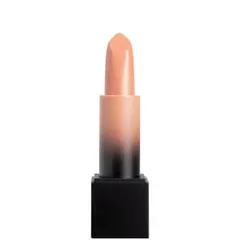
Works for:
based on ingredients and %- Moisturizing
- Anti-aging
Can it cause trouble?
- Irritation risk: high
- Comedogenic risk ingredients: 28
Key actives
Works for
Moisturizing
What does the product description say?
Using the brands patented Maxi-lip complex (a blend of peptides), hydraberry (stem cells derived from raspberry extract) and sea fennel (a sea-derived plant thats rich in minerals and vitamins), the Power Bullet Cream Glow formula works to stimulate collagen production, smooth, plump, hydrate, condition, retexturize and provide antioxidant protection.
Source: Cultbeauty
This product can help soften the skin and reduce its moisture loss with emollients and occlusives: palmitoyl tripeptide-1, diisostearyl malate.
Keep in mind that this product does not contain effective ingredients to attract water to the upper layer of the skin. This is why an additional product with humectants like glycerin or hyaluronic acid can be helpful (apply it before this product for the best results).
The following ingredients in this product are especially good for supporting the skin barrier and helping with the hydration level: palmitoyl tripeptide-1
A type of peptide. Peptides are excellent moisturizers and might be able support collagen production reducing fine lines and wrinkles
An emollient that helps soften the skin and create a nice product texture
An oil from a mixture of different vegetables. Helps soften the upper layer of the skin
Helps to soften the upper layer of the skin
Used to create a thicker product consistency and soften the upper layer of the skin
An emollient that helps to soften the skin and create a pleasant product texture and stabilize the formulation
Used to improve the product consistency and soften the upper layer of the skin
Helps form a film on the skin surface
Is used to dissolve other ingredients and create nice product texture
A good mix of fatty acids that forms a protective layer on the skin. Improves the shelf life of products. Derived from coconut and glycerin
An exfoliating and moisturizing alpha-hydroxy acid (AHA). Typically causes less irritation than other AHAs, for example, glycolic acid. At high concentrations (about 15%), lactic acid can help reduce lines and wrinkles. Recent studies show that lactic acid can support the "good" bacteria living on skin's surface (healthy skin microbiome)
Anti-aging
This product contains palmitoyl tripeptide-1. This ingredient might be able to help reduce and prevent fine lines and wrinkles, improve skin elasticity and firmness, but there is not enough evidence that it actually works.
A type of peptide. Peptides are excellent moisturizers and might be able support collagen production reducing fine lines and wrinkles
An exfoliating and moisturizing alpha-hydroxy acid (AHA). Typically causes less irritation than other AHAs, for example, glycolic acid. At high concentrations (about 15%), lactic acid can help reduce lines and wrinkles. Recent studies show that lactic acid can support the "good" bacteria living on skin's surface (healthy skin microbiome)
How honest is this product?
| Promise | Can it deliver? |
|---|---|
| Moisturizing |
Total Promises Fulfilled score: 100/100.
We receive a small commission for purchases made through these links at no cost for you. Thank you for your support! Learn more
Affiliate link · supports WIMJ at no cost to you
Potential irritants
Comedogenic ingredients
User reviews (0)
Averages from community submissions.
No reviews yet for this product.
Be the first to share your experience!
Tried this product?
Help capture what the ingredient list can't—texture, finish, pilling, scent, and more. Answer what you can, skip the rest.
Takes ~30 seconds.
Reviews are shown in aggregate. No personal details.
| Product | Similarity | Price | Irritancy |
|---|---|---|---|
 HUDA BEAUTY Power Bullet Cream Glow Bossy Browns | Current | ≈ $29.33 | |
 FENTY BEAUTY by Rihanna Gloss Bomb Cream Color Drip Lip Cream | 50% | ≈ $19.18 |
Key Actives
A type of peptide. Peptides are excellent moisturizers and might be able support collagen production reducing fine lines and wrinkles
A type of peptide. Peptides are excellent moisturizers and might be able support collagen production reducing fine lines and wrinkles
A type of peptide. Peptides are excellent moisturizers and might be able support collagen production reducing fine lines and wrinkles
A type of peptide. Peptides are excellent moisturizers and might be able support collagen production reducing fine lines and wrinkles
A type of peptide. Peptides are excellent moisturizers and might be able support collagen production reducing fine lines and wrinkles
A type of peptide. Peptides are excellent moisturizers and might be able support collagen production reducing fine lines and wrinkles
A type of peptide. Peptides are excellent moisturizers and might be able support collagen production reducing fine lines and wrinkles
Helps thicken the product consistency
A good mix of fatty acids that forms a protective layer on the skin. Improves the shelf life of products. Derived from coconut and glycerin
Works as a UV filter when used in high concentrations. It is photostable and is effective mostly against the UVB light, with some protection in the UVA range. In small concentrations, used for its ability to improve the color of cosmetic products. Is usually well tolerated by the skin
Helps thicken the product consistency
A good mix of fatty acids that forms a protective layer on the skin. Improves the shelf life of products. Derived from coconut and glycerin
Works as a UV filter when used in high concentrations. It is photostable and is effective mostly against the UVB light, with some protection in the UVA range. In small concentrations, used for its ability to improve the color of cosmetic products. Is usually well tolerated by the skin
Helps thicken the product consistency
A good mix of fatty acids that forms a protective layer on the skin. Improves the shelf life of products. Derived from coconut and glycerin
Works as a UV filter when used in high concentrations. It is photostable and is effective mostly against the UVB light, with some protection in the UVA range. In small concentrations, used for its ability to improve the color of cosmetic products. Is usually well tolerated by the skin
Helps thicken the product consistency
A good mix of fatty acids that forms a protective layer on the skin. Improves the shelf life of products. Derived from coconut and glycerin
Works as a UV filter when used in high concentrations. It is photostable and is effective mostly against the UVB light, with some protection in the UVA range. In small concentrations, used for its ability to improve the color of cosmetic products. Is usually well tolerated by the skin
Helps thicken the product consistency
A good mix of fatty acids that forms a protective layer on the skin. Improves the shelf life of products. Derived from coconut and glycerin
Works as a UV filter when used in high concentrations. It is photostable and is effective mostly against the UVB light, with some protection in the UVA range. In small concentrations, used for its ability to improve the color of cosmetic products. Is usually well tolerated by the skin
Helps thicken the product consistency
A good mix of fatty acids that forms a protective layer on the skin. Improves the shelf life of products. Derived from coconut and glycerin
Works as a UV filter when used in high concentrations. It is photostable and is effective mostly against the UVB light, with some protection in the UVA range. In small concentrations, used for its ability to improve the color of cosmetic products. Is usually well tolerated by the skin
Helps thicken the product consistency
A good mix of fatty acids that forms a protective layer on the skin. Improves the shelf life of products. Derived from coconut and glycerin
Works as a UV filter when used in high concentrations. It is photostable and is effective mostly against the UVB light, with some protection in the UVA range. In small concentrations, used for its ability to improve the color of cosmetic products. Is usually well tolerated by the skin
Potential irritants
Used to improve the product adherence to the skin, for example, to pro-long the protective effect of sunscreens. Can be irritating to very sensitive skin
A good mix of fatty acids that forms a protective layer on the skin. Improves the shelf life of products. Derived from coconut and glycerin
Helps improve the product texture and soften the upper layer of the skin
An exfoliating and moisturizing alpha-hydroxy acid (AHA). Typically causes less irritation than other AHAs, for example, glycolic acid. At high concentrations (about 15%), lactic acid can help reduce lines and wrinkles. Recent studies show that lactic acid can support the "good" bacteria living on skin's surface (healthy skin microbiome)
A plant extract that might have some anti-oxidant properties but evidence of effectiveness in skin is lacking
Comedogenic ingredients
An emollient that helps soften the skin and create a nice product texture
An oil from a mixture of different vegetables. Helps soften the upper layer of the skin
An algae extract that might have anti-oxidant properties
An emollient that helps soften the skin and create a nice product texture
An oil from a mixture of different vegetables. Helps soften the upper layer of the skin
An algae extract that might have anti-oxidant properties
An emollient that helps soften the skin and create a nice product texture
An oil from a mixture of different vegetables. Helps soften the upper layer of the skin
An algae extract that might have anti-oxidant properties
An emollient that helps soften the skin and create a nice product texture
An oil from a mixture of different vegetables. Helps soften the upper layer of the skin
An algae extract that might have anti-oxidant properties
An emollient that helps soften the skin and create a nice product texture
An oil from a mixture of different vegetables. Helps soften the upper layer of the skin
An algae extract that might have anti-oxidant properties
An emollient that helps soften the skin and create a nice product texture
An oil from a mixture of different vegetables. Helps soften the upper layer of the skin
An algae extract that might have anti-oxidant properties
An emollient that helps soften the skin and create a nice product texture
An oil from a mixture of different vegetables. Helps soften the upper layer of the skin
An algae extract that might have anti-oxidant properties
All ingredients
Used to improve the product consistency and soften the upper layer of the skin
Creates a nice product texture and can support water-resistance of sunscreens
An emollient that helps to soften the skin and create a pleasant product texture and stabilize the formulation
Used to improve the product adherence to the skin, for example, to pro-long the protective effect of sunscreens. Can be irritating to very sensitive skin
Helps form a film on the skin surface
Used to create a thicker product consistency
A good mix of fatty acids that forms a protective layer on the skin. Improves the shelf life of products. Derived from coconut and glycerin
An emollient that helps soften the skin and create a nice product texture
Used to create a gel-like product texture
Is used to dissolve other ingredients and create nice product texture
Used to create a thicker product consistency and soften the upper layer of the skin
Creates an illusion of smoother and more radiant skin tone. Adds shimmer to the skin by reflecting light
Used to increase stability of product formulations
An oil from a mixture of different vegetables. Helps soften the upper layer of the skin
Helps improve the product texture and soften the upper layer of the skin
An algae extract that might have anti-oxidant properties
An exfoliating and moisturizing alpha-hydroxy acid (AHA). Typically causes less irritation than other AHAs, for example, glycolic acid. At high concentrations (about 15%), lactic acid can help reduce lines and wrinkles. Recent studies show that lactic acid can support the "good" bacteria living on skin's surface (healthy skin microbiome)
A type of peptide. Peptides are excellent moisturizers and might be able support collagen production reducing fine lines and wrinkles
A plant extract that might have some anti-oxidant properties but evidence of effectiveness in skin is lacking
The same compound that is used safely in dental implants and bone cements. In cosmetics, it is used to improve the consistency of products
A mineral that is used as an optical filter (makes the skin looks nicer through light reflection) and to improve the texture of cosmetic products
A colorant that can add a pearl-like appearance to the formulation
Works as a UV filter when used in high concentrations. It is photostable and is effective mostly against the UVB light, with some protection in the UVA range. In small concentrations, used for its ability to improve the color of cosmetic products. Is usually well tolerated by the skin
An umbrella term for the following three colorants: CI 77491, CI 77492, CI 77499. They might be able to offer some protection against visible light, but the degree of the protection is not clear
An umbrella term for the following three colorants: CI 77491, CI 77492, CI 77499. They might be able to offer some protection against visible light, but the degree of the protection is not clear
Used to improve the product consistency and soften the upper layer of the skin
Creates a nice product texture and can support water-resistance of sunscreens
An emollient that helps to soften the skin and create a pleasant product texture and stabilize the formulation
Used to improve the product adherence to the skin, for example, to pro-long the protective effect of sunscreens. Can be irritating to very sensitive skin
Helps form a film on the skin surface
Used to create a thicker product consistency
A good mix of fatty acids that forms a protective layer on the skin. Improves the shelf life of products. Derived from coconut and glycerin
An emollient that helps soften the skin and create a nice product texture
Used to create a gel-like product texture
Is used to dissolve other ingredients and create nice product texture
Used to create a thicker product consistency and soften the upper layer of the skin
Creates an illusion of smoother and more radiant skin tone. Adds shimmer to the skin by reflecting light
Used to increase stability of product formulations
An oil from a mixture of different vegetables. Helps soften the upper layer of the skin
Helps improve the product texture and soften the upper layer of the skin
An algae extract that might have anti-oxidant properties
An exfoliating and moisturizing alpha-hydroxy acid (AHA). Typically causes less irritation than other AHAs, for example, glycolic acid. At high concentrations (about 15%), lactic acid can help reduce lines and wrinkles. Recent studies show that lactic acid can support the "good" bacteria living on skin's surface (healthy skin microbiome)
A type of peptide. Peptides are excellent moisturizers and might be able support collagen production reducing fine lines and wrinkles
A plant extract that might have some anti-oxidant properties but evidence of effectiveness in skin is lacking
The same compound that is used safely in dental implants and bone cements. In cosmetics, it is used to improve the consistency of products
A mineral that is used as an optical filter (makes the skin looks nicer through light reflection) and to improve the texture of cosmetic products
A colorant that can add a pearl-like appearance to the formulation
Works as a UV filter when used in high concentrations. It is photostable and is effective mostly against the UVB light, with some protection in the UVA range. In small concentrations, used for its ability to improve the color of cosmetic products. Is usually well tolerated by the skin
An umbrella term for the following three colorants: CI 77491, CI 77492, CI 77499. They might be able to offer some protection against visible light, but the degree of the protection is not clear
An umbrella term for the following three colorants: CI 77491, CI 77492, CI 77499. They might be able to offer some protection against visible light, but the degree of the protection is not clear
Used to improve the product consistency and soften the upper layer of the skin
Creates a nice product texture and can support water-resistance of sunscreens
An emollient that helps to soften the skin and create a pleasant product texture and stabilize the formulation
Used to improve the product adherence to the skin, for example, to pro-long the protective effect of sunscreens. Can be irritating to very sensitive skin
Helps form a film on the skin surface
Used to create a thicker product consistency
A good mix of fatty acids that forms a protective layer on the skin. Improves the shelf life of products. Derived from coconut and glycerin
An emollient that helps soften the skin and create a nice product texture
Used to create a gel-like product texture
Is used to dissolve other ingredients and create nice product texture
Used to create a thicker product consistency and soften the upper layer of the skin
Creates an illusion of smoother and more radiant skin tone. Adds shimmer to the skin by reflecting light
Used to increase stability of product formulations
An oil from a mixture of different vegetables. Helps soften the upper layer of the skin
Helps improve the product texture and soften the upper layer of the skin
An algae extract that might have anti-oxidant properties
An exfoliating and moisturizing alpha-hydroxy acid (AHA). Typically causes less irritation than other AHAs, for example, glycolic acid. At high concentrations (about 15%), lactic acid can help reduce lines and wrinkles. Recent studies show that lactic acid can support the "good" bacteria living on skin's surface (healthy skin microbiome)
A type of peptide. Peptides are excellent moisturizers and might be able support collagen production reducing fine lines and wrinkles
A plant extract that might have some anti-oxidant properties but evidence of effectiveness in skin is lacking
The same compound that is used safely in dental implants and bone cements. In cosmetics, it is used to improve the consistency of products
A mineral that is used as an optical filter (makes the skin looks nicer through light reflection) and to improve the texture of cosmetic products
A colorant that can add a pearl-like appearance to the formulation
Works as a UV filter when used in high concentrations. It is photostable and is effective mostly against the UVB light, with some protection in the UVA range. In small concentrations, used for its ability to improve the color of cosmetic products. Is usually well tolerated by the skin
An umbrella term for the following three colorants: CI 77491, CI 77492, CI 77499. They might be able to offer some protection against visible light, but the degree of the protection is not clear
An umbrella term for the following three colorants: CI 77491, CI 77492, CI 77499. They might be able to offer some protection against visible light, but the degree of the protection is not clear
Used to improve the product consistency and soften the upper layer of the skin
Creates a nice product texture and can support water-resistance of sunscreens
An emollient that helps to soften the skin and create a pleasant product texture and stabilize the formulation
Used to improve the product adherence to the skin, for example, to pro-long the protective effect of sunscreens. Can be irritating to very sensitive skin
Creates an illusion of smoother and more radiant skin tone. Adds shimmer to the skin by reflecting light
Helps form a film on the skin surface
Used to create a thicker product consistency
A good mix of fatty acids that forms a protective layer on the skin. Improves the shelf life of products. Derived from coconut and glycerin
An emollient that helps soften the skin and create a nice product texture
Used to create a gel-like product texture
Is used to dissolve other ingredients and create nice product texture
Used to create a thicker product consistency and soften the upper layer of the skin
Used to increase stability of product formulations
An oil from a mixture of different vegetables. Helps soften the upper layer of the skin
Helps improve the product texture and soften the upper layer of the skin
An algae extract that might have anti-oxidant properties
An exfoliating and moisturizing alpha-hydroxy acid (AHA). Typically causes less irritation than other AHAs, for example, glycolic acid. At high concentrations (about 15%), lactic acid can help reduce lines and wrinkles. Recent studies show that lactic acid can support the "good" bacteria living on skin's surface (healthy skin microbiome)
A type of peptide. Peptides are excellent moisturizers and might be able support collagen production reducing fine lines and wrinkles
A plant extract that might have some anti-oxidant properties but evidence of effectiveness in skin is lacking
The same compound that is used safely in dental implants and bone cements. In cosmetics, it is used to improve the consistency of products
A mineral that is used as an optical filter (makes the skin looks nicer through light reflection) and to improve the texture of cosmetic products
A colorant that can add a pearl-like appearance to the formulation
Works as a UV filter when used in high concentrations. It is photostable and is effective mostly against the UVB light, with some protection in the UVA range. In small concentrations, used for its ability to improve the color of cosmetic products. Is usually well tolerated by the skin
An umbrella term for the following three colorants: CI 77491, CI 77492, CI 77499. They might be able to offer some protection against visible light, but the degree of the protection is not clear
An umbrella term for the following three colorants: CI 77491, CI 77492, CI 77499. They might be able to offer some protection against visible light, but the degree of the protection is not clear
Used to improve the product consistency and soften the upper layer of the skin
Creates a nice product texture and can support water-resistance of sunscreens
An emollient that helps to soften the skin and create a pleasant product texture and stabilize the formulation
Used to improve the product adherence to the skin, for example, to pro-long the protective effect of sunscreens. Can be irritating to very sensitive skin
Helps form a film on the skin surface
Used to create a thicker product consistency
A good mix of fatty acids that forms a protective layer on the skin. Improves the shelf life of products. Derived from coconut and glycerin
An emollient that helps soften the skin and create a nice product texture
Used to create a gel-like product texture
Is used to dissolve other ingredients and create nice product texture
Used to create a thicker product consistency and soften the upper layer of the skin
Creates an illusion of smoother and more radiant skin tone. Adds shimmer to the skin by reflecting light
Used to increase stability of product formulations
An oil from a mixture of different vegetables. Helps soften the upper layer of the skin
Helps improve the product texture and soften the upper layer of the skin
An algae extract that might have anti-oxidant properties
An exfoliating and moisturizing alpha-hydroxy acid (AHA). Typically causes less irritation than other AHAs, for example, glycolic acid. At high concentrations (about 15%), lactic acid can help reduce lines and wrinkles. Recent studies show that lactic acid can support the "good" bacteria living on skin's surface (healthy skin microbiome)
A type of peptide. Peptides are excellent moisturizers and might be able support collagen production reducing fine lines and wrinkles
A plant extract that might have some anti-oxidant properties but evidence of effectiveness in skin is lacking
The same compound that is used safely in dental implants and bone cements. In cosmetics, it is used to improve the consistency of products
A mineral that is used as an optical filter (makes the skin looks nicer through light reflection) and to improve the texture of cosmetic products
A colorant that can add a pearl-like appearance to the formulation
An umbrella term for the following three colorants: CI 77491, CI 77492, CI 77499. They might be able to offer some protection against visible light, but the degree of the protection is not clear
Works as a UV filter when used in high concentrations. It is photostable and is effective mostly against the UVB light, with some protection in the UVA range. In small concentrations, used for its ability to improve the color of cosmetic products. Is usually well tolerated by the skin
An umbrella term for the following three colorants: CI 77491, CI 77492, CI 77499. They might be able to offer some protection against visible light, but the degree of the protection is not clear
Used to improve the product consistency and soften the upper layer of the skin
Creates a nice product texture and can support water-resistance of sunscreens
An emollient that helps to soften the skin and create a pleasant product texture and stabilize the formulation
Used to improve the product adherence to the skin, for example, to pro-long the protective effect of sunscreens. Can be irritating to very sensitive skin
Helps form a film on the skin surface
Used to create a thicker product consistency
A good mix of fatty acids that forms a protective layer on the skin. Improves the shelf life of products. Derived from coconut and glycerin
An emollient that helps soften the skin and create a nice product texture
Used to create a gel-like product texture
Is used to dissolve other ingredients and create nice product texture
Used to create a thicker product consistency and soften the upper layer of the skin
Creates an illusion of smoother and more radiant skin tone. Adds shimmer to the skin by reflecting light
Used to increase stability of product formulations
An oil from a mixture of different vegetables. Helps soften the upper layer of the skin
Helps improve the product texture and soften the upper layer of the skin
An algae extract that might have anti-oxidant properties
An exfoliating and moisturizing alpha-hydroxy acid (AHA). Typically causes less irritation than other AHAs, for example, glycolic acid. At high concentrations (about 15%), lactic acid can help reduce lines and wrinkles. Recent studies show that lactic acid can support the "good" bacteria living on skin's surface (healthy skin microbiome)
A type of peptide. Peptides are excellent moisturizers and might be able support collagen production reducing fine lines and wrinkles
A plant extract that might have some anti-oxidant properties but evidence of effectiveness in skin is lacking
The same compound that is used safely in dental implants and bone cements. In cosmetics, it is used to improve the consistency of products
A mineral that is used as an optical filter (makes the skin looks nicer through light reflection) and to improve the texture of cosmetic products
A colorant that can add a pearl-like appearance to the formulation
An umbrella term for the following three colorants: CI 77491, CI 77492, CI 77499. They might be able to offer some protection against visible light, but the degree of the protection is not clear
An umbrella term for the following three colorants: CI 77491, CI 77492, CI 77499. They might be able to offer some protection against visible light, but the degree of the protection is not clear
Works as a UV filter when used in high concentrations. It is photostable and is effective mostly against the UVB light, with some protection in the UVA range. In small concentrations, used for its ability to improve the color of cosmetic products. Is usually well tolerated by the skin
Used to improve the product consistency and soften the upper layer of the skin
Creates a nice product texture and can support water-resistance of sunscreens
An emollient that helps to soften the skin and create a pleasant product texture and stabilize the formulation
Used to improve the product adherence to the skin, for example, to pro-long the protective effect of sunscreens. Can be irritating to very sensitive skin
Helps form a film on the skin surface
Used to create a thicker product consistency
A good mix of fatty acids that forms a protective layer on the skin. Improves the shelf life of products. Derived from coconut and glycerin
An emollient that helps soften the skin and create a nice product texture
Used to create a gel-like product texture
Is used to dissolve other ingredients and create nice product texture
Used to create a thicker product consistency and soften the upper layer of the skin
Creates an illusion of smoother and more radiant skin tone. Adds shimmer to the skin by reflecting light
Used to increase stability of product formulations
An oil from a mixture of different vegetables. Helps soften the upper layer of the skin
Helps improve the product texture and soften the upper layer of the skin
An algae extract that might have anti-oxidant properties
An exfoliating and moisturizing alpha-hydroxy acid (AHA). Typically causes less irritation than other AHAs, for example, glycolic acid. At high concentrations (about 15%), lactic acid can help reduce lines and wrinkles. Recent studies show that lactic acid can support the "good" bacteria living on skin's surface (healthy skin microbiome)
A type of peptide. Peptides are excellent moisturizers and might be able support collagen production reducing fine lines and wrinkles
A plant extract that might have some anti-oxidant properties but evidence of effectiveness in skin is lacking
The same compound that is used safely in dental implants and bone cements. In cosmetics, it is used to improve the consistency of products
A mineral that is used as an optical filter (makes the skin looks nicer through light reflection) and to improve the texture of cosmetic products
A colorant that can add a pearl-like appearance to the formulation
An umbrella term for the following three colorants: CI 77491, CI 77492, CI 77499. They might be able to offer some protection against visible light, but the degree of the protection is not clear
An umbrella term for the following three colorants: CI 77491, CI 77492, CI 77499. They might be able to offer some protection against visible light, but the degree of the protection is not clear
Works as a UV filter when used in high concentrations. It is photostable and is effective mostly against the UVB light, with some protection in the UVA range. In small concentrations, used for its ability to improve the color of cosmetic products. Is usually well tolerated by the skin
Ingredient list view
Hydrogenated polyisobutene, Diisostearyl malate, Trimethylolpropane triisostearate, Vp/hexadecene copolymer, Polyethylene, Microcrystalline wax, Methyl methacrylate crosspolymer, Octyldodecanol, Octyldodecyl stearoyl stearate, Vp/eicosene copolymer, Hydrogenated styrene/methylstyrene/indene copolymer, Stearalkonium hectorite, Ethylene/propylene/styrene copolymer, Caprylic/capric triglyceride, Ethylhexyl palmitate, Butylene/ethylene/styrene copolymer, Propylene carbonate, Butyl stearate, Isostearyl alcohol, Aroma, Tribehenin, Mica, Pentaerythrityl tetra-di-t-butyl hydroxyhydrocinnamate, Sorbitan isostearate, Hydrogenated vegetable oil, Dibutyl lauroyl glutamide, Crithmum maritimum extract, Lactic acid, Dicalcium phosphate, Bht, Palmitoyl tripeptide-1, Rubus idaeus leaf extract, Calcium aluminum borosilicate, Aluminum calcium sodium silicate, Calcium titanium borosilicate, Alumina, Calcium sodium borosilicate, Silica, Synthetic fluorphlogopite, Tin oxide, Titanium dioxide, Iron oxides, Ci 77492, Iron oxides, Ci 77491, Ci 15850, Blue 1 lake, Ci 42090, Ci 15850, Ci 19140, Hydrogenated polyisobutene, Diisostearyl malate, Trimethylolpropane triisostearate, Vp/hexadecene copolymer, Polyethylene, Microcrystalline wax, Methyl methacrylate crosspolymer, Octyldodecanol, Octyldodecyl stearoyl stearate, Vp/eicosene copolymer, Dicalcium phosphate, Hydrogenated styrene/methylstyrene/indene copolymer, Stearalkonium hectorite, Ethylene/propylene/styrene copolymer, Caprylic/capric triglyceride, Ethylhexyl palmitate, Butylene/ethylene/styrene copolymer, Propylene carbonate, Butyl stearate, Isostearyl alcohol, Aroma, Tribehenin, Mica, Pentaerythrityl tetra-di-t-butyl hydroxyhydrocinnamate, Sorbitan isostearate, Hydrogenated vegetable oil, Dibutyl lauroyl glutamide, Crithmum maritimum extract, Lactic acid, Bht, Palmitoyl tripeptide-1, Rubus idaeus leaf extract, Calcium aluminum borosilicate, Aluminum calcium sodium silicate, Calcium titanium borosilicate, Alumina, Calcium sodium borosilicate, Silica, Synthetic fluorphlogopite, Tin oxide, Titanium dioxide, Iron oxides, Ci 77492, Iron oxides, Ci 77491, Ci 15850, Blue 1 lake, Ci 42090, Ci 19140, Hydrogenated polyisobutene, Diisostearyl malate, Trimethylolpropane triisostearate, Vp/hexadecene copolymer, Polyethylene, Microcrystalline wax, Methyl methacrylate crosspolymer, Octyldodecanol, Octyldodecyl stearoyl stearate, Vp/eicosene copolymer, Hydrogenated styrene/methylstyrene/indene copolymer, Stearalkonium hectorite, Ethylene/propylene/styrene copolymer, Caprylic/capric triglyceride, Ethylhexyl palmitate, Butylene/ethylene/styrene copolymer, Propylene carbonate, Butyl stearate, Isostearyl alcohol, Aroma, Tribehenin, Mica, Pentaerythrityl tetra-di-t-butyl hydroxyhydrocinnamate, Sorbitan isostearate, Hydrogenated vegetable oil, Dibutyl lauroyl glutamide, Crithmum maritimum extract, Lactic acid, Dicalcium phosphate, Bht, Palmitoyl tripeptide-1, Rubus idaeus leaf extract, Calcium aluminum borosilicate, Aluminum calcium sodium silicate, Calcium titanium borosilicate, Alumina, Calcium sodium borosilicate, Silica, Synthetic fluorphlogopite, Tin oxide, Titanium dioxide, Iron oxides, Ci 77492, Iron oxides, Ci 77491, Ci 15850, Blue 1 lake, Ci 42090, Ci 15850, Ci 19140, Hydrogenated polyisobutene, Diisostearyl malate, Trimethylolpropane triisostearate, Vp/hexadecene copolymer, Polyethylene, Microcrystalline wax, Methyl methacrylate crosspolymer, Octyldodecanol, Octyldodecyl stearoyl stearate, Vp/eicosene copolymer, Mica, Hydrogenated styrene/methylstyrene/indene copolymer, Stearalkonium hectorite, Ethylene/propylene/styrene copolymer, Caprylic/capric triglyceride, Ethylhexyl palmitate, Butylene/ethylene/styrene copolymer, Propylene carbonate, Butyl stearate, Isostearyl alcohol, Aroma, Tribehenin, Pentaerythrityl tetra-di-t-butyl hydroxyhydrocinnamate, Sorbitan isostearate, Hydrogenated vegetable oil, Dibutyl lauroyl glutamide, Crithmum maritimum extract, Lactic acid, Dicalcium phosphate, Bht, Palmitoyl tripeptide-1, Rubus idaeus leaf extract, Calcium aluminum borosilicate, Aluminum calcium sodium silicate, Calcium titanium borosilicate, Alumina, Calcium sodium borosilicate, Silica, Synthetic fluorphlogopite, Tin oxide, Titanium dioxide, Iron oxides, Ci 77492, Iron oxides, Ci 77491, Ci 15850, Blue 1 lake, Ci 42090, Ci 15850, Ci 19140, Hydrogenated polyisobutene, Diisostearyl malate, Trimethylolpropane triisostearate, Vp/hexadecene copolymer, Polyethylene, Microcrystalline wax, Methyl methacrylate crosspolymer, Octyldodecanol, Octyldodecyl stearoyl stearate, Vp/eicosene copolymer, Hydrogenated styrene/methylstyrene/indene copolymer, Stearalkonium hectorite, Ethylene/propylene/styrene copolymer, Caprylic/capric triglyceride, Ethylhexyl palmitate, Butylene/ethylene/styrene copolymer, Propylene carbonate, Butyl stearate, Isostearyl alcohol, Aroma, Tribehenin, Mica, Pentaerythrityl tetra-di-t-butyl hydroxyhydrocinnamate, Sorbitan isostearate, Hydrogenated vegetable oil, Dibutyl lauroyl glutamide, Crithmum maritimum extract, Lactic acid, Dicalcium phosphate, Bht, Palmitoyl tripeptide-1, Rubus idaeus leaf extract, Calcium aluminum borosilicate, Aluminum calcium sodium silicate, Calcium titanium borosilicate, Alumina, Calcium sodium borosilicate, Silica, Synthetic fluorphlogopite, Tin oxide, Iron oxides, Ci 77492, Titanium dioxide, Iron oxides, Ci 77491, Ci 15850, Blue 1 lake, Ci 42090, Ci 19140, Hydrogenated polyisobutene, Diisostearyl malate, Trimethylolpropane triisostearate, Vp/hexadecene copolymer, Polyethylene, Microcrystalline wax, Methyl methacrylate crosspolymer, Octyldodecanol, Octyldodecyl stearoyl stearate, Vp/eicosene copolymer, Hydrogenated styrene/methylstyrene/indene copolymer, Stearalkonium hectorite, Ethylene/propylene/styrene copolymer, Caprylic/capric triglyceride, Ethylhexyl palmitate, Butylene/ethylene/styrene copolymer, Propylene carbonate, Butyl stearate, Isostearyl alcohol, Aroma, Tribehenin, Mica, Pentaerythrityl tetra-di-t-butyl hydroxyhydrocinnamate, Sorbitan isostearate, Hydrogenated vegetable oil, Dibutyl lauroyl glutamide, Crithmum maritimum extract, Lactic acid, Dicalcium phosphate, Bht, Palmitoyl tripeptide-1, Rubus idaeus leaf extract, Calcium aluminum borosilicate, Aluminum calcium sodium silicate, Calcium titanium borosilicate, Alumina, Calcium sodium borosilicate, Silica, Synthetic fluorphlogopite, Tin oxide, Iron oxides, Ci 77492, Iron oxides, Ci 77491, Titanium dioxide, Ci 15850, Blue 1 lake, Ci 42090, Ci 19140, Hydrogenated polyisobutene, Diisostearyl malate, Trimethylolpropane triisostearate, Vp/hexadecene copolymer, Polyethylene, Microcrystalline wax, Methyl methacrylate crosspolymer, Octyldodecanol, Octyldodecyl stearoyl stearate, Vp/eicosene copolymer, Hydrogenated styrene/methylstyrene/indene copolymer, Stearalkonium hectorite, Ethylene/propylene/styrene copolymer, Caprylic/capric triglyceride, Ethylhexyl palmitate, Butylene/ethylene/styrene copolymer, Propylene carbonate, Butyl stearate, Isostearyl alcohol, Aroma, Tribehenin, Mica, Pentaerythrityl tetra-di-t-butyl hydroxyhydrocinnamate, Sorbitan isostearate, Hydrogenated vegetable oil, Dibutyl lauroyl glutamide, Crithmum maritimum extract, Lactic acid, Dicalcium phosphate, Bht, Palmitoyl tripeptide-1, Rubus idaeus leaf extract, Calcium aluminum borosilicate, Aluminum calcium sodium silicate, Calcium titanium borosilicate, Alumina, Calcium sodium borosilicate, Silica, Synthetic fluorphlogopite, Tin oxide, Iron oxides, Ci 77492, Iron oxides, Ci 77491, Blue 1 lake, Ci 42090, Titanium dioxide, Ci 15850, Ci 19140
- Final report of the cosmetic ingredient review expert panel on the safety assessment of Polyisobutene and Hydrogenated Polyisobutene as used in cosmetics
- Safety Assessment of Vinylpyrrolidone Polymers as Used in Cosmetics
- Safety Assessment of Styrene and Vinyl-type Styrene Copolymers as Used in Cosmetics
- Safety Assessment of Pentaerythrityl Tetra-Di-t-Butyl Hydroxyhydrocinnamate as Used in Cosmetics
- Epidermal and dermal effects of topical lactic acid
- Dual Effects of Alpha-Hydroxy Acids on the Skin
- Safety Assessment of Borosilicate Glasses as Used in Cosmetics
- Safety Assessment of Alumina and Aluminum Hydroxide as Used in Cosmetics
- Safety Assessment of Tin(IV) Oxide as Used in Cosmetics
- Analysis of Dyes in Cosmetics: Challenges and Recent Developments