
Works for:
based on ingredients and %- Moisturizing
- Anti-aging
Doesn't work for:
based on ingredients and %- Anti-blemish
Can it cause trouble?
- Irritation risk: high
- Comedogenic risk ingredients: 1
Key actives
Product Summary
Judging from the ingredient list, "Hormeta - Horme Mat Fluide Rééquilibrant Nuit" works well for improving skin hydration This moisturizer uses a good combo of humectants and emollients. These both types of ingredients are essentials for improving the skin hydration and keeping the skin barrier healthy. Panthenol, urea, alanine, aspartic acid and fructose in this product (humectants) attract water molecules to the upper layer of the skin (the water comes from the outside air or from the deeper layers of the skin if the air is dry). Emollients in this formulation (linoleic acid, glycine soja oil, linolenic acid, squalane and c13-14 isoparaffin) help to reduce the moisture loss from the skin. They also soften the skin surface and relieve the feeling of dryness and tightness.
Ingredient callouts
- This formulation also uses an effective concentration of panthenol (pro-vitamin B5) - about 1.50% - 1.80%. Panthenol helps strengthen the skin barrier, improve hydration and reduce inflammation in skin.
- Another helpful ingredient in this moisturizer is Linoleic Acid. It is one of the fatty acids naturally present in skin. It is part of the skin barrier. Preliminary research shows that it might be able to reduce clogged pores.
Irritation risk
There are quite a few common irritants in this product, including ingredients without particular skin benefits. We would not recommend it for sensitive skin. We assess the overall irritancy of this moisturizer to be high. For a detailed overview of all potential irritants: click here
You can see the detailed formula review with the breakdown of all actives in the product and the full ingredient list with estimated concentrations in the tables below.
Moisturizing
What does the product description say?
Restore the skin’s hydrolipidic balance of the skin.
Source: N/A
This product can help improve hydration of the skin with the two types of ingredients.
The first type is called “humectants”:
these ingredients help attract water.
When humectants are on the surface of the skin, they “pull in” the moisture from the outside environment, or from
within deeper layers of the skin. The following ingredients in this product do the job:
alanine, aspartic acid.
This product also contains ingredients called “occlusives”. They help reduce the speed with which our skin loses moisture to the outside environment. These ingredients also help soften the upper layer of the skin, so it feels less tight and nicer to the touch. The following ingredients in this product do the job: squalane, glycine soja oil.
The following ingredients in this product are especially good for supporting the skin barrier and helping with the hydration level: linoleic acid, panthenol, urea
An oil naturally present in skin. Works as an emollient to soften the skin and form a protective layer on its surface without a greasy feeling.
Can help attract water to the upper layer of the skin. In crystal form, it can work as a gentle exfoliant, gentler than the salt scrub. Helps stabilize the emulsion
Helps attract water to the upper layer of the skin
An amino-acid that helps attract water to the upper layer of the skin
One of the best moisturizing ingredients. Naturally present in skin. It attracts water to the upper layer of the skin working as a humectant
A good emollient that helps soften the skin and helps repair its barrier function. It can clog pores if used in high concentrations.
An excellent emollient. Helps soften the skin, restore its barrier function, and can help to calm down inflammation. It can be helpful to prevent blemishes and clogged pores
An emollient that helps soften the skin and calm down inflammation
Helps attract water to the upper layer of the skin and can help improve skin barrier function
A stable oil-soluble derivative of vitamin B5. It can help support skin barrier and reduce inflammation in skin
Naturally present in skin (urea makes up about 7% of natural moisturizing factors in skin). Attracts water to the upper layer of the skin. Also has a positive effect on the skin barrier beyond the humectant action. Can enhance penetration of other ingredients. Is an exfoliating ingredient when used in high concentrations
An amino-acid that helps to attract water to the upper layer of the skin and might help to lighten the skin, but solid evidence is lacking
An amino-acid that helps increase skin hydration and might help to slightly improve skin firmness, potentially reducing lines and wrinkles
Helps attract water to the upper layer of the skin. Could be helpful in restoring the skin barrier function
Helps attract water to the upper layer of the skin and improves the product texture
Helps soften the upper layer of the skin while creating a non-greasy feel on the skin. Helps to dissolve other ingredients
Used to create a nice product texture and help delivery of other ingredients. Might be somewhat helpful in attracting water to the upper layer of the skin
Helps soften the upper layer of the skin, dissolve other ingredients and create a thicker product consistency
A sugar that is used to stabilize the product formulation. Can help attract water to the upper layer of the skin
Helps calm down inflammation in skin and can help reduce itching. Helps to repair the skin barrier and keep skin hydrated
A vitamin C derivative. Studies show that is might be effective in reducing hyperpigmentation, but there are no studies confirming that it is effectively converted into the bioavailable form of Vitamin C in skin. It is not clear how this derivative compares in effectiveness to the topical application of bioavailable form of vitamin C (L-ascorbic acid)
Pure form of vitamin E. Can help moisturise and protect the skin from free radicals. Often used to help stabilise other ingredients or the formula itself
Anti-aging
This product contains aspartic acid. This ingredient might be able to help reduce and prevent fine lines and wrinkles, improve skin elasticity and firmness, but there is not enough evidence that it actually works.
An amino-acid that helps increase skin hydration and might help to slightly improve skin firmness, potentially reducing lines and wrinkles
A stable oil-soluble derivative of vitamin B5. It can help support skin barrier and reduce inflammation in skin
A vitamin C derivative. Studies show that is might be effective in reducing hyperpigmentation, but there are no studies confirming that it is effectively converted into the bioavailable form of Vitamin C in skin. It is not clear how this derivative compares in effectiveness to the topical application of bioavailable form of vitamin C (L-ascorbic acid)
Pure form of vitamin E. Can help moisturise and protect the skin from free radicals. Often used to help stabilise other ingredients or the formula itself
Anti-blemish
What does the product description say?
Purify and prevent bacteria from spreading.
Source: N/A
This product contains ingredients (linoleic acid) that could help reduce blemishes and clogged pores in theory, but there is not enough evidence that they actually work.
An excellent emollient. Helps soften the skin, restore its barrier function, and can help to calm down inflammation. It can be helpful to prevent blemishes and clogged pores
Helps calm down inflammation in skin and can help reduce itching. Helps to repair the skin barrier and keep skin hydrated
How honest is this product?
| Promise | Can it deliver? |
|---|---|
| Moisturizing | |
| Anti-blemish |
Total Promises Fulfilled score: 75/100.
Potential irritants
Comedogenic ingredients
User reviews (0)
Averages from community submissions.
No reviews yet for this product.
Be the first to share your experience!
Tried this product?
Help capture what the ingredient list can't—texture, finish, pilling, scent, and more. Answer what you can, skip the rest.
Takes ~30 seconds.
Reviews are shown in aggregate. No personal details.
| Product | Similarity | Price | Irritancy |
|---|---|---|---|
 Hormeta Horme Mat Fluide Rééquilibrant Nuit | Current | - | |
 Murad Hydro-Dynamicreg; Ultimate Moisture | 50% | ≈ $39.98 | |
 Eye Care Complexion Radiance Cream | 49% | ≈ $19.79 | |
 Balea Q10 Anti-Wrinkle Night Cream | 49% | ≈ $7.28 | |
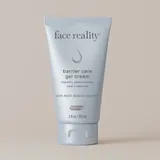 Face Reality Skincare Professional Barrier Care Gel Cream | 49% | $38.00 | |
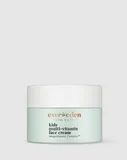 Evereden Kids Multi-Vitamin Face Cream Melon Juice | 47% | $9.00 |
Key Actives
Helps calm down inflammation in skin and can help reduce itching. Helps to repair the skin barrier and keep skin hydrated
Pure form of vitamin E. Can help moisturise and protect the skin from free radicals. Often used to help stabilise other ingredients or the formula itself
An emollient that helps soften the skin and calm down inflammation
Helps attract water to the upper layer of the skin and can help improve skin barrier function
An excellent emollient. Helps soften the skin, restore its barrier function, and can help to calm down inflammation. It can be helpful to prevent blemishes and clogged pores
A stable oil-soluble derivative of vitamin B5. It can help support skin barrier and reduce inflammation in skin
Naturally present in skin (urea makes up about 7% of natural moisturizing factors in skin). Attracts water to the upper layer of the skin. Also has a positive effect on the skin barrier beyond the humectant action. Can enhance penetration of other ingredients. Is an exfoliating ingredient when used in high concentrations
An amino-acid that helps to attract water to the upper layer of the skin and might help to lighten the skin, but solid evidence is lacking
An amino-acid that helps increase skin hydration and might help to slightly improve skin firmness, potentially reducing lines and wrinkles
One of the best moisturizing ingredients. Naturally present in skin. It attracts water to the upper layer of the skin working as a humectant
An oil naturally present in skin. Works as an emollient to soften the skin and form a protective layer on its surface without a greasy feeling.
Helps attract water to the upper layer of the skin
Can help attract water to the upper layer of the skin. In crystal form, it can work as a gentle exfoliant, gentler than the salt scrub. Helps stabilize the emulsion
An amino-acid that helps attract water to the upper layer of the skin
A good emollient that helps soften the skin and helps repair its barrier function. It can clog pores if used in high concentrations.
Potential irritants
An aromatic blend of unspecified and possibly irritating ingredients
Used to improve product texture and help oil and water mix together
A more stable but less bio-available form of vitamin E compared to Tocopherol. Might help moisturize and protect the skin from free radicals, but mostly used in low concentrations to stabilize other ingredients.
A vitamin C derivative. Studies show that is might be effective in reducing hyperpigmentation, but there are no studies confirming that it is effectively converted into the bioavailable form of Vitamin C in skin. It is not clear how this derivative compares in effectiveness to the topical application of bioavailable form of vitamin C (L-ascorbic acid)
Helps oil and water mix together. Can be used as a cleansing agent
A plant extract that can help lighten the skin and calm down inflammation. Might be helpful in neutralizing free radicals
Can work as an exfoliant but is typically used to adjust the product pH
Helps oil and water mix together. Can be used as a cleansing agent
An emollient that helps soften the skin and calm down inflammation
Helps to control the skin's pH level. Maintains the skin's natural film of amino-lactic acids and oils. Helps to preserve products
A good emollient that helps soften the skin and helps repair its barrier function. It can clog pores if used in high concentrations.
Comedogenic ingredients
A good emollient that helps soften the skin and helps repair its barrier function. It can clog pores if used in high concentrations.
All ingredients
One of the best moisturizing ingredients. Naturally present in skin. It attracts water to the upper layer of the skin working as a humectant
Helps soften the upper layer of the skin while creating a non-greasy feel on the skin. Helps to dissolve other ingredients
Used to improve product texture and help oil and water mix together
Used to create a nice product texture and help delivery of other ingredients. Might be somewhat helpful in attracting water to the upper layer of the skin
Helps attract water to the upper layer of the skin and can help improve skin barrier function
A stable oil-soluble derivative of vitamin B5. It can help support skin barrier and reduce inflammation in skin
Helps soften the upper layer of the skin, dissolve other ingredients and create a thicker product consistency
A more stable but less bio-available form of vitamin E compared to Tocopherol. Might help moisturize and protect the skin from free radicals, but mostly used in low concentrations to stabilize other ingredients.
A preservative. It helps prevent bacterial growth in cosmetic products
An oil naturally present in skin. Works as an emollient to soften the skin and form a protective layer on its surface without a greasy feeling.
A vitamin C derivative. Studies show that is might be effective in reducing hyperpigmentation, but there are no studies confirming that it is effectively converted into the bioavailable form of Vitamin C in skin. It is not clear how this derivative compares in effectiveness to the topical application of bioavailable form of vitamin C (L-ascorbic acid)
An excellent emollient. Helps soften the skin, restore its barrier function, and can help to calm down inflammation. It can be helpful to prevent blemishes and clogged pores
Helps oil and water mix together. Can be used as a cleansing agent
An aromatic blend of unspecified and possibly irritating ingredients
Helps attract water to the upper layer of the skin. Could be helpful in restoring the skin barrier function
Helps attract water to the upper layer of the skin and improves the product texture
Helps calm down inflammation in skin and can help reduce itching. Helps to repair the skin barrier and keep skin hydrated
Helps oil and water mix together. Can be used as a cleansing agent
A plant extract that can help lighten the skin and calm down inflammation. Might be helpful in neutralizing free radicals
Can work as an exfoliant but is typically used to adjust the product pH
Helps oil and water mix together. Can be used as a cleansing agent
Can help attract water to the upper layer of the skin. In crystal form, it can work as a gentle exfoliant, gentler than the salt scrub. Helps stabilize the emulsion
Naturally present in skin (urea makes up about 7% of natural moisturizing factors in skin). Attracts water to the upper layer of the skin. Also has a positive effect on the skin barrier beyond the humectant action. Can enhance penetration of other ingredients. Is an exfoliating ingredient when used in high concentrations
A sugar that is used to stabilize the product formulation. Can help attract water to the upper layer of the skin
Pure form of vitamin E. Can help moisturise and protect the skin from free radicals. Often used to help stabilise other ingredients or the formula itself
An emollient that helps soften the skin and calm down inflammation
An amino-acid that helps to attract water to the upper layer of the skin and might help to lighten the skin, but solid evidence is lacking
Helps to control the skin's pH level. Maintains the skin's natural film of amino-lactic acids and oils. Helps to preserve products
An amino-acid that helps attract water to the upper layer of the skin
An amino-acid that helps increase skin hydration and might help to slightly improve skin firmness, potentially reducing lines and wrinkles
A good emollient that helps soften the skin and helps repair its barrier function. It can clog pores if used in high concentrations.
Ingredient list view
Water, Glycerin, Farnesyl acetate, Dicaprylyl ether, Polyacrylamide, Butylene glycol, Panthenol, Panthenyl triacetate, C13-14 isoparaffin, Tocopheryl acetate, Phenoxyethanol, Hexylene glycol, Squalane, Ascorbyl tetraisopalmitate, Laureth-7, Ppg-8-ceteth-20, Linoleic acid, Epilobium fleischeri extract, Sucrose laurate, Chlorphenesin, Parfum, Fructose, Glucose, Sorbitol, Ppg-4-ceteth-20, Allantoin, Disodium edta, Chlorhexidine digluconate, Rosa multiflora fruit extract, Sucrose dilaurate, Glycyrrhiza glabra root extract, Citric acid, Magnesium sulfate, Sucrose trilaurate, Sucrose, Urea, Linalool, Copper sulfate, Potassium sorbate, Dextrin, Tocopherol, Citronellol, Sodium benzoate, Linolenic acid, Methylparaben, Alanine, Sodium citrate, Sodium metabisulfite, Glutamic acid, Aspartic acid, Manganese sulfate, Zinc sulfate, Glycine soja oil
- Glycerol and the skin: holistic approach to its origin and functions
- Skin moisturizing effects of panthenol-based formulations
- Safety Assessment of Panthenol, Pantothenic Acid, and Derivatives as Used in Cosmetics
- Panthenyl Triacetate Transformation, Stimulation of Metabolic Pathways, and Wound-Healing Properties in the Human Skin
- Safety Assessment of Isoparaffins as Used in Cosmetics
- Assessment of penetration of Ascorbyl Tetraisopalmitate into biological membranes by molecular dynamics
- Stability evaluation of tocopheryl acetate and ascorbyl tetraisopalmitate in isolation and incorporated in cosmetic formulations using thermal analysis
- A new lipophilic pro-vitamin C, tetra-isopalmitoyl ascorbic acid (VC-IP), prevents UV-induced skin pigmentation through its anti-oxidative properties
- New lipophilic pro-vitamin C, tetra-isopalmitoyl ascorbic acid (VC-IP), suppresses senile lentigo through controlling of melanocytes-keratinocytes interaction
- The Permeability Barrier in Essential Fatty Acid Deficiency: Evidence for a Direct Role for Linoleic Acid in Barrier Function
- Digital image analysis of the effect of topically applied linoleic acid on acne microcomedones.
- Topical Glucose Induces Claudin-1 and Filaggrin Expression in a Mouse Model of Atopic Dermatitis and in Keratinocyte Culture, Exerting Anti-inflammatory Effects by Repairing Skin Barrier Function
- Profile of wound healing process induced by allantoin
- Safety Assessment of Magnesium Sulfate as Used in Cosmetics
- Topical urea in skincare: A review
- Vitamin E in dermatology
- Vitamin E and Skin Health
- Combination of amino acids reduces pigmentation in B16F0 melanoma cells
- Final report on the safety assessment of sodium sulfite, potassium sulfite, ammonium sulfite, sodium bisulfite, ammonium bisulfite, sodium metabisulfite and potassium metabisulfite
- Acetyl aspartic acid, a novel active ingredient, demonstrates potential to improve signs of skin ageing: from consumer need to clinical proof
- In vivo topical application of acetyl aspartic acid increases fibrillin-1 and collagen IV deposition leading to a significant improvement of skin firmness
- Safety Assessment of Zinc Salts as Used in Cosmetics