
Works for:
based on ingredients and %- Moisturizing
Can it cause trouble?
- Irritation risk: medium
- Comedogenic risk ingredients: 2
Key actives
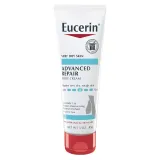

Product Summary
"Grahams Natural - Diabetic Foot Cream" is a well-rounded moisturizing product. The formulation is based on a combination of good humectants and emollients. Both are needed to increase the skin hydration level. Urea, betaine, hyaluronic acid and sodium pca in this product (humectants) attract water molecules to the upper layer of the skin (the water comes from the outside air or from the deeper layers of the skin if the air is dry). Emollients in this formulation (isopropyl myristate, beeswax, cocos nucifera oil, copernicia cerifera wax and ricinus communis seed oil) help to reduce the moisture loss from the skin. They also soften the skin surface and relieve the feeling of dryness and tightness.
Irritation risk
There are some common irritants in this product, including ingredients that do not have benefits for the skin. We assess the overall irritancy of this moisturizer to be medium. For a detailed overview of all potential irritants: click here
You can see the detailed formula review with the breakdown of all actives in the product and the full ingredient list with estimated concentrations in the tables below.
Price
The product retails for 19.99£ in the United Kingdom.
For a detailed price comparison: click here.
Works for
Moisturizing
What does the product description say?
Provides a non-greasy, lubricant aid to examination and stimulating massage Moisturises diabetic feet Helps protect feet and skin from friction, callus development and skin injury
Source: Boots
This product can help improve hydration of the skin with the two types of ingredients.
The first type is called “humectants”:
these ingredients help attract water.
When humectants are on the surface of the skin, they “pull in” the moisture from the outside environment, or from
within deeper layers of the skin. The following ingredients in this product do the job:
betaine, hyaluronic acid.
This product also contains ingredients called “occlusives”. They help reduce the speed with which our skin loses moisture to the outside environment. These ingredients also help soften the upper layer of the skin, so it feels less tight and nicer to the touch. The following ingredients in this product do the job: beeswax, cocos nucifera oil.
The following ingredients in this product are especially good for supporting the skin barrier and helping with the hydration level: urea
Forms a protective barrier that holds water and keeps dry skin hydrated. Keeps an emulsion from separating into its oil and liquid components, and increases the thickness of a product. Can be an allergen
Helps attract water to the upper layer of the skin and improves the product texture
An emollient that helps soften the skin. Could be comedogenic
A plant oil that can help soften the skin. It might be helpful in calming down inflammation, but solid research is lacking. Is often used in lip products to create the needed product consistency
Naturally present in skin and helps to attract water to its upper layer
Naturally present in skin (urea makes up about 7% of natural moisturizing factors in skin). Attracts water to the upper layer of the skin. Also has a positive effect on the skin barrier beyond the humectant action. Can enhance penetration of other ingredients. Is an exfoliating ingredient when used in high concentrations
An emollient. Found to be as effective as a moisturizer for dry skin as mineral oil. Could be comedogenic
Helps to soften the upper layer of the skin and create a nice product consistency
One of the best moisturizing ingredients. Attracts water into the upper layer of the skin. Naturally present in skin. Typically has large molecule size unless advertised otherwise on the product label. Helps support skin's barrier function and may help to reduce inflammation
A non-drying alcohol that works to soften the skin and stabilize product formulations helping oil and water mix together
A plant oil that can help soften the skin. It might be helpful in calming down inflammation, but solid research is lacking. Is often used in lip products to create the needed product consistency
An exfoliating and moisturizing alpha-hydroxy acid (AHA). Typically causes less irritation than other AHAs, for example, glycolic acid. At high concentrations (about 15%), lactic acid can help reduce lines and wrinkles. Recent studies show that lactic acid can support the "good" bacteria living on skin's surface (healthy skin microbiome)
Pure form of vitamin E. Can help moisturise and protect the skin from free radicals. Often used to help stabilise other ingredients or the formula itself
How honest is this product?
| Promise | Can it deliver? |
|---|---|
| Moisturizing |
Total Promises Fulfilled score: 100/100.
We receive a small commission for purchases made through these links at no cost for you. Thank you for your support! Learn more
Affiliate link · supports WIMJ at no cost to you
Potential irritants
Comedogenic ingredients
User reviews (0)
Averages from community submissions.
No reviews yet for this product.
Be the first to share your experience!
Tried this product?
Help capture what the ingredient list can't—texture, finish, pilling, scent, and more. Answer what you can, skip the rest.
Takes ~30 seconds.
Reviews are shown in aggregate. No personal details.
| Product | Similarity | Price | Irritancy |
|---|---|---|---|
 Grahams Natural Diabetic Foot Cream | Current | ≈ $26.43 | |
 Eucerin UreaRepair Plus 10% Urea Foot Cream | 54% | ≈ $8.59 | |
SVR XERIAL 30 Feet Cream | 51% | ≈ $31.55 |
Key Actives
Pure form of vitamin E. Can help moisturise and protect the skin from free radicals. Often used to help stabilise other ingredients or the formula itself
One of the best moisturizing ingredients. Attracts water into the upper layer of the skin. Naturally present in skin. Typically has large molecule size unless advertised otherwise on the product label. Helps support skin's barrier function and may help to reduce inflammation
Naturally present in skin (urea makes up about 7% of natural moisturizing factors in skin). Attracts water to the upper layer of the skin. Also has a positive effect on the skin barrier beyond the humectant action. Can enhance penetration of other ingredients. Is an exfoliating ingredient when used in high concentrations
A plant oil that can help soften the skin. It might be helpful in calming down inflammation, but solid research is lacking. Is often used in lip products to create the needed product consistency
An emollient that helps soften the skin. Could be comedogenic
An emollient. Found to be as effective as a moisturizer for dry skin as mineral oil. Could be comedogenic
Helps to soften the upper layer of the skin and create a nice product consistency
Forms a protective barrier that holds water and keeps dry skin hydrated. Keeps an emulsion from separating into its oil and liquid components, and increases the thickness of a product. Can be an allergen
Naturally present in skin and helps to attract water to its upper layer
Helps attract water to the upper layer of the skin and improves the product texture
Potential irritants
A fruit extract that is used to add a fragrance to the product. It might have some antioxidant properties
Plant extract that can have healing and anti-inflammatory properties. It is a potential allergen and can be irritating
Red clover flower extract. Can contain anti-oxidants but also potential irritant compounds
A preservative. Can be used to mask unpleasant smell. Can be irritating
A plant oil that can help soften the skin. It might be helpful in calming down inflammation, but solid research is lacking. Is often used in lip products to create the needed product consistency
A plant oil that can help soften the skin. It might be helpful in calming down inflammation, but solid research is lacking. Is often used in lip products to create the needed product consistency
An exfoliating and moisturizing alpha-hydroxy acid (AHA). Typically causes less irritation than other AHAs, for example, glycolic acid. At high concentrations (about 15%), lactic acid can help reduce lines and wrinkles. Recent studies show that lactic acid can support the "good" bacteria living on skin's surface (healthy skin microbiome)
Comedogenic ingredients
An emollient that helps soften the skin. Could be comedogenic
An emollient. Found to be as effective as a moisturizer for dry skin as mineral oil. Could be comedogenic
All ingredients
A fruit extract that is used to add a fragrance to the product. It might have some antioxidant properties
Naturally present in skin (urea makes up about 7% of natural moisturizing factors in skin). Attracts water to the upper layer of the skin. Also has a positive effect on the skin barrier beyond the humectant action. Can enhance penetration of other ingredients. Is an exfoliating ingredient when used in high concentrations
A non-drying alcohol that works to soften the skin and stabilize product formulations helping oil and water mix together
A plant oil that can help soften the skin. It might be helpful in calming down inflammation, but solid research is lacking. Is often used in lip products to create the needed product consistency
An emollient that helps soften the skin. Could be comedogenic
A plant oil that can help soften the skin. It might be helpful in calming down inflammation, but solid research is lacking. Is often used in lip products to create the needed product consistency
An emollient. Found to be as effective as a moisturizer for dry skin as mineral oil. Could be comedogenic
Pure form of vitamin E. Can help moisturise and protect the skin from free radicals. Often used to help stabilise other ingredients or the formula itself
Helps to soften the upper layer of the skin and create a nice product consistency
Forms a protective barrier that holds water and keeps dry skin hydrated. Keeps an emulsion from separating into its oil and liquid components, and increases the thickness of a product. Can be an allergen
Naturally present in skin and helps to attract water to its upper layer
One of the best moisturizing ingredients. Attracts water into the upper layer of the skin. Naturally present in skin. Typically has large molecule size unless advertised otherwise on the product label. Helps support skin's barrier function and may help to reduce inflammation
Helps attract water to the upper layer of the skin and improves the product texture
Plant extract that can have healing and anti-inflammatory properties. It is a potential allergen and can be irritating
Red clover flower extract. Can contain anti-oxidants but also potential irritant compounds
An exfoliating and moisturizing alpha-hydroxy acid (AHA). Typically causes less irritation than other AHAs, for example, glycolic acid. At high concentrations (about 15%), lactic acid can help reduce lines and wrinkles. Recent studies show that lactic acid can support the "good" bacteria living on skin's surface (healthy skin microbiome)
A preservative. Can be used to mask unpleasant smell. Can be irritating
Ingredient list view
Water, Punica granatum fruit extract, Distearyldimonium chloride, Urea, Cetyl alcohol, Ricinus communis seed oil, Isopropyl myristate, Hydrogenated castor oil, Cocos nucifera oil, Unknown, Tocopherol, Copernicia cerifera wax, Unknown, Beeswax, Sodium pca, Hyaluronic acid, Betaine, Urtica dioica leaf extract, Unknown, Chamomilla recutita flower extract, Trifolium pratense flower extract, Dehydroacetic acid, Lactic acid, Benzyl alcohol
- Topical urea in skincare: A review
- Final report on the safety assessment of Ricinus Communis (Castor) Seed Oil, Hydrogenated Castor Oil, Glyceryl Ricinoleate, Glyceryl Ricinoleate SE, Ricinoleic Acid, Potassium Ricinoleate, Sodium Ricinoleate, Zinc Ricinoleate, Cetyl Ricinoleate, Ethyl Ricinoleate, Glycol Ricinoleate, Isopropyl Ricinoleate, Methyl Ricinoleate, and Octyldodecyl Ricinoleate
- Castor Oil: Properties, Uses, and Optimization of Processing Parameters in Commercial Production
- Effect of ricinoleic acid in acute and subchronic experimental models of inflammation
- Vitamin E in dermatology
- Vitamin E and Skin Health
- Efficacy of a New Topical Nano-hyaluronic Acid in Humans
- Physiochemical properties and application of hyaluronic acid: a systematic review
- 4 Final Report on the Safety Assessment of Sodium Dehydroacetate and Dehydroacetic Acid
- Epidermal and dermal effects of topical lactic acid
- Dual Effects of Alpha-Hydroxy Acids on the Skin