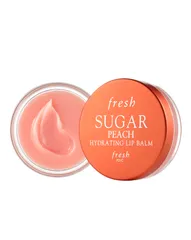
Works for:
based on ingredients and %- Moisturizing
Doesn't work for:
based on ingredients and %- Exfoliation
Can it cause trouble?
- Irritation risk: high
- Comedogenic risk ingredients: 2
Key actives

Moisturizing
What does the product description say?
Hydrating Lip Balm Sugar Coconut
Source: From product name
This product can help soften the skin and reduce its moisture loss with emollients and occlusives: bis-diglyceryl polyacyladipate-2, cera microcristallina.
Keep in mind that this product does not contain effective ingredients to attract water to the upper layer of the skin. This is why an additional product with humectants like glycerin or hyaluronic acid can be helpful (apply it before this product for the best results).
Helps soften the upper layer of the skin and reduce water loss from its surface
Helps to soften the upper layer of the skin, reduce water loss from its surface and create a thicker product consistency
An emollient. Found to be as effective as a moisturizer for dry skin as mineral oil. Could be comedogenic
An emollient that helps soften the skin
An emollient. Can be helpful for restoring skin barrier function.
A great emollient that can also have anti-oxidant properties
Forms a protective film on the surface of the skin to prevent moisture loss. Gives a velvety feel to products while reducing tackiness
Helps to soften the upper layer of the skin and create a nice product texture
Pure form of vitamin E. Can help moisturise and protect the skin from free radicals. Often used to help stabilise other ingredients or the formula itself
Exfoliation
What does the product description say?
'Sugar Lemon', 'Sugar Watermelon', 'Sugar Blood Orange', 'Sugar Caramel', 'Sugar Lime Mint', 'Sugar Peach' and ‘Sugar Coconut’.
Source: Cultbeauty
This product does not contain effective exfoliating ingredients. It might be able to deliver physical exfoliation, that is scrub off some of the dead cells on the surface of the skin. We do not recommend physical exfoliation, because it is not uniform (some bits of skin can get exfoliated too much while others not at all). It can also traumatize the skin and aggrevate acne and other skin conditions.
How honest is this product?
| Promise | Can it deliver? |
|---|---|
| Moisturizing | |
| Exfoliation |
Total Promises Fulfilled score: 37/100.
We receive a small commission for purchases made through these links at no cost for you. Thank you for your support! Learn more
Potential irritants
Comedogenic ingredients
User reviews (0)
Averages from community submissions.
No reviews yet for this product.
Be the first to share your experience!
Tried this product?
Help capture what the ingredient list can't—texture, finish, pilling, scent, and more. Answer what you can, skip the rest.
Takes ~30 seconds.
Reviews are shown in aggregate. No personal details.
Key Actives
Pure form of vitamin E. Can help moisturise and protect the skin from free radicals. Often used to help stabilise other ingredients or the formula itself
Pure form of vitamin E. Can help moisturise and protect the skin from free radicals. Often used to help stabilise other ingredients or the formula itself
Pure form of vitamin E. Can help moisturise and protect the skin from free radicals. Often used to help stabilise other ingredients or the formula itself
Pure form of vitamin E. Can help moisturise and protect the skin from free radicals. Often used to help stabilise other ingredients or the formula itself
Pure form of vitamin E. Can help moisturise and protect the skin from free radicals. Often used to help stabilise other ingredients or the formula itself
Pure form of vitamin E. Can help moisturise and protect the skin from free radicals. Often used to help stabilise other ingredients or the formula itself
Pure form of vitamin E. Can help moisturise and protect the skin from free radicals. Often used to help stabilise other ingredients or the formula itself
An emollient that helps soften the skin
An emollient. Can be helpful for restoring skin barrier function.
A great emollient that can also have anti-oxidant properties
An emollient that helps soften the skin
An emollient. Can be helpful for restoring skin barrier function.
A great emollient that can also have anti-oxidant properties
An emollient that helps soften the skin
An emollient. Can be helpful for restoring skin barrier function.
A great emollient that can also have anti-oxidant properties
An emollient that helps soften the skin
An emollient. Can be helpful for restoring skin barrier function.
A great emollient that can also have anti-oxidant properties
An emollient that helps soften the skin
An emollient. Can be helpful for restoring skin barrier function.
A great emollient that can also have anti-oxidant properties
An emollient that helps soften the skin
An emollient. Can be helpful for restoring skin barrier function.
A great emollient that can also have anti-oxidant properties
An emollient that helps soften the skin
An emollient. Can be helpful for restoring skin barrier function.
A great emollient that can also have anti-oxidant properties
Helps soften the upper layer of the skin and reduce water loss from its surface
Helps to soften the upper layer of the skin, reduce water loss from its surface and create a thicker product consistency
Works as a UV filter when used in high concentrations. It is photostable and is effective mostly against the UVB light, with some protection in the UVA range. In small concentrations, used for its ability to improve the color of cosmetic products. Is usually well tolerated by the skin
Helps soften the upper layer of the skin and reduce water loss from its surface
Helps to soften the upper layer of the skin, reduce water loss from its surface and create a thicker product consistency
Works as a UV filter when used in high concentrations. It is photostable and is effective mostly against the UVB light, with some protection in the UVA range. In small concentrations, used for its ability to improve the color of cosmetic products. Is usually well tolerated by the skin
An emollient. Found to be as effective as a moisturizer for dry skin as mineral oil. Could be comedogenic
Helps soften the upper layer of the skin and reduce water loss from its surface
Helps to soften the upper layer of the skin, reduce water loss from its surface and create a thicker product consistency
Octinoxate. When used in higher concentrations, works as a sunscreen protecting the skin from UVB rays. When used in lower concentration, helps to preserve the product formulation. Is shown to be harmful to coral reefs - consider avoiding bathing in coral reef areas when wearing a product with this ingredient. It can be irritating
Works as a UV filter when used in high concentrations. It is photostable and is effective mostly against the UVB light, with some protection in the UVA range. In small concentrations, used for its ability to improve the color of cosmetic products. Is usually well tolerated by the skin
Helps soften the upper layer of the skin and reduce water loss from its surface
Helps to soften the upper layer of the skin, reduce water loss from its surface and create a thicker product consistency
Works as a UV filter when used in high concentrations. It is photostable and is effective mostly against the UVB light, with some protection in the UVA range. In small concentrations, used for its ability to improve the color of cosmetic products. Is usually well tolerated by the skin
Helps soften the upper layer of the skin and reduce water loss from its surface
Helps to soften the upper layer of the skin, reduce water loss from its surface and create a thicker product consistency
Works as a UV filter when used in high concentrations. It is photostable and is effective mostly against the UVB light, with some protection in the UVA range. In small concentrations, used for its ability to improve the color of cosmetic products. Is usually well tolerated by the skin
Helps soften the upper layer of the skin and reduce water loss from its surface
Helps to soften the upper layer of the skin, reduce water loss from its surface and create a thicker product consistency
Works as a UV filter when used in high concentrations. It is photostable and is effective mostly against the UVB light, with some protection in the UVA range. In small concentrations, used for its ability to improve the color of cosmetic products. Is usually well tolerated by the skin
Helps soften the upper layer of the skin and reduce water loss from its surface
Helps to soften the upper layer of the skin, reduce water loss from its surface and create a thicker product consistency
Works as a UV filter when used in high concentrations. It is photostable and is effective mostly against the UVB light, with some protection in the UVA range. In small concentrations, used for its ability to improve the color of cosmetic products. Is usually well tolerated by the skin
Potential irritants
An aromatic blend of unspecified and possibly irritating ingredients
A common frangrance that can easily irritate skin, especially if exposed to air, light or heat
A preservative. Can be used to mask unpleasant smell. Can be irritating
Octinoxate. When used in higher concentrations, works as a sunscreen protecting the skin from UVB rays. When used in lower concentration, helps to preserve the product formulation. Is shown to be harmful to coral reefs - consider avoiding bathing in coral reef areas when wearing a product with this ingredient. It can be irritating
An emollient. Can be helpful for restoring skin barrier function.
A great emollient that can also have anti-oxidant properties
Being a lipid soluble form of vitamin C, it is more stable and can penetrate the skin better than L-Ascorbic acid. It is effective in protecting the skin from free radicals, as well as evening the skin tone, but is less effective in stimulating collagen production compared to L-Ascorbic acid.
Helps preserve product formulations and can mask the smell of other ingredients in a product
A plant extract that can contain an antioxidant compound
Used to stabilize the product formulation protecting it from sun light
Comedogenic ingredients
An emollient. Found to be as effective as a moisturizer for dry skin as mineral oil. Could be comedogenic
All ingredients
Forms a protective film on the surface of the skin to prevent moisture loss. Gives a velvety feel to products while reducing tackiness
Helps soften the upper layer of the skin and reduce water loss from its surface
Helps to soften the upper layer of the skin, reduce water loss from its surface and create a thicker product consistency
Used to create a thicker product consistency
Used to create a gel-like product texture
An emollient. Can be helpful for restoring skin barrier function.
A great emollient that can also have anti-oxidant properties
Pure form of vitamin E. Can help moisturise and protect the skin from free radicals. Often used to help stabilise other ingredients or the formula itself
Being a lipid soluble form of vitamin C, it is more stable and can penetrate the skin better than L-Ascorbic acid. It is effective in protecting the skin from free radicals, as well as evening the skin tone, but is less effective in stimulating collagen production compared to L-Ascorbic acid.
An aromatic blend of unspecified and possibly irritating ingredients
Works as a UV filter when used in high concentrations. It is photostable and is effective mostly against the UVB light, with some protection in the UVA range. In small concentrations, used for its ability to improve the color of cosmetic products. Is usually well tolerated by the skin
Helps to soften the upper layer of the skin and create a nice product texture
Helps preserve product formulations and can mask the smell of other ingredients in a product
A preservative. It helps prevent bacterial growth in cosmetic products
A common frangrance that can easily irritate skin, especially if exposed to air, light or heat
A preservative. Can be used to mask unpleasant smell. Can be irritating
Forms a protective film on the surface of the skin to prevent moisture loss. Gives a velvety feel to products while reducing tackiness
Helps soften the upper layer of the skin and reduce water loss from its surface
Helps to soften the upper layer of the skin, reduce water loss from its surface and create a thicker product consistency
Used to create a thicker product consistency
Used to create a gel-like product texture
An emollient. Can be helpful for restoring skin barrier function.
A great emollient that can also have anti-oxidant properties
Pure form of vitamin E. Can help moisturise and protect the skin from free radicals. Often used to help stabilise other ingredients or the formula itself
Being a lipid soluble form of vitamin C, it is more stable and can penetrate the skin better than L-Ascorbic acid. It is effective in protecting the skin from free radicals, as well as evening the skin tone, but is less effective in stimulating collagen production compared to L-Ascorbic acid.
An aromatic blend of unspecified and possibly irritating ingredients
Works as a UV filter when used in high concentrations. It is photostable and is effective mostly against the UVB light, with some protection in the UVA range. In small concentrations, used for its ability to improve the color of cosmetic products. Is usually well tolerated by the skin
Helps to soften the upper layer of the skin and create a nice product texture
Helps preserve product formulations and can mask the smell of other ingredients in a product
A preservative. It helps prevent bacterial growth in cosmetic products
An emollient. Found to be as effective as a moisturizer for dry skin as mineral oil. Could be comedogenic
Forms a protective film on the surface of the skin to prevent moisture loss. Gives a velvety feel to products while reducing tackiness
Helps soften the upper layer of the skin and reduce water loss from its surface
Helps to soften the upper layer of the skin, reduce water loss from its surface and create a thicker product consistency
Used to create a thicker product consistency
Octinoxate. When used in higher concentrations, works as a sunscreen protecting the skin from UVB rays. When used in lower concentration, helps to preserve the product formulation. Is shown to be harmful to coral reefs - consider avoiding bathing in coral reef areas when wearing a product with this ingredient. It can be irritating
Used to create a gel-like product texture
An emollient. Can be helpful for restoring skin barrier function.
A great emollient that can also have anti-oxidant properties
Pure form of vitamin E. Can help moisturise and protect the skin from free radicals. Often used to help stabilise other ingredients or the formula itself
Being a lipid soluble form of vitamin C, it is more stable and can penetrate the skin better than L-Ascorbic acid. It is effective in protecting the skin from free radicals, as well as evening the skin tone, but is less effective in stimulating collagen production compared to L-Ascorbic acid.
An aromatic blend of unspecified and possibly irritating ingredients
Works as a UV filter when used in high concentrations. It is photostable and is effective mostly against the UVB light, with some protection in the UVA range. In small concentrations, used for its ability to improve the color of cosmetic products. Is usually well tolerated by the skin
A mineral that is used as an optical filter (makes the skin looks nicer through light reflection) and to improve the texture of cosmetic products
Helps to soften the upper layer of the skin and create a nice product texture
Helps preserve product formulations and can mask the smell of other ingredients in a product
A preservative. It helps prevent bacterial growth in cosmetic products
A plant extract that can contain an antioxidant compound
Forms a protective film on the surface of the skin to prevent moisture loss. Gives a velvety feel to products while reducing tackiness
Helps soften the upper layer of the skin and reduce water loss from its surface
Helps to soften the upper layer of the skin, reduce water loss from its surface and create a thicker product consistency
Used to create a thicker product consistency
Used to create a gel-like product texture
An emollient. Can be helpful for restoring skin barrier function.
A great emollient that can also have anti-oxidant properties
Pure form of vitamin E. Can help moisturise and protect the skin from free radicals. Often used to help stabilise other ingredients or the formula itself
Being a lipid soluble form of vitamin C, it is more stable and can penetrate the skin better than L-Ascorbic acid. It is effective in protecting the skin from free radicals, as well as evening the skin tone, but is less effective in stimulating collagen production compared to L-Ascorbic acid.
Used to stabilize the product formulation protecting it from sun light
An aromatic blend of unspecified and possibly irritating ingredients
Used to increase stability of product formulations
Helps to soften the upper layer of the skin and create a nice product texture
Works as a UV filter when used in high concentrations. It is photostable and is effective mostly against the UVB light, with some protection in the UVA range. In small concentrations, used for its ability to improve the color of cosmetic products. Is usually well tolerated by the skin
Helps preserve product formulations and can mask the smell of other ingredients in a product
A preservative. Can be used to mask unpleasant smell. Can be irritating
A common frangrance that can easily irritate skin, especially if exposed to air, light or heat
Forms a protective film on the surface of the skin to prevent moisture loss. Gives a velvety feel to products while reducing tackiness
Helps soften the upper layer of the skin and reduce water loss from its surface
Helps to soften the upper layer of the skin, reduce water loss from its surface and create a thicker product consistency
Used to create a thicker product consistency
Used to create a gel-like product texture
An emollient. Can be helpful for restoring skin barrier function.
A great emollient that can also have anti-oxidant properties
Pure form of vitamin E. Can help moisturise and protect the skin from free radicals. Often used to help stabilise other ingredients or the formula itself
Being a lipid soluble form of vitamin C, it is more stable and can penetrate the skin better than L-Ascorbic acid. It is effective in protecting the skin from free radicals, as well as evening the skin tone, but is less effective in stimulating collagen production compared to L-Ascorbic acid.
Used to stabilize the product formulation protecting it from sun light
An aromatic blend of unspecified and possibly irritating ingredients
Helps to soften the upper layer of the skin and create a nice product texture
Used to increase stability of product formulations
Works as a UV filter when used in high concentrations. It is photostable and is effective mostly against the UVB light, with some protection in the UVA range. In small concentrations, used for its ability to improve the color of cosmetic products. Is usually well tolerated by the skin
Helps preserve product formulations and can mask the smell of other ingredients in a product
A common frangrance that can easily irritate skin, especially if exposed to air, light or heat
Forms a protective film on the surface of the skin to prevent moisture loss. Gives a velvety feel to products while reducing tackiness
Helps soften the upper layer of the skin and reduce water loss from its surface
Helps to soften the upper layer of the skin, reduce water loss from its surface and create a thicker product consistency
Used to create a thicker product consistency
Used to create a gel-like product texture
An emollient. Can be helpful for restoring skin barrier function.
A great emollient that can also have anti-oxidant properties
Pure form of vitamin E. Can help moisturise and protect the skin from free radicals. Often used to help stabilise other ingredients or the formula itself
Being a lipid soluble form of vitamin C, it is more stable and can penetrate the skin better than L-Ascorbic acid. It is effective in protecting the skin from free radicals, as well as evening the skin tone, but is less effective in stimulating collagen production compared to L-Ascorbic acid.
An aromatic blend of unspecified and possibly irritating ingredients
Used to stabilize the product formulation protecting it from sun light
Works as a UV filter when used in high concentrations. It is photostable and is effective mostly against the UVB light, with some protection in the UVA range. In small concentrations, used for its ability to improve the color of cosmetic products. Is usually well tolerated by the skin
Helps to soften the upper layer of the skin and create a nice product texture
Used to increase stability of product formulations
Helps preserve product formulations and can mask the smell of other ingredients in a product
A common frangrance that can easily irritate skin, especially if exposed to air, light or heat
Forms a protective film on the surface of the skin to prevent moisture loss. Gives a velvety feel to products while reducing tackiness
Helps soften the upper layer of the skin and reduce water loss from its surface
Helps to soften the upper layer of the skin, reduce water loss from its surface and create a thicker product consistency
Used to create a thicker product consistency
Used to create a gel-like product texture
An emollient. Can be helpful for restoring skin barrier function.
A great emollient that can also have anti-oxidant properties
Pure form of vitamin E. Can help moisturise and protect the skin from free radicals. Often used to help stabilise other ingredients or the formula itself
Being a lipid soluble form of vitamin C, it is more stable and can penetrate the skin better than L-Ascorbic acid. It is effective in protecting the skin from free radicals, as well as evening the skin tone, but is less effective in stimulating collagen production compared to L-Ascorbic acid.
An aromatic blend of unspecified and possibly irritating ingredients
Used to stabilize the product formulation protecting it from sun light
Works as a UV filter when used in high concentrations. It is photostable and is effective mostly against the UVB light, with some protection in the UVA range. In small concentrations, used for its ability to improve the color of cosmetic products. Is usually well tolerated by the skin
Helps to soften the upper layer of the skin and create a nice product texture
Used to increase stability of product formulations
Helps preserve product formulations and can mask the smell of other ingredients in a product
A common frangrance that can easily irritate skin, especially if exposed to air, light or heat
Ingredient list view
Citrus limon peel oil, Isononyl isononanoate, C10-30 cholesterol/lanosterol esters, Bis-diglyceryl polyacyladipate-2, Cera microcristallina, Polybutene, Ethylene/propylene/styrene copolymer, Glyceryl behenate/eicosadioate, Prunus armeniaca kernel oil, Butylene/ethylene/styrene copolymer, Ribes nigrum seed oil, Vitis vinifera seed oil, Sucrose tetrastearate triacetate, Tocopherol, Ascorbyl palmitate, Silica silylate, Parfum, Bht, Ammonium glycyrrhizate, Titanium dioxide, Polyglyceryl-2 triisostearate, Vanillin, Trimethylolpropane triisostearate, Ci 77492, Water, Ci 19140, Ci 42090, Blue 1 lake, Ci 15850, Propyl gallate, Phenoxyethanol, Limonene, Benzyl alcohol, Citral, Linalool, Unknown, Isononyl isononanoate, C10-30 cholesterol/lanosterol esters, Bis-diglyceryl polyacyladipate-2, Cera microcristallina, Polybutene, Ethylene/propylene/styrene copolymer, Glyceryl behenate/eicosadioate, Prunus armeniaca kernel oil, Butylene/ethylene/styrene copolymer, Ribes nigrum seed oil, Vitis vinifera seed oil, Sucrose tetrastearate triacetate, Tocopherol, Ascorbyl palmitate, Parfum, Silica silylate, Titanium dioxide, Bht, Ammonium glycyrrhizate, Polyglyceryl-2 triisostearate, Trimethylolpropane triisostearate, Ci 19140, Water, Ci 15985, Ci 19140, Ci 15850, Propyl gallate, Phenoxyethanol, Linalool, Cocos nucifera oil, Isononyl isononanoate, C10-30 cholesterol/lanosterol esters, Bis-diglyceryl polyacyladipate-2, Cera microcristallina, Polybutene, Ethylene/propylene/styrene copolymer, Glyceryl behenate/eicosadioate, Ethylhexyl methoxycinnamate, Prunus armeniaca kernel oil, Butylene/ethylene/styrene copolymer, Ribes nigrum seed oil, Vitis vinifera seed oil, Sucrose tetrastearate triacetate, Tocopherol, Ascorbyl palmitate, Parfum, Silica silylate, Titanium dioxide, Bht, Synthetic fluorphlogopite, Ammonium glycyrrhizate, Vanillin, Polyglyceryl-2 triisostearate, Trimethylolpropane triisostearate, Water, Propyl gallate, Phenoxyethanol, Citrullus lanatus fruit extract, Isononyl isononanoate, C10-30 cholesterol/lanosterol esters, Bis-diglyceryl polyacyladipate-2, Cera microcristallina, Polybutene, Ethylene/propylene/styrene copolymer, Glyceryl behenate/eicosadioate, Prunus armeniaca kernel oil, Butylene/ethylene/styrene copolymer, Ribes nigrum seed oil, Vitis vinifera seed oil, Sucrose tetrastearate triacetate, Tocopherol, Ascorbyl palmitate, Silica silylate, Benzotriazolyl dodecyl p-cresol, Parfum, Ammonium glycyrrhizate, Pentaerythrityl tetra-di-t-butyl hydroxyhydrocinnamate, Polyglyceryl-2 triisostearate, Trimethylolpropane triisostearate, Titanium dioxide, Bht, Water, Ci 45410, Ci 15850, Ci 15985, Ci 19140, Ci 15850, Propyl gallate, Benzyl alcohol, Limonene, Citral, Unknown, Isononyl isononanoate, C10-30 cholesterol/lanosterol esters, Bis-diglyceryl polyacyladipate-2, Cera microcristallina, Polybutene, Ethylene/propylene/styrene copolymer, Glyceryl behenate/eicosadioate, Prunus armeniaca kernel oil, Butylene/ethylene/styrene copolymer, Ribes nigrum seed oil, Vitis vinifera seed oil, Tocopherol, Ascorbyl palmitate, Silica silylate, Benzotriazolyl dodecyl p-cresol, Parfum, Ammonium glycyrrhizate, Sucrose tetrastearate triacetate, Polyglyceryl-2 triisostearate, Pentaerythrityl tetra-di-t-butyl hydroxyhydrocinnamate, Trimethylolpropane triisostearate, Ci 15850, Bht, Ci 77491, Water, Ci 15850, Ci 42090, Blue 1 lake, Ci 77499, Titanium dioxide, Propyl gallate, Limonene, Citral, Linalool, Caramel, Isononyl isononanoate, C10-30 cholesterol/lanosterol esters, Bis-diglyceryl polyacyladipate-2, Cera microcristallina, Polybutene, Ethylene/propylene/styrene copolymer, Glyceryl behenate/eicosadioate, Prunus armeniaca kernel oil, Butylene/ethylene/styrene copolymer, Ribes nigrum seed oil, Vitis vinifera seed oil, Tocopherol, Ascorbyl palmitate, Parfum, Silica silylate, Benzotriazolyl dodecyl p-cresol, Titanium dioxide, Polyglyceryl-2 triisostearate, Ammonium glycyrrhizate, Sucrose tetrastearate triacetate, Pentaerythrityl tetra-di-t-butyl hydroxyhydrocinnamate, Trimethylolpropane triisostearate, Ci 19140, Bht, Water, Ci 77499, Ci 77492, Ci 42090, Blue 1 lake, Propyl gallate, Limonene, Citral, Linalool, Unknown, Isononyl isononanoate, C10-30 cholesterol/lanosterol esters, Bis-diglyceryl polyacyladipate-2, Cera microcristallina, Polybutene, Ethylene/propylene/styrene copolymer, Glyceryl behenate/eicosadioate, Prunus armeniaca kernel oil, Butylene/ethylene/styrene copolymer, Ribes nigrum seed oil, Vitis vinifera seed oil, Tocopherol, Ascorbyl palmitate, Parfum, Silica silylate, Benzotriazolyl dodecyl p-cresol, Titanium dioxide, Polyglyceryl-2 triisostearate, Ammonium glycyrrhizate, Sucrose tetrastearate triacetate, Pentaerythrityl tetra-di-t-butyl hydroxyhydrocinnamate, Trimethylolpropane triisostearate, Ci 19140, Bht, Water, Ci 77499, Ci 77492, Ci 42090, Blue 1 lake, Propyl gallate, Limonene, Citral, Linalool
- Safety assessment of bis-diglyceryl polyacyladipate-2 and bis-diglyceryl polyacyladipate-1 as used in cosmetics
- Final report of the cosmetic ingredient review expert panel on the safety assessment of Polyisobutene and Hydrogenated Polyisobutene as used in cosmetics
- Safety Assessment of Styrene and Vinyl-type Styrene Copolymers as Used in Cosmetics
- Vitamin E in dermatology
- Vitamin E and Skin Health
- Safety Assessment of Polyglyceryl Fatty Acid Esters as Used in Cosmetics
- Analysis of Dyes in Cosmetics: Challenges and Recent Developments
- Analyzing Lycopene Content in Fruits
- Safety Assessment of Pentaerythrityl Tetra-Di-t-Butyl Hydroxyhydrocinnamate as Used in Cosmetics
- Scientific Committee on Consumer Safety Opinion on Acid Red 92