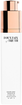
Fountain of Truth Good Day Soufflé Hydrating Moisturizer with SPF 15
Works for
1 of 5 advertised claims delivered
Sun protectionSPF 15 · 3 UV filters · Broad spectrumWeak protectionSPF under 30
This product offers broad spectrum sun protection, but it is weak. We recommend to use a broad spectrum sunscreen with at least SPF 30.
This product can be considered "reef safe" because it does not contain the UV filters (oxybenzone and octinoxate) that can be harmful to coral reefs when present in the water in high concentrations.
MoisturizingSaccharomyces/zinc ferment, Sodium lactate + 17 moreGood evidence
“Good Day Soufflé Hydrating Moisturizer with SPF 15”
This product can help improve hydration of the skin with the two types of ingredients.
The first type is called “humectants”:
these ingredients help attract water.
When humectants are on the surface of the skin, they “pull in” the moisture from the outside environment, or from
within deeper layers of the skin. The following ingredients in this product do the job:
glycerin, saccharomyces/copper ferment.
This product also contains ingredients called “occlusives”. They help reduce the speed with which our skin loses moisture to the outside environment. These ingredients also help soften the upper layer of the skin, so it feels less tight and nicer to the touch. The following ingredients in this product do the job: butyrospermum parkii butter, caprylic/capric triglyceride.
Evens skin toneNo ingredient credited for this claimLimited evidence
This product contains ingredients () that could help reduce hyperpigmentation (for example, post-acne marks or age spots) in theory, but there is not enough evidence that they actually work.
The biggest effect for evening out skin tone in this product comes from sun protection. Sun damage is the main factor causing age spots, darkening of post-acne marks and other discolorations. This is why sun protection is the best strategy for maintaining an even skin tone. We, however, do not recommend using this product as a sunscreen because the protection it offers is not strong enough).
Anti-agingButyrospermum parkii butter, Ascorbyl palmitateLimited evidence
“84% of participants showed improvement in skin the appearance of plumpness after 4 weeks of use 81% of participants showed improvement in the appearance of fine lines and wrinkles after 4 weeks of use”
This product does not contain ingredients that are able to reduce fine lines and wrinkles or help with skin elasticity, but it can improve the look of the skin temporarily through moisturization. Well-moisturized skin might also be able to repair the sun damage better.This ingredient - butyrospermum parkii butter - could be helpful for preventing or repairing signs of aging in theory, but there is no evidence that it actually works.
This ingredient ficus carica fruit extract might be able to help neutralize free radicals in skin and help it fight off some of the sun damage.
The biggest anti-aging effect in this product comes from sun protection. Sun damage is the main factor causing early signs of skin aging. We, however, do not recommend using this product as a sunscreen because the protection it offers is not strong enough).
ExfoliationNo ingredient credited for this claimNo evidence
“contains exfoliating natural AHAs and amino acids Vitamin C & Maca Root Extract .”
This product does not contain effective exfoliating ingredients. It might be able to deliver physical exfoliation, that is scrub off some of the dead cells on the surface of the skin. We do not recommend physical exfoliation, because it is not uniform (some bits of skin can get exfoliated too much while others not at all). It can also traumatize the skin and aggrevate acne and other skin conditions.
Anti-oxidationNot advertised by the brand · Ficus carica fruit extract, Chlorella pyrenoidosa extract + 11 moreModerate evidence
This product contains antioxidants (ficus carica fruit extract) that might be able to help neutralize free radicals in skin to lessen the damage it gets from the UV light (sun). There is not enough evidence to confirm their effectiveness in skin though.
Can it cause trouble?
Irritancy18 strong irritants: Citrus aurantifolia oil, Citrus aurantium bergamia fruit oil + 16 more — patch-test recommendedHigh risk
Comedogenic4 ingredients rated 2 or more on the 0–5 pore-clogging scale4 flagged
User reviews
Be the first — your take helps the next person decide.
Ingredients
Filter by role to see what each ingredient is doing.
Butyl methoxydibenzoylmethane3%
- Irritation risk
- Medium
Avobenzone. An organic, or so-called "chemical" UV filter. Protects against both UVA and UVB rays. Needs to be combined with other filters in a formulation to be stable.
More about Butyl methoxydibenzoylmethaneEthylhexyl salicylate5%
- Irritation risk
- Low
Octisalate. A UV filter. It offers some protection against the sun rays that cause sunburn (UVB), but does not protect against the most aging sun rays (UVA). It loses its effectiveness quickly when exposed to sunlight. It is an organic, or so called "chemical" sunscreen
More about Ethylhexyl salicylateOctocrylene5%
- Irritation risk
- Medium
A weak sunscreen that protects against the sun rays that cause sunburn (UVB) and is somewhat effective against the UVA rays. It is quite stable and can help stabilize other, more vulnerable, sunscreen ingredients like Avobenzone. It is an organic, or so called "chemical" sunscreen
More about OctocryleneWater~45–55%
Caprylic/capric triglyceride~5–6.2%
- Irritation risk
- Medium
A good mix of fatty acids that forms a protective layer on the skin. Improves the shelf life of products. Derived from coconut and glycerin
More about Caprylic/capric triglycerideGlycerin~4.4–5.4%
- Irritation risk
- Low
One of the best moisturizing ingredients. Naturally present in skin. It attracts water to the upper layer of the skin working as a humectant
More about GlycerinCetearyl alcohol~3.4–4.1%
- Irritation risk
- Low
- Comedogenicity
- 2/5
A non-drying alcohol. Works as an emollient. Helps water and oil mix together and creates a nice product texture
More about Cetearyl alcoholButyrospermum parkii butter~3–3.6%
- Irritation risk
- Low
- Comedogenicity
- 3/5
A great moisturising ingredient that softens the skin and reduces water loss from its upper layer. It also can be helpful in protecting skin from free radicals
More about Butyrospermum parkii butterArgania spinosa kernel oil~2–2.4%
- Irritation risk
- Medium
An emollient that helps soften the upper layer of the skin. Might have some weak anti-oxidant properties
More about Argania spinosa kernel oilStearyl alcohol~1.4–1.7%
- Irritation risk
- Low
An emollient that helps soften the skin
More about Stearyl alcoholCetearyl glucoside~1.1–1.4%
- Irritation risk
- Medium
Helps water and oil in the product mix well together and improves product texture
More about Cetearyl glucosideCitrus aurantifolia oil~0.95–1.15%
- Irritation risk
- High
Citrus aurantium bergamia fruit oil~0.6–0.9%
- Irritation risk
- High
A plant oil with a high content of volatile compounds that can irritate the skin and lead to allergic reactions. Can lead to photosensitivity
More about Citrus aurantium bergamia fruit oilCitrus aurantium dulcis peel oil~0.6–0.85%
- Irritation risk
- High
An essentil oil from orange peel. Potential allergen and can be irritating
More about Citrus aurantium dulcis peel oilCitrus limon peel oil~0.45–0.65%
Eugenia caryophyllus leaf oil~0.35–0.6%
- Irritation risk
- High
An essential oil. Used as a fragrance. Can be irritating and sensitizing
More about Eugenia caryophyllus leaf oilRosmarinus officinalis leaf oil~0.3–0.6%
- Irritation risk
- High
A plant oil with high content of volatile compounds that can irritate the skin. Can be used as a fragrance. Has anti-bacterial properties and might help neutralize free radicals on the surface of the skin
More about Rosmarinus officinalis leaf oilSalvia sclarea oil~0.3–0.55%
- Irritation risk
- High
Chlorella pyrenoidosa extract~0.3–0.55%
- Irritation risk
- Low
- Comedogenicity
- 3/5
An algae extract. Can help attract water to the upper layer of the skin and might help neutralize free radicals in skin
More about Chlorella pyrenoidosa extractCitrullus lanatus fruit extract~0.3–0.55%
- Irritation risk
- Medium
A plant extract that can contain an antioxidant compound
More about Citrullus lanatus fruit extractCitrus aurantium dulcis fruit extract~0.25–0.5%
- Irritation risk
- High
A plant extract that is used as a fragrance. Can be irritating and lead to photosensitivity
More about Citrus aurantium dulcis fruit extractCitrus limon fruit extract~0.25–0.45%
- Irritation risk
- High
Used as a fragrance. Can be irritating and cause photosensitivity
More about Citrus limon fruit extractFicus carica fruit extract~0.2–0.4%
- Irritation risk
- Medium
A plant extract that can help neutralize free radicals. The concentrations typically used in cosmetics are too small to have an effect
More about Ficus carica fruit extractHibiscus sabdariffa flower extract~0.2–0.35%
- Irritation risk
- High
A plant extract that can be irritating. It might contain a compound anthocyanin that could be helpful in neutralizing free radicals
More about Hibiscus sabdariffa flower extractLens esculenta fruit extract~0.2–0.35%
- Irritation risk
- Medium
A plant extract containing sugars that might help attract water to the upper layer of the skin. Is claimed by the manufacturer to help reduce pore size but evidence is lacking
More about Lens esculenta fruit extractLepidium meyenii root extract~0.15–0.3%
- Irritation risk
- Low
Leuconostoc/radish root ferment filtrate~0.15–0.3%
- Irritation risk
- Medium
A preservative that comes from radishes fermented by a bacteria. New research suggests that the preservation properties in the ingredient come from an ammonium salt that is not present naturally in radish root but used in its cultivation. Is problematic because the exact amount of the preservative agents is difficult to determine
More about Leuconostoc/radish root ferment filtrateNelumbo nucifera flower extract~0.15–0.3%
Pyrus malus fruit extract~0.15–0.3%
- Irritation risk
- Medium
Can have some moisturizing properties due to its sugar content
More about Pyrus malus fruit extractSaccharomyces/copper ferment~0.15–0.3%
- Irritation risk
- Low
Yeast extract that contains copper. Can help to attract water to the upper layer of the skin and can help in skin wound healing
More about Saccharomyces/copper fermentSaccharomyces/iron ferment~0.15–0.3%
- Irritation risk
- Low
Yeast extract that contains iron. Can help to attract water to the upper layer of the skin. Evidence of effectiveness for other benefits is missing
More about Saccharomyces/iron fermentSaccharomyces/magnesium ferment~0.15–0.3%
- Irritation risk
- Low
Yeast extract that contains magnesium. Can help to attract water to the upper layer of the skin. Evidence of effectiveness for other benefits is missing
More about Saccharomyces/magnesium fermentSaccharomyces/silicon ferment~0.15–0.3%
- Irritation risk
- Low
Yeast extract that contains silicon. Can help to attract water to the upper layer of the skin. Evidence of effectiveness for other benefits is missing
More about Saccharomyces/silicon fermentSaccharomyces/zinc ferment~0.15–0.3%
- Irritation risk
- Low
Yeast extract that contains zinc. Can help to attract water to the upper layer of the skin. Evidence of effectiveness for other benefits is missing
More about Saccharomyces/zinc fermentSpilanthes acmella flower extract~0.15–0.3%
- Irritation risk
- High
Plant extract that might hep calm down inflammation in skin
More about Spilanthes acmella flower extractUndaria pinnatifida cell culture extract~0.15–0.3%
- Irritation risk
- Low
Ascorbyl palmitate~0.15–0.3%
- Irritation risk
- Medium
Being a lipid soluble form of vitamin C, it is more stable and can penetrate the skin better than L-Ascorbic acid. It is effective in protecting the skin from free radicals, as well as evening the skin tone, but is less effective in stimulating collagen production compared to L-Ascorbic acid.
More about Ascorbyl palmitateTocopheryl acetate~0.2–0.35%
- Irritation risk
- Medium
A more stable but less bio-available form of vitamin E compared to Tocopherol. Might help moisturize and protect the skin from free radicals, but mostly used in low concentrations to stabilize other ingredients.
More about Tocopheryl acetateCaffeine~0.15–0.3%
- Irritation risk
- Medium
Might be helpful in neutralizing free radicals. Can have a dehydration effect that might somewhat decrease the look of puffy eyes
More about CaffeineCetearyl olivate~0.2–0.35%
Cetyl alcohol~0.25–0.5%
- Irritation risk
- Low
A non-drying alcohol that works to soften the skin and stabilize product formulations helping oil and water mix together
More about Cetyl alcoholCitric acid~0.15–0.3%
- Irritation risk
- Medium
Can work as an exfoliant but is typically used to adjust the product pH
More about Citric acidCoco-caprylate/caprate~0.25–0.45%
- Irritation risk
- Low
Helps to soften the upper layer of the skin without creating a greasy texture
More about Coco-caprylate/caprateCoconut alkanes~0.25–0.45%
- Irritation risk
- Medium
- Comedogenicity
- 2/5
An emollient that helps soften the skin
More about Coconut alkanesMenthol~0.15–0.3%
- Irritation risk
- High
Sodium lactate~0.15–0.3%
- Irritation risk
- Medium
Helps attract water to the upper layer of the skin. Is often used to adjust the pH level of the product
More about Sodium lactateSodium pca~0.15–0.3%
- Irritation risk
- Low
Naturally present in skin and helps to attract water to its upper layer
More about Sodium pcaSodium phytate~0.15–0.3%
Sorbitan olivate~0.15–0.3%
Xanthan gum~0.15–0.3%
- Irritation risk
- Low
Used to create a thicker product consistency
More about Xanthan gumAlcohol~0.2–0.35%
- Irritation risk
- High
Can be drying and contribute to skin irritation. Used in formulars to dissolve other ingredients, create a thinner product consistency or for its antibacterial properties
More about AlcoholEthylhexylglycerin~0.2–0.35%
Phenoxyethanol~0.2–0.35%
- Irritation risk
- Low
A preservative. It helps prevent bacterial growth in cosmetic products
More about PhenoxyethanolPotassium sorbate~0.15–0.3%
Sodium benzoate~0.15–0.25%
Citral~0.1–0.2%
Citronellol~0.15–0.25%
Eugenol~0.1–0.2%
Limonene~0.1–0.2%
- Irritation risk
- High
A common frangrance that can easily irritate skin, especially if exposed to air, light or heat
More about LimoneneLinalool~0.1–0.2%
Ingredient list view
Butyl methoxydibenzoylmethane, Ethylhexyl salicylate, Octocrylene, Water, Caprylic/capric triglyceride, Glycerin, Cetearyl alcohol, Butyrospermum parkii butter, Argania spinosa kernel oil, Stearyl alcohol, Cetearyl glucoside, Citrus aurantifolia oil, Citrus aurantium bergamia fruit oil, Citrus aurantium dulcis peel oil, Citrus limon peel oil, Eugenia caryophyllus leaf oil, Rosmarinus officinalis leaf oil, Salvia sclarea oil, Chlorella pyrenoidosa extract, Citrullus lanatus fruit extract, Citrus aurantium dulcis fruit extract, Citrus limon fruit extract, Ficus carica fruit extract, Hibiscus sabdariffa flower extract, Lens esculenta fruit extract, Lepidium meyenii root extract, Leuconostoc/radish root ferment filtrate, Nelumbo nucifera flower extract, Pyrus malus fruit extract, Saccharomyces/copper ferment, Saccharomyces/iron ferment, Saccharomyces/magnesium ferment, Saccharomyces/silicon ferment, Saccharomyces/zinc ferment, Spilanthes acmella flower extract, Undaria pinnatifida cell culture extract, Ascorbyl palmitate, Tocopheryl acetate, Caffeine, Cetearyl olivate, Cetyl alcohol, Citric acid, Coco-caprylate/caprate, Coconut alkanes, Menthol, Sodium lactate, Sodium pca, Sodium phytate, Sorbitan olivate, Xanthan gum, Alcohol, Ethylhexylglycerin, Phenoxyethanol, Potassium sorbate, Sodium benzoate, Citral, Citronellol, Eugenol, Limonene, Linalool
Compare prices
Retailers ranked by price — lowest first.
Product summary
"Fountain of Truth - Good Day Soufflé Hydrating Moisturizer with SPF 15" offers broad spectrum protection. It means that it protects from both UVA and UVB rays (you can remember UVB as "burning" sunlight - they cause sunburn. You can remember UVA rays as "aging" - they do not lead to sunburn, but they cause photodamage and contribute to early signs of skin aging and hyperpigmentation). On the negative side, the SPF of this moisturizer is not high enough. We recommend to use a sunscreen with at least SPF 30 daily.
Because it includes good moisturizing ingredients, it can also work as a hydrating day cream.
Sunscreen filters
This sunscreen uses so-called "chemical", or organic UV filters (organic simply means that their molecules contain atoms of carbon). These filters typically give good sun protection and rarely leave a white cast, but they can be irritating for sensitive skin. Here are the exact UV filters in this sunscreen: avobenzone 3.00% (declared), octisalate 5.00% (declared) and octocrylene 5.00% (declared).
Irritation risk
This moisturizer contains a bunch of common irritants, including ingredients that do not provide any known benefit for the skin. It might not be the best choice if your skin is sensitive. We assess the overall irritancy of this moisturizer to be high. For a detailed overview of all potential irritants: click here
You can see the detailed formula review with the breakdown of all actives in the product and the full ingredient list with estimated concentrations in the tables below.
Sources cited in this review
Every concentration estimate and effectiveness label is anchored to one of these 19 studies and safety reviews.
- 1
- 2
- 3
- 4
- 5Air oxidation increases skin irritation from fragrance terpenesonlinelibrary.wiley.com
- 6

Affiliate links · As an Amazon Associate, WIMJ earns from qualifying purchases.