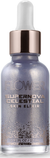
FLOWER Beauty Supernova Celestial Skin Elixir
Works for
1 of 1 advertised claim delivered
MoisturizingAleurites moluccanus seed oil, Camellia oleifera seed oil + 11 moreGood evidence
“FLOWER Beauty's Supernova Celestial Skin Elixir hydrates, primes and smooths while enhancing skin¿s natural radiance for a soft, ethereal glow.”
This product can help soften the skin and reduce its moisture loss with emollients and occlusives: caprylic/capric triglyceride, helianthus annuus seed oil.
Keep in mind that this product does not contain effective ingredients to attract water to the upper layer of the skin. This is why an additional product with humectants like glycerin or hyaluronic acid can be helpful (apply it before this product for the best results).
Can it cause trouble?
Irritancy3 strong irritants: Lavandula angustifolia oil, Rosmarinus officinalis leaf extract + 1 more — patch-test recommendedHigh risk
Comedogenic2 ingredients rated 2 or more on the 0–5 pore-clogging scale2 flagged

User reviews
Be the first — your take helps the next person decide.
Ingredients
Filter by role to see what each ingredient is doing.
Heptyl undecylenate~22–33%
- Irritation risk
- Medium
Helps soften the upper layer of the skin, reduce water loss from the skin surface over time and create a nice product finish
More about Heptyl undecylenateCaprylic/capric triglyceride~5.5–8.2%
- Irritation risk
- Medium
A good mix of fatty acids that forms a protective layer on the skin. Improves the shelf life of products. Derived from coconut and glycerin
More about Caprylic/capric triglycerideJojoba esters~4.5–6.8%
- Irritation risk
- Medium
An emollient made of jojoba oil. Helps soften the skin and support its barrier function
More about Jojoba estersSimmondsia chinensis seed oil~4–5.9%
- Irritation risk
- Medium
Softens the upper layer of skin and helps restore the healthy skin barrier. Has shown to help calm down inflammation in skin. It is a stable oil, meaning that it retains its properties even when exposed to air.
More about Simmondsia chinensis seed oilCamellia oleifera seed oil~2.9–4.3%
- Irritation risk
- Medium
An emollient that does not leave a greasy finish
More about Camellia oleifera seed oilDicaprylyl carbonate~2.2–3.3%
- Irritation risk
- Low
Helps products spread more easily and works as an emollient to soften skin
More about Dicaprylyl carbonateEthylhexyl palmitate~1.7–2.5%
- Irritation risk
- Low
- Comedogenicity
- 3/5
An emollient that helps soften the skin and create a nice product texture
More about Ethylhexyl palmitateDextrin palmitate/hexyldecanoate~1.3–2%
- Irritation risk
- Low
Squalane~1.3–1.9%
- Irritation risk
- Low
An oil naturally present in skin. Works as an emollient to soften the skin and form a protective layer on its surface without a greasy feeling.
More about SqualaneSynthetic fluorphlogopite~0.9–1.4%
- Irritation risk
- Low
A mineral that is used as an optical filter (makes the skin looks nicer through light reflection) and to improve the texture of cosmetic products
More about Synthetic fluorphlogopiteAleurites moluccanus seed oil~0.5–1.2%
- Irritation risk
- Low
Helps soften the upper layer of the skin
More about Aleurites moluccanus seed oilTetrahexyldecyl ascorbate~0.45–1.05%
- Irritation risk
- Medium
Being a lipid soluble form of vitamin C, it is more stable than ascorbic acid, but still degrades quickly and needs to be stabilized in a formulation with another ingredient. It is claimed to penetrate skin better than pure vitamin C and have the the similar benefits, but solid studies of its effectiveness are lacking. Is likely to require a higher concentration in a product than pure vitamin C to be effective. It might be able to help reduce pore clogging.
More about Tetrahexyldecyl ascorbateEclipta prostrata extract~0.4–0.95%
- Irritation risk
- High
A plant extract that might help neutralize free radicals in skin. It can be irritating
More about Eclipta prostrata extractLavandula angustifolia oil~0.35–0.85%
- Irritation risk
- High
An essential oil. Potential allergen and can be irritating. It has some anti-bacterial properties
More about Lavandula angustifolia oilTocopheryl acetate~0.35–0.8%
- Irritation risk
- Medium
A more stable but less bio-available form of vitamin E compared to Tocopherol. Might help moisturize and protect the skin from free radicals, but mostly used in low concentrations to stabilize other ingredients.
More about Tocopheryl acetateTitanium dioxide~0.45–1%
- Irritation risk
- Low
Works as a UV filter when used in high concentrations. It is photostable and is effective mostly against the UVB light, with some protection in the UVA range. In small concentrations, used for its ability to improve the color of cosmetic products. Is usually well tolerated by the skin
More about Titanium dioxideHelianthus annuus seed oil~0.4–0.9%
- Irritation risk
- Low
A great emollient due to its high linoleic acid content. One of the most effective plant oils in helping skin hydration and repairing skin barrier function
More about Helianthus annuus seed oilCalcium sodium borosilicate~0.3–0.75%
Melia azadirachta leaf extract~0.2–0.75%
- Irritation risk
- High
A plant extract that has anti-bacterial properties. Can be used to preserve the product. Can be irritating
More about Melia azadirachta leaf extractMelia azadirachta flower extract~0.15–0.7%
- Irritation risk
- Medium
A plant extract that might be helpful to neutralize free radicals in skin
More about Melia azadirachta flower extractCoccinia indica fruit extract~0.15–0.65%
- Irritation risk
- Medium
A plant extract that might have some anti-oxidant effect helping neutralize free radicals in skin
More about Coccinia indica fruit extractRosmarinus officinalis leaf extract~0.15–0.55%
- Irritation risk
- High
Can be helpful in reducing inflammation in skin, including inflamed acne. It can be irritating
More about Rosmarinus officinalis leaf extractMoringa oleifera seed oil~0.2–0.8%
- Irritation risk
- Medium
A plant oil that helps soften the upper layer of the skin. Is unlikely to be helpful in restoring skin barrier function due to the low content of linoleic acid
More about Moringa oleifera seed oilTocopherol~0.15–0.55%
- Irritation risk
- Low
Pure form of vitamin E. Can help moisturise and protect the skin from free radicals. Often used to help stabilise other ingredients or the formula itself
More about TocopherolSolanum melongena fruit extract~0.15–0.55%
- Irritation risk
- Medium
Eggplant fruit extract. Might have some anti-oxidant effect
More about Solanum melongena fruit extractAloe barbadensis flower extract~0.15–0.7%
- Irritation risk
- High
A plant extract that might have some anti-oxidant effect
More about Aloe barbadensis flower extractTin oxide~0.2–0.75%
- Irritation risk
- Low
A colorant that can add a pearl-like appearance to the formulation
More about Tin oxideCurcuma longa root extract~0.1–0.3%
- Irritation risk
- High
A plant extract that can contain an active compound curcumin, that may have some anti-inflammatory properties when applied to the skin, but solid research is lacking and the typical concentration used in skincare products is too low. Can be an irritant
More about Curcuma longa root extractCorallina officinalis extract~0.1–0.35%
- Irritation risk
- Low
- Comedogenicity
- 3/5
Red algae extract that helps attract water to the upper layer of the skin and might contain antioxidants
More about Corallina officinalis extractOcimum sanctum leaf extract~0.1–0.35%
- Irritation risk
- High
A plant extract that is rich in a fragrance compound eugenol that is a frequent allergen and can be irritating. It might also contain anti-oxidants to help neutralize free radicals
More about Ocimum sanctum leaf extractIngredient list view
Heptyl undecylenate, Caprylic/capric triglyceride, Jojoba esters, Simmondsia chinensis seed oil, Camellia oleifera seed oil, Dicaprylyl carbonate, Ethylhexyl palmitate, Dextrin palmitate/hexyldecanoate, Squalane, Synthetic fluorphlogopite, Aleurites moluccanus seed oil, Tetrahexyldecyl ascorbate, Eclipta prostrata extract, Lavandula angustifolia oil, Tocopheryl acetate, Titanium dioxide, Helianthus annuus seed oil, Calcium sodium borosilicate, Melia azadirachta leaf extract, Melia azadirachta flower extract, Coccinia indica fruit extract, Rosmarinus officinalis leaf extract, Moringa oleifera seed oil, Tocopherol, Solanum melongena fruit extract, Aloe barbadensis flower extract, Tin oxide, Curcuma longa root extract, Corallina officinalis extract, Ocimum sanctum leaf extract
Compare prices
Retailers ranked by price — lowest first.

Worth comparing, line by line.
Match % combines shared ingredients, the first five ingredients, shared actives and hero ingredients, irritancy (lower counts in the alternative's favour), texture and body area. Only products in the same routine step are compared.
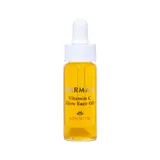
| FLOWER BeautySupernova Celestial Skin ElixirYOUR PRODUCT | Derma EMini Vitamin C Glow Face Oil | BloomeffectsRoyal Tulip Vitamin C Facial Oil | Cirem SkincareMending Moon Moonglow Face Oil | |
|---|---|---|---|---|
| Match | — | 56% | 53% | 53% |
| Price | $18.49 | $5.95−$12.54 | $85.00+$66.51 | $70.00+$51.51 |
| Shared key ingredients | — | 5 of 12 | 3 of 12 | 3 of 12 |
| Key difference | — | Rubus Idaeus Seed Oil | Niacinamide | Prickly Pear Seed Oil |
| Irritancy | High | Medium | Medium | Medium |
| Drying alcohol | — | — | — | — |
| View product | Shop | Shop | Shop |


Product summary
"FLOWER Beauty - Supernova Celestial Skin Elixir" could be helpful for: Moisturizing, but its actives are not the most effective or are not well-studied.
Price
The product retails from 18.49$ up to 21.02$ in the United States.
For a detailed price comparison: click here.
Sources cited in this review
Every concentration estimate and effectiveness label is anchored to one of these 19 studies and safety reviews.
- 1
- 2
- 3
- 4
- 5
- 6Effect of topically applied lipids on surfactant-irritated skinonlinelibrary.wiley.com

Affiliate links · As an Amazon Associate, WIMJ earns from qualifying purchases.