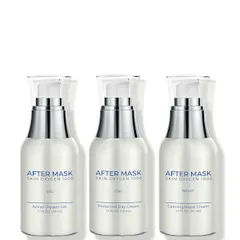
Works for:
based on ingredients and %- Anti-aging
- Moisturizing
Can it cause trouble?
- Irritation risk: high
- Comedogenic risk ingredients: 3
Key actives



Works for
Moisturizing
This product can help improve hydration of the skin with the two types of ingredients.
The first type is called “humectants”:
these ingredients help attract water.
When humectants are on the surface of the skin, they “pull in” the moisture from the outside environment, or from
within deeper layers of the skin. The following ingredients in this product do the job:
glycerin, hydrolyzed hyaluronic acid.
This product also contains ingredients called “occlusives”. They help reduce the speed with which our skin loses moisture to the outside environment. These ingredients also help soften the upper layer of the skin, so it feels less tight and nicer to the touch. The following ingredients in this product do the job: squalane, cholesterol.
The following ingredients in this product are especially good for supporting the skin barrier and helping with the hydration level: acetyl hexapeptide-37, ceramide ap, ceramide eop, ceramide np, panthenol, phytosphingosine
Helps attract water to the upper layer of the skin
A type of lipid similar to ceramides naturally present in skin. Helps to soften the upper layer of the skin and supports the skin barrier function to keep it hydrated. Can help to prevent inflammation in skin
A type of lipid similar to ceramides naturally present in skin. Helps to soften the upper layer of the skin and supports the skin barrier function to keep it hydrated. Can help to prevent inflammation in skin
A type of lipid similar to ceramides naturally present in skin. Helps to soften the upper layer of the skin and supports the skin barrier function to keep it hydrated. Can help to prevent inflammation in skin
An emollient that is naturally found in skin
One of the best moisturizing ingredients. Naturally present in skin. It attracts water to the upper layer of the skin working as a humectant
A type of peptide. Peptides are excellent moisturizers and might be able support collagen production reducing fine lines and wrinkles
Attracts water into the upper layer of the skin
Helps attract water to the upper layer of the skin. Is claimed to support the growth of "good" bacteria in skin (as a "prebiotic"), but the research is lacking
A fermentation product created by bacteria Lactobacillus. The fermented product has anti-bacterial properties and might be helpful in calming down inflammation, but studies are lacking. Helps attract water to the upper layer of the skin. Can be used as a preservative
This oil's cmposition is closest to rapeseed oil. It is a very stable oil and serves as an emoillient
Helps attract water to the upper layer of the skin and can help improve skin barrier function
A type of lipid that is naturally present in skin. It might help in repairing skin barrier function and has anti-bacterial effect
Helps attract water to the upper layer of the skin
Helps attract water to the upper layer of the skin
One of the best moisturizing ingredients. Attracts water into the upper layer of the skin
An oil naturally present in skin. Works as an emollient to soften the skin and form a protective layer on its surface without a greasy feeling.
One of the best moisturizing ingredients. Attracts water into the upper layer of the skin. A version of it is naturally present in skin
Used to stabilize the product formulations and works as an emollient
A non-drying alcohol that works to soften the skin and stabilize product formulations helping oil and water mix together
A non-drying alcohol. Works as an emollient. Helps water and oil mix together and creates a nice product texture
Help soften the upper layer of the skin
Helps soften the upper layer of the skin
Used to create a nice product texture and help delivery of other ingredients. Might be somewhat helpful in attracting water to the upper layer of the skin
Helps preserve products and creates a nice product texture
Might have some moisturising properties. Is not effective when applied topically beyond some moisturizing effect
Helps soften the upper layer of the skin and create a nice product consistency
An emollient that softens the skin and forms a protective layer on its surface. Helps water and oil mix together
An emollient that is naturally present in skin and helps soften it
Softens the upper layer of skin and helps restore the healthy skin barrier. Has shown to help calm down inflammation in skin. It is a stable oil, meaning that it retains its properties even when exposed to air.
A good mix of fatty acids that forms a protective layer on the skin. Improves the shelf life of products. Derived from coconut and glycerin
Helps calm down inflammation in skin and can help reduce itching. Helps to repair the skin barrier and keep skin hydrated
A great moisturising ingredient that softens the skin and reduces water loss from its upper layer. It also can be helpful in protecting skin from free radicals
Forms a protective film on the surface of the skin to prevent moisture loss. Gives a velvety feel to products while reducing tackiness
Helps oil and water mix together and works as an emollient
Anti-aging
What does the product description say?
This particular gel preparation develops active oxygen which is thus absorbed by the skin, for an effective and pleasant anti-fatigue, anti-aging (thanks to 3 Hyaluronic Acids) and smoothing effect, followed by a deep feeling of well-being and preserving the Microbiome.
Source: Skinstore
This product contains acetyl hexapeptide-37. This ingredient might be able to help reduce and prevent fine lines and wrinkles, improve skin elasticity and firmness, but there is not enough evidence that it actually works.
A type of peptide. Peptides are excellent moisturizers and might be able support collagen production reducing fine lines and wrinkles
This oil's cmposition is closest to rapeseed oil. It is a very stable oil and serves as an emoillient
A great moisturising ingredient that softens the skin and reduces water loss from its upper layer. It also can be helpful in protecting skin from free radicals
How honest is this product?
| Promise | Can it deliver? |
|---|---|
| Anti-aging |
Total Promises Fulfilled score: 75/100.
We receive a small commission for purchases made through these links at no cost for you. Thank you for your support! Learn more
Potential irritants
Comedogenic ingredients
User reviews (0)
Averages from community submissions.
No reviews yet for this product.
Be the first to share your experience!
Tried this product?
Help capture what the ingredient list can't—texture, finish, pilling, scent, and more. Answer what you can, skip the rest.
Takes ~30 seconds.
Reviews are shown in aggregate. No personal details.
| Product | Similarity | Price | Irritancy |
|---|---|---|---|
 Fillerina After Mask Skin Oxygen 1000 | Current | ≈ $150.99 | |
Elizabeth Arden Superstart Probiotic Boost Skin Renewal Biocellulose Mask x4 | 55% | - | |
Summer Fridays Mini Jet Lag Mask | 53% | ≈ $23.90 | |
 VERSO Nourishing Mask | 50% | $55.99 |
Key Actives
Helps calm down inflammation in skin and can help reduce itching. Helps to repair the skin barrier and keep skin hydrated
Helps calm down inflammation in skin and can help reduce itching. Helps to repair the skin barrier and keep skin hydrated
A fermentation product created by bacteria Lactobacillus. The fermented product has anti-bacterial properties and might be helpful in calming down inflammation, but studies are lacking. Helps attract water to the upper layer of the skin. Can be used as a preservative
A fermentation product created by bacteria Lactobacillus. The fermented product has anti-bacterial properties and might be helpful in calming down inflammation, but studies are lacking. Helps attract water to the upper layer of the skin. Can be used as a preservative
Helps attract water to the upper layer of the skin and can help improve skin barrier function
An active component of chamomile plant that historically has been used to calm down irritated skin. A recent study shows that bisabolol indeed can have some anti-inflammatory effect on skin, even though conclusive data is lacking. Bisabolol has a sweet floral scent and can be added to products for its aromatic properties
A type of lipid similar to ceramides naturally present in skin. Helps to soften the upper layer of the skin and supports the skin barrier function to keep it hydrated. Can help to prevent inflammation in skin
A type of lipid similar to ceramides naturally present in skin. Helps to soften the upper layer of the skin and supports the skin barrier function to keep it hydrated. Can help to prevent inflammation in skin
A type of lipid that is naturally present in skin. It might help in repairing skin barrier function and has anti-bacterial effect
A type of lipid similar to ceramides naturally present in skin. Helps to soften the upper layer of the skin and supports the skin barrier function to keep it hydrated. Can help to prevent inflammation in skin
A great moisturising ingredient that softens the skin and reduces water loss from its upper layer. It also can be helpful in protecting skin from free radicals
This oil's cmposition is closest to rapeseed oil. It is a very stable oil and serves as an emoillient
Helps attract water to the upper layer of the skin. Is claimed to support the growth of "good" bacteria in skin (as a "prebiotic"), but the research is lacking
An emollient that is naturally found in skin
A type of peptide. Peptides are excellent moisturizers and might be able support collagen production reducing fine lines and wrinkles
Helps attract water to the upper layer of the skin. Is claimed to support the growth of "good" bacteria in skin (as a "prebiotic"), but the research is lacking
One of the best moisturizing ingredients. Naturally present in skin. It attracts water to the upper layer of the skin working as a humectant
One of the best moisturizing ingredients. Attracts water into the upper layer of the skin. A version of it is naturally present in skin
One of the best moisturizing ingredients. Attracts water into the upper layer of the skin
Attracts water into the upper layer of the skin
A good mix of fatty acids that forms a protective layer on the skin. Improves the shelf life of products. Derived from coconut and glycerin
One of the best moisturizing ingredients. Naturally present in skin. It attracts water to the upper layer of the skin working as a humectant
An oil naturally present in skin. Works as an emollient to soften the skin and form a protective layer on its surface without a greasy feeling.
Softens the upper layer of skin and helps restore the healthy skin barrier. Has shown to help calm down inflammation in skin. It is a stable oil, meaning that it retains its properties even when exposed to air.
Helps attract water to the upper layer of the skin
Helps attract water to the upper layer of the skin
One of the best moisturizing ingredients. Attracts water into the upper layer of the skin. A version of it is naturally present in skin
One of the best moisturizing ingredients. Attracts water into the upper layer of the skin
Attracts water into the upper layer of the skin
One of the best moisturizing ingredients. Naturally present in skin. It attracts water to the upper layer of the skin working as a humectant
Helps attract water to the upper layer of the skin
Helps attract water to the upper layer of the skin
Helps attract water to the upper layer of the skin
One of the best moisturizing ingredients. Attracts water into the upper layer of the skin. A version of it is naturally present in skin
One of the best moisturizing ingredients. Attracts water into the upper layer of the skin
Attracts water into the upper layer of the skin
Potential irritants
An aromatic blend of unspecified and possibly irritating ingredients
A plant extract that contains an essential oil and often used for its fragrance. Can be irritating. It has some anti-bacterial and anti-oxidant properties
Can be drying and contribute to skin irritation. Used in formulars to dissolve other ingredients, create a thinner product consistency or for its antibacterial properties
Used in products to help dissolve oxygen and enhance oxygen molecule penetration into the skin. There is no evidence for benefits of the oxygen emulsion in topical creams, lotions or serums. There is a study available confirming a positive impact of oxygen therapy for skin wound healing, but it used an oxygen emulsion stored under high pressure using special equipment
Helps preserve products and creates a nice product texture
Maintains the texture of skincare products. Allows the product to spread evenly. Helps oil and water mix together
A good mix of fatty acids that forms a protective layer on the skin. Improves the shelf life of products. Derived from coconut and glycerin
Softens the upper layer of skin and helps restore the healthy skin barrier. Has shown to help calm down inflammation in skin. It is a stable oil, meaning that it retains its properties even when exposed to air.
A more stable but less bio-available form of vitamin E compared to Tocopherol. Might help moisturize and protect the skin from free radicals, but mostly used in low concentrations to stabilize other ingredients.
Helps protect the ingredients in the formulation against UV light
Can work as an exfoliant but is typically used to adjust the product pH
Used to thicken the product's consistency
Helps to control the skin's pH level. Maintains the skin's natural film of amino-lactic acids and oils. Helps to preserve products
Comedogenic ingredients
Used to stabilize the product formulations and works as an emollient
A non-drying alcohol. Works as an emollient. Helps water and oil mix together and creates a nice product texture
A great moisturising ingredient that softens the skin and reduces water loss from its upper layer. It also can be helpful in protecting skin from free radicals
All ingredients
Used in products to help dissolve oxygen and enhance oxygen molecule penetration into the skin. There is no evidence for benefits of the oxygen emulsion in topical creams, lotions or serums. There is a study available confirming a positive impact of oxygen therapy for skin wound healing, but it used an oxygen emulsion stored under high pressure using special equipment
One of the best moisturizing ingredients. Naturally present in skin. It attracts water to the upper layer of the skin working as a humectant
Helps preserve products and creates a nice product texture
Increases thickness of a product. Texture enhancer for oil-in-water emulsions
Maintains the texture of skincare products. Allows the product to spread evenly. Helps oil and water mix together
One of the best moisturizing ingredients. Attracts water into the upper layer of the skin. A version of it is naturally present in skin
One of the best moisturizing ingredients. Attracts water into the upper layer of the skin
Attracts water into the upper layer of the skin
A good mix of fatty acids that forms a protective layer on the skin. Improves the shelf life of products. Derived from coconut and glycerin
One of the best moisturizing ingredients. Naturally present in skin. It attracts water to the upper layer of the skin working as a humectant
Used to stabilize the product formulations and works as an emollient
An oil naturally present in skin. Works as an emollient to soften the skin and form a protective layer on its surface without a greasy feeling.
A non-drying alcohol. Works as an emollient. Helps water and oil mix together and creates a nice product texture
Helps attract water to the upper layer of the skin and can help improve skin barrier function
Softens the upper layer of skin and helps restore the healthy skin barrier. Has shown to help calm down inflammation in skin. It is a stable oil, meaning that it retains its properties even when exposed to air.
An aromatic blend of unspecified and possibly irritating ingredients
A preservative. It helps prevent bacterial growth in cosmetic products
An active component of chamomile plant that historically has been used to calm down irritated skin. A recent study shows that bisabolol indeed can have some anti-inflammatory effect on skin, even though conclusive data is lacking. Bisabolol has a sweet floral scent and can be added to products for its aromatic properties
Used to create a nice product texture and help delivery of other ingredients. Might be somewhat helpful in attracting water to the upper layer of the skin
An emollient that softens the skin and forms a protective layer on its surface. Helps water and oil mix together
A more stable but less bio-available form of vitamin E compared to Tocopherol. Might help moisturize and protect the skin from free radicals, but mostly used in low concentrations to stabilize other ingredients.
Helps preserve products and creates a nice product texture
Used in products to help dissolve oxygen and enhance oxygen molecule penetration into the skin. There is no evidence for benefits of the oxygen emulsion in topical creams, lotions or serums. There is a study available confirming a positive impact of oxygen therapy for skin wound healing, but it used an oxygen emulsion stored under high pressure using special equipment
Helps calm down inflammation in skin and can help reduce itching. Helps to repair the skin barrier and keep skin hydrated
Helps attract water to the upper layer of the skin. Is claimed to support the growth of "good" bacteria in skin (as a "prebiotic"), but the research is lacking
A plant extract that contains an essential oil and often used for its fragrance. Can be irritating. It has some anti-bacterial and anti-oxidant properties
Help soften the upper layer of the skin
Helps attract water to the upper layer of the skin
Used to stabilize the product formulation and can help absorb oil
Might have some moisturising properties. Is not effective when applied topically beyond some moisturizing effect
Helps protect the ingredients in the formulation against UV light
Helps attract water to the upper layer of the skin
A fermentation product created by bacteria Lactobacillus. The fermented product has anti-bacterial properties and might be helpful in calming down inflammation, but studies are lacking. Helps attract water to the upper layer of the skin. Can be used as a preservative
One of the best moisturizing ingredients. Attracts water into the upper layer of the skin. A version of it is naturally present in skin
One of the best moisturizing ingredients. Attracts water into the upper layer of the skin
Can work as an exfoliant but is typically used to adjust the product pH
Can be drying and contribute to skin irritation. Used in formulars to dissolve other ingredients, create a thinner product consistency or for its antibacterial properties
A type of lipid similar to ceramides naturally present in skin. Helps to soften the upper layer of the skin and supports the skin barrier function to keep it hydrated. Can help to prevent inflammation in skin
Attracts water into the upper layer of the skin
A type of lipid similar to ceramides naturally present in skin. Helps to soften the upper layer of the skin and supports the skin barrier function to keep it hydrated. Can help to prevent inflammation in skin
A type of lipid that is naturally present in skin. It might help in repairing skin barrier function and has anti-bacterial effect
Helps create a thicker or gel-like product texture. It is not a surfactant but can be used in gentle cleansing formulations
A type of peptide. Peptides are excellent moisturizers and might be able support collagen production reducing fine lines and wrinkles
A type of lipid similar to ceramides naturally present in skin. Helps to soften the upper layer of the skin and supports the skin barrier function to keep it hydrated. Can help to prevent inflammation in skin
Helps soften the upper layer of the skin and create a nice product consistency
Forms a protective film on the surface of the skin to prevent moisture loss. Gives a velvety feel to products while reducing tackiness
One of the best moisturizing ingredients. Naturally present in skin. It attracts water to the upper layer of the skin working as a humectant
Used to thicken the product's consistency
A great moisturising ingredient that softens the skin and reduces water loss from its upper layer. It also can be helpful in protecting skin from free radicals
Increases thickness of a product. Texture enhancer for oil-in-water emulsions
A more stable but less bio-available form of vitamin E compared to Tocopherol. Might help moisturize and protect the skin from free radicals, but mostly used in low concentrations to stabilize other ingredients.
Helps attract water to the upper layer of the skin and repair the skin barrier function
A preservative. It helps prevent bacterial growth in cosmetic products
Used to create a nice product texture and help delivery of other ingredients. Might be somewhat helpful in attracting water to the upper layer of the skin
An aromatic blend of unspecified and possibly irritating ingredients
This oil's cmposition is closest to rapeseed oil. It is a very stable oil and serves as an emoillient
Helps to absord oil and evenly disperse other ingredients (for example, pigment) in product formulation
Helps to retain moisture by creating a protective barrier on the skin. Rich in fatty acids. Improves product texture and helps with the penetration of other ingredients.
An emollient that is naturally present in skin and helps soften it
Used in products to help dissolve oxygen and enhance oxygen molecule penetration into the skin. There is no evidence for benefits of the oxygen emulsion in topical creams, lotions or serums. There is a study available confirming a positive impact of oxygen therapy for skin wound healing, but it used an oxygen emulsion stored under high pressure using special equipment
Helps calm down inflammation in skin and can help reduce itching. Helps to repair the skin barrier and keep skin hydrated
Helps attract water to the upper layer of the skin. Is claimed to support the growth of "good" bacteria in skin (as a "prebiotic"), but the research is lacking
A non-drying alcohol that works to soften the skin and stabilize product formulations helping oil and water mix together
A plant extract that contains an essential oil and often used for its fragrance. Can be irritating. It has some anti-bacterial and anti-oxidant properties
Helps attract water to the upper layer of the skin
Used to increase stability of product formulations
Used to stabilize the product formulation and can help absorb oil
Helps protect the ingredients in the formulation against UV light
Can work as an exfoliant but is typically used to adjust the product pH
Helps attract water to the upper layer of the skin
A fermentation product created by bacteria Lactobacillus. The fermented product has anti-bacterial properties and might be helpful in calming down inflammation, but studies are lacking. Helps attract water to the upper layer of the skin. Can be used as a preservative
One of the best moisturizing ingredients. Attracts water into the upper layer of the skin. A version of it is naturally present in skin
One of the best moisturizing ingredients. Attracts water into the upper layer of the skin
Helps to control the skin's pH level. Maintains the skin's natural film of amino-lactic acids and oils. Helps to preserve products
Can be drying and contribute to skin irritation. Used in formulars to dissolve other ingredients, create a thinner product consistency or for its antibacterial properties
Attracts water into the upper layer of the skin
Ingredient list view
Water, Perfluorohexane, Silica, Perfluorodecalin, Glycerin, Pentafluoropropane, Decyl glucoside, Sodium polyacryloyldimethyl taurate, Disodium laureth sulfosuccinate, Caprylyl glycol, Ammonium acryloyldimethyltaurate/vp copolymer, 1,2-hexanediol, Acrylates/c10-30 alkyl acrylate crosspolymer, Disodium edta, Tropolone, Hydrolyzed hyaluronic acid, Sodium hyaluronate, Hydrolyzed sodium hyaluronate, Water, Caprylic/capric triglyceride, Glycerin, Glyceryl stearate se, Squalane, Cetearyl alcohol, Panthenol, Simmondsia chinensis seed oil, Sodium polyacryloyldimethyl taurate, Hydrogenated ethylhexyl olivate, Parfum, Phenoxyethanol, Bisabolol, Butylene glycol, Glyceryl stearate, Tocopheryl acetate, Caprylyl glycol, Perfluorohexane, Allantoin, Inulin, Disodium edta, Myrtus communis leaf extract, Unknown, Pistacia lentiscus leaf extract, Hydrogenated olive oil unsaponifiables, Perfluorodecalin, Alpha-glucan oligosaccharide, Pentafluoropropane, Maltodextrin, Buteth-3, Sodium lauroyl lactylate, Biotin, Sodium benzotriazolyl butylphenol sulfonate, Saccharomyces ferment lysate filtrate, Lactobacillus ferment, Hydrolyzed hyaluronic acid, Sodium hyaluronate, Citric acid, Alcohol, Tris(tetramethylhydroxypiperidinol)citrate, Ceramide np, Hydrolyzed sodium hyaluronate, Tributyl citrate, Ceramide ap, Cholesterol, Phytosphingosine, Sodium benzoate, Carbomer, Xanthan gum, Acetyl hexapeptide-37, Potassium sorbate, Ceramide eop, Water, Neopentyl glycol diheptanoate, Isononyl isononanoate, Glycerin, Aluminum starch octenylsuccinate, Steareth-2, Butyrospermum parkii butter, Ammonium acryloyldimethyltaurate/vp copolymer, Tocopheryl acetate, Xylitol, Phenoxyethanol, Butylene glycol, Steareth-21, Parfum, Unknown, Limnanthes alba seed oil, Boron nitride, Hydrogenated lecithin, Hydroxyacetophenone, Saccharide isomerate, Stearic acid, Palmitic acid, Silica, Perfluorohexane, Allantoin, Ethylhexylglycerin, Inulin, Cetyl alcohol, Xanthan gum, Myrtus communis leaf extract, Unknown, Pistacia lentiscus leaf extract, Perfluorodecalin, Alpha-glucan oligosaccharide, Pentaerythrityl tetra-di-t-butyl hydroxyhydrocinnamate, Unknown, Edta, Pentafluoropropane, Maltodextrin, Buteth-3, Bht, Sodium benzotriazolyl butylphenol sulfonate, Citric acid, Saccharomyces ferment lysate filtrate, Lactobacillus ferment, Hydrolyzed hyaluronic acid, Sodium hyaluronate, Sodium citrate, Alcohol, Sodium hydroxide, Tris(tetramethylhydroxypiperidinol) citrate, Hydrolyzed sodium hyaluronate, Tributyl citrate, Sodium benzoate, Potassium sorbate
- Topical Oxygen Emulsion A Novel Wound Therapy
- Glycerol and the skin: holistic approach to its origin and functions
- Ecofriendly surfactant is allergen of the year
- The influence of alkane chain length on the skin irritation potential of 1,2-alkanediols
- Efficacy of a New Topical Nano-hyaluronic Acid in Humans
- Physiochemical properties and application of hyaluronic acid: a systematic review
- Hyaluronic acid: A key molecule in skin aging
- Hyaluronan (Hyaluronic Acid): a natural moisturizer for skin care
- Skin moisturizing effects of panthenol-based formulations
- Safety Assessment of Panthenol, Pantothenic Acid, and Derivatives as Used in Cosmetics
- α-(-)-Bisabolol Reduces Pro-Inflammatory Cytokine Production and Ameliorates Skin Inflammation
- Profile of wound healing process induced by allantoin
- Probiotics and prebiotics potential for the care of skin, female urogenital tract, and respiratory tract
- Antioxidant Activity of Myrtus communis L. and Myrtus nivellei Batt. & Trab. Extracts: A Brief Review
- Antimicrobial and antioxidative activity of extracts and essential oils of Myrtus communis L.
- The effect of probiotics on immune regulation, acne, and photoaging
- Comparison of clinical and histological effects between lactobacillus-fermented Chamaecyparis obtusa and tea tree oil for the treatment of acne: an eight-week double-blind randomized controlled split-face study
- Use of Probiotics for Dermal Applications
- Skin hydration is significantly increased by a cream formulated to mimic the skin’s own natural moisturizing systems
- Topically Applied Ceramides Interact with the Stratum Corneum Lipid Matrix in Compromised Ex Vivo Skin
- Topical emulsions containing ceramides: Effects on the skin barrier function and anti‐inflammatory properties
- 5: Final Report on the Safety Assessment of Steareth-2,-4,-6,-7,-10,-11,-13,-15, and-20
- Safety Assessment of Boron Nitride as Used in Cosmetics
- Safety Assessment of Pentaerythrityl Tetra-Di-t-Butyl Hydroxyhydrocinnamate as Used in Cosmetics