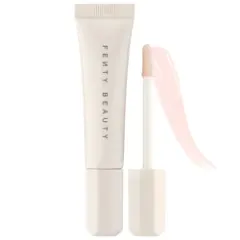
Works for:
based on ingredients and %- Moisturizing
Can it cause trouble?
- Irritation risk: medium
- Comedogenic risk ingredients: 4
Key actives

Works for
Moisturizing
What does the product description say?
Made with rich, yet non-greasy shea and mango seed butters, this lip balm is super-creamy, lightweight, and glides over lips to soothe, nourish, and lock in moisture.
Source: Sephora
This product can help soften the skin and reduce its moisture loss with emollients and occlusives: butyrospermum parkii butter, caprylic/capric triglyceride.
Keep in mind that this product does not contain effective ingredients to attract water to the upper layer of the skin. This is why an additional product with humectants like glycerin or hyaluronic acid can be helpful (apply it before this product for the best results).
Helps soften the upper layer of the skin and can be helpful in restoring the skin barrier function. Might have some anti-oxidant effect
A great moisturising ingredient that softens the skin and reduces water loss from its upper layer. It also can be helpful in protecting skin from free radicals
A good mix of fatty acids that forms a protective layer on the skin. Improves the shelf life of products. Derived from coconut and glycerin
A good emollient that helps soften the skin and helps repair its barrier function. It can clog pores if used in high concentrations.
Helps to soften the upper layer of the skin and might have some anti-oxidant effect
An emollient that helps soften the upper layer of the skin. Might have some weak anti-oxidant properties
An emollient that helps soften the skin
A plant oil that can help soften the skin. It might be helpful in calming down inflammation, but solid research is lacking. Is often used in lip products to create the needed product consistency
An oil naturally present in skin. Works as an emollient to soften the skin and form a protective layer on its surface without a greasy feeling.
An emollient that helps to soften the skin and create a pleasant product texture and stabilize the formulation
Pure form of vitamin E. Can help moisturise and protect the skin from free radicals. Often used to help stabilise other ingredients or the formula itself
How honest is this product?
| Promise | Can it deliver? |
|---|---|
| Moisturizing |
Total Promises Fulfilled score: 75/100.
We receive a small commission for purchases made through these links at no cost for you. Thank you for your support! Learn more
Potential irritants
Comedogenic ingredients
User reviews (0)
Averages from community submissions.
No reviews yet for this product.
Be the first to share your experience!
Tried this product?
Help capture what the ingredient list can't—texture, finish, pilling, scent, and more. Answer what you can, skip the rest.
Takes ~30 seconds.
Reviews are shown in aggregate. No personal details.
| Product | Similarity | Price | Irritancy |
|---|---|---|---|
 FENTY BEAUTY by Rihanna Pro Kiss'r Luscious Lip Balm | Current | ≈ $9.62 | |
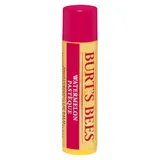 Burt's Bees 100% Natural Origin Moisturising Lip Balm - Watermelon | 37% | ≈ $5.33 | |
 The INKEY List CA Tripeptide Plumping Lip Balm | 36% | ≈ $12.82 | |
 SVR Topialyse Plant-Based Nourishing Lip Balm | 36% | ≈ $6.01 | |
 Wonderblush Le Baume Tinted Lip Balm | Try In Person | 35% | ≈ $37.37 | |
 Bioderma Atoderm Lèvres: Restorative Lip Balm | 34% | - |
Key Actives
Pure form of vitamin E. Can help moisturise and protect the skin from free radicals. Often used to help stabilise other ingredients or the formula itself
A great moisturising ingredient that softens the skin and reduces water loss from its upper layer. It also can be helpful in protecting skin from free radicals
Helps soften the upper layer of the skin and can be helpful in restoring the skin barrier function. Might have some anti-oxidant effect
A plant oil that can help soften the skin. It might be helpful in calming down inflammation, but solid research is lacking. Is often used in lip products to create the needed product consistency
An emollient that helps soften the upper layer of the skin. Might have some weak anti-oxidant properties
Helps to soften the upper layer of the skin and might have some anti-oxidant effect
An emollient that helps soften the skin
An oil naturally present in skin. Works as an emollient to soften the skin and form a protective layer on its surface without a greasy feeling.
A good mix of fatty acids that forms a protective layer on the skin. Improves the shelf life of products. Derived from coconut and glycerin
A good emollient that helps soften the skin and helps repair its barrier function. It can clog pores if used in high concentrations.
Potential irritants
A plant extract used as a fragrance. Can be irritating
A plant oil that can help soften the skin. It might be helpful in calming down inflammation, but solid research is lacking. Is often used in lip products to create the needed product consistency
A good mix of fatty acids that forms a protective layer on the skin. Improves the shelf life of products. Derived from coconut and glycerin
An emollient that helps soften the upper layer of the skin. Might have some weak anti-oxidant properties
A good emollient that helps soften the skin and helps repair its barrier function. It can clog pores if used in high concentrations.
Can work as an exfoliant but is typically used to adjust the product pH
Comedogenic ingredients
A great moisturising ingredient that softens the skin and reduces water loss from its upper layer. It also can be helpful in protecting skin from free radicals
Helps soften the upper layer of the skin and can be helpful in restoring the skin barrier function. Might have some anti-oxidant effect
A good emollient that helps soften the skin and helps repair its barrier function. It can clog pores if used in high concentrations.
All ingredients
A plant oil that can help soften the skin. It might be helpful in calming down inflammation, but solid research is lacking. Is often used in lip products to create the needed product consistency
An emollient that helps to soften the skin and create a pleasant product texture and stabilize the formulation
An oil naturally present in skin. Works as an emollient to soften the skin and form a protective layer on its surface without a greasy feeling.
A good mix of fatty acids that forms a protective layer on the skin. Improves the shelf life of products. Derived from coconut and glycerin
An emollient that helps soften the upper layer of the skin. Might have some weak anti-oxidant properties
A great moisturising ingredient that softens the skin and reduces water loss from its upper layer. It also can be helpful in protecting skin from free radicals
Pure form of vitamin E. Can help moisturise and protect the skin from free radicals. Often used to help stabilise other ingredients or the formula itself
Helps to soften the upper layer of the skin and might have some anti-oxidant effect
A plant extract used as a fragrance. Can be irritating
Helps soften the upper layer of the skin and can be helpful in restoring the skin barrier function. Might have some anti-oxidant effect
A good emollient that helps soften the skin and helps repair its barrier function. It can clog pores if used in high concentrations.
Can work as an exfoliant but is typically used to adjust the product pH
Works as a UV filter when used in high concentrations. It is photostable and is effective mostly against the UVB light, with some protection in the UVA range. In small concentrations, used for its ability to improve the color of cosmetic products. Is usually well tolerated by the skin
Ingredient list view
Ricinus communis seed oil, Octyldodecanol, Candelilla cera, Squalane, Caprylic/capric triglyceride, Hydrated silica, Ethylcellulose, Argania spinosa kernel oil, Butyrospermum parkii butter, Tocopherol, Mangifera indica seed butter, Prunus armeniaca kernel oil, Vanilla planifolia fruit extract, Theobroma cacao seed butter, Stevia rebaudiana leaf/stem extract, Glycine soja oil, Citric acid, Titanium dioxide, Ci 19140, Ci 73360
- Final report on the safety assessment of Ricinus Communis (Castor) Seed Oil, Hydrogenated Castor Oil, Glyceryl Ricinoleate, Glyceryl Ricinoleate SE, Ricinoleic Acid, Potassium Ricinoleate, Sodium Ricinoleate, Zinc Ricinoleate, Cetyl Ricinoleate, Ethyl Ricinoleate, Glycol Ricinoleate, Isopropyl Ricinoleate, Methyl Ricinoleate, and Octyldodecyl Ricinoleate
- Castor Oil: Properties, Uses, and Optimization of Processing Parameters in Commercial Production
- Effect of ricinoleic acid in acute and subchronic experimental models of inflammation
- Natural vegetable fats in the prevention of irritant contact dermatitis
- Vitamin E in dermatology
- Vitamin E and Skin Health
- Extraction and Characteristics of Seed Kernel Oil from Mango
- Promising features of mango (Mangifera indica L.) kernel oil: a review
- Evaluation of the fatty acid composition of the seeds of Mangifera indica L. and their application
- Cocoa polyphenols and their influence on parameters involved in ex vivo skin restructuring
- Analysis of Dyes in Cosmetics: Challenges and Recent Developments