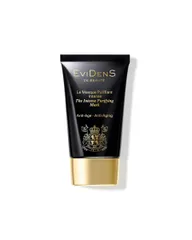
Works for:
based on ingredients and %- Anti-aging
- Anti-oxidation
- Moisturizing
Doesn't work for:
based on ingredients and %- Exfoliation
- Anti-blemish
Can it cause trouble?
- Irritation risk: medium
- Comedogenic risk ingredients: 0
Key actives
Anti-oxidation
This product contains antioxidants (ubiquinone) that can help neutralize free radicals in skin. By doing so, they can lessen the damage the skin gets from the UV light (sun).
The following ingredients - punica granatum extract also can have an antioxidant effect, but there is less evidence to confirm their effectiveness in skin.
Coenzyme Q10. It helps neutralize free radicals in skin, improves skin hydration and might be helpful agains fine lines and wrinkles. It can be an allergen
A plant extract that can help neutralize free radicals in skin and even out the skin tone, but is typically used in products in a concentration that is too low to be effective
A fruit juice. Might have some anti-oxidant properties but is unlikely to have any benefit when used in skincare
A plant extract that might have some anti-oxidant and anti-inflammatory properties but evidence for effectiveness in skin is missing
Pure form of vitamin E. Can help moisturise and protect the skin from free radicals. Often used to help stabilise other ingredients or the formula itself
Can contain potent anti-oxidant compounds (abbreviated ECG, GCG, EGC, and EGCG) that might help protect the skin from free radicals. Can help calm down inflammation and has some anti-bacterial properties. Unfortunately, these antioxidants are unstable and lose their effectiveness very quickly in products. The concentration of the antioxidant compounds in the extract also tends to be low to be effective in topical formulation
Anti-aging
What does the product description say?
Triple Collagen, the brand’s exclusive active ingredient, offers global anti-aging action, while La Foux Spring Water, with exceptional purifying and curative properties, softens and refreshes the skin.
Source: EviDenS de Beauté
This product contains aspartic acid, serine, threonine. These ingredients might be able to help reduce and prevent fine lines and wrinkles, improve skin elasticity and firmness, but there is not enough evidence that it actually works.
An amino-acid that helps increase skin hydration and might help to slightly improve skin firmness, potentially reducing lines and wrinkles
An amino-acid that helps to attract water to the upper layer of the skin. In combination with other amino-acids, might help to reduce fine lines and wrinkles
An amino-acid that helps to attract water to the upper layer of the skin. In combination with other amino-acids, might help to reduce fine lines and wrinkles
Coenzyme Q10. It helps neutralize free radicals in skin, improves skin hydration and might be helpful agains fine lines and wrinkles. It can be an allergen
Can contain potent anti-oxidant compounds (abbreviated ECG, GCG, EGC, and EGCG) that might help protect the skin from free radicals. Can help calm down inflammation and has some anti-bacterial properties. Unfortunately, these antioxidants are unstable and lose their effectiveness very quickly in products. The concentration of the antioxidant compounds in the extract also tends to be low to be effective in topical formulation
Pure form of vitamin E. Can help moisturise and protect the skin from free radicals. Often used to help stabilise other ingredients or the formula itself
Moisturizing
What does the product description say?
The clay duo also heals, smoothes, detoxifies and replenishes minerals to the skin
Source: EviDenS de Beauté
This product can help improve hydration of the skin with the two types of ingredients.
The first type is called “humectants”:
these ingredients help attract water.
When humectants are on the surface of the skin, they “pull in” the moisture from the outside environment, or from
within deeper layers of the skin. The following ingredients in this product do the job:
alanine, arginine.
This product also contains ingredients called “occlusives”. They help reduce the speed with which our skin loses moisture to the outside environment. These ingredients also help soften the upper layer of the skin, so it feels less tight and nicer to the touch. The following ingredients in this product do the job: arginine, hydrolyzed collagen.
An amino acid that can help attract water to the upper layer of the skin and support skin's barrier function
Naturally present in skin and helps to attract water to its upper layer
Naturally present in skin and helps to attract water to its upper layer
An amino-acid that helps to attract water to the upper layer of the skin. In combination with other amino-acids, might help to reduce fine lines and wrinkles
An amino-acid that helps to attract water to the upper layer of the skin and might help to lighten the skin, but solid evidence is lacking
Helps attract water to the upper layer of the skin
An amino acid that is naturally present in skin and helps keep it hydrated. When used together with AHAs, it can reduce their irritating effect on the skin
An amino-acid that helps increase skin hydration and might help to slightly improve skin firmness, potentially reducing lines and wrinkles
A product of bacterial fermentation. Can help attract water to the upper layer of the skin
An amino-acid that helps to attract water to the upper layer of the skin. In combination with other amino-acids, might help to reduce fine lines and wrinkles
A typically plant-derived compound that is supposed mimic human collagen. Cannot penetrate the skin barrier so is not particularly useful in skincare products beyond attracting water to the upper layer of the skin
Coenzyme Q10. It helps neutralize free radicals in skin, improves skin hydration and might be helpful agains fine lines and wrinkles. It can be an allergen
Helps soften the upper layer of the skin and slow down the water loss from its surface
Helps to attract water to the upper layer of the skin and can help restore the skin barrier function
A typically plant-derived compound that is supposed mimic human collagen. Cannot penetrate the skin barrier so is not particularly useful in skincare products beyond attracting water to the upper layer of the skin
Helps oil and water mix together and works as an emollient
Used to create a nice product texture and help delivery of other ingredients. Might be somewhat helpful in attracting water to the upper layer of the skin
A sugar that is used to stabilize the product formulation. Can help attract water to the upper layer of the skin
An emollient that softens the skin and forms a protective layer on its surface. Helps water and oil mix together
Helps attract water to the upper layer of the skin. Is often used to adjust the pH level of the product
Used mostly for creating emulsions - helping oil and water mix together. Helps soften the upper layer of the skin
Pure form of vitamin E. Can help moisturise and protect the skin from free radicals. Often used to help stabilise other ingredients or the formula itself
Can contain potent anti-oxidant compounds (abbreviated ECG, GCG, EGC, and EGCG) that might help protect the skin from free radicals. Can help calm down inflammation and has some anti-bacterial properties. Unfortunately, these antioxidants are unstable and lose their effectiveness very quickly in products. The concentration of the antioxidant compounds in the extract also tends to be low to be effective in topical formulation
Exfoliation
What does the product description say?
The mask also contains enzymes that eliminate dead cells, exfoliating and refining the skin’s surface, as well as anti-inflammatory pomegranate extract that soothes and refreshes.
Source: EviDenS de Beauté
This product might help exfoliate the skin with papain, but This ingredient is not the most effective.
An enzyme extracted from papaya fruit. Can have an exfoliating effect on the skin. Can be irritating
Anti-blemish
What does the product description say?
Thanks to the absorbing properties of these two ingredients, this innovative formula intensively absorbs excess sebum inside pores, refines the skin’s texture and diminishes blemishes.
Source: EviDenS de Beauté
Effective ingredients missing or their concentration is too low.
A type of clay that consists mainly of aluminum silicate. Helps absorb oil and creates a thicker product consistency. Can be used to add a white color
Can contain potent anti-oxidant compounds (abbreviated ECG, GCG, EGC, and EGCG) that might help protect the skin from free radicals. Can help calm down inflammation and has some anti-bacterial properties. Unfortunately, these antioxidants are unstable and lose their effectiveness very quickly in products. The concentration of the antioxidant compounds in the extract also tends to be low to be effective in topical formulation
How honest is this product?
| Promise | Can it deliver? |
|---|---|
| Anti-aging | |
| Exfoliation | |
| Anti-blemish |
Total Promises Fulfilled score: 41/100.
We receive a small commission for purchases made through these links at no cost for you. Thank you for your support! Learn more
Affiliate link · supports WIMJ at no cost to you
Potential irritants
Comedogenic ingredients
No comedogenic ingredients detected
User reviews (0)
Averages from community submissions.
No reviews yet for this product.
Be the first to share your experience!
Tried this product?
Help capture what the ingredient list can't—texture, finish, pilling, scent, and more. Answer what you can, skip the rest.
Takes ~30 seconds.
Reviews are shown in aggregate. No personal details.
Key Actives
Coenzyme Q10. It helps neutralize free radicals in skin, improves skin hydration and might be helpful agains fine lines and wrinkles. It can be an allergen
A type of clay that consists mainly of aluminum silicate. Helps absorb oil and creates a thicker product consistency. Can be used to add a white color
An amino-acid that helps increase skin hydration and might help to slightly improve skin firmness, potentially reducing lines and wrinkles
A plant extract that can help neutralize free radicals in skin and even out the skin tone, but is typically used in products in a concentration that is too low to be effective
An amino-acid that helps to attract water to the upper layer of the skin and might help to lighten the skin, but solid evidence is lacking
An amino-acid that helps to attract water to the upper layer of the skin. In combination with other amino-acids, might help to reduce fine lines and wrinkles
An amino-acid that helps to attract water to the upper layer of the skin. In combination with other amino-acids, might help to reduce fine lines and wrinkles
Works as a UV filter when used in high concentrations. It is photostable and is effective mostly against the UVB light, with some protection in the UVA range. In small concentrations, used for its ability to improve the color of cosmetic products. Is usually well tolerated by the skin
An amino acid that is naturally present in skin and helps keep it hydrated. When used together with AHAs, it can reduce their irritating effect on the skin
A product of bacterial fermentation. Can help attract water to the upper layer of the skin
Naturally present in skin and helps to attract water to its upper layer
Helps attract water to the upper layer of the skin. Is often used to adjust the pH level of the product
Helps attract water to the upper layer of the skin
Naturally present in skin and helps to attract water to its upper layer
Helps to attract water to the upper layer of the skin and can help restore the skin barrier function
A typically plant-derived compound that is supposed mimic human collagen. Cannot penetrate the skin barrier so is not particularly useful in skincare products beyond attracting water to the upper layer of the skin
An amino acid that can help attract water to the upper layer of the skin and support skin's barrier function
Helps soften the upper layer of the skin and slow down the water loss from its surface
A typically plant-derived compound that is supposed mimic human collagen. Cannot penetrate the skin barrier so is not particularly useful in skincare products beyond attracting water to the upper layer of the skin
Potential irritants
Can be drying and contribute to skin irritation. Used in formulars to dissolve other ingredients, create a thinner product consistency or for its antibacterial properties
An enzyme extracted from papaya fruit. Can have an exfoliating effect on the skin. Can be irritating
Used to dissolve other ingredients and to improve smell of products. It could be irritating
Used to improve the product consistency and stabilize formulations
Helps attract water to the upper layer of the skin. Is often used to adjust the pH level of the product
A fruit juice. Might have some anti-oxidant properties but is unlikely to have any benefit when used in skincare
A plant extract that might have some anti-oxidant and anti-inflammatory properties but evidence for effectiveness in skin is missing
A plant extract that can help neutralize free radicals in skin and even out the skin tone, but is typically used in products in a concentration that is too low to be effective
Can work as an exfoliant but is typically used to adjust the product pH
Comedogenic ingredients
We couldn't find any comedogenic ingredients in this product
All ingredients
A type of clay that consists mainly of aluminum silicate. Helps absorb oil and creates a thicker product consistency. Can be used to add a white color
An emollient that softens the skin and forms a protective layer on its surface. Helps water and oil mix together
Helps oil and water mix togehter and creates a nice product texture
Used to create a nice product texture and help delivery of other ingredients. Might be somewhat helpful in attracting water to the upper layer of the skin
Can be drying and contribute to skin irritation. Used in formulars to dissolve other ingredients, create a thinner product consistency or for its antibacterial properties
Works as a UV filter when used in high concentrations. It is photostable and is effective mostly against the UVB light, with some protection in the UVA range. In small concentrations, used for its ability to improve the color of cosmetic products. Is usually well tolerated by the skin
Increases thickness of a product. Texture enhancer for oil-in-water emulsions
An amino acid that is naturally present in skin and helps keep it hydrated. When used together with AHAs, it can reduce their irritating effect on the skin
A preservative. It helps prevent bacterial growth in cosmetic products
Helps adjust the product pH and stabilize the formulation
A product of bacterial fermentation. Can help attract water to the upper layer of the skin
Used to dissolve other ingredients and to improve smell of products. It could be irritating
Naturally present in skin and helps to attract water to its upper layer
Used to improve the product consistency and stabilize formulations
Helps attract water to the upper layer of the skin. Is often used to adjust the pH level of the product
Helps attract water to the upper layer of the skin
A fruit juice. Might have some anti-oxidant properties but is unlikely to have any benefit when used in skincare
A plant extract that might have some anti-oxidant and anti-inflammatory properties but evidence for effectiveness in skin is missing
An amino-acid that helps increase skin hydration and might help to slightly improve skin firmness, potentially reducing lines and wrinkles
Coenzyme Q10. It helps neutralize free radicals in skin, improves skin hydration and might be helpful agains fine lines and wrinkles. It can be an allergen
Naturally present in skin and helps to attract water to its upper layer
A plant extract that can help neutralize free radicals in skin and even out the skin tone, but is typically used in products in a concentration that is too low to be effective
Can contain potent anti-oxidant compounds (abbreviated ECG, GCG, EGC, and EGCG) that might help protect the skin from free radicals. Can help calm down inflammation and has some anti-bacterial properties. Unfortunately, these antioxidants are unstable and lose their effectiveness very quickly in products. The concentration of the antioxidant compounds in the extract also tends to be low to be effective in topical formulation
Helps to attract water to the upper layer of the skin and can help restore the skin barrier function
An amino-acid that helps to attract water to the upper layer of the skin and might help to lighten the skin, but solid evidence is lacking
An amino-acid that helps to attract water to the upper layer of the skin. In combination with other amino-acids, might help to reduce fine lines and wrinkles
A sugar that is used to stabilize the product formulation. Can help attract water to the upper layer of the skin
Used to stabilize the product formulation and can help absorb oil
A typically plant-derived compound that is supposed mimic human collagen. Cannot penetrate the skin barrier so is not particularly useful in skincare products beyond attracting water to the upper layer of the skin
An amino-acid that helps to attract water to the upper layer of the skin. In combination with other amino-acids, might help to reduce fine lines and wrinkles
An amino acid that can help attract water to the upper layer of the skin and support skin's barrier function
An enzyme extracted from papaya fruit. Can have an exfoliating effect on the skin. Can be irritating
Helps soften the upper layer of the skin and slow down the water loss from its surface
Pure form of vitamin E. Can help moisturise and protect the skin from free radicals. Often used to help stabilise other ingredients or the formula itself
Used mostly for creating emulsions - helping oil and water mix together. Helps soften the upper layer of the skin
A typically plant-derived compound that is supposed mimic human collagen. Cannot penetrate the skin barrier so is not particularly useful in skincare products beyond attracting water to the upper layer of the skin
Can work as an exfoliant but is typically used to adjust the product pH
Ingredient list view
Water, Kaolin, Glyceryl stearate, Peg-100 stearate, 1,2-hexanediol, Butylene glycol, Alcohol, Stearic acid, Titanium dioxide, Ammonium acryloyldimethyltaurate/vp copolymer, Arginine, Volcanic soil, Polysorbate 65, Bis-ethoxydiglycol cyclohexane 1,4-dicarboxylate, Phenoxyethanol, Unknown, Tetrasodium edta, Disodium phosphate, Bacillus ferment, Unknown, T-butyl alcohol, Sodium pca, Sodium sulfate, Sodium lactate, Sodium phosphate, Alpha-glucan oligosaccharide, Punica granatum fruit juice, Olea europaea leaf extract, Aspartic acid, Ubiquinone, Pca, Punica granatum extract, Camellia sinensis leaf extract, Glycine, Alanine, Serine, Dextrin, Maltodextrin, Hydrolyzed collagen, Valine, Threonine, Proline, Isoleucine, Papain, Sebacic acid, 10-hydroxydecanoic acid, Phenylalanine, Histidine, Tocopherol, 1,10-decanediol, Morus alba root extract, Lecithin, Soluble collagen, Citric acid
- The influence of alkane chain length on the skin irritation potential of 1,2-alkanediols
- Amended final report of the safety assessment of t-Butyl Alcohol as used in cosmetics
- Amended Safety Assessment of Sodium Sulfate as Used in Cosmetics
- Wound Repair Potential of Olea europaea L. Leaf Extracts Revealed by In Vivo Experimental Models and Comparative Evaluation of the Extracts' Antioxidant Activity
- Acetyl aspartic acid, a novel active ingredient, demonstrates potential to improve signs of skin ageing: from consumer need to clinical proof
- In vivo topical application of acetyl aspartic acid increases fibrillin-1 and collagen IV deposition leading to a significant improvement of skin firmness
- Extract of Punica granatum inhibits skin photoaging induced by UVB irradiation
- Topical microemulsion containing Punica granatum extract: its control over skin erythema and melanin in healthy Asian subjects
- Safety Assessment of Punica granatum -Derived Ingredients as Used in Cosmetics
- Effect of Topical Application of Glycine and Proline on Recalcitrant Leg Ulcers of Prolidase Deficiency
- Functional glycine receptor in cultured human keratinocytes
- Combination of amino acids reduces pigmentation in B16F0 melanoma cells
- Topical palmitoyl pentapeptide provides improvement in photoaged human facial skin
- Local rhamnosoft, ceramides and L‐isoleucine in atopic eczema: a randomized, placebo controlled trial
- Safety Assessment of Fatty Acids & Soaps as Used in Cosmetics
- Histidine and/or Histidine Derivative for the Treatment of Inflammatory Skin Diseases
- Safety Assessment of α-Amino Acids as Used in Cosmetics
- Vitamin E in dermatology
- Vitamin E and Skin Health