Works for
1 of 1 advertised claim delivered
MoisturizingHelianthus annuus seed oil, Sodium lactate + 16 moreGood evidence
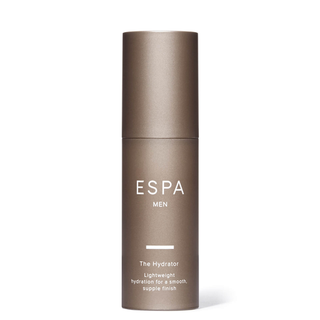
“The Hydrator leaves skin feeling nourished and soothed with moisture.”
This product can help improve hydration of the skin with the two types of ingredients.
The first type is called “humectants”:
these ingredients help attract water.
When humectants are on the surface of the skin, they “pull in” the moisture from the outside environment, or from
within deeper layers of the skin. The following ingredients in this product do the job:
glycerin, sodium hyaluronate.
This product also contains ingredients called “occlusives”. They help reduce the speed with which our skin loses moisture to the outside environment. These ingredients also help soften the upper layer of the skin, so it feels less tight and nicer to the touch. The following ingredients in this product do the job: helianthus annuus seed oil, squalane.
Can it cause trouble?
Irritancy12 strong irritants: Hamamelis virginiana water, Limonene + 10 more — patch-test recommendedHigh risk
Comedogenic2 ingredients rated 2 or more on the 0–5 pore-clogging scale2 flagged
User reviews
Be the first — your take helps the next person decide.
Ingredients
Filter by role to see what each ingredient is doing.
Aloe barbadensis leaf juice~26–32%
- Irritation risk
- Medium
Traditionally used to treat sunburns, dermatitis and inflammation, but evidence for its effectiveness is lacking. The extract can contain humectants that help attract water into the skin
More about Aloe barbadensis leaf juiceWater~12–15%
Macadamia ternifolia seed oil~5–6.1%
- Irritation risk
- Medium
Plant oil from nuts that helps soften the upper layer of the skin. Contains a high concentration of oleic acid that can weaken skin's barrier function and increase water-loss while enhancing penetration of other ingredients
More about Macadamia ternifolia seed oilSqualane~4–4.9%
- Irritation risk
- Low
An oil naturally present in skin. Works as an emollient to soften the skin and form a protective layer on its surface without a greasy feeling.
More about SqualaneMethyl glucose sesquistearate~2.9–3.5%
- Irritation risk
- Medium
Helps water and oil mix together
More about Methyl glucose sesquistearateGlycerin~2–2.4%
- Irritation risk
- Low
One of the best moisturizing ingredients. Naturally present in skin. It attracts water to the upper layer of the skin working as a humectant
More about GlycerinCanola oil~1.6–2%
- Irritation risk
- Medium
A plant oil that can help soften the upper layer of the skin
More about Canola oilTriticum vulgare germ oil~1.4–1.7%
- Irritation risk
- Low
- Comedogenicity
- 3/5
A good emoillient. Contains vitamin E which can help neutralise free radicals, however the oil is unstable. Avoid if you have gluten or wheat sensitivity (including food allergies).
More about Triticum vulgare germ oilHamamelis virginiana water~1.3–1.5%
- Irritation risk
- High
A plant extract that can help calm down inflammation in skin. Can, however, itself be irritating
More about Hamamelis virginiana waterPhenoxyethanol~0.5–1%
- Irritation risk
- Low
A preservative. It helps prevent bacterial growth in cosmetic products
More about PhenoxyethanolSorbitol~0.95–1.15%
- Irritation risk
- Low
Helps attract water to the upper layer of the skin and improves the product texture
More about SorbitolBetula alba juice~0.75–1.1%
- Irritation risk
- Low
Limonene~0.7–1%
- Irritation risk
- High
A common frangrance that can easily irritate skin, especially if exposed to air, light or heat
More about LimoneneTocopherol~0.7–1%
- Irritation risk
- Low
Pure form of vitamin E. Can help moisturise and protect the skin from free radicals. Often used to help stabilise other ingredients or the formula itself
More about TocopherolSodium pca~0.65–0.95%
- Irritation risk
- Low
Naturally present in skin and helps to attract water to its upper layer
More about Sodium pcaSclerotium gum~0.6–0.95%
- Irritation risk
- Low
Used to create gel-like formulas and stabilize emulsions
More about Sclerotium gumGlyceryl stearate se~0.65–0.95%
- Irritation risk
- Low
- Comedogenicity
- 2/5
Used to stabilize the product formulations and works as an emollient
More about Glyceryl stearate seStearyl alcohol~0.65–1%
- Irritation risk
- Low
An emollient that helps soften the skin
More about Stearyl alcoholCitrus aurantium bergamia fruit oil~0.55–0.8%
- Irritation risk
- High
A plant oil with a high content of volatile compounds that can irritate the skin and lead to allergic reactions. Can lead to photosensitivity
More about Citrus aurantium bergamia fruit oilCitrus aurantium dulcis peel oil~0.55–0.8%
- Irritation risk
- High
An essentil oil from orange peel. Potential allergen and can be irritating
More about Citrus aurantium dulcis peel oilAlcohol denat.~0.55–0.8%
- Irritation risk
- High
Produces temporary toning effect. Can help dissolve other ingredients or preserve products
More about Alcohol denat.C12-16 alcohols~0.55–0.85%
- Irritation risk
- Medium
Helps soften the upper layer of the skin and improve the product's texture
More about C12-16 alcoholsParfum~0.5–0.7%
- Irritation risk
- High
An aromatic blend of unspecified and possibly irritating ingredients
More about ParfumBenzoic acid~0.25–0.5%
Pogostemon cablin leaf oil~0.5–0.8%
Sodium lactate~0.5–0.75%
- Irritation risk
- Medium
Helps attract water to the upper layer of the skin. Is often used to adjust the pH level of the product
More about Sodium lactatePalmitic acid~0.55–0.8%
- Irritation risk
- Low
An emollient that is naturally present in skin and helps soften it
More about Palmitic acidCitrus aurantium amara leaf/twig oil~0.45–0.7%
- Irritation risk
- High
Dehydroacetic acid~0.3–0.6%
Helianthus annuus seed oil~0.45–0.7%
- Irritation risk
- Low
A great emollient due to its high linoleic acid content. One of the most effective plant oils in helping skin hydration and repairing skin barrier function
More about Helianthus annuus seed oilLecithin~0.5–0.75%
- Irritation risk
- Low
Used mostly for creating emulsions - helping oil and water mix together. Helps soften the upper layer of the skin
More about LecithinLinalool~0.4–0.6%
Zingiber officinale root oil~0.3–0.55%
- Irritation risk
- High
An essential oil that is likely to be irritating and can cause photosensitivity
More about Zingiber officinale root oilEthylhexylglycerin~0.4–0.65%
Phytic acid~0.4–0.65%
- Irritation risk
- Medium
An alpha-hydroxy acid (AHA), but is mostly used to stabilize product formulations in cosmetics
More about Phytic acidSodium hyaluronate~0.35–0.65%
- Irritation risk
- Low
One of the best moisturizing ingredients. Attracts water into the upper layer of the skin
More about Sodium hyaluronateCaprylyl glycol~0.45–0.65%
- Irritation risk
- Medium
Helps preserve products and creates a nice product texture
More about Caprylyl glycolCitral~0.3–0.5%
Geraniol~0.25–0.45%
Sodium citrate~0.2–0.4%
- Irritation risk
- Medium
Helps to control the skin's pH level. Maintains the skin's natural film of amino-lactic acids and oils. Helps to preserve products
More about Sodium citratePotassium sorbate~0.15–0.3%
Sodium hydroxide~0.2–0.35%
Citric acid~0.15–0.3%
- Irritation risk
- Medium
Can work as an exfoliant but is typically used to adjust the product pH
More about Citric acidBiotin~0.15–0.3%
- Irritation risk
- Low
Might have some moisturising properties. Is not effective when applied topically beyond some moisturizing effect
More about BiotinIngredient list view
Aloe barbadensis leaf juice, Water, Macadamia ternifolia seed oil, Squalane, Methyl glucose sesquistearate, Glycerin, Canola oil, Triticum vulgare germ oil, Hamamelis virginiana water, Phenoxyethanol, Sorbitol, Betula alba juice, Limonene, Tocopherol, Sodium pca, Sclerotium gum, Glyceryl stearate se, Stearyl alcohol, Citrus aurantium bergamia fruit oil, Citrus aurantium dulcis peel oil, Alcohol denat., C12-16 alcohols, Parfum, Benzoic acid, Pogostemon cablin leaf oil, Sodium lactate, Palmitic acid, Citrus aurantium amara leaf/twig oil, Dehydroacetic acid, Helianthus annuus seed oil, Lecithin, Linalool, Zingiber officinale root oil, Ethylhexylglycerin, Phytic acid, Sodium hyaluronate, Caprylyl glycol, Citral, Geraniol, Sodium citrate, Potassium sorbate, Sodium hydroxide, Citric acid, Biotin
Compare prices
Retailers ranked by price — lowest first.

Affiliate links · prices updated regularly
Sources cited in this review
Every concentration estimate and effectiveness label is anchored to one of these 19 studies and safety reviews.
- 1
- 2
- 3Canola Oilsciencedirect.com
- 4Vitamin E in dermatologyncbi.nlm.nih.gov
- 5Vitamin E and Skin Healthlpi.oregonstate.edu
- 6

Affiliate links · As an Amazon Associate, WIMJ earns from qualifying purchases.