Works for:
based on ingredients and %- Moisturizing
Doesn't work for:
based on ingredients and %- Anti-aging
Can it cause trouble?
- Irritation risk: medium
- Comedogenic risk ingredients: 4
Key actives


Product Summary
Judging from the ingredient list, "Embryolisse - Embryoderme Face Cream" works well for improving skin hydration To work well, any moisturizer needs to include a combination of water-binding and emollient ingredients. Embryolisse - Embryoderme Face Cream ticks this box. Glycerin, hydrolyzed collagen, aloe barbadensis extract, butylene glycol and caprylyl glycol in this product (humectants) attract water molecules to the upper layer of the skin (the water comes from the outside air or from the deeper layers of the skin if the air is dry). Linoleic acid, paraffinum liquidum, glycine soja oil, hydrolyzed collagen and linolenic acid in this product help decrease the water evoporation from the skin, so that it stays hydrated for longer. These ingredients also soften the skin and take away the feeling of tightness and dryness.
Ingredient callouts
- this moisturizer includes a form of retinoids (vitamin A) - retinyl palmitate 0.30% - 0.60%, but this type of vitamin A is not very effective. It could in theory help with fine lines and wrinkles, but the effect is most likely minimal.
- We love that there is also Linoleic Acid in this moisturizer (0.65% - 0.95%). Linoleic Acid is one of the skin's natural emollients. It supports the skin barrier and can even help reduce clogged pores.
Irritation risk
This formulation includes some common irritants, including ingredients that do not provide a benefit for the skin. We assess the overall irritancy of this moisturizer to be medium. For a detailed overview of all potential irritants: click here
You can see the detailed formula review with the breakdown of all actives in the product and the full ingredient list with estimated concentrations in the tables below.
About the brand
According to Cruelty-Free Kitty "Embryolisse" is cruelty free and so is its parent company.
Price
The product retails for 32.95$ in the United States and for 32.95£ in the United Kingdom.
For a detailed price comparison: click here.
Moisturizing
What does the product description say?
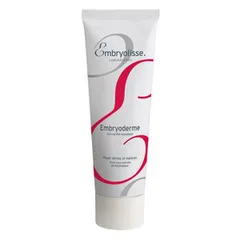
Embryoderme Face Cream
Source: From product name
This product can help improve hydration of the skin with the two types of ingredients.
The first type is called “humectants”:
these ingredients help attract water.
When humectants are on the surface of the skin, they “pull in” the moisture from the outside environment, or from
within deeper layers of the skin. The following ingredients in this product do the job:
glycerin, hydrolyzed collagen.
This product also contains ingredients called “occlusives”. They help reduce the speed with which our skin loses moisture to the outside environment. These ingredients also help soften the upper layer of the skin, so it feels less tight and nicer to the touch. The following ingredients in this product do the job: butyrospermum parkii butter, cera alba.
The following ingredients in this product are especially good for supporting the skin barrier and helping with the hydration level: linoleic acid, paraffinum liquidum
A good emoillient. Contains vitamin E which can help neutralise free radicals, however the oil is unstable. Avoid if you have gluten or wheat sensitivity (including food allergies).
Forms a protective barrier that holds water and keeps dry skin hydrated. Keeps an emulsion from separating into its oil and liquid components, and increases the thickness of a product. Can be an allergen
One of the best moisturizing ingredients. Naturally present in skin. It attracts water to the upper layer of the skin working as a humectant
A good emollient that helps soften the skin and helps repair its barrier function. It can clog pores if used in high concentrations.
A typically plant-derived compound that is supposed mimic human collagen. Cannot penetrate the skin barrier so is not particularly useful in skincare products beyond attracting water to the upper layer of the skin
An excellent emollient. Helps soften the skin, restore its barrier function, and can help to calm down inflammation. It can be helpful to prevent blemishes and clogged pores
An emollient that helps soften the skin and calm down inflammation
Mineral oil. One of the most effective and well studied occlusive and emollient moisturizing ingredients. Helps reduce moisture loss in skin and repair skin barrier function
An oil naturally present in skin. Works as an emollient to soften the skin and form a protective layer on its surface without a greasy feeling.
A great moisturising ingredient that softens the skin and reduces water loss from its upper layer. It also can be helpful in protecting skin from free radicals
An emollient that softens the skin and forms a protective layer on its surface. Helps water and oil mix together
Helps preserve products and creates a nice product texture
Traditionally used to treat sunburns, dermatitis and inflammation, but evidence for its effectiveness is lacking. The extract can contain humectants that help attract water into the skin
Used to create a nice product texture and help delivery of other ingredients. Might be somewhat helpful in attracting water to the upper layer of the skin
Helps soften the upper layer of the skin, dissolve other ingredients and create a thicker product consistency
A good mix of fatty acids that forms a protective layer on the skin. Improves the shelf life of products. Derived from coconut and glycerin
Helps attract water to the upper layer of the skin. Might have some anti-aging, anti-oxidant, and skin lightening properties, but solid evidence is missing
Pure form of vitamin E. Can help moisturise and protect the skin from free radicals. Often used to help stabilise other ingredients or the formula itself
Anti-aging
What does the product description say?
Experience a brighter, youthful-looking complexion with boosted radiance.
Source: Lookfantastic
This product does not contain ingredients that are able to reduce fine lines and wrinkles or help with skin elasticity, but it can improve the look of the skin temporarily through moisturization. Well-moisturized skin might also be able to repair the sun damage better.This ingredient - butyrospermum parkii butter - could be helpful for preventing or repairing signs of aging in theory, but there is no evidence that it actually works.
A great moisturising ingredient that softens the skin and reduces water loss from its upper layer. It also can be helpful in protecting skin from free radicals
Three steps removed from the active form of vitamin A - retinoic acid. To have an effect in the skin, it first needs to be converted twice to become the retinoic acid. This means it is less potent than retinol, but could also be less irritating. Once converted to the retinoic acid in the skin, it helps against all signs of aging, improves skin cell turnover and helps fight blemishes and clogged pores. However, in many cosmetic formulations, it is used in a concentration that is too low to have the full effect
Pure form of vitamin E. Can help moisturise and protect the skin from free radicals. Often used to help stabilise other ingredients or the formula itself
How honest is this product?
| Promise | Can it deliver? |
|---|---|
| Moisturizing | |
| Anti-aging |
Total Promises Fulfilled score: 75/100.
We receive a small commission for purchases made through these links at no cost for you. Thank you for your support! Learn more
Potential irritants
Comedogenic ingredients
User reviews (0)
Averages from community submissions.
No reviews yet for this product.
Be the first to share your experience!
Tried this product?
Help capture what the ingredient list can't—texture, finish, pilling, scent, and more. Answer what you can, skip the rest.
Takes ~30 seconds.
Reviews are shown in aggregate. No personal details.
| Product | Similarity | Price | Irritancy |
|---|---|---|---|
 Embryolisse Embryoderme Face Cream | Current | ≈ $43.56 | |
 Biossance Squalane + Omega Repair Cream - Limited Edition | 51% | $52.85 | |
Avène Rich Skin Recovery Cream Very Sensitive Skin | 50% | ≈ $10.56 | |
Eau Thermale Avene Skin Recovery Cream | 50% | ≈ $23.14 |
Key Actives
Pure form of vitamin E. Can help moisturise and protect the skin from free radicals. Often used to help stabilise other ingredients or the formula itself
An emollient that helps soften the skin and calm down inflammation
Three steps removed from the active form of vitamin A - retinoic acid. To have an effect in the skin, it first needs to be converted twice to become the retinoic acid. This means it is less potent than retinol, but could also be less irritating. Once converted to the retinoic acid in the skin, it helps against all signs of aging, improves skin cell turnover and helps fight blemishes and clogged pores. However, in many cosmetic formulations, it is used in a concentration that is too low to have the full effect
A great moisturising ingredient that softens the skin and reduces water loss from its upper layer. It also can be helpful in protecting skin from free radicals
An excellent emollient. Helps soften the skin, restore its barrier function, and can help to calm down inflammation. It can be helpful to prevent blemishes and clogged pores
Forms a protective barrier that holds water and keeps dry skin hydrated. Keeps an emulsion from separating into its oil and liquid components, and increases the thickness of a product. Can be an allergen
A good emoillient. Contains vitamin E which can help neutralise free radicals, however the oil is unstable. Avoid if you have gluten or wheat sensitivity (including food allergies).
Mineral oil. One of the most effective and well studied occlusive and emollient moisturizing ingredients. Helps reduce moisture loss in skin and repair skin barrier function
An oil naturally present in skin. Works as an emollient to soften the skin and form a protective layer on its surface without a greasy feeling.
One of the best moisturizing ingredients. Naturally present in skin. It attracts water to the upper layer of the skin working as a humectant
A good emollient that helps soften the skin and helps repair its barrier function. It can clog pores if used in high concentrations.
A good mix of fatty acids that forms a protective layer on the skin. Improves the shelf life of products. Derived from coconut and glycerin
A typically plant-derived compound that is supposed mimic human collagen. Cannot penetrate the skin barrier so is not particularly useful in skincare products beyond attracting water to the upper layer of the skin
Potential irritants
Three steps removed from the active form of vitamin A - retinoic acid. To have an effect in the skin, it first needs to be converted twice to become the retinoic acid. This means it is less potent than retinol, but could also be less irritating. Once converted to the retinoic acid in the skin, it helps against all signs of aging, improves skin cell turnover and helps fight blemishes and clogged pores. However, in many cosmetic formulations, it is used in a concentration that is too low to have the full effect
An aromatic blend of unspecified and possibly irritating ingredients
Used to adjust pH of the product and can help improve the product's smell
A good emollient that helps soften the skin and helps repair its barrier function. It can clog pores if used in high concentrations.
An emollient that helps soften the skin and calm down inflammation
A more stable but less bio-available form of vitamin E compared to Tocopherol. Might help moisturize and protect the skin from free radicals, but mostly used in low concentrations to stabilize other ingredients.
Forms a protective barrier that holds water and keeps dry skin hydrated. Keeps an emulsion from separating into its oil and liquid components, and increases the thickness of a product. Can be an allergen
A good mix of fatty acids that forms a protective layer on the skin. Improves the shelf life of products. Derived from coconut and glycerin
Helps preserve products and creates a nice product texture
Used to improve product texture and help oil and water mix together
Traditionally used to treat sunburns, dermatitis and inflammation, but evidence for its effectiveness is lacking. The extract can contain humectants that help attract water into the skin
Comedogenic ingredients
A great moisturising ingredient that softens the skin and reduces water loss from its upper layer. It also can be helpful in protecting skin from free radicals
A good emollient that helps soften the skin and helps repair its barrier function. It can clog pores if used in high concentrations.
A good emoillient. Contains vitamin E which can help neutralise free radicals, however the oil is unstable. Avoid if you have gluten or wheat sensitivity (including food allergies).
All ingredients
An emollient that softens the skin and forms a protective layer on its surface. Helps water and oil mix together
Mineral oil. One of the most effective and well studied occlusive and emollient moisturizing ingredients. Helps reduce moisture loss in skin and repair skin barrier function
An oil naturally present in skin. Works as an emollient to soften the skin and form a protective layer on its surface without a greasy feeling.
One of the best moisturizing ingredients. Naturally present in skin. It attracts water to the upper layer of the skin working as a humectant
A great moisturising ingredient that softens the skin and reduces water loss from its upper layer. It also can be helpful in protecting skin from free radicals
Used to adjust pH of the product and can help improve the product's smell
Pure form of vitamin E. Can help moisturise and protect the skin from free radicals. Often used to help stabilise other ingredients or the formula itself
Used to create a nice product texture and help delivery of other ingredients. Might be somewhat helpful in attracting water to the upper layer of the skin
A good emollient that helps soften the skin and helps repair its barrier function. It can clog pores if used in high concentrations.
An excellent emollient. Helps soften the skin, restore its barrier function, and can help to calm down inflammation. It can be helpful to prevent blemishes and clogged pores
An emollient that helps soften the skin and calm down inflammation
A more stable but less bio-available form of vitamin E compared to Tocopherol. Might help moisturize and protect the skin from free radicals, but mostly used in low concentrations to stabilize other ingredients.
Three steps removed from the active form of vitamin A - retinoic acid. To have an effect in the skin, it first needs to be converted twice to become the retinoic acid. This means it is less potent than retinol, but could also be less irritating. Once converted to the retinoic acid in the skin, it helps against all signs of aging, improves skin cell turnover and helps fight blemishes and clogged pores. However, in many cosmetic formulations, it is used in a concentration that is too low to have the full effect
Forms a protective barrier that holds water and keeps dry skin hydrated. Keeps an emulsion from separating into its oil and liquid components, and increases the thickness of a product. Can be an allergen
A good emoillient. Contains vitamin E which can help neutralise free radicals, however the oil is unstable. Avoid if you have gluten or wheat sensitivity (including food allergies).
A good mix of fatty acids that forms a protective layer on the skin. Improves the shelf life of products. Derived from coconut and glycerin
A preservative. It helps prevent bacterial growth in cosmetic products
Helps preserve products and creates a nice product texture
Used to improve product texture and help oil and water mix together
Helps soften the upper layer of the skin, dissolve other ingredients and create a thicker product consistency
An aromatic blend of unspecified and possibly irritating ingredients
A typically plant-derived compound that is supposed mimic human collagen. Cannot penetrate the skin barrier so is not particularly useful in skincare products beyond attracting water to the upper layer of the skin
Helps attract water to the upper layer of the skin. Might have some anti-aging, anti-oxidant, and skin lightening properties, but solid evidence is missing
Traditionally used to treat sunburns, dermatitis and inflammation, but evidence for its effectiveness is lacking. The extract can contain humectants that help attract water into the skin
Ingredient list view
Water, Glyceryl stearate, Paraffinum liquidum, Unknown, Squalane, Glycerin, Butyrospermum parkii butter, Triethanolamine, Peg-40 hydrogenated castor oil, Tocopherol, Butylene glycol, Glycine soja oil, Linoleic acid, Linolenic acid, Tocopheryl acetate, Retinyl palmitate, Cera alba, Steareth-10, Triticum vulgare germ oil, Caprylic/capric triglyceride, Phenoxyethanol, Hydrolyzed elastin, 1,2-hexanediol, Caprylyl glycol, Tropolone, Potassium sorbate, Sodium benzoate, Polyacrylamide, C13-14 isoparaffin, Laureth-7, Parfum, Hydrolyzed collagen, Hydrolyzed soy protein, Aloe barbadensis extract
- A review on the extensive skin benefits of mineral oil
- Glycerol and the skin: holistic approach to its origin and functions
- Amended Safety Assessment of PEGylated Oils as Used in Cosmetics
- Vitamin E in dermatology
- Vitamin E and Skin Health
- The Permeability Barrier in Essential Fatty Acid Deficiency: Evidence for a Direct Role for Linoleic Acid in Barrier Function
- Digital image analysis of the effect of topically applied linoleic acid on acne microcomedones.
- Efficacy of barrier creams in comparison to skin care products in dental laboratory technicians--a controlled trial
- The influence of alkane chain length on the skin irritation potential of 1,2-alkanediols
- Safety Assessment of Isoparaffins as Used in Cosmetics
- Extracts from Glycine max (soybean) induce elastin synthesis and inhibit elastase activity
- Dermatological and cosmeceutical benefits of Glycine max (soybean) and its active components
- Safety Assessment of Soy Peptides as Used in Cosmetics