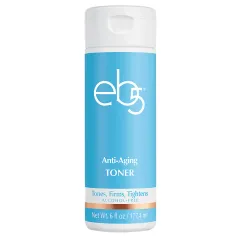
Works for:
based on ingredients and %- Cleansing
- Exfoliation
Can it cause trouble?
- Irritation risk: high
- Comedogenic risk ingredients: 0
Key actives

Works for
Exfoliation
What does the product description say?
This formula includes alpha hydroxies to removed dead surface cells that may be clogging pores, leading to dry, aging skin.
Source: Walgreens
This product can help exfoliate the skin. In other words, it helps break down the bonds between dead cells on the surface of the skin and speed up the skin turnover. Skin often appears softer and brighter after exfoliation, but overdoing it can result in disrupted skin barrier. The following ingredient is doing the exfoliating job in this product: lactic acid.
An exfoliating and moisturizing alpha-hydroxy acid (AHA). Typically causes less irritation than other AHAs, for example, glycolic acid. At high concentrations (about 15%), lactic acid can help reduce lines and wrinkles. Recent studies show that lactic acid can support the "good" bacteria living on skin's surface (healthy skin microbiome)
Helps calm down inflammation in skin and can help reduce itching. Helps to repair the skin barrier and keep skin hydrated
Cleansing
What does the product description say?
The ideal toner for face, neck and decollete is alcohol-free while containing highly effective ingredients to removed traces of makeup and any excess residue without drying.
Source: Walgreens
This product works by removing dirt and oil from the surface of the skin.
Keep in mind that cleansing can disrupt the skin barrier, and most people do not need to cleanse their skin more than once per day.
Helps oil and water mix together
Used to adjust pH of the product and can help improve the product's smell
How honest is this product?
| Promise | Can it deliver? |
|---|---|
| Cleansing |
Total Promises Fulfilled score: 75/100.
We receive a small commission for purchases made through these links at no cost for you. Thank you for your support! Learn more
Potential irritants
Comedogenic ingredients
No comedogenic ingredients detected
User reviews (0)
Averages from community submissions.
No reviews yet for this product.
Be the first to share your experience!
Tried this product?
Help capture what the ingredient list can't—texture, finish, pilling, scent, and more. Answer what you can, skip the rest.
Takes ~30 seconds.
Reviews are shown in aggregate. No personal details.
| Product | Similarity | Price | Irritancy |
|---|---|---|---|
 eb5 Anti-Aging Toner | Current | $13.97 | |
 Beautycounter All Bright Triple Acid AHA Toner | 53% | $68.00 | |
 Colleen Rothschild Beauty Glycolic Acid Peel Pads with Blue Agave | 52% | - | |
Medicube Zero Pore Pads 2.0 | 52% | $18.90 | |
Skincare Company Daily Cleanser | 52% | - | |
 Embryolisse Micellar Lotion | 52% | ≈ $3.47 |
Key Actives
An exfoliating and moisturizing alpha-hydroxy acid (AHA). Typically causes less irritation than other AHAs, for example, glycolic acid. At high concentrations (about 15%), lactic acid can help reduce lines and wrinkles. Recent studies show that lactic acid can support the "good" bacteria living on skin's surface (healthy skin microbiome)
Helps attract water to the upper layer of the skin and can help improve skin barrier function
A plant extract that might help neutralize free radicals in skin
Used to adjust pH of the product and can help improve the product's smell
Naturally present in skin and helps to attract water to its upper layer
A plant extract that can help calm down inflammation in skin. Can, however, itself be irritating
Potential irritants
A preservative. Is more irritating than many other preservatives available
A plant extract that can be irritating. It can have some anti-bacterial properties, but there are no evidence of a beneficial effect for skin
A plant extract that might help neutralize free radicals in skin
A plant extract that has an anti-bacterial effect
A plant extract that can help calm down inflammation in skin. Can, however, itself be irritating
Used to adjust pH of the product and can help improve the product's smell
An exfoliating and moisturizing alpha-hydroxy acid (AHA). Typically causes less irritation than other AHAs, for example, glycolic acid. At high concentrations (about 15%), lactic acid can help reduce lines and wrinkles. Recent studies show that lactic acid can support the "good" bacteria living on skin's surface (healthy skin microbiome)
Can help attract water to the upper layer of the skin. Avoid if sensitive to gluten
Might be somewhat helpful in reducing hyperpigmentation and neutralizing free radicals but its typical concentration in a product is too low for having an effect
A more stable but less bio-available form of vitamin E compared to Tocopherol. Might help moisturize and protect the skin from free radicals, but mostly used in low concentrations to stabilize other ingredients.
Comedogenic ingredients
We couldn't find any comedogenic ingredients in this product
All ingredients
Used to adjust pH of the product and can help improve the product's smell
An exfoliating and moisturizing alpha-hydroxy acid (AHA). Typically causes less irritation than other AHAs, for example, glycolic acid. At high concentrations (about 15%), lactic acid can help reduce lines and wrinkles. Recent studies show that lactic acid can support the "good" bacteria living on skin's surface (healthy skin microbiome)
Naturally present in skin and helps to attract water to its upper layer
A preservative. Is more irritating than many other preservatives available
Used to create a nice product texture and help delivery of other ingredients. Might be somewhat helpful in attracting water to the upper layer of the skin
Can help attract water to the upper layer of the skin. Avoid if sensitive to gluten
A plant extract that can be irritating. It can have some anti-bacterial properties, but there are no evidence of a beneficial effect for skin
Helps attract water to the upper layer of the skin and can help improve skin barrier function
A plant extract that might help neutralize free radicals in skin
Might be somewhat helpful in reducing hyperpigmentation and neutralizing free radicals but its typical concentration in a product is too low for having an effect
A plant extract that has an anti-bacterial effect
A plant extract that can help calm down inflammation in skin. Can, however, itself be irritating
Helps calm down inflammation in skin and can help reduce itching. Helps to repair the skin barrier and keep skin hydrated
A more stable but less bio-available form of vitamin E compared to Tocopherol. Might help moisturize and protect the skin from free radicals, but mostly used in low concentrations to stabilize other ingredients.
Ingredient list view
Water, Polysorbate 20, Triethanolamine, Lactic acid, Parfum, Sodium pca, Methylparaben, Imidazolidinyl urea, Quaternium-15, Butylene glycol, Hydrolyzed wheat protein, Hordeum distichon extract, Arnica montana flower extract, Panthenol, Salvia officinalis leaf extract, Betula alba leaf extract, Sambucus nigra flower extract, Cucumis sativus fruit extract, Symphytum officinale leaf extract, Rubus villosus fruit extract, Equisetum hyemale extract, Hedera helix extract, Hamamelis virginiana extract, Tetrasodium edta, Allantoin, Tocopheryl acetate
- Epidermal and dermal effects of topical lactic acid
- Dual Effects of Alpha-Hydroxy Acids on the Skin
- Wheat in skin care
- Effects of Topical Arnica Gel on Post-Laser Treatment Bruises
- Effects of microcurrent application alone or in combination with topical Hypericum perforatum L. and Arnica montana L. on surgically induced wound healing in Wistar rats
- The seamy side of natural medicines: contact sensitization to arnica (Arnica montana L.) and marigold (Calendula officinalis L.)
- Accelerated resolution of laser‐induced bruising with topical 20% arnica: a rater‐blinded randomized controlled trial
- Skin moisturizing effects of panthenol-based formulations
- Safety Assessment of Panthenol, Pantothenic Acid, and Derivatives as Used in Cosmetics
- Allergic contact dermatitis caused by Salvia officinalis extract
- The antioxidant properties of alcoholic extracts from Sambucus nigra L. (antioxidant properties of extracts)
- Inhibition of Proinflammatory Activities of Major Periodontal Pathogens by Aqueous Extracts From Elder Flower (Sambucus nigra)
- Symphytum Species: A Comprehensive Review on Chemical Composition, Food Applications and Phytopharmacology
- The Antiinflammatory and Antiarthritic Properties of Ethanol Extract of Hedera helix
- Anti-Inflammatory Efficacy of Topical Preparations with 10% Hamamelis Distillate in a UV Erythema Test
- Anti-inflammatory activity of hamamelis distillate applied topically to the skin
- ASSESSMENT REPORT ON HAMAMELIS VIRGINIANA L., CORTEX HAMAMELIS VIRGINIANA L., FOLIUM HAMAMELIS VIRGINIANA L., FOLIUM ET CORTEX AUT RAMUNCULUS DESTILLATUM
- Profile of wound healing process induced by allantoin