Works for:
based on ingredients and %- Exfoliation
- Moisturizing
- Evens skin tone
- Anti-aging
Can it cause trouble?
- Irritation risk: medium
- Comedogenic risk ingredients: 0
Key actives


Anti-blemish
This product can help reduce breakouts and clogged pores because it contains the following ingredient: salicylic acid. This ingredient is used for treating acne and can have a noticeable effect.
The following ingredient (ingredients) in this product might be helpful, but there is no evidence to confirm that it actually works: mandelic acid
Used for skin exfoliation. It has an anti-inflammatory and anti-bacterial effect, helps to unclog pores, prevent blemishes and speed up healing of the existing ones. Sometimes referred to as a BHA (beta-hydroxy acid)
Helps shed the upper layer of dead cells from the surface of the skin revealing smoother, brighter skin. It can help to reduce hyperpigmentation. It has anti-bacterial properties, and might help to reduce blemishes, as well as fine lines and wrinkles. It is considered to be gentler than glycolic acid
Helps calm down inflammation in skin and can help reduce itching. Helps to repair the skin barrier and keep skin hydrated
Evens skin tone
What does the product description say?
Brightens the appearance of post-blemish marks
Source: drmtlgy
This product can help reduce hypepigmentation and even out the skin tone because it contains the following effective ingredients: lactic acid, mandelic acid, salicylic acid
Keep in mind that you would need to apply any topical skincare targetted at hypigmentation consistently for a couple of months to get a result. No topical skincare product can help get rid of hyperpigmentation (including post-acne marks and age spots) instantly.
An exfoliating and moisturizing alpha-hydroxy acid (AHA). Typically causes less irritation than other AHAs, for example, glycolic acid. At high concentrations (about 15%), lactic acid can help reduce lines and wrinkles. Recent studies show that lactic acid can support the "good" bacteria living on skin's surface (healthy skin microbiome)
Helps shed the upper layer of dead cells from the surface of the skin revealing smoother, brighter skin. It can help to reduce hyperpigmentation. It has anti-bacterial properties, and might help to reduce blemishes, as well as fine lines and wrinkles. It is considered to be gentler than glycolic acid
Used for skin exfoliation. It has an anti-inflammatory and anti-bacterial effect, helps to unclog pores, prevent blemishes and speed up healing of the existing ones. Sometimes referred to as a BHA (beta-hydroxy acid)
A salt derived from licorice. Works as an emollient to soften the upper layer of the skin and can help calm down inflammation. Might be helpful for skin lightening
Exfoliation
What does the product description say?
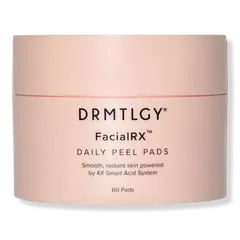
FacialRX Daily Peel Pads
Source: drmtlgy
This product can help exfoliate the skin. In other words, it helps break down the bonds between dead cells on the surface of the skin and speed up the skin turnover. Skin often appears softer and brighter after exfoliation, but overdoing it can result in disrupted skin barrier. The following ingredient is doing the exfoliating job in this product: lactic acid, mandelic acid, salicylic acid.
An exfoliating and moisturizing alpha-hydroxy acid (AHA). Typically causes less irritation than other AHAs, for example, glycolic acid. At high concentrations (about 15%), lactic acid can help reduce lines and wrinkles. Recent studies show that lactic acid can support the "good" bacteria living on skin's surface (healthy skin microbiome)
Helps shed the upper layer of dead cells from the surface of the skin revealing smoother, brighter skin. It can help to reduce hyperpigmentation. It has anti-bacterial properties, and might help to reduce blemishes, as well as fine lines and wrinkles. It is considered to be gentler than glycolic acid
Used for skin exfoliation. It has an anti-inflammatory and anti-bacterial effect, helps to unclog pores, prevent blemishes and speed up healing of the existing ones. Sometimes referred to as a BHA (beta-hydroxy acid)
Helps calm down inflammation in skin and can help reduce itching. Helps to repair the skin barrier and keep skin hydrated
Moisturizing
What does the product description say?
Multi-acid exfoliating pads that minimize the look of pores, smooth texture, and boost radiance while supporting a healthy skin barrier.
Source: drmtlgy
This product can help improve hydration of the skin with the two types of ingredients.
The first type is called “humectants”:
these ingredients help attract water.
When humectants are on the surface of the skin, they “pull in” the moisture from the outside environment, or from
within deeper layers of the skin. The following ingredients in this product do the job:
arginine, glycerin.
This product also contains ingredients called “occlusives”. They help reduce the speed with which our skin loses moisture to the outside environment. These ingredients also help soften the upper layer of the skin, so it feels less tight and nicer to the touch. The following ingredients in this product do the job: arginine, caprylyl glycol.
The following ingredients in this product are especially good for supporting the skin barrier and helping with the hydration level: palmitoyl pentapeptide-4
Helps attract water to the upper layer of the skin
An amino acid that is naturally present in skin and helps keep it hydrated. When used together with AHAs, it can reduce their irritating effect on the skin
One of the best moisturizing ingredients. Naturally present in skin. It attracts water to the upper layer of the skin working as a humectant
An exfoliating and moisturizing alpha-hydroxy acid (AHA). Typically causes less irritation than other AHAs, for example, glycolic acid. At high concentrations (about 15%), lactic acid can help reduce lines and wrinkles. Recent studies show that lactic acid can support the "good" bacteria living on skin's surface (healthy skin microbiome)
A type of peptide. Peptides are excellent moisturizers and might be able support collagen production reducing fine lines and wrinkles
Used to preserve products, dissolve other ingredients and create a nice product texture
Used to create a nice product texture and help delivery of other ingredients. Might be somewhat helpful in attracting water to the upper layer of the skin
Helps preserve products and creates a nice product texture
Helps calm down inflammation in skin and can help reduce itching. Helps to repair the skin barrier and keep skin hydrated
A salt derived from licorice. Works as an emollient to soften the upper layer of the skin and can help calm down inflammation. Might be helpful for skin lightening
Anti-aging
What does the product description say?
Visibly smooths lines & texture for softer, youthful skin
Source: drmtlgy
This product contains lactic acid, palmitoyl pentapeptide-4. These ingredients might be able to help reduce and prevent fine lines and wrinkles, improve skin elasticity and firmness, but there is not enough evidence that it actually works.
An exfoliating and moisturizing alpha-hydroxy acid (AHA). Typically causes less irritation than other AHAs, for example, glycolic acid. At high concentrations (about 15%), lactic acid can help reduce lines and wrinkles. Recent studies show that lactic acid can support the "good" bacteria living on skin's surface (healthy skin microbiome)
A type of peptide. Peptides are excellent moisturizers and might be able support collagen production reducing fine lines and wrinkles
How honest is this product?
| Promise | Can it deliver? |
|---|---|
| Exfoliation | |
| Moisturizing | |
| Evens skin tone | |
| Anti-aging |
Total Promises Fulfilled score: 93/100.
We receive a small commission for purchases made through these links at no cost for you. Thank you for your support! Learn more
Potential irritants
Comedogenic ingredients
No comedogenic ingredients detected
User reviews (0)
Averages from community submissions.
No reviews yet for this product.
Be the first to share your experience!
Tried this product?
Help capture what the ingredient list can't—texture, finish, pilling, scent, and more. Answer what you can, skip the rest.
Takes ~30 seconds.
Reviews are shown in aggregate. No personal details.
| Product | Similarity | Price | Irritancy |
|---|---|---|---|
 DRMTLGY FacialRX Daily Peel Pads | Current | $5.00 | |
Deviant Skincare Gentle Resurfacing Liquid | 81% | $52.00 | |
 Dermalogica breakout clearing liquid peel | 81% | $29.50 | |
 Jan Marini Marini Multi-Acid Exfoliating Pads | 81% | $95.00 | |
Kerstin Florian Correcting At-Home Professional Peel 50 pc | 80% | ≈ $74.72 | |
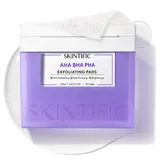 skintific AHA BHA PHA Exfoliating Pads | 79% | $15.21 |
Key Actives
Used for skin exfoliation. It has an anti-inflammatory and anti-bacterial effect, helps to unclog pores, prevent blemishes and speed up healing of the existing ones. Sometimes referred to as a BHA (beta-hydroxy acid)
Helps shed the upper layer of dead cells from the surface of the skin revealing smoother, brighter skin. It can help to reduce hyperpigmentation. It has anti-bacterial properties, and might help to reduce blemishes, as well as fine lines and wrinkles. It is considered to be gentler than glycolic acid
An exfoliating and moisturizing alpha-hydroxy acid (AHA). Typically causes less irritation than other AHAs, for example, glycolic acid. At high concentrations (about 15%), lactic acid can help reduce lines and wrinkles. Recent studies show that lactic acid can support the "good" bacteria living on skin's surface (healthy skin microbiome)
A salt derived from licorice. Works as an emollient to soften the upper layer of the skin and can help calm down inflammation. Might be helpful for skin lightening
A type of peptide. Peptides are excellent moisturizers and might be able support collagen production reducing fine lines and wrinkles
One of the best moisturizing ingredients. Naturally present in skin. It attracts water to the upper layer of the skin working as a humectant
Helps attract water to the upper layer of the skin
An amino acid that is naturally present in skin and helps keep it hydrated. When used together with AHAs, it can reduce their irritating effect on the skin
Potential irritants
Helps shed the upper layer of dead cells from the surface of the skin revealing smoother, brighter skin. It can help to reduce hyperpigmentation. It has anti-bacterial properties, and might help to reduce blemishes, as well as fine lines and wrinkles. It is considered to be gentler than glycolic acid
Used for skin exfoliation. It has an anti-inflammatory and anti-bacterial effect, helps to unclog pores, prevent blemishes and speed up healing of the existing ones. Sometimes referred to as a BHA (beta-hydroxy acid)
Plant extract that can help neutralize free radicals in skin. Can be used as a fragrance. Can be irritating
Can be drying and contribute to skin irritation. Used in formulars to dissolve other ingredients, create a thinner product consistency or for its antibacterial properties
An exfoliating and moisturizing alpha-hydroxy acid (AHA). Typically causes less irritation than other AHAs, for example, glycolic acid. At high concentrations (about 15%), lactic acid can help reduce lines and wrinkles. Recent studies show that lactic acid can support the "good" bacteria living on skin's surface (healthy skin microbiome)
Can work as an exfoliant but is typically used to adjust the product pH
Used to preserve products, dissolve other ingredients and create a nice product texture
Helps preserve products and creates a nice product texture
Used to improve stability of the formulation
Helps to control the skin's pH level. Maintains the skin's natural film of amino-lactic acids and oils. Helps to preserve products
Comedogenic ingredients
We couldn't find any comedogenic ingredients in this product
All ingredients
Helps shed the upper layer of dead cells from the surface of the skin revealing smoother, brighter skin. It can help to reduce hyperpigmentation. It has anti-bacterial properties, and might help to reduce blemishes, as well as fine lines and wrinkles. It is considered to be gentler than glycolic acid
An exfoliating and moisturizing alpha-hydroxy acid (AHA). Typically causes less irritation than other AHAs, for example, glycolic acid. At high concentrations (about 15%), lactic acid can help reduce lines and wrinkles. Recent studies show that lactic acid can support the "good" bacteria living on skin's surface (healthy skin microbiome)
Used for skin exfoliation. It has an anti-inflammatory and anti-bacterial effect, helps to unclog pores, prevent blemishes and speed up healing of the existing ones. Sometimes referred to as a BHA (beta-hydroxy acid)
One of the best moisturizing ingredients. Naturally present in skin. It attracts water to the upper layer of the skin working as a humectant
Can work as an exfoliant but is typically used to adjust the product pH
Used to preserve products, dissolve other ingredients and create a nice product texture
Helps preserve products and creates a nice product texture
A salt derived from licorice. Works as an emollient to soften the upper layer of the skin and can help calm down inflammation. Might be helpful for skin lightening
Acts as a solvent for other ingredients. Speeds up the absorption of other ingredients into the skin
Used to create a nice product texture and help delivery of other ingredients. Might be somewhat helpful in attracting water to the upper layer of the skin
An amino acid that is naturally present in skin and helps keep it hydrated. When used together with AHAs, it can reduce their irritating effect on the skin
Helps calm down inflammation in skin and can help reduce itching. Helps to repair the skin barrier and keep skin hydrated
Used to improve stability of the formulation
Plant extract that can help neutralize free radicals in skin. Can be used as a fragrance. Can be irritating
Helps to control the skin's pH level. Maintains the skin's natural film of amino-lactic acids and oils. Helps to preserve products
Can be drying and contribute to skin irritation. Used in formulars to dissolve other ingredients, create a thinner product consistency or for its antibacterial properties
A type of peptide. Peptides are excellent moisturizers and might be able support collagen production reducing fine lines and wrinkles
Ingredient list view
Water, Mandelic acid, Ethoxydiglycol, Sodium hydroxide, Lactic acid, Salicylic acid, Succinic acid, Glycerin, Citric acid, Saccharide isomerate, Pentylene glycol, Caprylyl glycol, Dipotassium glycyrrhizate, Propanediol, Butylene glycol, Arginine, Ethylhexylglycerin, Allantoin, Trisodium ethylenediamine disuccinate, Achillea millefolium extract, Sodium citrate, Xanthan gum, Alcohol, Palmitoyl pentapeptide-4
- Summary of mandelic acid for the improvement of skin conditions
- Comparative Evaluation of Efficacy and Tolerability of Glycolic Acid, Salicylic Mandelic Acid, and Phytic Acid Combination Peels in Melasma
- Epidermal and dermal effects of topical lactic acid
- Dual Effects of Alpha-Hydroxy Acids on the Skin
- Salicylic acid as a peeling agent: a comprehensive review
- Beta Hydroxy Acids
- A review of toxicity from topical salicylic acid preparations
- Glycolic Acid Peels Versus Salicylic–Mandelic Acid Peels in Active Acne Vulgaris and Post‐Acne Scarring and Hyperpigmentation: A Comparative Study
- Glycerol and the skin: holistic approach to its origin and functions
- Ameliorating effect of dipotassium glycyrrhizinate on an IL-4- and IL-13-induced atopic dermatitis-like skin-equivalent model
- Final report on the safety assessment of Glycyrrhetinic Acid, Potassium Glycyrrhetinate, Disodium Succinoyl Glycyrrhetinate, Glyceryl Glycyrrhetinate, Glycyrrhetinyl Stearate, Stearyl Glycyrrhetinate, Glycyrrhizic Acid, Ammonium Glycyrrhizate, Dipotassium Glycyrrhizate, Disodium Glycyrrhizate, Trisodium Glycyrrhizate, Methyl Glycyrrhizate, and Potassium Glycyrrhizinate.
- Profile of wound healing process induced by allantoin
- Contact dermatitis as an adverse reaction to some topically used European herbal medicinal products – part 1: Achillea millefolium–Curcuma longa