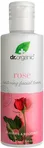
Dr.Organic Rose Restoring Facial Toner

Dr.Organic Rose Restoring Facial Toner

Efficacy100/100IrritancyHigh

Works for

Moisturizing
Panthenol, Glycerin + 15 more
Works well
What the product description says
“This antioxidant-rich blend of Bulgarian organic rose oil, rose water, witch hazel, and organic aloe vera helps balance and prepare skin to absorb maximum moisture.”
Source: Ulta

This product can help improve hydration of the skin with the two types of ingredients.

The first type is called “humectants”:
these ingredients help attract water. When humectants are on the surface of the skin, they “pull in” the moisture from the outside environment, or from within deeper layers of the skin. The following ingredients in this product do the job: alanine, arginine.

This product also contains ingredients called “occlusives”. They help reduce the speed with which our skin loses moisture to the outside environment. These ingredients also help soften the upper layer of the skin, so it feels less tight and nicer to the touch. The following ingredients in this product do the job: arginine.

The following ingredients in this product are especially good for supporting the skin barrier and helping with the hydration level: panthenol

PanthenolHero· HumectantEffect: HighHelps attract water to the upper layer of the skin and can help improve skin barrier function~0.35–0.8%
GlycerinKey active· HumectantEffect: HighOne of the best moisturizing ingredients. Naturally present in skin. It attracts water to the upper layer of the skin working as a humectant~3.3–4.9%
Sodium pcaKey active· HumectantEffect: HighNaturally present in skin and helps to attract water to its upper layer~0.4–0.95%
Sodium lactateKey active· HumectantEffect: HighHelps attract water to the upper layer of the skin. Is often used to adjust the pH level of the product~0.35–0.85%
PcaKey active· HumectantEffect: HighNaturally present in skin and helps to attract water to its upper layer~0.2–0.75%
ArginineKey active· Humectant, OcclusiveEffect: HighAn amino acid that is naturally present in skin and helps keep it hydrated. When used together with AHAs, it can reduce their irritating effect on the skin~0.2–0.8%
GlycineKey active· HumectantEffect: HighHelps to attract water to the upper layer of the skin and can help restore the skin barrier function~0.2–0.7%
IsoleucineKey activeEffect: HighAn amino acid that can help attract water to the upper layer of the skin and support skin's barrier function~0.15–0.65%
Aspartic acidKey active· HumectantEffect: HighAn amino-acid that helps increase skin hydration and might help to slightly improve skin firmness, potentially reducing lines and wrinkles~0.15–0.6%
AlanineKey active· HumectantEffect: HighAn amino-acid that helps to attract water to the upper layer of the skin and might help to lighten the skin, but solid evidence is lacking~0.15–0.65%
SerineKey activeEffect: HighAn amino-acid that helps to attract water to the upper layer of the skin. In combination with other amino-acids, might help to reduce fine lines and wrinkles~0.15–0.7%
ProlineKey activeEffect: Medium~0.15–0.65%
HistidineKey active· HumectantEffect: High~0.1–0.4%
ThreonineKey activeEffect: HighAn amino-acid that helps to attract water to the upper layer of the skin. In combination with other amino-acids, might help to reduce fine lines and wrinkles~0.1–0.45%
Aloe barbadensis leaf juice· HumectantEffect: LowTraditionally used to treat sunburns, dermatitis and inflammation, but evidence for its effectiveness is lacking. The extract can contain humectants that help attract water into the skin~23–34%
Rosa damascena flower water· HumectantEffect: LowUsed to add a nice rose smell to the product. Might help attract water to the upper layer of the skin and have some anti-oxidant effect. Can be irritating~2.5–3.7%
Rosa damascena flower oilEffect: LowUsed as a fragrance. Can be irritating~0.95–1.4%
Anti-aging
Side benefit · Aspartic acid, Serine + 3 more
May help

This product contains aspartic acid, serine, threonine. There is some human evidence that these ingredients help reduce and prevent fine lines and wrinkles and improve skin elasticity and firmness, though it is smaller or less consistent than the evidence for the best anti-aging ingredients.

Aspartic acidKey activeEffect: MediumAn amino-acid that helps increase skin hydration and might help to slightly improve skin firmness, potentially reducing lines and wrinkles~0.15–0.6%
SerineKey activeEffect: MediumAn amino-acid that helps to attract water to the upper layer of the skin. In combination with other amino-acids, might help to reduce fine lines and wrinkles~0.15–0.7%
ThreonineKey activeEffect: MediumAn amino-acid that helps to attract water to the upper layer of the skin. In combination with other amino-acids, might help to reduce fine lines and wrinkles~0.1–0.45%
Aloe barbadensis leaf juiceEffect: LowTraditionally used to treat sunburns, dermatitis and inflammation, but evidence for its effectiveness is lacking. The extract can contain humectants that help attract water into the skin~23–34%
Sodium ascorbyl phosphateEffect: Low, below effective doseA stable derivative of vitamin C. It is oil-soluble which means it is more likely to penetrate the skin compared to the pure form of vitamin C (which is water-soluble), but it is less bio-available and is way less effective in stimulating collagen and reducing wrinkles compared to the pure form of vitamin C (L-ascorbic acid) and its other derivatives (for example, magnesium ascorbyl phosphate). At the same time, this vitamin C derivative has been shown in studies to be effective in reducing acne, blemishes and clogged pores. It is less irritating then the pure form of vitamin C~0.35–0.8%

Can it cause trouble?

Irritancy
9 strong irritants: Hamamelis virginiana flower water, Rosa damascena flower water + 7 more — patch-test recommended
High risk
We flagged 16 ingredients with irritancy potential. Severity depends on your sensitivity threshold; the table lists the worst offenders first.
IngredientFunctionIrritationEst. amount
Hamamelis virginiana flower waterA plant infused water that might help calm down inflammation in skin. Can, however, itself be irritatingHigh~4.8–7.2%est.
Rosa damascena flower waterUsed to add a nice rose smell to the product. Might help attract water to the upper layer of the skin and have some anti-oxidant effect. Can be irritatingHigh~2.5–3.7%est.
ParfumAn aromatic blend of unspecified and possibly irritating ingredientsHigh~1.3–1.9%est.
Pelargonium graveolens oilUsed as a fragrance. Can be irritatingHigh~1.1–1.7%est.
Eugenia caryophyllus flower oilAn essential oil. Can be irritatingHigh~1.1–1.6%est.
Rosa damascena flower oilUsed as a fragrance. Can be irritatingHigh~0.95–1.4%est.
Rosa damascena flower extractUsed as a fragrance. Can be irritatingHigh~0.6–1.35%est.
Calendula officinalis flower extractA plant extract that has some anti-oxidant and anti-bacterial properties. Can be irritatingHigh~0.45–1.1%est.
Chamomilla recutita flower extractPlant extract that can have healing and anti-inflammatory properties. It is a potential allergen and can be irritatingHigh~0.45–1.05%est.
Tilia europaea flower extract—High~0.4–0.95%est.
Aloe barbadensis leaf juiceTraditionally used to treat sunburns, dermatitis and inflammation, but evidence for its effectiveness is lacking. The extract can contain humectants that help attract water into the skinMedium~23–34%est.
Sodium lactateHelps attract water to the upper layer of the skin. Is often used to adjust the pH level of the productMedium~0.35–0.85%est.
Sodium ascorbyl phosphateA stable derivative of vitamin C. It is oil-soluble which means it is more likely to penetrate the skin compared to the pure form of vitamin C (which is water-soluble), but it is less bio-available and is way less effective in stimulating collagen and reducing wrinkles compared to the pure form of vitamin C (L-ascorbic acid) and its other derivatives (for example, magnesium ascorbyl phosphate). At the same time, this vitamin C derivative has been shown in studies to be effective in reducing acne, blemishes and clogged pores. It is less irritating then the pure form of vitamin CMedium~0.35–0.8%est.
Trisodium ethylenediamine disuccinateUsed to improve stability of the formulationMedium~0.2–0.75%est.
Citric acidCan work as an exfoliant but is typically used to adjust the product pHMedium~0.05–0.25%est.
Potassium sorbateA preservativeMedium~0.05–0.3%est.
Comedogenic
Clean of flagged comedogenic ingredients
None flagged
Did this help you decide?

User reviews

Would you recommend?
No community reviews yet.

Be the first — your take helps the next person decide.

Ingredients

Filter by role to see what each ingredient is doing.

Aloe barbadensis leaf juice~23–34%
Irritant · medium
Irritation risk
Medium
Works for
MoisturizingReduces irritationReduces rednessAntibacterialAnti-inflammatoryAnti-agingAnti-blemish

Traditionally used to treat sunburns, dermatitis and inflammation, but evidence for its effectiveness is lacking. The extract can contain humectants that help attract water into the skin

More about Aloe barbadensis leaf juice
Water~11–17%
Formula
Irritation risk
Low

Plain old water

More about Water
Hamamelis virginiana flower water~4.8–7.2%
Irritant · high
Irritation risk
High
Works for
Anti-inflammatory

A plant infused water that might help calm down inflammation in skin. Can, however, itself be irritating

More about Hamamelis virginiana flower water
Glycerin~3.3–4.9%
Key active
Irritation risk
Low
Works for
Moisturizing

One of the best moisturizing ingredients. Naturally present in skin. It attracts water to the upper layer of the skin working as a humectant

More about Glycerin
Rosa damascena flower water~2.5–3.7%
Irritant · high
Irritation risk
High
Works for
MoisturizingAnti-oxidation

Used to add a nice rose smell to the product. Might help attract water to the upper layer of the skin and have some anti-oxidant effect. Can be irritating

More about Rosa damascena flower water
Polysorbate 20~1.8–2.6%
Formula
Irritation risk
Low
Works for
Cleansing

Helps oil and water mix together

More about Polysorbate 20
Parfum~1.3–1.9%
Irritant · high
Irritation risk
High

An aromatic blend of unspecified and possibly irritating ingredients

More about Parfum
Pelargonium graveolens oil~1.1–1.7%
Irritant · high
Irritation risk
High

Used as a fragrance. Can be irritating

More about Pelargonium graveolens oil
Eugenia caryophyllus flower oil~1.1–1.6%
Irritant · high
Irritation risk
High

An essential oil. Can be irritating

More about Eugenia caryophyllus flower oil
Rosa damascena flower oil~0.95–1.4%
Irritant · high
Irritation risk
High
Works for
Moisturizing

Used as a fragrance. Can be irritating

More about Rosa damascena flower oil
Rosa damascena flower extract~0.6–1.35%
Irritant · high
Irritation risk
High

Used as a fragrance. Can be irritating

More about Rosa damascena flower extract
Calendula officinalis flower extract~0.45–1.1%
Irritant · high
Irritation risk
High
Works for
Anti-oxidation

A plant extract that has some anti-oxidant and anti-bacterial properties. Can be irritating

More about Calendula officinalis flower extract
Chamomilla recutita flower extract~0.45–1.05%
Irritant · high
Irritation risk
High
Works for
Anti-inflammatory

Plant extract that can have healing and anti-inflammatory properties. It is a potential allergen and can be irritating

More about Chamomilla recutita flower extract
Passiflora incarnata flower extract~0.45–1%
Formula
Tilia europaea flower extract~0.4–0.95%
Irritant · high
Sodium pca~0.4–0.95%
Key active
Irritation risk
Low
Works for
Moisturizing

Naturally present in skin and helps to attract water to its upper layer

More about Sodium pca
Sodium lactate~0.35–0.85%
Key activeIrritant · medium
Irritation risk
Medium
Works for
Moisturizing

Helps attract water to the upper layer of the skin. Is often used to adjust the pH level of the product

More about Sodium lactate
Panthenol~0.35–0.8%
Hero · Moisturizing
Irritation risk
Low
Works for
Reduces rednessMoisturizingReduces irritation

Helps attract water to the upper layer of the skin and can help improve skin barrier function

More about Panthenol
Arginine~0.2–0.8%
Key active
Irritation risk
Low
Works for
Moisturizing

An amino acid that is naturally present in skin and helps keep it hydrated. When used together with AHAs, it can reduce their irritating effect on the skin

More about Arginine
Sodium ascorbyl phosphate~0.35–0.8%
Irritant · medium
Irritation risk
Medium
Works for
Anti-blemishAnti-oxidationAnti-aging

A stable derivative of vitamin C. It is oil-soluble which means it is more likely to penetrate the skin compared to the pure form of vitamin C (which is water-soluble), but it is less bio-available and is way less effective in stimulating collagen and reducing wrinkles compared to the pure form of vitamin C (L-ascorbic acid) and its other derivatives (for example, magnesium ascorbyl phosphate). At the same time, this vitamin C derivative has been shown in studies to be effective in reducing acne, blemishes and clogged pores. It is less irritating then the pure form of vitamin C

More about Sodium ascorbyl phosphate
Serine~0.15–0.7%
Key active
Irritation risk
Low
Works for
MoisturizingAnti-aging

An amino-acid that helps to attract water to the upper layer of the skin. In combination with other amino-acids, might help to reduce fine lines and wrinkles

More about Serine
Valine~0.15–0.7%
Formula
Irritation risk
Low
More about Valine
Aspartic acid~0.15–0.6%
Key active
Irritation risk
Low
Works for
MoisturizingAnti-aging

An amino-acid that helps increase skin hydration and might help to slightly improve skin firmness, potentially reducing lines and wrinkles

More about Aspartic acid
Pca~0.2–0.75%
Key active
Irritation risk
Low
Works for
Moisturizing

Naturally present in skin and helps to attract water to its upper layer

More about Pca
Trisodium ethylenediamine disuccinate~0.2–0.75%
Irritant · medium
Irritation risk
Medium

Used to improve stability of the formulation

More about Trisodium ethylenediamine disuccinate
Glycine~0.2–0.7%
Key active
Irritation risk
Low
Works for
Moisturizing

Helps to attract water to the upper layer of the skin and can help restore the skin barrier function

More about Glycine
Alanine~0.15–0.65%
Key active
Irritation risk
Low
Works for
MoisturizingEvens skin tone

An amino-acid that helps to attract water to the upper layer of the skin and might help to lighten the skin, but solid evidence is lacking

More about Alanine
Isoleucine~0.15–0.65%
Key active
Irritation risk
Low
Works for
Moisturizing

An amino acid that can help attract water to the upper layer of the skin and support skin's barrier function

More about Isoleucine
Proline~0.15–0.65%
Key active
Irritation risk
Low
Works for
Moisturizing
More about Proline
Threonine~0.1–0.45%
Key active
Irritation risk
Low
Works for
MoisturizingAnti-aging

An amino-acid that helps to attract water to the upper layer of the skin. In combination with other amino-acids, might help to reduce fine lines and wrinkles

More about Threonine
Histidine~0.1–0.4%
Key active
Irritation risk
Low
Works for
Moisturizing
More about Histidine
Phenylalanine~0.1–0.4%
Formula
Irritation risk
Low
More about Phenylalanine
Citric acid~0.05–0.25%
Irritant · medium
Irritation risk
Medium

Can work as an exfoliant but is typically used to adjust the product pH

More about Citric acid
Sodium benzoate~0.05–0.25%
Formula
Irritation risk
Low

A preservative

More about Sodium benzoate
Potassium sorbate~0.05–0.3%
Irritant · medium
Irritation risk
Medium

A preservative

More about Potassium sorbate
Ingredient list view

Aloe barbadensis leaf juice, Water, Hamamelis virginiana flower water, Glycerin, Rosa damascena flower water, Polysorbate 20, Parfum, Pelargonium graveolens oil, Eugenia caryophyllus flower oil, Rosa damascena flower oil, Rosa damascena flower extract, Calendula officinalis flower extract, Chamomilla recutita flower extract, Passiflora incarnata flower extract, Tilia europaea flower extract, Sodium pca, Sodium lactate, Panthenol, Arginine, Sodium ascorbyl phosphate, Serine, Valine, Aspartic acid, Pca, Trisodium ethylenediamine disuccinate, Glycine, Alanine, Isoleucine, Proline, Threonine, Histidine, Phenylalanine, Citric acid, Sodium benzoate, Potassium sorbate

Compare prices

Retailers ranked by price — lowest first.

Amazon US
Price unavailable Out of stock
Check

Affiliate links · As an Amazon Associate, WIMJ earns from qualifying purchases.

Worth comparing, line by line.

Match % combines shared ingredients, the first five ingredients, shared actives and hero ingredients, irritancy (lower counts in the alternative's favour), texture and body area. Only products in the same routine step are compared.

Side-by-side comparison of this product against its closest alternatives
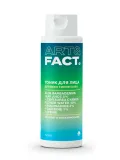
Dr.OrganicRose Restoring Facial TonerYOUR PRODUCTArt&factЛимфодренажный тоник для кожи с алоэ вера 5 %, гидролатом василька 10%, ниацинамидом 4%, кофеином 1% и лизином 1%TONYMOLYAtoamino Balancing Protein Toner2solCica Youth Toner
Match—65%65%65%
Price——$28.10$21.19
Shared key ingredients—10 of 1310 of 1310 of 13
Key difference—NiacinamidePhytosphingosinePalmitoyl Tetrapeptide-7
Irritancy High Medium Medium Low
Drying alcohol————
View product Shop Shop Shop

More alternatives: Elizabeth Grant Green Power with Hemp Seed Oil MistDr.G HYDRA AQUA BOOSTING TONER

Cheaper alternatives? Browse formulas in the same category.
We compare ingredient profiles across our catalog — pick the closest match for your budget.
Open dupe finder

Sources cited in this review

Every concentration estimate and effectiveness label is anchored to one of these 24 studies and safety reviews.

  1. 1
  2. 2
  3. 3
  4. 4
  5. 5
  6. 6
Dr.Organic Rose Restoring Facial Toner
Dr.OrganicRose Restoring Facial Toner

Affiliate links · As an Amazon Associate, WIMJ earns from qualifying purchases.

As an Amazon Associate, WIMJ earns from qualifying purchases.