Works for:
based on ingredients and %- Moisturizing
- Anti-oxidation
Can it cause trouble?
- Irritation risk: low
- Comedogenic risk ingredients: 1
Key actives

Product Summary
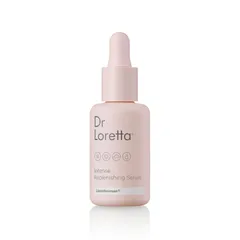
"Dr. Loretta - Intense Replenishing Serum" could be helpful for: Moisturizing, but its actives are not the most effective or are not well-studied.
Price
The product retails from 59.50$ up to 99.99$ in the United States, from 85.70CA$ up to 91.00CA$ in Canada, for 131.97A$ in Australia and for 92.32£ in the United Kingdom.
For a detailed price comparison: click here.
Works for
Anti-oxidation
This product contains antioxidants (dimethylmethoxy chromanol) that can help neutralize free radicals in skin. By doing so, they can lessen the damage the skin gets from the UV light (sun).
Can help neutralize free radicals in skin
Pure form of vitamin E. Can help moisturise and protect the skin from free radicals. Often used to help stabilise other ingredients or the formula itself
A more stable but less bio-available form of vitamin E compared to Tocopherol. Might help moisturize and protect the skin from free radicals, but mostly used in low concentrations to stabilize other ingredients.
Moisturizing
What does the product description say?
All skin types Plumping skin appearance Protecting against pollution and climate Creating a natural, dewy glow
Source: Skinstore
This product can help soften the skin and reduce its moisture loss with emollients and occlusives: dimethiconol, glycine soja oil.
Keep in mind that this product does not contain effective ingredients to attract water to the upper layer of the skin. This is why an additional product with humectants like glycerin or hyaluronic acid can be helpful (apply it before this product for the best results).
A good emollient that helps soften the skin and helps repair its barrier function. It can clog pores if used in high concentrations.
A silicone that makes products more spreadable and keeps skin smooth. Helps to add gloss to skin and may visually fill in fine lines/wrinkles for short time
Helps soften the upper layer of the skin
Helps soften the upper layer of the skin
A silicone that helps improve the product texture and spreadability. Can absorb oil creating a short-term mattifying effect on the skin
An emollient that softens the skin and forms a protective layer on its surface. Helps water and oil mix together
Used mostly for creating emulsions - helping oil and water mix together. Helps soften the upper layer of the skin
Pure form of vitamin E. Can help moisturise and protect the skin from free radicals. Often used to help stabilise other ingredients or the formula itself
How honest is this product?
| Promise | Can it deliver? |
|---|---|
| Moisturizing |
Total Promises Fulfilled score: 75/100.
We receive a small commission for purchases made through these links at no cost for you. Thank you for your support! Learn more
Potential irritants
Comedogenic ingredients
User reviews (0)
Averages from community submissions.
No reviews yet for this product.
Be the first to share your experience!
Tried this product?
Help capture what the ingredient list can't—texture, finish, pilling, scent, and more. Answer what you can, skip the rest.
Takes ~30 seconds.
Reviews are shown in aggregate. No personal details.
Key Actives
A silicone that helps improve the product texture and spreadability. Can absorb oil creating a short-term mattifying effect on the skin
A silicone that makes products more spreadable and keeps skin smooth. Helps to add gloss to skin and may visually fill in fine lines/wrinkles for short time
An oil-soluble compound that has been shown in laboratory studies (in a petri dish, not on human volunteers) to inhibit melanin production in skin and help even out the skin tone. More research is needed to understand if it works in real life
Can help neutralize free radicals in skin
A good emollient that helps soften the skin and helps repair its barrier function. It can clog pores if used in high concentrations.
Potential irritants
An oil-soluble compound that has been shown in laboratory studies (in a petri dish, not on human volunteers) to inhibit melanin production in skin and help even out the skin tone. More research is needed to understand if it works in real life
A more stable but less bio-available form of vitamin E compared to Tocopherol. Might help moisturize and protect the skin from free radicals, but mostly used in low concentrations to stabilize other ingredients.
A good emollient that helps soften the skin and helps repair its barrier function. It can clog pores if used in high concentrations.
Comedogenic ingredients
A good emollient that helps soften the skin and helps repair its barrier function. It can clog pores if used in high concentrations.
All ingredients
A silicone that helps improve the product texture and spreadability. Can absorb oil creating a short-term mattifying effect on the skin
A silicone that makes products more spreadable and keeps skin smooth. Helps to add gloss to skin and may visually fill in fine lines/wrinkles for short time
A preservative. It helps prevent bacterial growth in cosmetic products
An oil-soluble compound that has been shown in laboratory studies (in a petri dish, not on human volunteers) to inhibit melanin production in skin and help even out the skin tone. More research is needed to understand if it works in real life
A more stable but less bio-available form of vitamin E compared to Tocopherol. Might help moisturize and protect the skin from free radicals, but mostly used in low concentrations to stabilize other ingredients.
An emollient that softens the skin and forms a protective layer on its surface. Helps water and oil mix together
Used mostly for creating emulsions - helping oil and water mix together. Helps soften the upper layer of the skin
Pure form of vitamin E. Can help moisturise and protect the skin from free radicals. Often used to help stabilise other ingredients or the formula itself
A good emollient that helps soften the skin and helps repair its barrier function. It can clog pores if used in high concentrations.
Ingredient list view
Cyclopentasiloxane, Ethylhexyl cocoate, Dimethiconol, Phenoxyethanol, Dimethylmethoxy chromanyl palmitate, Glyceryl linoleate, Glyceryl oleate, Dimethylmethoxy chromanol, Tocopheryl acetate, Glyceryl palmitate, Glycolipids, Water, Glyceryl linolenate, Glyceryl stearate, Lecithin, Tocopherol, Glycine soja oil, Polylysine