Works for:
based on ingredients and %- Cleansing
Can it cause trouble?
- Irritation risk: medium
- Comedogenic risk ingredients: 2
Key actives

Works for
Cleansing
What does the product description say?
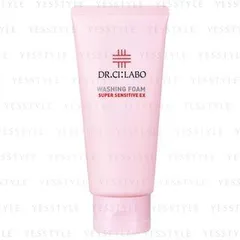
Washing Foam Super Sensitive EX
Source: From product name
This product works by removing dirt and oil from the surface of the skin. It uses a combination of mild cleansing agents (cocamidopropyl betaine, glycol distearate, lauric acid, myristic acid, peg-120 methyl glucose dioleate, sodium cocoyl glycinate, sodium cocoyl isethionate) and should be able to cleanse the skin gently. Still keep in mind that any cleansing can disrupt the skin barrier, and most people do not need to cleanse their skin more than once per day.
Even though this formulation is mild, the following cleansing agents could trigger an irritation or allergy for some people: cocamidopropyl betaine
Helps water and oil mix together. Used as a cleansing ingredient. Could be an allergen
Helps water and oil mix together
Helps water and oil mix together. Has anti-bacterial properties that might be helpful in preventing blemishes
Helps oil and water mix together. Could be comedogenic
Helps oil and water mix together
Helps water and oil mix together. Can be used as a cleansing agent
How honest is this product?
| Promise | Can it deliver? |
|---|---|
| Cleansing |
Total Promises Fulfilled score: 100/100.
We receive a small commission for purchases made through these links at no cost for you. Thank you for your support! Learn more
Potential irritants
Comedogenic ingredients
User reviews (0)
Averages from community submissions.
No reviews yet for this product.
Be the first to share your experience!
Tried this product?
Help capture what the ingredient list can't—texture, finish, pilling, scent, and more. Answer what you can, skip the rest.
Takes ~30 seconds.
Reviews are shown in aggregate. No personal details.
Key Actives
Helps water and oil mix together. Has anti-bacterial properties that might be helpful in preventing blemishes
A salt derived from licorice. Works as an emollient to soften the upper layer of the skin and can help calm down inflammation. Might be helpful for skin lightening
A type of lipid similar to ceramides naturally present in skin. Helps to soften the upper layer of the skin and supports the skin barrier function to keep it hydrated. Can help to prevent inflammation in skin
A type of lipid similar to ceramides naturally present in skin. Helps to soften the upper layer of the skin and supports the skin barrier function to keep it hydrated. Can help to prevent inflammation in skin
A type of lipid similar to ceramides naturally present in skin. Helps to soften the upper layer of the skin and supports the skin barrier function to keep it hydrated. Can help to prevent inflammation in skin
One of the best moisturizing ingredients. Naturally present in skin. It attracts water to the upper layer of the skin working as a humectant
Helps oil and water mix together
Helps water and oil mix together. Used as a cleansing ingredient. Could be an allergen
Helps water and oil mix together. Can be used as a cleansing agent
Helps oil and water mix together. Could be comedogenic
Naturally present in skin and helps to attract water to its upper layer
Potential irritants
Helps water and oil mix together. Used as a cleansing ingredient. Could be an allergen
Contains essential oil. Can be irritating and lead to photosensitivity
Helps water and oil mix together. Can be used as a cleansing agent
Helps oil and water mix together. Could be comedogenic
Used to stabilize product formulation, help create an even product layer over skin (for example, in sunscreen) and create a thicker product consistency
Helps water and oil mix together. Has anti-bacterial properties that might be helpful in preventing blemishes
Helps preserve products and creates a nice product texture
Comedogenic ingredients
Helps oil and water mix together. Could be comedogenic
Helps water and oil mix together. Has anti-bacterial properties that might be helpful in preventing blemishes
All ingredients
One of the best moisturizing ingredients. Naturally present in skin. It attracts water to the upper layer of the skin working as a humectant
Helps water and oil mix together. Used as a cleansing ingredient. Could be an allergen
Helps water and oil mix together. Can be used as a cleansing agent
Helps oil and water mix together. Could be comedogenic
Used to stabilize product formulation, help create an even product layer over skin (for example, in sunscreen) and create a thicker product consistency
Helps water and oil mix together. Has anti-bacterial properties that might be helpful in preventing blemishes
A salt derived from licorice. Works as an emollient to soften the upper layer of the skin and can help calm down inflammation. Might be helpful for skin lightening
A clay mineral. Can absorb oil from the surface of the skin
A type of lipid similar to ceramides naturally present in skin. Helps to soften the upper layer of the skin and supports the skin barrier function to keep it hydrated. Can help to prevent inflammation in skin
A type of lipid similar to ceramides naturally present in skin. Helps to soften the upper layer of the skin and supports the skin barrier function to keep it hydrated. Can help to prevent inflammation in skin
A type of lipid similar to ceramides naturally present in skin. Helps to soften the upper layer of the skin and supports the skin barrier function to keep it hydrated. Can help to prevent inflammation in skin
Contains essential oil. Can be irritating and lead to photosensitivity
Naturally present in skin and helps to attract water to its upper layer
Used to create a nice product texture and help delivery of other ingredients. Might be somewhat helpful in attracting water to the upper layer of the skin
Helps preserve products and creates a nice product texture
Used to thicken product formulations and create gel-like textures
A preservative. It helps prevent bacterial growth in cosmetic products
Ingredient list view
Water, Glycerin, Sodium cocoyl glycinate, Cocamidopropyl betaine, Sodium cocoyl isethionate, Myristic acid, Glycol distearate, Acrylates copolymer, Lauric acid, Dipotassium glycyrrhizate, Montmorillonite, Ceramide ng, Ceramide np, Ceramide ap, Citrus junos fruit extract, Sodium pca, Butylene glycol, Caprylyl glycol, Chlorphenesin, Peg-120 methyl glucose dioleate, Hydroxyethylcellulose, Disodium edta, Sodium hydroxide, Phenoxyethanol
- Glycerol and the skin: holistic approach to its origin and functions
- Final Report on the Safety Assessment of Sodium Cocoyl Isethionate
- The fatty acid profile of the skin surface lipid layer in papulopustular rosacea
- Final Report on the Safety Assessment of Acrylates Copolymer and 33 Related Cosmetic Ingredients
- Amended Safety Assessment of Acrylates Copolymers as Used in Cosmetics
- Ameliorating effect of dipotassium glycyrrhizinate on an IL-4- and IL-13-induced atopic dermatitis-like skin-equivalent model
- Final report on the safety assessment of Glycyrrhetinic Acid, Potassium Glycyrrhetinate, Disodium Succinoyl Glycyrrhetinate, Glyceryl Glycyrrhetinate, Glycyrrhetinyl Stearate, Stearyl Glycyrrhetinate, Glycyrrhizic Acid, Ammonium Glycyrrhizate, Dipotassium Glycyrrhizate, Disodium Glycyrrhizate, Trisodium Glycyrrhizate, Methyl Glycyrrhizate, and Potassium Glycyrrhizinate.
- Topical emulsions containing ceramides: Effects on the skin barrier function and anti‐inflammatory properties
- Topically Applied Ceramides Interact with the Stratum Corneum Lipid Matrix in Compromised Ex Vivo Skin
- Skin hydration is significantly increased by a cream formulated to mimic the skin’s own natural moisturizing systems
- Safety Assessment of Citrus Fruit-Derived Ingredients as Used in Cosmetics