Works for:
based on ingredients and %- Cleansing
Doesn't work for:
based on ingredients and %- Anti-blemish
Can it cause trouble?
- Irritation risk: high
- Comedogenic risk ingredients: 3
Key actives

Cleansing
What does the product description say?
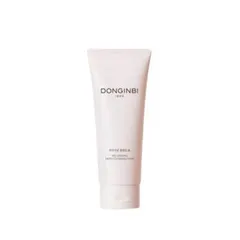
Red Ginseng Micro Cleansing Foam
Source: From product name
This product works by removing dirt and oil from the surface of the skin. It uses a combination of mild cleansing agents (arachidic acid, capric acid, coco-betaine, glyceryl stearate se, glycol distearate, lauric acid, myristic acid, palmitic acid, potassium cocoate, potassium cocoyl glycinate, stearic acid) and should be able to cleanse the skin gently. Still keep in mind that any cleansing can disrupt the skin barrier, and most people do not need to cleanse their skin more than once per day.
Even though this formulation is mild, the following cleansing agents could trigger an irritation or allergy for some people: coco-betaine
Helps oil and water mix together and works as a cleansing agent. Can be allergenic
Used to stabilize the product formulations and works as an emollient
Helps water and oil mix together
Helps water and oil mix together. Has anti-bacterial properties that might be helpful in preventing blemishes
Helps oil and water mix together. Could be comedogenic
An emollient that is naturally present in skin and helps soften it
Helps oil and water mix together and works as a cleansing agent
Helps oil and water mix together and works as an emollient
Anti-blemish
What does the product description say?
A foam cleanser with compact foams for clean care from pores and sebum to ultra-fine dust.
Source: Yesstyle
Effective ingredients missing or their concentration is too low.
A plant extract that might help neutralize free radicals and reduce inflammation in skin. It can be irritating
Helps water and oil mix together. Has anti-bacterial properties that might be helpful in preventing blemishes
Helps calm down inflammation in skin and can help reduce itching. Helps to repair the skin barrier and keep skin hydrated
How honest is this product?
| Promise | Can it deliver? |
|---|---|
| Cleansing | |
| Anti-blemish |
Total Promises Fulfilled score: 50/100.
We receive a small commission for purchases made through these links at no cost for you. Thank you for your support! Learn more
Potential irritants
Comedogenic ingredients
User reviews (0)
Averages from community submissions.
No reviews yet for this product.
Be the first to share your experience!
Tried this product?
Help capture what the ingredient list can't—texture, finish, pilling, scent, and more. Answer what you can, skip the rest.
Takes ~30 seconds.
Reviews are shown in aggregate. No personal details.
Key Actives
Helps calm down inflammation in skin and can help reduce itching. Helps to repair the skin barrier and keep skin hydrated
A plant extract that might help neutralize free radicals and reduce inflammation in skin. It can be irritating
Pure form of vitamin E. Can help moisturise and protect the skin from free radicals. Often used to help stabilise other ingredients or the formula itself
Helps water and oil mix together. Has anti-bacterial properties that might be helpful in preventing blemishes
Helps attract water to the upper layer of the skin and can help improve skin barrier function
An emollient that is naturally present in skin and helps soften it
Helps oil and water mix together and works as an emollient
Used to stabilize the product formulations and works as an emollient
One of the best moisturizing ingredients. Naturally present in skin. It attracts water to the upper layer of the skin working as a humectant
Helps oil and water mix together. Could be comedogenic
Helps oil and water mix together and works as a cleansing agent. Can be allergenic
Helps oil and water mix together and works as a cleansing agent
Potential irritants
Helps oil and water mix together and works as a cleansing agent. Can be allergenic
A plant extract that might have some anti-inflammatory properties, but solid evidence is lacking. It can be irritating
Can be drying and contribute to skin irritation. Used in formulars to dissolve other ingredients, create a thinner product consistency or for its antibacterial properties
Plant extract that might help calm down inflammation in skin and neutralize free radicals, but effectiveness of topical application is not confirmed. Can be an allergen
A plant extract that might help neutralize free radicals and reduce inflammation in skin. It can be irritating
An aromatic blend of unspecified and possibly irritating ingredients
A common frangrance that can easily irritate skin, especially if exposed to air, light or heat
Helps oil and water mix together. Could be comedogenic
Helps water and oil mix together. Has anti-bacterial properties that might be helpful in preventing blemishes
Helps oil and water mix together and works as a cleansing agent
Helps preserve products and creates a nice product texture
Comedogenic ingredients
Helps oil and water mix together. Could be comedogenic
Helps water and oil mix together. Has anti-bacterial properties that might be helpful in preventing blemishes
Used to stabilize the product formulations and works as an emollient
All ingredients
One of the best moisturizing ingredients. Naturally present in skin. It attracts water to the upper layer of the skin working as a humectant
An emollient that is naturally present in skin and helps soften it
Helps oil and water mix together. Could be comedogenic
Helps water and oil mix together. Has anti-bacterial properties that might be helpful in preventing blemishes
Used to stabilize the product formulations and works as an emollient
Helps oil and water mix together and works as a cleansing agent. Can be allergenic
Helps oil and water mix together and works as a cleansing agent
Helps preserve products and creates a nice product texture
Used to stabilize mixtures of oil and water, and create thicker, gel-like product textures
Helps attract water to the upper layer of the skin and can help improve skin barrier function
Helps calm down inflammation in skin and can help reduce itching. Helps to repair the skin barrier and keep skin hydrated
A plant extract that might have some anti-inflammatory properties, but solid evidence is lacking. It can be irritating
Acts as a solvent for other ingredients. Speeds up the absorption of other ingredients into the skin
Used to create a nice product texture and help delivery of other ingredients. Might be somewhat helpful in attracting water to the upper layer of the skin
Can be drying and contribute to skin irritation. Used in formulars to dissolve other ingredients, create a thinner product consistency or for its antibacterial properties
Plant extract that might help calm down inflammation in skin and neutralize free radicals, but effectiveness of topical application is not confirmed. Can be an allergen
An extract from fungus (mold) that typically appears on rice. It can help attract water to the upper layer of the skin, might help neutralize free radicals and possibly somewhat reduce hyperpigmentation
A plant extract that might help neutralize free radicals and reduce inflammation in skin. It can be irritating
Pure form of vitamin E. Can help moisturise and protect the skin from free radicals. Often used to help stabilise other ingredients or the formula itself
An aromatic blend of unspecified and possibly irritating ingredients
A common frangrance that can easily irritate skin, especially if exposed to air, light or heat
Ingredient list view
Water, Glycerin, Palmitic acid, Potassium hydroxide, Myristic acid, Lauric acid, Stearic acid, Glycol distearate, Glyceryl stearate se, Potassium cocoyl glycinate, Coco-betaine, Potassium cocoate, Caprylyl glycol, Sodium chloride, Panthenol, Panax ginseng root water, Ethylhexylglycerin, Arachidic acid, Disodium edta, Capric acid, Allantoin, 1,2-hexanediol, Panax ginseng root oil, Panax ginseng root extract, Sapindus mukorossi fruit extract, Propanediol, Poncirus trifoliata fruit extract, Butylene glycol, Alcohol, Hydrolyzed ginseng saponins, Aspergillus ferment, Leonurus sibiricus flower/leaf/stem extract, Ginkgo biloba leaf extract, Tocopherol, Parfum, Citronellol, Limonene, Geraniol, Hexyl cinnamal, Linalool
- Glycerol and the skin: holistic approach to its origin and functions
- The fatty acid profile of the skin surface lipid layer in papulopustular rosacea
- Skin moisturizing effects of panthenol-based formulations
- Safety Assessment of Panthenol, Pantothenic Acid, and Derivatives as Used in Cosmetics
- Profile of wound healing process induced by allantoin
- The influence of alkane chain length on the skin irritation potential of 1,2-alkanediols
- Ginseng in Dermatology: A Review
- Antiaging effects of the mixture of Panax ginseng and Crataegus pinnatifida in human dermal fibroblasts and healthy human skin
- Effects of ginseng saponins isolated from Red Ginseng roots on burn wound healing in mice
- Panax ginseng induces human Type I collagen synthesis through activation of Smad signaling
- Korean Red Ginseng improves atopic dermatitis-like skin lesions by suppressing expression of proinflammatory cytokines and chemokines in vivo and in vitro
- First-reported pediatric cases of American ginseng anaphylaxis and allergy
- Brewer's rice: A potential substrate for cosmeceutical bio-ingredient production by solid state fermentation using Aspergillus oryzae
- Safety Assessment of Ginkgo biloba-Derived Ingredients as Used in Cosmetics
- Cosmeceutical Critique: Ginkgo Biloba
- Vitamin E in dermatology
- Vitamin E and Skin Health
- Annex I: Clinical evidence regarding sensitisation to individual fragrance chemicals and to natural extracts