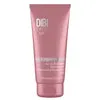
DIBI Milano Face Perfection Reactivating Scrub

DIBI Milano Face Perfection Reactivating Scrub

Efficacy50/100IrritancyMedium

Works for

Exfoliation
Urea, Papain + 1 more
Not delivered
What the product description says
“Face Perfection Reactivating Scrub”
Source: Face the future

This product might help exfoliate the skin with urea, papain, but These ingredients is not the most effective.

UreaEffect: MediumNaturally present in skin (urea makes up about 7% of natural moisturizing factors in skin). Attracts water to the upper layer of the skin. Also has a positive effect on the skin barrier beyond the humectant action. Can enhance penetration of other ingredients. Is an exfoliating ingredient when used in high concentrations~0.3–0.5%
PapainEffect: LowAn enzyme extracted from papaya fruit. Can have an exfoliating effect on the skin. Can be irritating~0.3–0.55%
Lactic acidUnder-dosedAn exfoliating and moisturizing alpha-hydroxy acid (AHA). Typically causes less irritation than other AHAs, for example, glycolic acid. At high concentrations (about 15%), lactic acid can help reduce lines and wrinkles. Recent studies show that lactic acid can support the "good" bacteria living on skin's surface (healthy skin microbiome)~0.25–0.45%
Moisturizing
Side benefit · Urea, Cetearyl alcohol + 17 more
Works well

This product can help improve hydration of the skin with the two types of ingredients.

The first type is called “humectants”:
these ingredients help attract water. When humectants are on the surface of the skin, they “pull in” the moisture from the outside environment, or from within deeper layers of the skin. The following ingredients in this product do the job: alanine, glycerin.

This product also contains ingredients called “occlusives”. They help reduce the speed with which our skin loses moisture to the outside environment. These ingredients also help soften the upper layer of the skin, so it feels less tight and nicer to the touch. The following ingredients in this product do the job: caprylic/capric triglyceride, jojoba esters.

The following ingredients in this product are especially good for supporting the skin barrier and helping with the hydration level: urea

UreaHero· HumectantEffect: HighNaturally present in skin (urea makes up about 7% of natural moisturizing factors in skin). Attracts water to the upper layer of the skin. Also has a positive effect on the skin barrier beyond the humectant action. Can enhance penetration of other ingredients. Is an exfoliating ingredient when used in high concentrations~0.3–0.5%
Cetearyl alcoholKey active· EmollientEffect: MediumA non-drying alcohol. Works as an emollient. Helps water and oil mix together and creates a nice product texture~5.1–6.2%
Caprylic/capric triglycerideKey active· Emollient, OcclusiveEffect: HighA good mix of fatty acids that forms a protective layer on the skin. Improves the shelf life of products. Derived from coconut and glycerin~4.6–5.6%
C12-15 alkyl benzoateKey active· EmollientEffect: MediumEnhances the product texture and makes it more spreadable. Helps reduce water loss from the outer layer of skin. Extands the shelf life by preventing bacteria growth~3.2–4%
GlycerinKey active· HumectantEffect: HighOne of the best moisturizing ingredients. Naturally present in skin. It attracts water to the upper layer of the skin working as a humectant~2.5–3.1%
Oryza sativa bran oilKey active· EmollientEffect: HighHelps soften the upper layer of the skin and might have some anti-oxidant properties~2.1–2.5%
Jojoba estersKey active· EmollientEffect: HighAn emollient made of jojoba oil. Helps soften the skin and support its barrier function~0.5–0.75%
Lactococcus ferment lysateKey activeEffect: HighConsists of remains of dead bacteria cells. Is likely helpful in attracting water to the upper layer of the skin. Might be helpful in reducing inflammation and neutralizing free radicals in skin~0.45–0.65%
Calcium pantothenateKey activeEffect: HighHelps support skin barrier function improving skin hydration and reducing sensitivity~0.3–0.55%
Vegetable oilKey active· EmollientEffect: MediumAn oil from a mixture of different vegetables. Helps soften the upper layer of the skin~0.3–0.55%
Cassia angustifolia seed polysaccharideKey activeEffect: HighHelps attract water to the upper layer of the skin. Is sometimes referred to as "natural" hyaluronic acid (even though hyaluronic acid is not unnatural and is present in human skin)~0.25–0.5%
AlanineKey active· HumectantEffect: HighAn amino-acid that helps to attract water to the upper layer of the skin and might help to lighten the skin, but solid evidence is lacking~0.2–0.4%
ProlineKey activeEffect: Medium~0.2–0.35%
SerineKey activeEffect: HighAn amino-acid that helps to attract water to the upper layer of the skin. In combination with other amino-acids, might help to reduce fine lines and wrinkles~0.15–0.3%
Propylene glycol· HumectantEffect: LowHelps oil and water mix together and can enhance the penetration of other ingredients into the skin. It can be irritating~1.7–2.1%
Caprylyl glycol· Humectant, EmollientEffect: LowHelps preserve products and creates a nice product texture~0.3–0.55%
LecithinEffect: Low, below effective doseUsed mostly for creating emulsions - helping oil and water mix together. Helps soften the upper layer of the skin~0.35–0.6%
TocopherolEffect: Low, below effective dosePure form of vitamin E. Can help moisturise and protect the skin from free radicals. Often used to help stabilise other ingredients or the formula itself~0.3–0.55%
Lactic acidUnder-dosedAn exfoliating and moisturizing alpha-hydroxy acid (AHA). Typically causes less irritation than other AHAs, for example, glycolic acid. At high concentrations (about 15%), lactic acid can help reduce lines and wrinkles. Recent studies show that lactic acid can support the "good" bacteria living on skin's surface (healthy skin microbiome)~0.25–0.45%
Anti-aging
Side benefit · Serine, Lactococcus ferment lysate + 3 more
May help

This product contains serine. This ingredient might be able to help reduce and prevent fine lines and wrinkles, improve skin elasticity and firmness, but there is not enough evidence that it actually works.

SerineKey activeEffect: MediumAn amino-acid that helps to attract water to the upper layer of the skin. In combination with other amino-acids, might help to reduce fine lines and wrinkles~0.15–0.3%
Lactococcus ferment lysateEffect: LowConsists of remains of dead bacteria cells. Is likely helpful in attracting water to the upper layer of the skin. Might be helpful in reducing inflammation and neutralizing free radicals in skin~0.45–0.65%
TocopherolEffect: Low, below effective dosePure form of vitamin E. Can help moisturise and protect the skin from free radicals. Often used to help stabilise other ingredients or the formula itself~0.3–0.55%
Ascorbyl palmitateEffect: Low, below effective doseBeing a lipid soluble form of vitamin C, it is more stable and can penetrate the skin better than L-Ascorbic acid. It is effective in protecting the skin from free radicals, as well as evening the skin tone, but is less effective in stimulating collagen production compared to L-Ascorbic acid.~0.3–0.5%
Lactic acidUnder-dosedAn exfoliating and moisturizing alpha-hydroxy acid (AHA). Typically causes less irritation than other AHAs, for example, glycolic acid. At high concentrations (about 15%), lactic acid can help reduce lines and wrinkles. Recent studies show that lactic acid can support the "good" bacteria living on skin's surface (healthy skin microbiome)~0.25–0.45%

Can it cause trouble?

Irritancy
2 strong irritants: Parfum, Benzyl salicylate
Medium risk
We flagged 20 ingredients with irritancy potential. Severity depends on your sensitivity threshold; the table lists the worst offenders first.
IngredientFunctionIrritationEst. amount
Propylene glycolHelps oil and water mix together and can enhance the penetration of other ingredients into the skin. It can be irritatingHigh~1.7–2.1%est.
ParfumAn aromatic blend of unspecified and possibly irritating ingredientsHigh~0.35–0.65%est.
PapainAn enzyme extracted from papaya fruit. Can have an exfoliating effect on the skin. Can be irritatingHigh~0.3–0.55%est.
Benzyl salicylateA fragrance. Is a likely irritantHigh~0.25–0.5%est.
Ci 73360A red (pink) dyeHigh~0.3–0.5%est.
Caprylic/capric triglycerideA good mix of fatty acids that forms a protective layer on the skin. Improves the shelf life of products. Derived from coconut and glycerinMedium~4.6–5.6%est.
Potassium cetyl phosphateHelps oil and water mix togetherMedium~1.2–1.5%est.
Cetearyl glucosideHelps water and oil in the product mix well together and improves product textureMedium~1–1.2%est.
HydroxyacetophenoneUsed to increase effectiveness of preservativesMedium~0.5–0.75%est.
Jojoba estersAn emollient made of jojoba oil. Helps soften the skin and support its barrier functionMedium~0.5–0.75%est.
Acrylates/c10-30 alkyl acrylate crosspolymerMaintains the texture of skincare products. Allows the product to spread evenly. Helps oil and water mix togetherMedium~0.5–0.75%est.
Tetrasodium edtaHelps to stabilize the product formulationMedium~0.35–0.65%est.
Cassia angustifolia seed polysaccharideHelps attract water to the upper layer of the skin. Is sometimes referred to as "natural" hyaluronic acid (even though hyaluronic acid is not unnatural and is present in human skin)Medium~0.25–0.5%est.
Ascorbyl palmitateBeing a lipid soluble form of vitamin C, it is more stable and can penetrate the skin better than L-Ascorbic acid. It is effective in protecting the skin from free radicals, as well as evening the skin tone, but is less effective in stimulating collagen production compared to L-Ascorbic acid.Medium~0.3–0.5%est.
Caprylyl glycolHelps preserve products and creates a nice product textureMedium~0.3–0.55%est.
EthylhexylglycerinA preservativeMedium~0.25–0.5%est.
Lactic acidAn exfoliating and moisturizing alpha-hydroxy acid (AHA). Typically causes less irritation than other AHAs, for example, glycolic acid. At high concentrations (about 15%), lactic acid can help reduce lines and wrinkles. Recent studies show that lactic acid can support the "good" bacteria living on skin's surface (healthy skin microbiome)Medium~0.25–0.45%est.
Citric acidCan work as an exfoliant but is typically used to adjust the product pHMedium~0.15–0.25%est.
Sodium citrateHelps to control the skin's pH level. Maintains the skin's natural film of amino-lactic acids and oils. Helps to preserve productsMedium~0.1–0.15%est.
Ci 17200A red colorantMedium~0.1–0.2%est.
Comedogenic
2 ingredients rated 2 or more on the 0–5 pore-clogging scale
2 flagged
These ingredients have a comedogenic rating of 2 or more on a 0–5 scale; the table shows each one's rating. In leave-on products they can clog pores in acne-prone skin.
IngredientFunctionRatingEst. amount
Cetearyl alcoholA non-drying alcohol. Works as an emollient. Helps water and oil mix together and creates a nice product texture2/5~5.1–6.2%est.
Ci 73360A red (pink) dye2/5~0.3–0.5%est.

User reviews

Would you recommend?
No community reviews yet.

Be the first — your take helps the next person decide.

Ingredients

Filter by role to see what each ingredient is doing.

Water~45–55%
Formula
Irritation risk
Low

Plain old water

More about Water
Cetearyl alcohol~5.1–6.2%
Key activeComedogenic 2/5
Irritation risk
Low
Comedogenicity
2/5
Works for
CleansingMoisturizing

A non-drying alcohol. Works as an emollient. Helps water and oil mix together and creates a nice product texture

More about Cetearyl alcohol
Caprylic/capric triglyceride~4.6–5.6%
Key activeIrritant · medium
Irritation risk
Medium
Works for
Moisturizing

A good mix of fatty acids that forms a protective layer on the skin. Improves the shelf life of products. Derived from coconut and glycerin

More about Caprylic/capric triglyceride
C12-15 alkyl benzoate~3.2–4%
Key active
Irritation risk
Low
Works for
Moisturizing

Enhances the product texture and makes it more spreadable. Helps reduce water loss from the outer layer of skin. Extands the shelf life by preventing bacteria growth

More about C12-15 alkyl benzoate
Glycerin~2.5–3.1%
Key active
Irritation risk
Low
Works for
Moisturizing

One of the best moisturizing ingredients. Naturally present in skin. It attracts water to the upper layer of the skin working as a humectant

More about Glycerin
Oryza sativa bran oil~2.1–2.5%
Key active
Irritation risk
Low
Works for
Moisturizing

Helps soften the upper layer of the skin and might have some anti-oxidant properties

More about Oryza sativa bran oil
Propylene glycol~1.7–2.1%
Irritant · high
Irritation risk
High
Works for
Moisturizing

Helps oil and water mix together and can enhance the penetration of other ingredients into the skin. It can be irritating

More about Propylene glycol
Cellulose~1.6–1.9%
Formula
Irritation risk
Low
Works for
Mattifying

Can be used to help absorb oil as well as add volume and imporve texture of products.

More about Cellulose
Potassium cetyl phosphate~1.2–1.5%
Irritant · medium
Irritation risk
Medium
Works for
Cleansing

Helps oil and water mix together

More about Potassium cetyl phosphate
Cetearyl glucoside~1–1.2%
Irritant · medium
Irritation risk
Medium
Works for
Cleansing

Helps water and oil in the product mix well together and improves product texture

More about Cetearyl glucoside
Silica~1.1–1.4%
Formula
Irritation risk
Low

Used to absorb oil and can temporarily mattify skin

More about Silica
Glycolipids~0.6–0.9%
Formula
Irritation risk
Low
More about Glycolipids
Phenoxyethanol~0.55–0.8%
Formula
Irritation risk
Low

A preservative. It helps prevent bacterial growth in cosmetic products

More about Phenoxyethanol
Hydroxyacetophenone~0.5–0.75%
Irritant · medium
Irritation risk
Medium

Used to increase effectiveness of preservatives

More about Hydroxyacetophenone
Jojoba esters~0.5–0.75%
Key activeIrritant · medium
Irritation risk
Medium
Works for
Moisturizing

An emollient made of jojoba oil. Helps soften the skin and support its barrier function

More about Jojoba esters
Acrylates/c10-30 alkyl acrylate crosspolymer~0.5–0.75%
Irritant · medium
Irritation risk
Medium

Maintains the texture of skincare products. Allows the product to spread evenly. Helps oil and water mix together

More about Acrylates/c10-30 alkyl acrylate crosspolymer
Lactococcus ferment lysate~0.45–0.65%
Key active
Irritation risk
Low
Works for
MoisturizingAnti-oxidationAnti-agingAnti-inflammatory

Consists of remains of dead bacteria cells. Is likely helpful in attracting water to the upper layer of the skin. Might be helpful in reducing inflammation and neutralizing free radicals in skin

More about Lactococcus ferment lysate
Parfum~0.35–0.65%
Irritant · high
Irritation risk
High

An aromatic blend of unspecified and possibly irritating ingredients

More about Parfum
Tetrasodium edta~0.35–0.65%
Irritant · medium
Irritation risk
Medium

Helps to stabilize the product formulation

More about Tetrasodium edta
Sodium hydroxide~0.3–0.6%
Formula
Irritation risk
Low

Used to adjust the product's pH

More about Sodium hydroxide
Papain~0.3–0.55%
Irritant · high
Irritation risk
High
Works for
Exfoliation

An enzyme extracted from papaya fruit. Can have an exfoliating effect on the skin. Can be irritating

More about Papain
Lecithin~0.35–0.6%
Formula
Irritation risk
Low
Works for
CleansingMoisturizing

Used mostly for creating emulsions - helping oil and water mix together. Helps soften the upper layer of the skin

More about Lecithin
Cassia angustifolia seed polysaccharide~0.25–0.5%
Key activeIrritant · medium
Irritation risk
Medium
Works for
Moisturizing

Helps attract water to the upper layer of the skin. Is sometimes referred to as "natural" hyaluronic acid (even though hyaluronic acid is not unnatural and is present in human skin)

More about Cassia angustifolia seed polysaccharide
Sodium benzoate~0.25–0.5%
Formula
Irritation risk
Low

A preservative

More about Sodium benzoate
Benzyl salicylate~0.25–0.5%
Irritant · high
Irritation risk
High

A fragrance. Is a likely irritant

More about Benzyl salicylate
Calcium pantothenate~0.3–0.55%
Key active
Irritation risk
Low
Works for
MoisturizingReduces irritation

Helps support skin barrier function improving skin hydration and reducing sensitivity

More about Calcium pantothenate
Xanthan gum~0.3–0.55%
Formula
Irritation risk
Low
Works for
Cleansing

Used to create a thicker product consistency

More about Xanthan gum
Tocopherol~0.3–0.55%
Formula
Irritation risk
Low
Works for
Anti-oxidationMoisturizingAnti-inflammatoryAnti-aging

Pure form of vitamin E. Can help moisturise and protect the skin from free radicals. Often used to help stabilise other ingredients or the formula itself

More about Tocopherol
Ascorbyl palmitate~0.3–0.5%
Irritant · medium
Irritation risk
Medium
Works for
Anti-agingAnti-oxidation

Being a lipid soluble form of vitamin C, it is more stable and can penetrate the skin better than L-Ascorbic acid. It is effective in protecting the skin from free radicals, as well as evening the skin tone, but is less effective in stimulating collagen production compared to L-Ascorbic acid.

More about Ascorbyl palmitate
Caprylyl glycol~0.3–0.55%
Irritant · medium
Irritation risk
Medium
Works for
Moisturizing

Helps preserve products and creates a nice product texture

More about Caprylyl glycol
Urea~0.3–0.5%
Hero · Moisturizing
Irritation risk
Low
Works for
MoisturizingExfoliation

Naturally present in skin (urea makes up about 7% of natural moisturizing factors in skin). Attracts water to the upper layer of the skin. Also has a positive effect on the skin barrier beyond the humectant action. Can enhance penetration of other ingredients. Is an exfoliating ingredient when used in high concentrations

More about Urea
Magnesium lactate~0.25–0.5%
Formula
Ethylhexylglycerin~0.25–0.5%
Irritant · medium
Irritation risk
Medium

A preservative

More about Ethylhexylglycerin
Ci 73360~0.3–0.5%
Comedogenic 2/5Irritant · high
Irritation risk
High
Comedogenicity
2/5

A red (pink) dye

More about Ci 73360
Talc~0.4–0.65%
Formula
Irritation risk
Low

Absorbs oil and moisture helping to create a dryer product finish

More about Talc
Vegetable oil~0.3–0.55%
Key active
Irritation risk
Low
Works for
Moisturizing

An oil from a mixture of different vegetables. Helps soften the upper layer of the skin

More about Vegetable oil
Hydroxyethylcellulose~0.25–0.5%
Formula
Irritation risk
Low

Used to thicken product formulations and create gel-like textures

More about Hydroxyethylcellulose
Potassium lactate~0.25–0.5%
Formula
Lactic acid~0.25–0.45%
Under-dosedIrritant · medium
Irritation risk
Medium
Works for
Evens skin toneMoisturizingExfoliationAnti-aging

An exfoliating and moisturizing alpha-hydroxy acid (AHA). Typically causes less irritation than other AHAs, for example, glycolic acid. At high concentrations (about 15%), lactic acid can help reduce lines and wrinkles. Recent studies show that lactic acid can support the "good" bacteria living on skin's surface (healthy skin microbiome)

More about Lactic acid
Sodium chloride~0.25–0.45%
Formula
Irritation risk
Low

Used to stabilize mixtures of oil and water, and create thicker, gel-like product textures

More about Sodium chloride
Alanine~0.2–0.4%
Key active
Irritation risk
Low
Works for
MoisturizingEvens skin tone

An amino-acid that helps to attract water to the upper layer of the skin and might help to lighten the skin, but solid evidence is lacking

More about Alanine
Magnesium chloride~0.2–0.35%
Formula
Irritation risk
Low

Helps thicken the product formulation

More about Magnesium chloride
Proline~0.2–0.35%
Key active
Irritation risk
Low
Works for
Moisturizing
More about Proline
Serine~0.15–0.3%
Key active
Irritation risk
Low
Works for
MoisturizingAnti-aging

An amino-acid that helps to attract water to the upper layer of the skin. In combination with other amino-acids, might help to reduce fine lines and wrinkles

More about Serine
Citric acid~0.15–0.25%
Irritant · medium
Irritation risk
Medium

Can work as an exfoliant but is typically used to adjust the product pH

More about Citric acid
Sodium citrate~0.1–0.15%
Irritant · medium
Irritation risk
Medium

Helps to control the skin's pH level. Maintains the skin's natural film of amino-lactic acids and oils. Helps to preserve products

More about Sodium citrate
Ci 17200~0.1–0.2%
Irritant · medium
Irritation risk
Medium

A red colorant

More about Ci 17200
Ingredient list view

Water, Cetearyl alcohol, Caprylic/capric triglyceride, C12-15 alkyl benzoate, Glycerin, Oryza sativa bran oil, Propylene glycol, Cellulose, Potassium cetyl phosphate, Cetearyl glucoside, Silica, Glycolipids, Phenoxyethanol, Hydroxyacetophenone, Jojoba esters, Acrylates/c10-30 alkyl acrylate crosspolymer, Lactococcus ferment lysate, Parfum, Tetrasodium edta, Sodium hydroxide, Papain, Lecithin, Cassia angustifolia seed polysaccharide, Sodium benzoate, Benzyl salicylate, Calcium pantothenate, Xanthan gum, Tocopherol, Ascorbyl palmitate, Caprylyl glycol, Urea, Magnesium lactate, Ethylhexylglycerin, Ci 73360, Talc, Vegetable oil, Hydroxyethylcellulose, Potassium lactate, Lactic acid, Sodium chloride, Alanine, Magnesium chloride, Proline, Serine, Citric acid, Sodium citrate, Ci 17200

Compare prices

Retailers ranked by price — lowest first.

🇬🇧 Face the future (UK)100 ml
≈ $43.78
Buy

Affiliate links · As an Amazon Associate, WIMJ earns from qualifying purchases.

Worth comparing, line by line.

Match % combines shared ingredients, the first five ingredients, shared actives and hero ingredients, irritancy (lower counts in the alternative's favour), texture and body area. Only products in the same routine step are compared.

Side-by-side comparison of this product against its closest alternatives
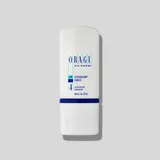
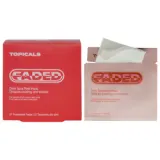
DIBI MilanoFace Perfection Reactivating ScrubYOUR PRODUCTDermExcelDermalyticObagiEXFODERM FORTETopicalsFaded Brightening Peel Pads for Dark Spots, Discoloration & Uneven Skin Tone
Match—49%44%42%
Price—$20.00$101.87$20.00
Shared key ingredients—3 of 123 of 123 of 12
Key difference—Mineral OilGlycolic AcidRetinol
Irritancy Medium Low Low Medium
Drying alcohol————
View product Shop Shop Shop

More alternatives: Bubble Skincare Moon Walk Gentle Exfoliating SerumTricoci Refine Exfoliator

Cheaper alternatives? See how this stacks up against similar formulas.
We compare ingredient profiles across our catalog — pick the closest match for your budget.
Open dupe finder

Product summary

"DIBI Milano - Face Perfection Reactivating Scrub" is effective for: Moisturizing

This product could be helpful for: Anti-aging, but its actives are not the most effective or are not well-studied.

Ingredient callouts

  • Humectants (alanine 0.20% - 0.40%, urea 0.30% - 0.50% and glycerin 2.50% - 3.10%). These ingredients help attract water to the upper layer of the skin and improve the skin hydration.

Price

The product retails for 21.00£ in the United Kingdom.

For a detailed price comparison: click here.

Sources cited in this review

Every concentration estimate and effectiveness label is anchored to one of these 18 studies and safety reviews.

  1. 1
  2. 2
  3. 3
  4. 4
    Propylene Glycolpubmed.ncbi.nlm.nih.gov
  5. 5
  6. 6
DIBI Milano Face Perfection Reactivating Scrub
DIBI MilanoFace Perfection Reactivating Scrub

Affiliate links · As an Amazon Associate, WIMJ earns from qualifying purchases.

As an Amazon Associate, WIMJ earns from qualifying purchases.