Works for:
based on ingredients and %- Moisturizing
- Anti-oxidation
Doesn't work for:
based on ingredients and %- Anti-aging
Can it cause trouble?
- Irritation risk: high
- Comedogenic risk ingredients: 2
Key actives

Moisturizing
What does the product description say?
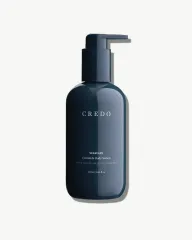
A hydrating body serum for visibly lifted, firm, and moisturized skin.
Source: Credo Beauty
This product can help improve hydration of the skin with the two types of ingredients.
The first type is called “humectants”:
these ingredients help attract water.
When humectants are on the surface of the skin, they “pull in” the moisture from the outside environment, or from
within deeper layers of the skin. The following ingredients in this product do the job:
fructooligosaccharides, glycerin.
This product also contains ingredients called “occlusives”. They help reduce the speed with which our skin loses moisture to the outside environment. These ingredients also help soften the upper layer of the skin, so it feels less tight and nicer to the touch. The following ingredients in this product do the job: ceramide 1, c12-15 alkyl benzoate.
The following ingredients in this product are especially good for supporting the skin barrier and helping with the hydration level: ceramide 1, panthenol
Helps attract water to the upper layer of the skin.
Red algae extract that helps attract water to the upper layer of the skin and might contain antioxidants
Help attract water to the upper layer of the skin
One of the best moisturizing ingredients. Naturally present in skin. It attracts water to the upper layer of the skin working as a humectant
A fermentation product created by bacteria Lactobacillus. The fermented product has anti-bacterial properties and might be helpful in calming down inflammation, but studies are lacking. Helps attract water to the upper layer of the skin. Can be used as a preservative
Helps attract water to the upper layer of the skin and can help improve skin barrier function
A type of lipid similar to ceramides naturally present in skin. Helps to soften the upper layer of the skin and supports the skin barrier function to keep it hydrated. Can help to prevent inflammation in skin
An emollient that helps soften the skin but is not effective for restoring its barrier function. Might be helpful to calm down inflammation
Helps to soften the upper layer of the skin without creating a greasy texture
Enhances the product texture and makes it more spreadable. Helps reduce water loss from the outer layer of skin. Extands the shelf life by preventing bacteria growth
Helps preserve products and creates a nice product texture
Helps soften the upper layer of the skin
An exfoliating and moisturizing alpha-hydroxy acid (AHA). Typically causes less irritation than other AHAs, for example, glycolic acid. At high concentrations (about 15%), lactic acid can help reduce lines and wrinkles. Recent studies show that lactic acid can support the "good" bacteria living on skin's surface (healthy skin microbiome)
Traditionally used to treat sunburns, dermatitis and inflammation, but evidence for its effectiveness is lacking. The extract can contain humectants that help attract water into the skin
Anti-oxidation
This product contains antioxidants (haematococcus pluvialis extract) that might be able to help neutralize free radicals in skin to lessen the damage it gets from the UV light (sun). There is not enough evidence to confirm their effectiveness in skin though.
Green algae extract that might contain antioxidant astaxanthin
Red algae extract that helps attract water to the upper layer of the skin and might contain antioxidants
A fermentation product created by bacteria Lactobacillus. The fermented product has anti-bacterial properties and might be helpful in calming down inflammation, but studies are lacking. Helps attract water to the upper layer of the skin. Can be used as a preservative
A plant extract that might be helpful to neutralize free radicals in skin
A plant extract that is rich in a fragrance compound eugenol that is a frequent allergen and can be irritating. It might also contain anti-oxidants to help neutralize free radicals
Eggplant fruit extract. Might have some anti-oxidant effect
A plant extract that might have some anti-oxidant effect
A plant extract that might have some anti-oxidant effect helping neutralize free radicals in skin
A plant extract that might have some antioxidant properties, but mostly used in cosmetics for its color
Anti-aging
What does the product description say?
The powerhouse body serum not only hydrates and protects its barrier, with the help of red algae extract and microalgae, it also visually gives the appearance of firmer, more lifted skin instantly and overtime.
Source: Credo Beauty
This product does not contain ingredients that are able to reduce fine lines and wrinkles or help with skin elasticity, but it can improve the look of the skin temporarily through moisturization. Well-moisturized skin might also be able to repair the sun damage better.
This ingredient haematococcus pluvialis extract might be able to help neutralize free radicals in skin and help it fight off some of the sun damage.
An exfoliating and moisturizing alpha-hydroxy acid (AHA). Typically causes less irritation than other AHAs, for example, glycolic acid. At high concentrations (about 15%), lactic acid can help reduce lines and wrinkles. Recent studies show that lactic acid can support the "good" bacteria living on skin's surface (healthy skin microbiome)
Traditionally used to treat sunburns, dermatitis and inflammation, but evidence for its effectiveness is lacking. The extract can contain humectants that help attract water into the skin
How honest is this product?
| Promise | Can it deliver? |
|---|---|
| Moisturizing | |
| Anti-aging |
Total Promises Fulfilled score: 75/100.
We receive a small commission for purchases made through these links at no cost for you. Thank you for your support! Learn more
Potential irritants
Comedogenic ingredients
User reviews (0)
Averages from community submissions.
No reviews yet for this product.
Be the first to share your experience!
Tried this product?
Help capture what the ingredient list can't—texture, finish, pilling, scent, and more. Answer what you can, skip the rest.
Takes ~30 seconds.
Reviews are shown in aggregate. No personal details.
Key Actives
A fermentation product created by bacteria Lactobacillus. The fermented product has anti-bacterial properties and might be helpful in calming down inflammation, but studies are lacking. Helps attract water to the upper layer of the skin. Can be used as a preservative
An exfoliating and moisturizing alpha-hydroxy acid (AHA). Typically causes less irritation than other AHAs, for example, glycolic acid. At high concentrations (about 15%), lactic acid can help reduce lines and wrinkles. Recent studies show that lactic acid can support the "good" bacteria living on skin's surface (healthy skin microbiome)
Helps attract water to the upper layer of the skin and can help improve skin barrier function
A type of lipid similar to ceramides naturally present in skin. Helps to soften the upper layer of the skin and supports the skin barrier function to keep it hydrated. Can help to prevent inflammation in skin
A plant extract that has anti-bacterial properties. Can be used to preserve the product. Can be irritating
Red algae extract that helps attract water to the upper layer of the skin and might contain antioxidants
One of the best moisturizing ingredients. Naturally present in skin. It attracts water to the upper layer of the skin working as a humectant
Used to create a gel-like product texture, as well as to stabilize emulsions
Help attract water to the upper layer of the skin
Helps attract water to the upper layer of the skin.
Creates a thin drying film on the skin resulting in a short-term tightening effect
Green algae extract that might contain antioxidant astaxanthin
Potential irritants
An aromatic blend of unspecified and possibly irritating ingredients
A common frangrance that can easily irritate skin, especially if exposed to air, light or heat
A plant extract that has anti-bacterial properties. Can be used to preserve the product. Can be irritating
Creates a thin drying film on the skin resulting in a short-term tightening effect
A plant extract that might have some anti-oxidant effect
A plant extract that can contain an active compound curcumin, that may have some anti-inflammatory properties when applied to the skin, but solid research is lacking and the typical concentration used in skincare products is too low. Can be an irritant
Used as a fragrance. Canbe irritating
A plant extract that is rich in a fragrance compound eugenol that is a frequent allergen and can be irritating. It might also contain anti-oxidants to help neutralize free radicals
A gelling agent that thickens the product consistency and leaves the skin with a velvety finish
An emollient that helps soften the skin but is not effective for restoring its barrier function. Might be helpful to calm down inflammation
Helps preserve products and creates a nice product texture
Traditionally used to treat sunburns, dermatitis and inflammation, but evidence for its effectiveness is lacking. The extract can contain humectants that help attract water into the skin
A plant extract that might have some antioxidant properties, but mostly used in cosmetics for its color
An exfoliating and moisturizing alpha-hydroxy acid (AHA). Typically causes less irritation than other AHAs, for example, glycolic acid. At high concentrations (about 15%), lactic acid can help reduce lines and wrinkles. Recent studies show that lactic acid can support the "good" bacteria living on skin's surface (healthy skin microbiome)
A plant extract that might be helpful to neutralize free radicals in skin
A plant extract that might have some anti-oxidant effect helping neutralize free radicals in skin
Eggplant fruit extract. Might have some anti-oxidant effect
Green algae extract that might contain antioxidant astaxanthin
Cedarwood oil. Used as a fragrance. Can be irritating
Comedogenic ingredients
Red algae extract that helps attract water to the upper layer of the skin and might contain antioxidants
All ingredients
Enhances the product texture and makes it more spreadable. Helps reduce water loss from the outer layer of skin. Extands the shelf life by preventing bacteria growth
One of the best moisturizing ingredients. Naturally present in skin. It attracts water to the upper layer of the skin working as a humectant
Helps to soften the upper layer of the skin without creating a greasy texture
A fermentation product created by bacteria Lactobacillus. The fermented product has anti-bacterial properties and might be helpful in calming down inflammation, but studies are lacking. Helps attract water to the upper layer of the skin. Can be used as a preservative
A gelling agent that thickens the product consistency and leaves the skin with a velvety finish
An aromatic blend of unspecified and possibly irritating ingredients
Used to create a gel-like product texture, as well as to stabilize emulsions
Dissolves other ingredients. It does not have additional skin benefits compared to plain water
An emollient that helps soften the skin but is not effective for restoring its barrier function. Might be helpful to calm down inflammation
Helps preserve products and creates a nice product texture
Help attract water to the upper layer of the skin
Traditionally used to treat sunburns, dermatitis and inflammation, but evidence for its effectiveness is lacking. The extract can contain humectants that help attract water into the skin
A plant extract that might have some antioxidant properties, but mostly used in cosmetics for its color
Helps attract water to the upper layer of the skin and can help improve skin barrier function
A common frangrance that can easily irritate skin, especially if exposed to air, light or heat
Helps to retain moisture by creating a protective barrier on the skin. Rich in fatty acids. Improves product texture and helps with the penetration of other ingredients.
An exfoliating and moisturizing alpha-hydroxy acid (AHA). Typically causes less irritation than other AHAs, for example, glycolic acid. At high concentrations (about 15%), lactic acid can help reduce lines and wrinkles. Recent studies show that lactic acid can support the "good" bacteria living on skin's surface (healthy skin microbiome)
A plant extract that has anti-bacterial properties. Can be used to preserve the product. Can be irritating
A plant extract that might be helpful to neutralize free radicals in skin
Creates a thin drying film on the skin resulting in a short-term tightening effect
Red algae extract that helps attract water to the upper layer of the skin and might contain antioxidants
Acts as a solvent for other ingredients. Speeds up the absorption of other ingredients into the skin
A plant extract that might have some anti-oxidant effect helping neutralize free radicals in skin
A type of lipid similar to ceramides naturally present in skin. Helps to soften the upper layer of the skin and supports the skin barrier function to keep it hydrated. Can help to prevent inflammation in skin
A plant extract that might have some anti-oxidant effect
Eggplant fruit extract. Might have some anti-oxidant effect
A plant extract that can contain an active compound curcumin, that may have some anti-inflammatory properties when applied to the skin, but solid research is lacking and the typical concentration used in skincare products is too low. Can be an irritant
Used as a fragrance. Canbe irritating
A plant extract that is rich in a fragrance compound eugenol that is a frequent allergen and can be irritating. It might also contain anti-oxidants to help neutralize free radicals
Used to stabilize the product formulation and can help absorb oil
Green algae extract that might contain antioxidant astaxanthin
Helps to dissolve other ingredients in a formulation. Slows down the rate of product drying
Cedarwood oil. Used as a fragrance. Can be irritating
Ingredient list view
Water, C12-15 alkyl benzoate, Saccharina latissima extract, Glycerin, Coco-caprylate/caprate, Lactobacillus ferment, Hydroxyethyl acrylate/sodium acryloyldimethyl taurate copolymer, Parfum, Sodium polyacrylate, Sea water, Olea europaea fruit oil, 1,2-hexanediol, Caprylyl glycol, Fructooligosaccharides, Aloe barbadensis leaf juice, Beta vulgaris root extract, C15-23 alkane, C13-14 alkane, Panthenol, Polyglutamic acid, Potassium lactate, Limonene, Hydrogenated lecithin, Lactic acid, Melia azadirachta leaf extract, Melia azadirachta flower extract, Pullulan, Corallina officinalis extract, Linalool, Propanediol, Coccinia indica fruit extract, Ceramide 1, Aloe barbadensis flower extract, Solanum melongena fruit extract, Hydrolyzed rhodophyceae extract, Xanthan gum, Curcuma longa root extract, Ocimum basilicum flower/leaf extract, Ocimum sanctum leaf extract, Maltodextrin, Haematococcus pluvialis extract, Dipropylene glycol, Methyldihydrojasmonate, Unknown, 2,6-dimethyl-7-octen-2-ol, Methylbenzyl acetate, Linalool, Phenylisohexanol, Phenethyl alcohol, Ethylacetoacetate ethylene glycol ketal, Juniperus virginiana oil, Phenoxyethyl isobutyrate, Dodecahydro-tetramethylnaphthofuran, 3-(o-ethylphenyl)-2,2-dimethylpropionaldehyde, Citrus aurantifolia oil, Mentha viridis leaf oil, Dimethylcyclohexylethoxy isobutylpropanoate, Menthone, Unknown, Linalyl acetate, Unknown
- Glycerol and the skin: holistic approach to its origin and functions
- Safety Assessment of Alkyl Esters as Used in Cosmetics
- The effect of probiotics on immune regulation, acne, and photoaging
- Comparison of clinical and histological effects between lactobacillus-fermented Chamaecyparis obtusa and tea tree oil for the treatment of acne: an eight-week double-blind randomized controlled split-face study
- Use of Probiotics for Dermal Applications
- Use of “natural” oils for moisturization: Review of olive, coconut, and sunflower seed oil
- The influence of alkane chain length on the skin irritation potential of 1,2-alkanediols
- Skin moisturizing effects of panthenol-based formulations
- Safety Assessment of Panthenol, Pantothenic Acid, and Derivatives as Used in Cosmetics
- γ‐Polyglutamic Acid Produced by Bacillus Subtilis (Natto): Structural Characteristics, Chemical Properties and Biological Functionalities
- Natural and edible biopolymer poly‐γ‐glutamic acid: synthesis, production, and applications
- Epidermal and dermal effects of topical lactic acid
- Dual Effects of Alpha-Hydroxy Acids on the Skin
- Melia azedarach
- Preliminary and Pharmacological Profile of Melia azedarach L.: An Overview
- Topically Applied Ceramides Interact with the Stratum Corneum Lipid Matrix in Compromised Ex Vivo Skin
- In Vitro antioxidative and anti-inflammatory activities of the ethanol extract of eggplant (Solanum melongena) stalks in macrophage RAW 264.7 cells
- Vaughn, A. R., Branum, A., & Sivamani, R. K. (2016). Effects of Turmeric (Curcuma longa) on Skin Health: A Systematic Review of the Clinical Evidence. Phytotherapy Research, 30(8), 1243–1264. doi:10.1002/ptr.5640
- Effective Inhibition of Skin Cancer, Tyrosinase, and Antioxidative Properties by Astaxanthin and Astaxanthin Esters from the Green Alga Haematococcus pluvialis
- Preliminary Clinical Evaluation of Toxicity and Efficacy of A New Astaxanthin-rich Haematococcus pluvialis Extract
- Astaxanthin in Skin Health, Repair, and Disease: A Comprehensive Review
- Final Report on the Safety Assessment of Phenethyl Alcohol