Works for:
based on ingredients and %- Cleansing
Can it cause trouble?
- Irritation risk: medium
- Comedogenic risk ingredients: 1
Key actives
Works for
Cleansing
What does the product description say?
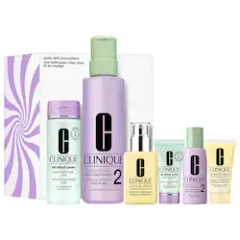
1 oz/ 30 mL All About Clean Liquid Facial Soap (mild formula) .
Source: Sephora
This product works by removing dirt and oil from the surface of the skin. It uses a combination of mild cleansing agents (cocamidopropyl hydroxysultaine, glyceryl stearate, hexylene glycol, lanolin alcohol, lauramidopropyl betaine, laureth-2, peg-120 methyl glucose dioleate, sodium cocoyl sarcosinate, sodium laureth sulfate, tea-cocoyl glutamate, triethanolamine) and should be able to cleanse the skin gently. Still keep in mind that any cleansing can disrupt the skin barrier, and most people do not need to cleanse their skin more than once per day.
Even though this formulation is mild, the following cleansing agents could trigger an irritation or allergy for some people: sodium laureth sulfate
Used to adjust pH of the product and can help improve the product's smell
An emollient that softens the skin and forms a protective layer on its surface. Helps water and oil mix together
Helps create a more spreadable product texture
Helps oil and water mix together. Can be irritating
Works as a foaming cleansing agent
Used as a cleansing agent. Helps water and oil mix together
Helps oil and water mix together and works as an emollient
How honest is this product?
| Promise | Can it deliver? |
|---|---|
| Cleansing |
Total Promises Fulfilled score: 100/100.
We receive a small commission for purchases made through these links at no cost for you. Thank you for your support! Learn more
Affiliate link · supports WIMJ at no cost to you
Potential irritants
Comedogenic ingredients
User reviews (0)
Averages from community submissions.
No reviews yet for this product.
Be the first to share your experience!
Tried this product?
Help capture what the ingredient list can't—texture, finish, pilling, scent, and more. Answer what you can, skip the rest.
Takes ~30 seconds.
Reviews are shown in aggregate. No personal details.
Key Actives
Helps oil and water mix together and works as an emollient
An emollient that softens the skin and forms a protective layer on its surface. Helps water and oil mix together
Naturally present in skin (urea makes up about 7% of natural moisturizing factors in skin). Attracts water to the upper layer of the skin. Also has a positive effect on the skin barrier beyond the humectant action. Can enhance penetration of other ingredients. Is an exfoliating ingredient when used in high concentrations
Helps oil and water mix together. Can be irritating
Works as a foaming cleansing agent
Used as a cleansing agent. Helps water and oil mix together
Can help attract water to the upper layer of the skin. In crystal form, it can work as a gentle exfoliant, gentler than the salt scrub. Helps stabilize the emulsion
Helps create a more spreadable product texture
Mineral oil. One of the most effective and well studied occlusive and emollient moisturizing ingredients. Helps reduce moisture loss in skin and repair skin barrier function
One of the best moisturizing ingredients. Naturally present in skin. It attracts water to the upper layer of the skin working as a humectant
One of the most effective and the most studied occlusive ingredients that creates a protective layer on top of the skin preventing moisture loss
A good moisturizing plant oil. Due to the high linoleic acid content, it helps soften the upper layer of the skin, reduce water loss and support skin barrier function
Used to adjust pH of the product and can help improve the product's smell
One of the best moisturizing ingredients. Attracts water into the upper layer of the skin
Potential irritants
Works as a foaming cleansing agent
Used as a cleansing agent. Helps water and oil mix together
Traditionally used to treat sunburns, dermatitis and inflammation, but evidence for its effectiveness is lacking. The extract can contain humectants that help attract water into the skin
A plant extract that might help calm down inflammation in skin but evidence of effectiveness is lacking
Helps preserve products and creates a nice product texture
Used to improve the product consistency and stabilize formulations
Used to adjust pH of the product and can help improve the product's smell
A plant extract that might have some anti-oxidant properties. Avoid if you are sensitive to gluten
Might be somewhat helpful in reducing hyperpigmentation and neutralizing free radicals but its typical concentration in a product is too low for having an effect
Used to preserve products, dissolve other ingredients and create a nice product texture
Comedogenic ingredients
Works as a foaming cleansing agent
All ingredients
Works as a foaming cleansing agent
Used as a cleansing agent. Helps water and oil mix together
Used to stabilize mixtures of oil and water, and create thicker, gel-like product textures
Used to create a nice product texture and help delivery of other ingredients. Might be somewhat helpful in attracting water to the upper layer of the skin
Traditionally used to treat sunburns, dermatitis and inflammation, but evidence for its effectiveness is lacking. The extract can contain humectants that help attract water into the skin
A plant extract that might help calm down inflammation in skin but evidence of effectiveness is lacking
Can help attract water to the upper layer of the skin. In crystal form, it can work as a gentle exfoliant, gentler than the salt scrub. Helps stabilize the emulsion
Helps soften the upper layer of the skin and create a nice product finish
Helps preserve products and creates a nice product texture
Used to improve the product consistency and stabilize formulations
A preservative. It helps prevent bacterial growth in cosmetic products
Mineral oil. One of the most effective and well studied occlusive and emollient moisturizing ingredients. Helps reduce moisture loss in skin and repair skin barrier function
One of the best moisturizing ingredients. Naturally present in skin. It attracts water to the upper layer of the skin working as a humectant
One of the most effective and the most studied occlusive ingredients that creates a protective layer on top of the skin preventing moisture loss
An emollient that softens the skin and forms a protective layer on its surface. Helps water and oil mix together
A good moisturizing plant oil. Due to the high linoleic acid content, it helps soften the upper layer of the skin, reduce water loss and support skin barrier function
Naturally present in skin (urea makes up about 7% of natural moisturizing factors in skin). Attracts water to the upper layer of the skin. Also has a positive effect on the skin barrier beyond the humectant action. Can enhance penetration of other ingredients. Is an exfoliating ingredient when used in high concentrations
Used to adjust pH of the product and can help improve the product's smell
A plant extract that might have some anti-oxidant properties. Avoid if you are sensitive to gluten
Might be somewhat helpful in reducing hyperpigmentation and neutralizing free radicals but its typical concentration in a product is too low for having an effect
An emollient that helps soften the upper layer of the skin
One of the best moisturizing ingredients. Attracts water into the upper layer of the skin
Used to create a nice product texture and help delivery of other ingredients. Might be somewhat helpful in attracting water to the upper layer of the skin
Used to preserve products, dissolve other ingredients and create a nice product texture
A preservative. It helps prevent bacterial growth in cosmetic products
Ingredient list view
Water, Sodium laureth sulfate, Lauramidopropyl betaine, Cocamidopropyl hydroxysultaine, Sodium chloride, Sodium cocoyl sarcosinate, Tea-cocoyl glutamate, Butylene glycol, Aloe barbadensis leaf juice, Serenoa serrulata fruit extract, Peg-120 methyl glucose dioleate, Sucrose, Menthol, Hexylene glycol, Polyquaternium-7, Laureth-2, Caprylyl glycol, Sodium sulfate, Edta, Disodium edta, Sodium benzoate, Phenoxyethanol, Water, Paraffinum liquidum, Glycerin, Petrolatum, Stearic acid, Glyceryl stearate, Sesamum indicum seed oil, Urea, Lanolin alcohol, Triethanolamine, Hordeum vulgare extract, Cucumis sativus fruit extract, Helianthus annuus seedcake, Propylene glycol dicaprate, Sodium hyaluronate, Butylene glycol, Pentylene glycol, Trisodium edta, Phenoxyethanol, Ci 15985, Ci 19140, Ci 17200
- Surfactants and experimental irritant contact dermatitis
- Saw palmetto extract: A dermatologist's perspective
- Amended Safety Assessment of Sodium Sulfate as Used in Cosmetics
- A review on the extensive skin benefits of mineral oil
- Glycerol and the skin: holistic approach to its origin and functions
- Protein and oil composition of sesame seeds (Sesamum indicum, L.) grown in the Gizan area of Saudi Arabia
- Triglyceride composition of Sesamum indicum seed oil
- Seed oil content and fatty acid composition in East African sesame (Sesamum indicum L.) accessions evaluated over 3 years
- Topical urea in skincare: A review
- Contact Sensitization to Emulsifying Agents: An Underrated Issue?
- Celiac Disease & Skin Care Products
- Preventive and Therapeutic Role of Functional Ingredients of Barley Grass for Chronic Diseases in Human Beings
- Safety Assessment of Helianthus annuus (Sunflower)-Derived Ingredients as Used in Cosmetics
- Hyaluronic acid: A key molecule in skin aging
- Hyaluronan (Hyaluronic Acid): a natural moisturizer for skin care
- Final report on the safety assessment of EDTA, calcium disodium EDTA, diammonium EDTA, dipotassium EDTA, disodium EDTA, TEA-EDTA, tetrasodium EDTA, tripotassium EDTA, trisodium EDTA, HEDTA, and trisodium HEDTA
- Analysis of Dyes in Cosmetics: Challenges and Recent Developments