Works for:
based on ingredients and %- Moisturizing
Doesn't work for:
based on ingredients and %- Anti-aging
Can it cause trouble?
- Irritation risk: high
- Comedogenic risk ingredients: 0
Key actives
Moisturizing
What does the product description say?
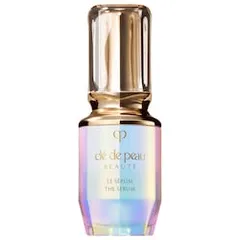
What it is: An essential first step, this mini serum is formulated to hydrate and boost radiance, smoothness, and visible plumpness.
Source: Sephora CA
This product contains good ingredients to attract water to the upper layer of the skin. These ingredients are called "humectants": betaine, diglycerin.
When humectants are on the surface of the skin, they “pull in” the moisture from the outside environment, or from within deeper layers of the skin. If the air is dry, humectants can speed up the moisture loss from the skin. This is why it is a good idea to use another product on top of this one to help "seal in" the moisture (look for ingredients like dimethicone, squalane, oils and butters).
A sugar that attracts water to the upper layer of the skin
Helps attract water to the upper layer of the skin and improves the product texture
Helps attract water to the upper layer of the skin
Helps to attract water to the upper layer of the skin
Helps attract water to the upper layer of the skin
One of the best moisturizing ingredients. Naturally present in skin. It attracts water to the upper layer of the skin working as a humectant
An emollient that helps soften the skin. It also forms a protective on its surface to reduce water loss
A plant extract that might help to attract water to the upper layer of the skin, but it is not well studied. It can be irritating
An emollient that helps create a nice silky finish on the skin
Used to create a nice product texture and help delivery of other ingredients. Might be somewhat helpful in attracting water to the upper layer of the skin
Helps calm down inflammation in skin and can help reduce itching. Helps to repair the skin barrier and keep skin hydrated
A salt derived from licorice. Works as an emollient to soften the upper layer of the skin and can help calm down inflammation. Might be helpful for skin lightening
Pure form of vitamin E. Can help moisturise and protect the skin from free radicals. Often used to help stabilise other ingredients or the formula itself
Anti-aging
What does the product description say?
Organic Lemon Myrtle Extract: Helps with slowing down the visual signs of aging.
Source: Sephora CA
Effective ingredients missing or their concentration is too low.
Pure form of vitamin E. Can help moisturise and protect the skin from free radicals. Often used to help stabilise other ingredients or the formula itself
How honest is this product?
| Promise | Can it deliver? |
|---|---|
| Moisturizing | |
| Anti-aging |
Total Promises Fulfilled score: 37/100.
We receive a small commission for purchases made through these links at no cost for you. Thank you for your support! Learn more
Affiliate link · supports WIMJ at no cost to you
Potential irritants
Comedogenic ingredients
No comedogenic ingredients detected
User reviews (0)
Averages from community submissions.
No reviews yet for this product.
Be the first to share your experience!
Tried this product?
Help capture what the ingredient list can't—texture, finish, pilling, scent, and more. Answer what you can, skip the rest.
Takes ~30 seconds.
Reviews are shown in aggregate. No personal details.
Key Actives
Helps calm down inflammation in skin and can help reduce itching. Helps to repair the skin barrier and keep skin hydrated
A salt derived from licorice. Works as an emollient to soften the upper layer of the skin and can help calm down inflammation. Might be helpful for skin lightening
One of the best moisturizing ingredients. Naturally present in skin. It attracts water to the upper layer of the skin working as a humectant
Helps attract water to the upper layer of the skin and improves the product texture
Helps attract water to the upper layer of the skin
A sugar that attracts water to the upper layer of the skin
Helps to attract water to the upper layer of the skin
Helps attract water to the upper layer of the skin
Used to create a gel-like product texture, as well as to stabilize emulsions
Potential irritants
Produces temporary toning effect. Can help dissolve other ingredients or preserve products
A plant extract that might have antibacterial effect and help neutralize free radicals
Helps oil and water mix together. Can be irritating
A plant extract that might have some anti-inflammatory properties, but solid evidence is lacking. It can be irritating
A plant extract used mostly as a fragrance. Can have some anti-microbial and anti-oxidant properties
A plant extract that might help to attract water to the upper layer of the skin, but it is not well studied. It can be irritating
A fragrance. Potential allergen and can be irritating
A common frangrance that can easily irritate skin, especially if exposed to air, light or heat
An aromatic blend of unspecified and possibly irritating ingredients
Used to stabilize product formulations
A plant extract that might have some anti-oxidant properties, but evidence is lacking
Can work as an exfoliant but is typically used to adjust the product pH
Helps to control the skin's pH level. Maintains the skin's natural film of amino-lactic acids and oils. Helps to preserve products
Comedogenic ingredients
We couldn't find any comedogenic ingredients in this product
All ingredients
Used to create a nice product texture and help delivery of other ingredients. Might be somewhat helpful in attracting water to the upper layer of the skin
One of the best moisturizing ingredients. Naturally present in skin. It attracts water to the upper layer of the skin working as a humectant
Produces temporary toning effect. Can help dissolve other ingredients or preserve products
Helps to dissolve other ingredients in a formulation. Slows down the rate of product drying
An emollient that helps soften the skin. It also forms a protective on its surface to reduce water loss
Helps attract water to the upper layer of the skin and improves the product texture
Used to stabilize product formulations
A salt derived from licorice. Works as an emollient to soften the upper layer of the skin and can help calm down inflammation. Might be helpful for skin lightening
Helps calm down inflammation in skin and can help reduce itching. Helps to repair the skin barrier and keep skin hydrated
An emollient that helps create a nice silky finish on the skin
Used to create a gel-like product texture, as well as to stabilize emulsions
A plant extract that might have some anti-oxidant properties, but evidence is lacking
A plant extract that might have antibacterial effect and help neutralize free radicals
Helps oil and water mix together. Can be irritating
A plant extract that might have some anti-inflammatory properties, but solid evidence is lacking. It can be irritating
A plant extract used mostly as a fragrance. Can have some anti-microbial and anti-oxidant properties
A plant extract that might help to attract water to the upper layer of the skin, but it is not well studied. It can be irritating
Can work as an exfoliant but is typically used to adjust the product pH
Helps to control the skin's pH level. Maintains the skin's natural film of amino-lactic acids and oils. Helps to preserve products
A fragrance. Potential allergen and can be irritating
A common frangrance that can easily irritate skin, especially if exposed to air, light or heat
Pure form of vitamin E. Can help moisturise and protect the skin from free radicals. Often used to help stabilise other ingredients or the formula itself
A preservative. It helps prevent bacterial growth in cosmetic products
An aromatic blend of unspecified and possibly irritating ingredients
Ingredient list view
Water, Butylene glycol, Glycerin, Alcohol denat., Dipropylene glycol, Peg/ppg-14/7 dimethyl ether, Betaine, Diglycerin, Trehalose, Erythritol, Fructose, Xanthan gum, Ammonium acryloyldimethyltaurate/beheneth-25 methacrylate crosspolymer, Dipotassium glycyrrhizate, Allantoin, Polyquaternium-51, Tremella fuciformis polysaccharide, Sodium polyacrylate, Lilium candidum flower extract, Lilium candidum bulb extract, Rosa canina fruit extract, Fagus sylvatica bud extract, Centaurea cyanus flower extract, Eucheuma serra/grateloupia sparsa/saccharina angustata/ulva linza/undaria pinnatifida extract, Panax ginseng root extract, Inositol, Backhousia citriodora leaf extract, Saccharina angustata/undaria pinnatifida extract, Potentilla erecta root extract, Bupleurum falcatum root extract, Ppg-13-decyltetradeceth-24, Citric acid, Sodium citrate, Disodium edta, Hexyl cinnamal, Citronellol, Alpha-isomethyl ionone, Limonene, Linalool, Tocopherol, Phenoxyethanol, Parfum
- Glycerol and the skin: holistic approach to its origin and functions
- Safety Assessment of Acryloyldimethyltaurate Polymers as Used in Cosmetics
- Ameliorating effect of dipotassium glycyrrhizinate on an IL-4- and IL-13-induced atopic dermatitis-like skin-equivalent model
- Final report on the safety assessment of Glycyrrhetinic Acid, Potassium Glycyrrhetinate, Disodium Succinoyl Glycyrrhetinate, Glyceryl Glycyrrhetinate, Glycyrrhetinyl Stearate, Stearyl Glycyrrhetinate, Glycyrrhizic Acid, Ammonium Glycyrrhizate, Dipotassium Glycyrrhizate, Disodium Glycyrrhizate, Trisodium Glycyrrhizate, Methyl Glycyrrhizate, and Potassium Glycyrrhizinate.
- Profile of wound healing process induced by allantoin