Works for:
based on ingredients and %- Moisturizing
Can it cause trouble?
- Irritation risk: high
- Comedogenic risk ingredients: 0
Key actives
Works for
Moisturizing
What does the product description say?
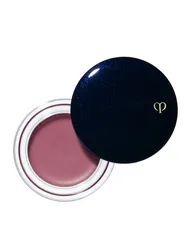
Boasting a formula that won’t travel, crease or clump, the luxuriously moisturising Cream Blush gives a wash of sheer, luminous colour that can be applied with either a finger or a brush – making it ideal for novices and make up artists alike.
Source: Cultbeauty
This product can help improve hydration of the skin with the two types of ingredients.
The first type is called “humectants”:
these ingredients help attract water.
When humectants are on the surface of the skin, they “pull in” the moisture from the outside environment, or from
within deeper layers of the skin. The following ingredients in this product do the job:
cyclomethicone, glycerin.
This product also contains ingredients called “occlusives”. They help reduce the speed with which our skin loses moisture to the outside environment. These ingredients also help soften the upper layer of the skin, so it feels less tight and nicer to the touch. The following ingredients in this product do the job: dimethicone, methicone.
An emollient that helps soften the upper layer of the skin. Might have some weak anti-oxidant properties
A type of silicone that leaves a nice silky finish on the skin and can help soften its upper layer
A silicone that helps to reduce water loss from the surface of the skin. Can temporarily "fill in" lines and wrinkles, absorb oil, and create a nice product finish
One of the best moisturizing ingredients. Naturally present in skin. It attracts water to the upper layer of the skin working as a humectant
An emollient made of jojoba oil. Helps soften the skin and support its barrier function
A type of silicone that helps soften the upper layer of the skin and reduces the water loss from the skin surface
A type of hyaluronic acid that works as an excellent moisturizer by attracting water into the upper layer of the skin. Is typically feels less sticky on the skin compared to the usual hyaluronic acid
One of the best moisturizing ingredients. Attracts water into the upper layer of the skin
A silicone that works to soften the upper layer of the skin and reduce its water loss
Prevents water loss from the skin surface and thickens the product consistency
Pure form of vitamin E. Can help moisturise and protect the skin from free radicals. Often used to help stabilise other ingredients or the formula itself
How honest is this product?
| Promise | Can it deliver? |
|---|---|
| Moisturizing |
Total Promises Fulfilled score: 75/100.
Potential irritants
Comedogenic ingredients
No comedogenic ingredients detected
User reviews (0)
Averages from community submissions.
No reviews yet for this product.
Be the first to share your experience!
Tried this product?
Help capture what the ingredient list can't—texture, finish, pilling, scent, and more. Answer what you can, skip the rest.
Takes ~30 seconds.
Reviews are shown in aggregate. No personal details.
Key Actives
Pure form of vitamin E. Can help moisturise and protect the skin from free radicals. Often used to help stabilise other ingredients or the formula itself
Pure form of vitamin E. Can help moisturise and protect the skin from free radicals. Often used to help stabilise other ingredients or the formula itself
Pure form of vitamin E. Can help moisturise and protect the skin from free radicals. Often used to help stabilise other ingredients or the formula itself
Pure form of vitamin E. Can help moisturise and protect the skin from free radicals. Often used to help stabilise other ingredients or the formula itself
A silicone that helps to reduce water loss from the surface of the skin. Can temporarily "fill in" lines and wrinkles, absorb oil, and create a nice product finish
An emollient that helps soften the upper layer of the skin. Might have some weak anti-oxidant properties
A silicone that helps to reduce water loss from the surface of the skin. Can temporarily "fill in" lines and wrinkles, absorb oil, and create a nice product finish
An emollient that helps soften the upper layer of the skin. Might have some weak anti-oxidant properties
A silicone that helps to reduce water loss from the surface of the skin. Can temporarily "fill in" lines and wrinkles, absorb oil, and create a nice product finish
An emollient that helps soften the upper layer of the skin. Might have some weak anti-oxidant properties
A silicone that helps to reduce water loss from the surface of the skin. Can temporarily "fill in" lines and wrinkles, absorb oil, and create a nice product finish
An emollient that helps soften the upper layer of the skin. Might have some weak anti-oxidant properties
A type of silicone that leaves a nice silky finish on the skin and can help soften its upper layer
An emollient made of jojoba oil. Helps soften the skin and support its barrier function
Works as a UV filter when used in high concentrations. It is photostable and is effective mostly against the UVB light, with some protection in the UVA range. In small concentrations, used for its ability to improve the color of cosmetic products. Is usually well tolerated by the skin
A silicone that works to soften the upper layer of the skin and reduce its water loss
One of the best moisturizing ingredients. Naturally present in skin. It attracts water to the upper layer of the skin working as a humectant
A broad spectrum sunblock (protects from both UVA and UVB rays). Is suitable for most sensitive skins. In small concentrations, can be used as a colorant
A type of hyaluronic acid that works as an excellent moisturizer by attracting water into the upper layer of the skin. Is typically feels less sticky on the skin compared to the usual hyaluronic acid
One of the best moisturizing ingredients. Attracts water into the upper layer of the skin
A type of silicone that helps soften the upper layer of the skin and reduces the water loss from the skin surface
A type of silicone that leaves a nice silky finish on the skin and can help soften its upper layer
An emollient made of jojoba oil. Helps soften the skin and support its barrier function
Works as a UV filter when used in high concentrations. It is photostable and is effective mostly against the UVB light, with some protection in the UVA range. In small concentrations, used for its ability to improve the color of cosmetic products. Is usually well tolerated by the skin
A silicone that works to soften the upper layer of the skin and reduce its water loss
One of the best moisturizing ingredients. Naturally present in skin. It attracts water to the upper layer of the skin working as a humectant
A broad spectrum sunblock (protects from both UVA and UVB rays). Is suitable for most sensitive skins. In small concentrations, can be used as a colorant
A type of hyaluronic acid that works as an excellent moisturizer by attracting water into the upper layer of the skin. Is typically feels less sticky on the skin compared to the usual hyaluronic acid
One of the best moisturizing ingredients. Attracts water into the upper layer of the skin
A type of silicone that helps soften the upper layer of the skin and reduces the water loss from the skin surface
A type of silicone that leaves a nice silky finish on the skin and can help soften its upper layer
An emollient made of jojoba oil. Helps soften the skin and support its barrier function
Works as a UV filter when used in high concentrations. It is photostable and is effective mostly against the UVB light, with some protection in the UVA range. In small concentrations, used for its ability to improve the color of cosmetic products. Is usually well tolerated by the skin
A silicone that works to soften the upper layer of the skin and reduce its water loss
One of the best moisturizing ingredients. Naturally present in skin. It attracts water to the upper layer of the skin working as a humectant
A broad spectrum sunblock (protects from both UVA and UVB rays). Is suitable for most sensitive skins. In small concentrations, can be used as a colorant
A type of hyaluronic acid that works as an excellent moisturizer by attracting water into the upper layer of the skin. Is typically feels less sticky on the skin compared to the usual hyaluronic acid
One of the best moisturizing ingredients. Attracts water into the upper layer of the skin
A type of silicone that helps soften the upper layer of the skin and reduces the water loss from the skin surface
A type of silicone that leaves a nice silky finish on the skin and can help soften its upper layer
Works as a UV filter when used in high concentrations. It is photostable and is effective mostly against the UVB light, with some protection in the UVA range. In small concentrations, used for its ability to improve the color of cosmetic products. Is usually well tolerated by the skin
An emollient made of jojoba oil. Helps soften the skin and support its barrier function
A silicone that works to soften the upper layer of the skin and reduce its water loss
One of the best moisturizing ingredients. Naturally present in skin. It attracts water to the upper layer of the skin working as a humectant
A type of silicone that helps soften the upper layer of the skin and reduces the water loss from the skin surface
A type of hyaluronic acid that works as an excellent moisturizer by attracting water into the upper layer of the skin. Is typically feels less sticky on the skin compared to the usual hyaluronic acid
One of the best moisturizing ingredients. Attracts water into the upper layer of the skin
A broad spectrum sunblock (protects from both UVA and UVB rays). Is suitable for most sensitive skins. In small concentrations, can be used as a colorant
Potential irritants
An aromatic blend of unspecified and possibly irritating ingredients
A fragrance. Can trigger allergic reactions and be irritating
An emollient made of jojoba oil. Helps soften the skin and support its barrier function
An emollient that helps soften the upper layer of the skin. Might have some weak anti-oxidant properties
Comedogenic ingredients
We couldn't find any comedogenic ingredients in this product
All ingredients
A silicone that helps to reduce water loss from the surface of the skin. Can temporarily "fill in" lines and wrinkles, absorb oil, and create a nice product finish
A type of silicone that leaves a nice silky finish on the skin and can help soften its upper layer
Creates an illusion of smoother and more radiant skin tone. Adds shimmer to the skin by reflecting light
A mineral that is used as an optical filter (makes the skin looks nicer through light reflection) and to improve the texture of cosmetic products
Prevents water loss from the skin surface and thickens the product consistency
Used to stabilize product formulations and create a nice product texture
An emollient made of jojoba oil. Helps soften the skin and support its barrier function
An umbrella term for the following three colorants: CI 77491, CI 77492, CI 77499. They might be able to offer some protection against visible light, but the degree of the protection is not clear
Works as a UV filter when used in high concentrations. It is photostable and is effective mostly against the UVB light, with some protection in the UVA range. In small concentrations, used for its ability to improve the color of cosmetic products. Is usually well tolerated by the skin
A silicone that works to soften the upper layer of the skin and reduce its water loss
A type of clay that is used to thicken the product consistency
An emollient that helps soften the upper layer of the skin. Might have some weak anti-oxidant properties
Helps the function of sunscreen and pigment ingredients in the formulation
One of the best moisturizing ingredients. Naturally present in skin. It attracts water to the upper layer of the skin working as a humectant
An aromatic blend of unspecified and possibly irritating ingredients
Pure form of vitamin E. Can help moisturise and protect the skin from free radicals. Often used to help stabilise other ingredients or the formula itself
A broad spectrum sunblock (protects from both UVA and UVB rays). Is suitable for most sensitive skins. In small concentrations, can be used as a colorant
A fragrance. Can trigger allergic reactions and be irritating
An umbrella term for the following three colorants: CI 77491, CI 77492, CI 77499. They might be able to offer some protection against visible light, but the degree of the protection is not clear
An umbrella term for the following three colorants: CI 77491, CI 77492, CI 77499. They might be able to offer some protection against visible light, but the degree of the protection is not clear
A type of hyaluronic acid that works as an excellent moisturizer by attracting water into the upper layer of the skin. Is typically feels less sticky on the skin compared to the usual hyaluronic acid
One of the best moisturizing ingredients. Attracts water into the upper layer of the skin
The same compound that is used safely in dental implants and bone cements. In cosmetics, it is used to improve the consistency of products
A type of silicone that helps soften the upper layer of the skin and reduces the water loss from the skin surface
A silicone that helps to reduce water loss from the surface of the skin. Can temporarily "fill in" lines and wrinkles, absorb oil, and create a nice product finish
A type of silicone that leaves a nice silky finish on the skin and can help soften its upper layer
Creates an illusion of smoother and more radiant skin tone. Adds shimmer to the skin by reflecting light
A mineral that is used as an optical filter (makes the skin looks nicer through light reflection) and to improve the texture of cosmetic products
Prevents water loss from the skin surface and thickens the product consistency
Used to stabilize product formulations and create a nice product texture
An emollient made of jojoba oil. Helps soften the skin and support its barrier function
Works as a UV filter when used in high concentrations. It is photostable and is effective mostly against the UVB light, with some protection in the UVA range. In small concentrations, used for its ability to improve the color of cosmetic products. Is usually well tolerated by the skin
A silicone that works to soften the upper layer of the skin and reduce its water loss
A type of clay that is used to thicken the product consistency
An umbrella term for the following three colorants: CI 77491, CI 77492, CI 77499. They might be able to offer some protection against visible light, but the degree of the protection is not clear
An emollient that helps soften the upper layer of the skin. Might have some weak anti-oxidant properties
Helps the function of sunscreen and pigment ingredients in the formulation
An umbrella term for the following three colorants: CI 77491, CI 77492, CI 77499. They might be able to offer some protection against visible light, but the degree of the protection is not clear
One of the best moisturizing ingredients. Naturally present in skin. It attracts water to the upper layer of the skin working as a humectant
An aromatic blend of unspecified and possibly irritating ingredients
Pure form of vitamin E. Can help moisturise and protect the skin from free radicals. Often used to help stabilise other ingredients or the formula itself
Is used to add opaque (non-transparent) appearance to formulations. Can be used to coat other ingredients for even dispersion. This is a different ingredient compared to the ones used in antipersperants (aluminium chloride and aluminium chlorohydrate)
A broad spectrum sunblock (protects from both UVA and UVB rays). Is suitable for most sensitive skins. In small concentrations, can be used as a colorant
A fragrance. Can trigger allergic reactions and be irritating
An umbrella term for the following three colorants: CI 77491, CI 77492, CI 77499. They might be able to offer some protection against visible light, but the degree of the protection is not clear
A type of hyaluronic acid that works as an excellent moisturizer by attracting water into the upper layer of the skin. Is typically feels less sticky on the skin compared to the usual hyaluronic acid
One of the best moisturizing ingredients. Attracts water into the upper layer of the skin
The same compound that is used safely in dental implants and bone cements. In cosmetics, it is used to improve the consistency of products
A type of silicone that helps soften the upper layer of the skin and reduces the water loss from the skin surface
A silicone that helps to reduce water loss from the surface of the skin. Can temporarily "fill in" lines and wrinkles, absorb oil, and create a nice product finish
A type of silicone that leaves a nice silky finish on the skin and can help soften its upper layer
Creates an illusion of smoother and more radiant skin tone. Adds shimmer to the skin by reflecting light
A mineral that is used as an optical filter (makes the skin looks nicer through light reflection) and to improve the texture of cosmetic products
Prevents water loss from the skin surface and thickens the product consistency
Used to stabilize product formulations and create a nice product texture
An emollient made of jojoba oil. Helps soften the skin and support its barrier function
Works as a UV filter when used in high concentrations. It is photostable and is effective mostly against the UVB light, with some protection in the UVA range. In small concentrations, used for its ability to improve the color of cosmetic products. Is usually well tolerated by the skin
A silicone that works to soften the upper layer of the skin and reduce its water loss
A type of clay that is used to thicken the product consistency
An umbrella term for the following three colorants: CI 77491, CI 77492, CI 77499. They might be able to offer some protection against visible light, but the degree of the protection is not clear
An emollient that helps soften the upper layer of the skin. Might have some weak anti-oxidant properties
Helps the function of sunscreen and pigment ingredients in the formulation
An umbrella term for the following three colorants: CI 77491, CI 77492, CI 77499. They might be able to offer some protection against visible light, but the degree of the protection is not clear
One of the best moisturizing ingredients. Naturally present in skin. It attracts water to the upper layer of the skin working as a humectant
An aromatic blend of unspecified and possibly irritating ingredients
Pure form of vitamin E. Can help moisturise and protect the skin from free radicals. Often used to help stabilise other ingredients or the formula itself
Is used to add opaque (non-transparent) appearance to formulations. Can be used to coat other ingredients for even dispersion. This is a different ingredient compared to the ones used in antipersperants (aluminium chloride and aluminium chlorohydrate)
A broad spectrum sunblock (protects from both UVA and UVB rays). Is suitable for most sensitive skins. In small concentrations, can be used as a colorant
A fragrance. Can trigger allergic reactions and be irritating
An umbrella term for the following three colorants: CI 77491, CI 77492, CI 77499. They might be able to offer some protection against visible light, but the degree of the protection is not clear
A type of hyaluronic acid that works as an excellent moisturizer by attracting water into the upper layer of the skin. Is typically feels less sticky on the skin compared to the usual hyaluronic acid
One of the best moisturizing ingredients. Attracts water into the upper layer of the skin
The same compound that is used safely in dental implants and bone cements. In cosmetics, it is used to improve the consistency of products
A type of silicone that helps soften the upper layer of the skin and reduces the water loss from the skin surface
A silicone that helps to reduce water loss from the surface of the skin. Can temporarily "fill in" lines and wrinkles, absorb oil, and create a nice product finish
A type of silicone that leaves a nice silky finish on the skin and can help soften its upper layer
Creates an illusion of smoother and more radiant skin tone. Adds shimmer to the skin by reflecting light
A mineral that is used as an optical filter (makes the skin looks nicer through light reflection) and to improve the texture of cosmetic products
Prevents water loss from the skin surface and thickens the product consistency
Works as a UV filter when used in high concentrations. It is photostable and is effective mostly against the UVB light, with some protection in the UVA range. In small concentrations, used for its ability to improve the color of cosmetic products. Is usually well tolerated by the skin
Used to stabilize product formulations and create a nice product texture
An emollient made of jojoba oil. Helps soften the skin and support its barrier function
An umbrella term for the following three colorants: CI 77491, CI 77492, CI 77499. They might be able to offer some protection against visible light, but the degree of the protection is not clear
An umbrella term for the following three colorants: CI 77491, CI 77492, CI 77499. They might be able to offer some protection against visible light, but the degree of the protection is not clear
A silicone that works to soften the upper layer of the skin and reduce its water loss
A type of clay that is used to thicken the product consistency
An umbrella term for the following three colorants: CI 77491, CI 77492, CI 77499. They might be able to offer some protection against visible light, but the degree of the protection is not clear
An emollient that helps soften the upper layer of the skin. Might have some weak anti-oxidant properties
Helps the function of sunscreen and pigment ingredients in the formulation
One of the best moisturizing ingredients. Naturally present in skin. It attracts water to the upper layer of the skin working as a humectant
Is used to add opaque (non-transparent) appearance to formulations. Can be used to coat other ingredients for even dispersion. This is a different ingredient compared to the ones used in antipersperants (aluminium chloride and aluminium chlorohydrate)
An aromatic blend of unspecified and possibly irritating ingredients
Pure form of vitamin E. Can help moisturise and protect the skin from free radicals. Often used to help stabilise other ingredients or the formula itself
A type of silicone that helps soften the upper layer of the skin and reduces the water loss from the skin surface
A fragrance. Can trigger allergic reactions and be irritating
A type of hyaluronic acid that works as an excellent moisturizer by attracting water into the upper layer of the skin. Is typically feels less sticky on the skin compared to the usual hyaluronic acid
One of the best moisturizing ingredients. Attracts water into the upper layer of the skin
The same compound that is used safely in dental implants and bone cements. In cosmetics, it is used to improve the consistency of products
A broad spectrum sunblock (protects from both UVA and UVB rays). Is suitable for most sensitive skins. In small concentrations, can be used as a colorant
Ingredient list view
Dimethicone, Cyclomethicone, Mica, Synthetic fluorphlogopite, Paraffin, Dimethicone/vinyl dimethicone crosspolymer, Jojoba esters, Iron oxides, Sorbitan sesquiisostearate, Titanium dioxide, Unknown, Peg-10 dimethicone, Disteardimonium hectorite, Microcrystalline wax, Ultramarines, Sodium magnesium silicate, Calcium aluminum borosilicate, Argania spinosa kernel oil, Peg/ppg-36/41 dimethyl ether, Talc, Hydrogen dimethicone, Glycerin, Parfum, Polysilicone-2, Tocopherol, Mortierella oil, Zinc oxide, Citronellol, Geraniol, Barium sulfate, Linalool, Butylphenyl methylpropional, Iron oxides, Iron oxides, Bht, Sodium acetylated hyaluronate, Sodium hyaluronate, Silica, Alumina, Methicone, Tetradecene, Dimethicone, Cyclomethicone, Mica, Synthetic fluorphlogopite, Paraffin, Dimethicone/vinyl dimethicone crosspolymer, Jojoba esters, Titanium dioxide, Sorbitan sesquiisostearate, Unknown, Peg-10 dimethicone, Disteardimonium hectorite, Microcrystalline wax, Sodium magnesium silicate, Iron oxides, Calcium aluminum borosilicate, Argania spinosa kernel oil, Peg/ppg-36/41 dimethyl ether, Hydrogen dimethicone, Iron oxides, Glycerin, Ultramarines, Parfum, Tocopherol, Aluminum hydroxide, Polysilicone-2, Mortierella oil, Citronellol, Geraniol, Barium sulfate, Linalool, Zinc oxide, Butylphenyl methylpropional, Iron oxides, Bht, Sodium acetylated hyaluronate, Sodium hyaluronate, Silica, Alumina, Methicone, Tetradecene, Ci 19140, Dimethicone, Cyclomethicone, Mica, Synthetic fluorphlogopite, Paraffin, Dimethicone/vinyl dimethicone crosspolymer, Jojoba esters, Titanium dioxide, Sorbitan sesquiisostearate, Unknown, Peg-10 dimethicone, Disteardimonium hectorite, Microcrystalline wax, Sodium magnesium silicate, Iron oxides, Calcium aluminum borosilicate, Argania spinosa kernel oil, Peg/ppg-36/41 dimethyl ether, Hydrogen dimethicone, Iron oxides, Glycerin, Ultramarines, Parfum, Tocopherol, Aluminum hydroxide, Polysilicone-2, Mortierella oil, Citronellol, Geraniol, Barium sulfate, Linalool, Zinc oxide, Butylphenyl methylpropional, Iron oxides, Bht, Sodium acetylated hyaluronate, Sodium hyaluronate, Silica, Alumina, Methicone, Tetradecene, Ci 19140, Dimethicone, Cyclomethicone, Mica, Synthetic fluorphlogopite, Paraffin, Titanium dioxide, Dimethicone/vinyl dimethicone crosspolymer, Jojoba esters, Sorbitan sesquiisostearate, Iron oxides, Iron oxides, Peg-10 dimethicone, Disteardimonium hectorite, Microcrystalline wax, Silica, Iron oxides, Unknown, Sodium magnesium silicate, Talc, Calcium aluminum borosilicate, Argania spinosa kernel oil, Peg/ppg-36/41 dimethyl ether, Hydrogen dimethicone, Glycerin, Polysilicone-2, Aluminum hydroxide, Parfum, Tocopherol, Mortierella oil, Methicone, Tetradecene, Citronellol, Geraniol, Barium sulfate, Linalool, Butylphenyl methylpropional, Ultramarines, Bht, Sodium acetylated hyaluronate, Sodium hyaluronate, Alumina, Zinc oxide
- Dimethicone as a protective ingredient in topical medications
- Final Report on the Safety Assessment of Dimethicone Copolyol
- Safety Assessment of Borosilicate Glasses as Used in Cosmetics
- Natural vegetable fats in the prevention of irritant contact dermatitis
- Glycerol and the skin: holistic approach to its origin and functions
- Vitamin E in dermatology
- Vitamin E and Skin Health
- A review of inorganic UV filters zinc oxide and titanium dioxide
- Risk assessment of zinc oxide, a cosmetic ingredient used as a UV filter of sunscreens
- Characterization of the UVA protection provided by avobenzone, zinc oxide, and titanium dioxide in broad-spectrum sunscreen products
- Ultraviolet Protection Properties of Commercial Sunscreens and Sunscreens Containing Zno Nanorods
- ZnO nanoparticles and organic chemical UV-filters are equally well tolerated by human immune cells
- Annex I: Clinical evidence regarding sensitisation to individual fragrance chemicals and to natural extracts
- Acetylated Hyaluronic Acid: Enhanced Bioavailability and Biological Studies
- Hyaluronic acid: A key molecule in skin aging
- Hyaluronan (Hyaluronic Acid): a natural moisturizer for skin care
- Safety Assessment of Alumina and Aluminum Hydroxide as Used in Cosmetics
- Analysis of Dyes in Cosmetics: Challenges and Recent Developments