Works for:
based on ingredients and %- Cleansing
Doesn't work for:
based on ingredients and %- Exfoliation
Can it cause trouble?
- Irritation risk: high
- Comedogenic risk ingredients: 3
Key actives
Cleansing
What does the product description say?
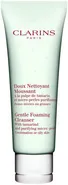
Gentle Foaming Cleanser with Tamarind For Combination to Oily Skin
Source: From product name
This product works by removing dirt and oil from the surface of the skin. It uses a combination of mild cleansing agents (glyceryl behenate, glycol distearate, hydroxypropyl methylcellulose, lauric acid, myristic acid, sodium lauroyl sarcosinate, stearic acid, tipa-laureth sulfate) and should be able to cleanse the skin gently. Still keep in mind that any cleansing can disrupt the skin barrier, and most people do not need to cleanse their skin more than once per day.
Used to create a thicker product consistency and help soften the upper layer of the skin
Helps water and oil mix together
Used to create a thicker product consistency and stabilize the formulation
Helps water and oil mix together. Has anti-bacterial properties that might be helpful in preventing blemishes
Helps oil and water mix together. Could be comedogenic
Helps oil and water mix together and works as a cleansing agent
Helps oil and water mix together and works as an emollient
Exfoliation
What does the product description say?
Clarins Gentle Foaming Cleanser with Tamarind For Combination to Oily Skin is a pore-refining cleanser-with gentle tamarind fruit acids-that removes impurities, trapped make-up, excess oils and dead surface cells, promoting a clean, shine-free complexion.
Source: Ulta
This product might help exfoliate the skin with tartaric acid, but This ingredient is not the most effective.
An AHA (alpha-hydroxy acid). It oxidizes quickly which makes it less effective in skincare formulations. It can support skin's barrier and moisture levels
How honest is this product?
| Promise | Can it deliver? |
|---|---|
| Cleansing | |
| Exfoliation |
Total Promises Fulfilled score: 75/100.
Potential irritants
Comedogenic ingredients
User reviews (0)
Averages from community submissions.
No reviews yet for this product.
Be the first to share your experience!
Tried this product?
Help capture what the ingredient list can't—texture, finish, pilling, scent, and more. Answer what you can, skip the rest.
Takes ~30 seconds.
Reviews are shown in aggregate. No personal details.
Key Actives
Helps water and oil mix together. Has anti-bacterial properties that might be helpful in preventing blemishes
An AHA (alpha-hydroxy acid). It oxidizes quickly which makes it less effective in skincare formulations. It can support skin's barrier and moisture levels
Helps oil and water mix together and works as an emollient
A silicone that helps to reduce water loss from the surface of the skin. Can temporarily "fill in" lines and wrinkles, absorb oil, and create a nice product finish
One of the best moisturizing ingredients. Naturally present in skin. It attracts water to the upper layer of the skin working as a humectant
Helps oil and water mix together. Could be comedogenic
Helps oil and water mix together and works as a cleansing agent
Used to create a thicker product consistency and help soften the upper layer of the skin
Helps to attract water to the upper layer of the skin
Helps attract water to the upper layer of the skin
Used to create a thicker product consistency and stabilize the formulation
A non-living ingredient made by fermentation with the bacteria Lactobacillus. It can help attract water to the upper layer of the skin and might help reduce inflammation
Works as a UV filter when used in high concentrations. It is photostable and is effective mostly against the UVB light, with some protection in the UVA range. In small concentrations, used for its ability to improve the color of cosmetic products. Is usually well tolerated by the skin
Potential irritants
An aromatic blend of unspecified and possibly irritating ingredients
Helps oil and water mix together and can enhance the penetration of other ingredients into the skin. It can be irritating
A plant extract that helps attract water to the upper layer of the skin and might have some anti-oxidant properties
A plant extract that might have antioxidant and anti-inflammatory effect in skin but solid evidence is lacking
A preservative. Is a frequent allergen in cosmetics
A fragrance. Can trigger allergic reactions and be irritating
A common frangrance that can easily irritate skin, especially if exposed to air, light or heat
Helps oil and water mix together. Could be comedogenic
Helps water and oil mix together. Has anti-bacterial properties that might be helpful in preventing blemishes
Helps oil and water mix together and works as a cleansing agent
Used to thicken the product's consistency
Used to create a thicker product consistency and help soften the upper layer of the skin
The salt of salicylic acid. Helps exfoliate the upper layer of the skin. Can also work to preserve cosmetic products
An AHA (alpha-hydroxy acid). It oxidizes quickly which makes it less effective in skincare formulations. It can support skin's barrier and moisture levels
Used to create a thicker product consistency and stabilize the formulation
Comedogenic ingredients
Helps oil and water mix together. Could be comedogenic
Helps water and oil mix together. Has anti-bacterial properties that might be helpful in preventing blemishes
All ingredients
One of the best moisturizing ingredients. Naturally present in skin. It attracts water to the upper layer of the skin working as a humectant
Helps oil and water mix together. Could be comedogenic
Helps water and oil mix together. Has anti-bacterial properties that might be helpful in preventing blemishes
Helps oil and water mix together and works as a cleansing agent
Used to thicken the product's consistency
Used to create a thicker product consistency and help soften the upper layer of the skin
An aromatic blend of unspecified and possibly irritating ingredients
A silicone that helps to reduce water loss from the surface of the skin. Can temporarily "fill in" lines and wrinkles, absorb oil, and create a nice product finish
Helps oil and water mix together and can enhance the penetration of other ingredients into the skin. It can be irritating
Can be used to help absorb oil as well as add volume and imporve texture of products.
Helps attract water to the upper layer of the skin
A plant extract that helps attract water to the upper layer of the skin and might have some anti-oxidant properties
The salt of salicylic acid. Helps exfoliate the upper layer of the skin. Can also work to preserve cosmetic products
An AHA (alpha-hydroxy acid). It oxidizes quickly which makes it less effective in skincare formulations. It can support skin's barrier and moisture levels
Used to stabilize the product formulation and can help absorb oil
A plant extract that might have antioxidant and anti-inflammatory effect in skin but solid evidence is lacking
Used to create a thicker product consistency and stabilize the formulation
A non-living ingredient made by fermentation with the bacteria Lactobacillus. It can help attract water to the upper layer of the skin and might help reduce inflammation
A preservative. Is a frequent allergen in cosmetics
A fragrance. Can trigger allergic reactions and be irritating
A common frangrance that can easily irritate skin, especially if exposed to air, light or heat
Works as a UV filter when used in high concentrations. It is photostable and is effective mostly against the UVB light, with some protection in the UVA range. In small concentrations, used for its ability to improve the color of cosmetic products. Is usually well tolerated by the skin
Ingredient list view
Water, Glycerin, Stearic acid, Myristic acid, Potassium hydroxide, Glycol distearate, Lauric acid, Sodium lauroyl sarcosinate, Tipa-laureth sulfate, Aluminum starch octenylsuccinate, Glyceryl behenate, Ozokerite, Parfum, Dimethicone, Mannitol, Propylene glycol, Cellulose, Tetrasodium edta, Alpha-glucan oligosaccharide, Polymnia sonchifolia root juice, Sodium salicylate, Tartaric acid, Maltodextrin, Tamarindus indica extract, Acrylates/ammonium methacrylate copolymer, Triethyl citrate, Gossypium herbaceum seed extract, Hydroxypropyl methylcellulose, Gypsophila paniculata root extract, Lactobacillus, Potassium sorbate, Methylchloroisothiazolinone, Methylisothiazolinone, Sorbic acid, Bht, Benzyl salicylate, Butylphenyl methylpropional, Limonene, Linalool, Ci 77891, Titanium dioxide, Ci 77007, Ultramarines
- Glycerol and the skin: holistic approach to its origin and functions
- The fatty acid profile of the skin surface lipid layer in papulopustular rosacea
- Dimethicone as a protective ingredient in topical medications
- Final Report on the Safety Assessment of Dimethicone Copolyol
- Surfactants and experimental irritant contact dermatitis
- Propylene Glycol
- Skin-sensitizing and irritant properties of propylene glycol
- Three clinical studies showing the anti-aging benefits of sodium salicylate in human skin
- Control of keratinization with á-hydroxy acids and related compounds: I. Topical treatment of ichthyotic disorders
- Dual Effects of Alpha-Hydroxy Acids on the Skin
- Method of treating wrinkles using tartaric acid
- Impact of the condition of storage of tartaric acid solutions on the production and stability of glyoxylic acid
- Fabrication of Tamarindus indica seeds extract loaded-cream for photo-aged skin: Visioscan® studies
- The Efficacy of Combined Herbal Extracts Gel Preparation in the Prevention of Postsurgical Hypertrophic Scar Formation
- Anti-inflammatory and analgesic potential of Tamarindus indica Linn. (Fabaceae): a narrative review
- Citric Acid, Inorganic Citrate Salts and Alkyl Citrate Esters As Used in Cosmetics
- Methylisothiazolinone contact allergy: a review