Works for:
based on ingredients and %- Cleansing
Can it cause trouble?
- Irritation risk: high
- Comedogenic risk ingredients: 0
Key actives

Works for
Cleansing
What does the product description say?
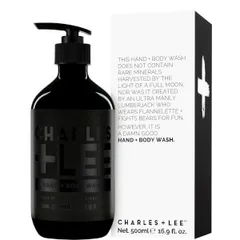
Hand and Body Wash
Source: Recreate Yourself
This product works by removing dirt and oil from the surface of the skin. It uses a combination of mild cleansing agents (sodium cocoyl glutamate, sodium lauroamphoacetate) and should be able to cleanse the skin gently. Still keep in mind that any cleansing can disrupt the skin barrier, and most people do not need to cleanse their skin more than once per day.
Helps oil and water mix together
How honest is this product?
| Promise | Can it deliver? |
|---|---|
| Cleansing |
Total Promises Fulfilled score: 100/100.
We receive a small commission for purchases made through these links at no cost for you. Thank you for your support! Learn more
Potential irritants
Comedogenic ingredients
No comedogenic ingredients detected
User reviews (0)
Averages from community submissions.
No reviews yet for this product.
Be the first to share your experience!
Tried this product?
Help capture what the ingredient list can't—texture, finish, pilling, scent, and more. Answer what you can, skip the rest.
Takes ~30 seconds.
Reviews are shown in aggregate. No personal details.
Key Actives
Can contain potent anti-oxidant compounds (abbreviated ECG, GCG, EGC, and EGCG) that might help protect the skin from free radicals. Can help calm down inflammation and has some anti-bacterial properties. Unfortunately, these antioxidants are unstable and lose their effectiveness very quickly in products. The concentration of the antioxidant compounds in the extract also tends to be low to be effective in topical formulation
An emollient. Can be helpful for restoring skin barrier function.
Helps oil and water mix together
An emollient that helps soften the skin and could be helpful in repairing its barrier function
Softens the upper layer of skin and helps restore the healthy skin barrier. Has shown to help calm down inflammation in skin. It is a stable oil, meaning that it retains its properties even when exposed to air.
Helps oil and water mix together
One of the best moisturizing ingredients. Naturally present in skin. It attracts water to the upper layer of the skin working as a humectant
An emollient that helps soften the skin and could be helpful in repairing its barrier function
Softens the upper layer of skin and helps restore the healthy skin barrier. Has shown to help calm down inflammation in skin. It is a stable oil, meaning that it retains its properties even when exposed to air.
Potential irritants
A plant extract that can be irritating. It might contain a compound anthocyanin that could be helpful in neutralizing free radicals
An aromatic blend of unspecified and possibly irritating ingredients
A preservative. Can be used to mask unpleasant smell. Can be irritating
Fragrance with sweet balsamic smell. Help to preserve products and dissolve other ingredients. Could trigger allergic reactions and be irritating
A common frangrance that can easily irritate skin, especially if exposed to air, light or heat
An essential oil that is used as a fragrance and can be irritating. It might have some anti-oxidant effect in skin
An emollient that helps soften the skin and could be helpful in repairing its barrier function
Softens the upper layer of skin and helps restore the healthy skin barrier. Has shown to help calm down inflammation in skin. It is a stable oil, meaning that it retains its properties even when exposed to air.
Can work as an exfoliant but is typically used to adjust the product pH
Can help attract water to the upper layer of the skin. Avoid if sensitive to gluten
An emollient. Can be helpful for restoring skin barrier function.
Comedogenic ingredients
We couldn't find any comedogenic ingredients in this product
All ingredients
An emollient that helps soften the skin and could be helpful in repairing its barrier function
Softens the upper layer of skin and helps restore the healthy skin barrier. Has shown to help calm down inflammation in skin. It is a stable oil, meaning that it retains its properties even when exposed to air.
A plant oil rich in linoleic acid. Can help soften the upper layer of the skin and support the barrier function
A plant extract that can be irritating. It might contain a compound anthocyanin that could be helpful in neutralizing free radicals
An aromatic blend of unspecified and possibly irritating ingredients
A preservative. Can be used to mask unpleasant smell. Can be irritating
Fragrance with sweet balsamic smell. Help to preserve products and dissolve other ingredients. Could trigger allergic reactions and be irritating
A common frangrance that can easily irritate skin, especially if exposed to air, light or heat
Can work as an exfoliant but is typically used to adjust the product pH
One of the best moisturizing ingredients. Naturally present in skin. It attracts water to the upper layer of the skin working as a humectant
A preservative. It helps prevent bacterial growth in cosmetic products
Helps water and oil mix together and create a nice product texture
Can help attract water to the upper layer of the skin. Avoid if sensitive to gluten
An emollient that helps soften the skin and could be helpful in repairing its barrier function
Softens the upper layer of skin and helps restore the healthy skin barrier. Has shown to help calm down inflammation in skin. It is a stable oil, meaning that it retains its properties even when exposed to air.
An essential oil that is used as a fragrance and can be irritating. It might have some anti-oxidant effect in skin
Can contain potent anti-oxidant compounds (abbreviated ECG, GCG, EGC, and EGCG) that might help protect the skin from free radicals. Can help calm down inflammation and has some anti-bacterial properties. Unfortunately, these antioxidants are unstable and lose their effectiveness very quickly in products. The concentration of the antioxidant compounds in the extract also tends to be low to be effective in topical formulation
An emollient. Can be helpful for restoring skin barrier function.
An aromatic blend of unspecified and possibly irritating ingredients
A common frangrance that can easily irritate skin, especially if exposed to air, light or heat
Ingredient list view
Water, Unknown, Sodium cocoyl glutamate, Sodium lauroamphoacetate, Wheat germamidopropyldimonium hydroxypropyl hydrolyzed wheat protein, Sodium hydroxymethylglycinate, Persea gratissima oil, Simmondsia chinensis seed oil, Phormium tenax seed oil, Hibiscus sabdariffa flower extract, Ribes nigrum seed extract, Sodium benzoate, Sodium formate, Parfum, Amyl cinnamal, Benzyl alcohol, Benzyl benzoate, Cinnamyl alcohol, Citral, Citronellol, Eugenol, Geraniol, Hexyl cinnamal, Linalool, Limonene, Water, Sodium cocoyl glutamate, Citric acid, Sodium lauroamphoacetate, Glycerin, Phenoxyethanol, Guar hydroxypropyltrimonium chloride, Hydrolyzed wheat protein, Potassium sorbate, Persea gratissima oil, Simmondsia chinensis seed oil, Unknown, Phormium tenax extract, Actinidia chinensis seed oil, Anthemis nobilis flower oil, Carum petroselinum seed oil, Camellia sinensis leaf extract, Ribes nigrum seed oil, Parfum, Citral, Limonene, Linalool
- Safety Assessment of Amino Acid Alkyl Amides as Used in Cosmetics
- Irritant and sensitizing potential of eight surfactants commonly used in skin cleansers: an evaluation of 105 patients
- Harakeke (Phormium tenax) seed oil
- Anthocyanin-rich extract from Hibiscus sabdariffa calyx counteracts UVC-caused impairments in rats
- Hibiscus sabdariffa L. – A phytochemical and pharmacological review
- Liposome-containing Hibiscus sabdariffa calyx extract formulations with increased antioxidant activity, improved dermal penetration and reduced dermal toxicity
- Annex I: Clinical evidence regarding sensitisation to individual fragrance chemicals and to natural extracts
- Glycerol and the skin: holistic approach to its origin and functions
- Final Report on On the Safety Assessment of Galactomannans As Used in Cosmetics
- Wheat in skin care
- Safety Assessment of Anthemis nobilis– Derived Ingredients as Used in Cosmetics