Works for:
based on ingredients and %- Moisturizing
- Anti-oxidation
Can it cause trouble?
- Irritation risk: high
- Comedogenic risk ingredients: 0
Key actives
Works for
Anti-oxidation
This product contains antioxidants (camellia japonica flower extract) that might be able to help neutralize free radicals in skin to lessen the damage it gets from the UV light (sun). There is not enough evidence to confirm their effectiveness in skin though.
A plant extract that might help neutralize free radicals in skin
A plant extract that can contain an irritating essential oil. Might have some anti-oxidant effect, but evidence is lacking
Pure form of vitamin E. Can help moisturise and protect the skin from free radicals. Often used to help stabilise other ingredients or the formula itself
Moisturizing
What does the product description say?
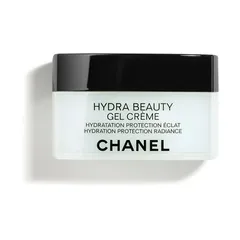
Hydra Beauty Gel Creme Hydration Protection Radiance
Source: From product name
This product can help improve hydration of the skin with the two types of ingredients.
The first type is called “humectants”:
these ingredients help attract water.
When humectants are on the surface of the skin, they “pull in” the moisture from the outside environment, or from
within deeper layers of the skin. The following ingredients in this product do the job:
arginine, diglycerin.
This product also contains ingredients called “occlusives”. They help reduce the speed with which our skin loses moisture to the outside environment. These ingredients also help soften the upper layer of the skin, so it feels less tight and nicer to the touch. The following ingredients in this product do the job: arginine, c13-16 isoparaffin.
Helps to attract water to the upper layer of the skin
Is mostly used to dissolve other ingredients. Helps soften the upper layer of the skin. It might be comedogenic when used in high concentrations
One of the best moisturizing ingredients. Attracts water into the upper layer of the skin
Naturally present in skin and helps to attract water to its upper layer
Helps attract water to the upper layer of the skin
One of the best moisturizing ingredients. Naturally present in skin. It attracts water to the upper layer of the skin working as a humectant
An amino acid that is naturally present in skin and helps keep it hydrated. When used together with AHAs, it can reduce their irritating effect on the skin
Used to improve the product consistency and soften the upper layer of the skin
Used to create a nice product texture and help delivery of other ingredients. Might be somewhat helpful in attracting water to the upper layer of the skin
Helps preserve products and creates a nice product texture
Helps oil and water mix together and can enhance the penetration of other ingredients into the skin. It can be irritating
Pure form of vitamin E. Can help moisturise and protect the skin from free radicals. Often used to help stabilise other ingredients or the formula itself
How honest is this product?
| Promise | Can it deliver? |
|---|---|
| Moisturizing |
Total Promises Fulfilled score: 75/100.
We receive a small commission for purchases made through these links at no cost for you. Thank you for your support! Learn more
Affiliate link · supports WIMJ at no cost to you
Potential irritants
Comedogenic ingredients
No comedogenic ingredients detected
User reviews (0)
Averages from community submissions.
No reviews yet for this product.
Be the first to share your experience!
Tried this product?
Help capture what the ingredient list can't—texture, finish, pilling, scent, and more. Answer what you can, skip the rest.
Takes ~30 seconds.
Reviews are shown in aggregate. No personal details.
Key Actives
One of the best moisturizing ingredients. Naturally present in skin. It attracts water to the upper layer of the skin working as a humectant
Helps attract water to the upper layer of the skin
Helps thicken the product consistency
Is mostly used to dissolve other ingredients. Helps soften the upper layer of the skin. It might be comedogenic when used in high concentrations
A plant extract that might help neutralize free radicals in skin
Naturally present in skin and helps to attract water to its upper layer
An amino acid that is naturally present in skin and helps keep it hydrated. When used together with AHAs, it can reduce their irritating effect on the skin
Helps to attract water to the upper layer of the skin
One of the best moisturizing ingredients. Attracts water into the upper layer of the skin
Potential irritants
Can be drying and contribute to skin irritation. Used in formulars to dissolve other ingredients, create a thinner product consistency or for its antibacterial properties
A plant extract that can contain an irritating essential oil. Might have some anti-oxidant effect, but evidence is lacking
A plant extract that might help neutralize free radicals in skin
An aromatic blend of unspecified and possibly irritating ingredients
Helps oil and water mix together and can enhance the penetration of other ingredients into the skin. It can be irritating
Helps preserve products and creates a nice product texture
Helps create a nice product texture. It can be an allergen. It can cause skin irritation when acrylate monomer residue has not been removed during the ingredient manufacturing process. Most reputable cosmetic manufacturers used the purified version of this ingredient that is not irritating
An alpha-hydroxy acid (AHA), but is mostly used to stabilize product formulations in cosmetics
Helps to control the skin's pH level. Maintains the skin's natural film of amino-lactic acids and oils. Helps to preserve products
Comedogenic ingredients
We couldn't find any comedogenic ingredients in this product
All ingredients
One of the best moisturizing ingredients. Naturally present in skin. It attracts water to the upper layer of the skin working as a humectant
Can be drying and contribute to skin irritation. Used in formulars to dissolve other ingredients, create a thinner product consistency or for its antibacterial properties
Used to improve the product consistency and soften the upper layer of the skin
Is mostly used to dissolve other ingredients. Helps soften the upper layer of the skin. It might be comedogenic when used in high concentrations
Increases thickness of a product. Texture enhancer for oil-in-water emulsions
A plant extract that can contain an irritating essential oil. Might have some anti-oxidant effect, but evidence is lacking
A plant extract that might help neutralize free radicals in skin
Used to create a nice product texture and help delivery of other ingredients. Might be somewhat helpful in attracting water to the upper layer of the skin
Naturally present in skin and helps to attract water to its upper layer
An aromatic blend of unspecified and possibly irritating ingredients
Helps preserve products and creates a nice product texture
An amino acid that is naturally present in skin and helps keep it hydrated. When used together with AHAs, it can reduce their irritating effect on the skin
Helps create a nice product texture. It can be an allergen. It can cause skin irritation when acrylate monomer residue has not been removed during the ingredient manufacturing process. Most reputable cosmetic manufacturers used the purified version of this ingredient that is not irritating
A preservative. It helps prevent bacterial growth in cosmetic products
Helps oil and water mix together and can enhance the penetration of other ingredients into the skin. It can be irritating
One of the best moisturizing ingredients. Attracts water into the upper layer of the skin
An alpha-hydroxy acid (AHA), but is mostly used to stabilize product formulations in cosmetics
Helps to control the skin's pH level. Maintains the skin's natural film of amino-lactic acids and oils. Helps to preserve products
Pure form of vitamin E. Can help moisturise and protect the skin from free radicals. Often used to help stabilise other ingredients or the formula itself
Ingredient list view
Water, Glycerin, Alcohol, Hydrogenated polyisobutene, Diglycerin, Methyl methacrylate crosspolymer, C13-16 isoparaffin, Ammonium acryloyldimethyltaurate/vp copolymer, Zingiber officinale root extract, Camellia japonica flower extract, Butylene glycol, Sodium pca, Parfum, Caprylyl glycol, Arginine, Sodium acrylates/c10-30 alkyl acrylate crosspolymer, Phenoxyethanol, Polyglycerin-3, Propylene glycol, Sodium carbomer, Peg-12, Sodium hyaluronate, Phytic acid, Sodium citrate, Sodium benzoate, Tocopherol
- Glycerol and the skin: holistic approach to its origin and functions
- Final report of the cosmetic ingredient review expert panel on the safety assessment of Polyisobutene and Hydrogenated Polyisobutene as used in cosmetics
- Safety Assessment of Isoparaffins as Used in Cosmetics
- Some phytochemical, pharmacological and toxicological properties of ginger (Zingiber officinale Roscoe): A review of recent research
- Surfactants and experimental irritant contact dermatitis
- Propylene Glycol
- Skin-sensitizing and irritant properties of propylene glycol
- Hyaluronic acid: A key molecule in skin aging
- Hyaluronan (Hyaluronic Acid): a natural moisturizer for skin care
- Cosmetic and dermatologic use of alpha hydroxy acids
- Comparative Evaluation of Efficacy and Tolerability of Glycolic Acid, Salicylic Mandelic Acid, and Phytic Acid Combination Peels in Melasma
- Vitamin E in dermatology
- Vitamin E and Skin Health