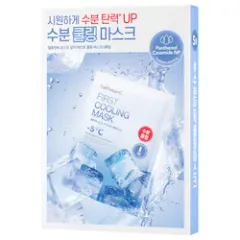
Works for:
based on ingredients and %- Moisturizing
- Anti-aging
- Anti-oxidation
Can it cause trouble?
- Irritation risk: medium
- Comedogenic risk ingredients: 0
Key actives


Works for
Anti-aging
This product can help reduce and prevent fine lines and wrinkles, improve skin elasticity and firmness because it contains adenosine.
Keep in mind that it typically takes at least 6 weeks to notice any results because the changes that are needed to improve fine lines and elasticity happen in the deeper layers of the skin. No topical anti-aging product can “erase” wrinkles or fully reverse signs of aging.
Might help improve cell turnover and reduce inflammation in skin. One study shows that the ingredients might be able to help reduce dynamic wrinkles (for example, in the corners of the eyes or on the forehead)
Moisturizing
What does the product description say?
- Panthenol: An ingredient that hydrates skin and supports the barrier to comfort it.
Source: Sephora
This product can help improve hydration of the skin with the two types of ingredients.
The first type is called “humectants”:
these ingredients help attract water.
When humectants are on the surface of the skin, they “pull in” the moisture from the outside environment, or from
within deeper layers of the skin. The following ingredients in this product do the job:
betaine, glycerin.
This product also contains ingredients called “occlusives”. They help reduce the speed with which our skin loses moisture to the outside environment. These ingredients also help soften the upper layer of the skin, so it feels less tight and nicer to the touch. The following ingredients in this product do the job: cholesterol, palmitic acid.
The following ingredients in this product are especially good for supporting the skin barrier and helping with the hydration level: ceramide np, panthenol
Helps attract water to the upper layer of the skin and improves the product texture
A type of lipid similar to ceramides naturally present in skin. Helps to soften the upper layer of the skin and supports the skin barrier function to keep it hydrated. Can help to prevent inflammation in skin
An emollient that is naturally found in skin
One of the best moisturizing ingredients. Naturally present in skin. It attracts water to the upper layer of the skin working as a humectant
A blue-colored ingredient that is traditionally used as a colorant. It has anti-inflammatory properties. For example, it is successfully used to treat diaper rash for new borns. It can help support the skin barrier by reducing inflammation
Helps attract water to the upper layer of the skin and can help improve skin barrier function
Helps attract water to the upper layer of the skin
A sugar that attracts water to the upper layer of the skin
Might help improve cell turnover and reduce inflammation in skin. One study shows that the ingredients might be able to help reduce dynamic wrinkles (for example, in the corners of the eyes or on the forehead)
An emollient that is naturally present in skin and helps soften it
Used to create a nice product texture and help delivery of other ingredients. Might be somewhat helpful in attracting water to the upper layer of the skin
Helps oil and water mix together and works as an emollient
Anti-oxidation
This product contains antioxidants (pinus pinaster bark extract) that might be able to help neutralize free radicals in skin to lessen the damage it gets from the UV light (sun). There is not enough evidence to confirm their effectiveness in skin though.
A plant extract that might help neutralize free radicals and reduce hyperpigmentation, but evidence of effectiveness of topical application is lacking. It can be an INCI name for the trademarked ingredient Pycnogenol (but could also be a different type of this plant's bark extract)
Might help improve cell turnover and reduce inflammation in skin. One study shows that the ingredients might be able to help reduce dynamic wrinkles (for example, in the corners of the eyes or on the forehead)
How honest is this product?
| Promise | Can it deliver? |
|---|---|
| Moisturizing |
Total Promises Fulfilled score: 100/100.
We receive a small commission for purchases made through these links at no cost for you. Thank you for your support! Learn more
Potential irritants
Comedogenic ingredients
No comedogenic ingredients detected
User reviews (0)
Averages from community submissions.
No reviews yet for this product.
Be the first to share your experience!
Tried this product?
Help capture what the ingredient list can't—texture, finish, pilling, scent, and more. Answer what you can, skip the rest.
Takes ~30 seconds.
Reviews are shown in aggregate. No personal details.
| Product | Similarity | Price | Irritancy |
|---|---|---|---|
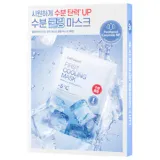 Cell Fusion C POST α FIRST COOLING FACE MASK 5-PACK | Current | $11.00 | |
 KEEP COOL Ocean Sheet Mask | 63% | - | |
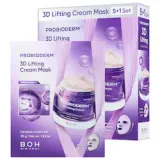 BIOHEAL BOH PROBIODERM 3DLifting Cream Mask | 62% | $29.00 | |
 Abib Collagen Eye Patch | 61% | ≈ $15.68 | |
 MEDIHEAL D.N.A Hydrating Protein Sheet Mask | 61% | - | |
 ROUND LAB Soybean Panthenol Sheet Mask | 60% | - |
Key Actives
Helps attract water to the upper layer of the skin and can help improve skin barrier function
Might help improve cell turnover and reduce inflammation in skin. One study shows that the ingredients might be able to help reduce dynamic wrinkles (for example, in the corners of the eyes or on the forehead)
A type of lipid similar to ceramides naturally present in skin. Helps to soften the upper layer of the skin and supports the skin barrier function to keep it hydrated. Can help to prevent inflammation in skin
An emollient that is naturally found in skin
A plant extract that might help neutralize free radicals and reduce hyperpigmentation, but evidence of effectiveness of topical application is lacking. It can be an INCI name for the trademarked ingredient Pycnogenol (but could also be a different type of this plant's bark extract)
One of the best moisturizing ingredients. Naturally present in skin. It attracts water to the upper layer of the skin working as a humectant
Helps attract water to the upper layer of the skin and improves the product texture
A sugar that attracts water to the upper layer of the skin
Helps attract water to the upper layer of the skin
A blue-colored ingredient that is traditionally used as a colorant. It has anti-inflammatory properties. For example, it is successfully used to treat diaper rash for new borns. It can help support the skin barrier by reducing inflammation
Potential irritants
An aromatic blend of unspecified and possibly irritating ingredients
Could have anti-inflammatory effect on skin, but can be irritating as well. Can be added to products for its smell
Plant extract that can have healing and anti-inflammatory properties. It is a potential allergen and can be irritating
Maintains the texture of skincare products. Allows the product to spread evenly. Helps oil and water mix together
A plant extract that might help neutralize free radicals and reduce hyperpigmentation, but evidence of effectiveness of topical application is lacking. It can be an INCI name for the trademarked ingredient Pycnogenol (but could also be a different type of this plant's bark extract)
Comedogenic ingredients
We couldn't find any comedogenic ingredients in this product
All ingredients
One of the best moisturizing ingredients. Naturally present in skin. It attracts water to the upper layer of the skin working as a humectant
Helps to dissolve other ingredients in a formulation. Slows down the rate of product drying
Helps attract water to the upper layer of the skin and improves the product texture
Helps attract water to the upper layer of the skin and can help improve skin barrier function
Increases thickness of a product. Texture enhancer for oil-in-water emulsions
Maintains the texture of skincare products. Allows the product to spread evenly. Helps oil and water mix together
An aromatic blend of unspecified and possibly irritating ingredients
Might help improve cell turnover and reduce inflammation in skin. One study shows that the ingredients might be able to help reduce dynamic wrinkles (for example, in the corners of the eyes or on the forehead)
Helps to retain moisture by creating a protective barrier on the skin. Rich in fatty acids. Improves product texture and helps with the penetration of other ingredients.
A type of lipid similar to ceramides naturally present in skin. Helps to soften the upper layer of the skin and supports the skin barrier function to keep it hydrated. Can help to prevent inflammation in skin
Used to create a nice product texture and help delivery of other ingredients. Might be somewhat helpful in attracting water to the upper layer of the skin
An emollient that is naturally present in skin and helps soften it
Could have anti-inflammatory effect on skin, but can be irritating as well. Can be added to products for its smell
Plant extract that can have healing and anti-inflammatory properties. It is a potential allergen and can be irritating
A plant extract that might help neutralize free radicals and reduce hyperpigmentation, but evidence of effectiveness of topical application is lacking. It can be an INCI name for the trademarked ingredient Pycnogenol (but could also be a different type of this plant's bark extract)
A blue-colored ingredient that is traditionally used as a colorant. It has anti-inflammatory properties. For example, it is successfully used to treat diaper rash for new borns. It can help support the skin barrier by reducing inflammation
Ingredient list view
Water, Glycerin, Methylpropanediol, Dipropylene glycol, 1,2-hexanediol, Betaine, Hydroxyacetophenone, Trehalose, Panthenol, Ammonium acryloyldimethyltaurate/vp copolymer, Polyglyceryl-10 laurate, Methyl diisopropyl propionamide, Acrylates/c10-30 alkyl acrylate crosspolymer, Tromethamine, Parfum, Disodium edta, Adenosine, Hydrogenated lecithin, Fraxinus rhynchophylla extract, Ocimum basilicum flower/leaf/stem extract, Ceramide np, Sucrose stearate, Butylene glycol, Cholesterol, Palmitic acid, Cholesteryl macadamiate, Stearic acid, Chrysanthemum parthenium extract, Chamomilla recutita extract, Hydrolyzed lupine protein, Saccharide isomerate, Pinus pinaster bark extract, Guaiazulene
- Glycerol and the skin: holistic approach to its origin and functions
- The influence of alkane chain length on the skin irritation potential of 1,2-alkanediols
- Skin moisturizing effects of panthenol-based formulations
- Safety Assessment of Panthenol, Pantothenic Acid, and Derivatives as Used in Cosmetics
- In Vitro Assessment of Skin Irritation Potential of Surfactant-based Formulations by Using a 3-D Skin Reconstructed Tissue Model and Cytokine Response
- Safety Assessment of Tromethamine as Used in Cosmetics
- Evaluation of anti-wrinkle efficacy of adenosine-containing products using the FOITS technique
- Skin hydration is significantly increased by a cream formulated to mimic the skin’s own natural moisturizing systems
- Topically Applied Ceramides Interact with the Stratum Corneum Lipid Matrix in Compromised Ex Vivo Skin
- Study of nutraceutical, nutricosmetics and cosmeceutical potentials of polyphenolic bark extracts from Canadian forest species
- Effect of a Guaiazulene-Containing Ointment on Nipple and Areola Area Health of Women
- Guaiazulene: a new treatment option for recalcitrant diaper dermatitis in NICU patients