Works for:
based on ingredients and %- Moisturizing
Doesn't work for:
based on ingredients and %- Exfoliation
Can it cause trouble?
- Irritation risk: high
- Comedogenic risk ingredients: 1
Key actives

Moisturizing
What does the product description say?
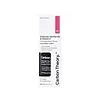
Carbon Theory’s U. K lab formulated Charcoal, Tea Tree Oil & Vitamin E Overnight Detox Serum has been developed to deliver an intensive hydrating overnight treatment to prevent & clear breakouts from your complexion.
Source: Boots
This product contains good ingredients to attract water to the upper layer of the skin. These ingredients are called "humectants": mannitol, sodium hyaluronate.
When humectants are on the surface of the skin, they “pull in” the moisture from the outside environment, or from within deeper layers of the skin. If the air is dry, humectants can speed up the moisture loss from the skin. This is why it is a good idea to use another product on top of this one to help "seal in" the moisture (look for ingredients like dimethicone, squalane, oils and butters).
One of the best moisturizing ingredients. Attracts water into the upper layer of the skin
Sugar extract that helps attract water to the upper layer of the skin
Helps to attract water to the upper layer of the skin
Helps water and oil mix together and softens the upper layer of the skin
Used to thicken product formulation. Can help attract water to the upper layer of the skin
An exfoliating and moisturizing alpha-hydroxy acid (AHA). Typically causes less irritation than other AHAs, for example, glycolic acid. At high concentrations (about 15%), lactic acid can help reduce lines and wrinkles. Recent studies show that lactic acid can support the "good" bacteria living on skin's surface (healthy skin microbiome)
Pure form of vitamin E. Can help moisturise and protect the skin from free radicals. Often used to help stabilise other ingredients or the formula itself
Exfoliation
What does the product description say?
The formulation once applied to the skin becomes clear whilst Bursting Encapsulated Cranberry beads melt into the surface of the skin stimulating the natural rejuvenation of the skin cells.
Source: Boots
This product does not contain effective exfoliating ingredients. It might be able to deliver physical exfoliation, that is scrub off some of the dead cells on the surface of the skin. We do not recommend physical exfoliation, because it is not uniform (some bits of skin can get exfoliated too much while others not at all). It can also traumatize the skin and aggrevate acne and other skin conditions.
An exfoliating and moisturizing alpha-hydroxy acid (AHA). Typically causes less irritation than other AHAs, for example, glycolic acid. At high concentrations (about 15%), lactic acid can help reduce lines and wrinkles. Recent studies show that lactic acid can support the "good" bacteria living on skin's surface (healthy skin microbiome)
How honest is this product?
| Promise | Can it deliver? |
|---|---|
| Moisturizing | |
| Exfoliation |
Total Promises Fulfilled score: 37/100.
We receive a small commission for purchases made through these links at no cost for you. Thank you for your support! Learn more
Affiliate link · supports WIMJ at no cost to you
Potential irritants
Comedogenic ingredients
User reviews (0)
Averages from community submissions.
No reviews yet for this product.
Be the first to share your experience!
Tried this product?
Help capture what the ingredient list can't—texture, finish, pilling, scent, and more. Answer what you can, skip the rest.
Takes ~30 seconds.
Reviews are shown in aggregate. No personal details.
| Product | Similarity | Price | Irritancy |
|---|---|---|---|
 Carbon Theory Overnight Serum | Current | ≈ $11.33 | |
Summer Fridays Soft Reset AHA Exfoliating Solution | 56% | $54.00 | |
Shani Darden Skin Care Lactic Acid Exfoliating Serum | 55% | ≈ $81.98 | |
 REVOLUTION SKINCARE Multi Acid Peeling Solution | 55% | ≈ $13.33 | |
 Ambari PM Active 12 Serum | 54% | - | |
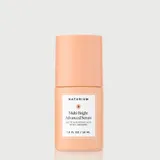 Naturium Multi-Bright Advanced Serum | 53% | $18.00 |
Key Actives
An exfoliating and moisturizing alpha-hydroxy acid (AHA). Typically causes less irritation than other AHAs, for example, glycolic acid. At high concentrations (about 15%), lactic acid can help reduce lines and wrinkles. Recent studies show that lactic acid can support the "good" bacteria living on skin's surface (healthy skin microbiome)
Pure form of vitamin E. Can help moisturise and protect the skin from free radicals. Often used to help stabilise other ingredients or the formula itself
Helps to attract water to the upper layer of the skin
Sugar extract that helps attract water to the upper layer of the skin
One of the best moisturizing ingredients. Attracts water into the upper layer of the skin
Potential irritants
A plant extract that is used as a fragrance. Can be irritating and lead to photosensitivity
Used as a fragrance. Can be irritating and cause photosensitivity
An essential oil that can be irritating. Has some anti-bacterial properties
A common frangrance that can easily irritate skin, especially if exposed to air, light or heat
A plant extract that might help neutralize free radicals in skin, but research on its efficacy in skin is lacking
A plant extract that contains small percentage of AHAs. Is unlikely to have any skin benefit due the small concentration of the active compounds
Used to create a thicker product consistency and stabilize the formulation
An exfoliating and moisturizing alpha-hydroxy acid (AHA). Typically causes less irritation than other AHAs, for example, glycolic acid. At high concentrations (about 15%), lactic acid can help reduce lines and wrinkles. Recent studies show that lactic acid can support the "good" bacteria living on skin's surface (healthy skin microbiome)
Helps water and oil mix together and softens the upper layer of the skin
Can work as an exfoliant but is typically used to adjust the product pH
Comedogenic ingredients
Used to thicken product formulation. Can help attract water to the upper layer of the skin
All ingredients
Acts as a solvent for other ingredients. Speeds up the absorption of other ingredients into the skin
A plant extract that might help neutralize free radicals in skin, but research on its efficacy in skin is lacking
A preservative. It helps prevent bacterial growth in cosmetic products
Sugar extract that helps attract water to the upper layer of the skin
One of the best moisturizing ingredients. Attracts water into the upper layer of the skin
A plant extract that is used as a fragrance. Can be irritating and lead to photosensitivity
Used as a fragrance. Can be irritating and cause photosensitivity
An essential oil that can be irritating. Has some anti-bacterial properties
Helps reduce the irritating effect of surfactants
A plant extract that contains small percentage of AHAs. Is unlikely to have any skin benefit due the small concentration of the active compounds
Used to create a thicker product consistency and stabilize the formulation
An exfoliating and moisturizing alpha-hydroxy acid (AHA). Typically causes less irritation than other AHAs, for example, glycolic acid. At high concentrations (about 15%), lactic acid can help reduce lines and wrinkles. Recent studies show that lactic acid can support the "good" bacteria living on skin's surface (healthy skin microbiome)
Used to thicken product formulation. Can help attract water to the upper layer of the skin
Pure form of vitamin E. Can help moisturise and protect the skin from free radicals. Often used to help stabilise other ingredients or the formula itself
Helps water and oil mix together and softens the upper layer of the skin
Can work as an exfoliant but is typically used to adjust the product pH
A common frangrance that can easily irritate skin, especially if exposed to air, light or heat
An umbrella term for the following three colorants: CI 77491, CI 77492, CI 77499. They might be able to offer some protection against visible light, but the degree of the protection is not clear
Ingredient list view
Water, Propanediol, Vaccinium myrtillus fruit extract, Polyacrylate crosspolymer-6, Polysorbate 20, Phenoxyethanol, Heptyl glucoside, Mannitol, Saccharum officinarum extract, Sodium hyaluronate, Microcrystalline cellulose, Citrus aurantium dulcis fruit extract, Citrus limon fruit extract, Xanthan gum, Melaleuca alternifolia leaf oil, Hydroxypropyl guar hydroxypropyltrimonium chloride, Ethylhexylglycerin, Acer saccharum extract, Hydroxypropyl methylcellulose, Charcoal powder, Vaccinium macrocarpon fruit powder, Citrus limon peel oil, Lactic acid, Algin, Magnesium hydroxide, Tocopherol, Polyglycerin-10, Polyglyceryl-10 myristate, Polyglyceryl-10 stearate, Tricalcium phosphate, Sodium dehydroacetate, Citric acid, Limonene, Ci 77491, Iron oxides
- Lonicera caerulea and Vaccinium myrtillus fruit polyphenols protect HaCaT keratinocytes against UVB-induced phototoxic stress and DNA damage
- Herbal Medicine: Biomolecular and Clinical Aspects. 2nd edition.
- Hyaluronic acid: A key molecule in skin aging
- Hyaluronan (Hyaluronic Acid): a natural moisturizer for skin care
- Safety Assessment of Citrus Fruit-Derived Ingredients as Used in Cosmetics
- Photosensitivity in children: An approach to diagnosis and management
- Safety Assessment of Citrus-Derived Peel Oils as Used in Cosmetics
- Epidermal and dermal effects of topical lactic acid
- Dual Effects of Alpha-Hydroxy Acids on the Skin
- Vitamin E in dermatology
- Vitamin E and Skin Health
- Safety Assessment of Polyglyceryl Fatty Acid Esters as Used in Cosmetics
- 4 Final Report on the Safety Assessment of Sodium Dehydroacetate and Dehydroacetic Acid