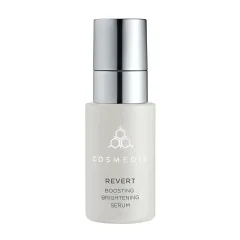
Works for:
based on ingredients and %- Moisturizing
- Evens skin tone
- Anti-oxidation
- Anti-aging
Can it cause trouble?
- Irritation risk: high
- Comedogenic risk ingredients: 2
Key actives

Anti-oxidation
This product contains antioxidants (phloretin) that can help neutralize free radicals in skin. By doing so, they can lessen the damage the skin gets from the UV light (sun).
The following ingredients - hexylresorcinol also can have an antioxidant effect, but there is less evidence to confirm their effectiveness in skin.
A potent antioxidant that is able to penetrate the skin barrier. It can help neutralize free radicals in skin, fight photodamage and reduce hyperpigmentation. It is, however, unstable and loses effectiveness when exposed to light. Effective products with phloretin must come in air-tight opaque packaging and use a sophisticated delivery technology
Might be helpful in reducing hyperpigmentation and neutralizing free radicals in skin
A fruit extract that might help attract water to the upper layer of the skin and might have some antioxidant properties but evidence of effectiveness in skin is missing
Pepper extract. Might be able to help neutralize free radicals
A fruit extract that is used to add a fragrance to the product. It might have some antioxidant properties
A plant extract that might have some anti-oxidant effect in skin, but evidence is lacking
Being a lipid soluble form of vitamin C, it is more stable than ascorbic acid, but still degrades quickly and needs to be stabilized in a formulation with another ingredient. It is claimed to penetrate skin better than pure vitamin C and have the the similar benefits, but solid studies of its effectiveness are lacking. Is likely to require a higher concentration in a product than pure vitamin C to be effective. It might be able to help reduce pore clogging.
Pure form of vitamin E. Can help moisturise and protect the skin from free radicals. Often used to help stabilise other ingredients or the formula itself
Might be somewhat helpful in reducing hyperpigmentation and neutralizing free radicals but its typical concentration in a product is too low for having an effect
Can have some moisturizing properties due to its sugar content
Moisturizing
What does the product description say?
The product is also layered with plant-based brightening and balancing extracts to visibly improve uneven tone; these activities work alongside barrier-supportive ingredients to help maintain hydration, reduce excess surface oil, and promote a smoother-looking complexion.
Source: Cosmedix
This product can help improve hydration of the skin with the two types of ingredients.
The first type is called “humectants”:
these ingredients help attract water.
When humectants are on the surface of the skin, they “pull in” the moisture from the outside environment, or from
within deeper layers of the skin. The following ingredients in this product do the job:
galactoarabinan, glycerin.
This product also contains ingredients called “occlusives”. They help reduce the speed with which our skin loses moisture to the outside environment. These ingredients also help soften the upper layer of the skin, so it feels less tight and nicer to the touch. The following ingredients in this product do the job: salvia hispanica seed extract, cetearyl alcohol.
The following ingredients in this product are especially good for supporting the skin barrier and helping with the hydration level: panthenol
One of the best moisturizing ingredients. Naturally present in skin. It attracts water to the upper layer of the skin working as a humectant
Helps attract water to the upper layer of the skin and can help improve skin barrier function
A sugar that attracts water to the upper layer of the skin
Helps attract water to the upper layer of the skin
A plant extract that typically contains linolenic and linoleic acids that help soften the upper layer of the skin and can support skin barrier function
A fermented sweet black tea. There is no studies on particular benefits of this ingredient in skin. It can help attract water to the upper layer of the skin, and might have some anti-oxidant effect. It is used in skincare for mostly marketing purposes because of the popularity of kombucha drinks
An emollient that helps soften the skin and is used to improve product texture and stability
Helps soften the upper layer of the skin
A non-drying alcohol. Works as an emollient. Helps water and oil mix together and creates a nice product texture
Lecithin derivative. It helps oil and water mix together and can enhance penetration of other ingredients. It helps soften the upper layer of the skin
A fruit extract that might help to attract water to the upper layer of the skin, but there is no evidence for any other benefits to the skin
Helps preserve products and creates a nice product texture
A fruit extract that might help attract water to the upper layer of the skin and might have some antioxidant properties but evidence of effectiveness in skin is missing
Used to preserve products, dissolve other ingredients and create a nice product texture
Helps attract water to the upper layer of the skin and improves the product texture
Helps calm down inflammation in skin and can help reduce itching. Helps to repair the skin barrier and keep skin hydrated
Can have some moisturizing properties due to its sugar content
Might be somewhat helpful in reducing hyperpigmentation and neutralizing free radicals but its typical concentration in a product is too low for having an effect
Pure form of vitamin E. Can help moisturise and protect the skin from free radicals. Often used to help stabilise other ingredients or the formula itself
Anti-aging
This product contains phloretin. This ingredient might be able to help reduce and prevent fine lines and wrinkles, improve skin elasticity and firmness, but there is not enough evidence that it actually works.
A potent antioxidant that is able to penetrate the skin barrier. It can help neutralize free radicals in skin, fight photodamage and reduce hyperpigmentation. It is, however, unstable and loses effectiveness when exposed to light. Effective products with phloretin must come in air-tight opaque packaging and use a sophisticated delivery technology
The salt of salicylic acid. Helps exfoliate the upper layer of the skin. Can also work to preserve cosmetic products
Being a lipid soluble form of vitamin C, it is more stable than ascorbic acid, but still degrades quickly and needs to be stabilized in a formulation with another ingredient. It is claimed to penetrate skin better than pure vitamin C and have the the similar benefits, but solid studies of its effectiveness are lacking. Is likely to require a higher concentration in a product than pure vitamin C to be effective. It might be able to help reduce pore clogging.
Pure form of vitamin E. Can help moisturise and protect the skin from free radicals. Often used to help stabilise other ingredients or the formula itself
Evens skin tone
What does the product description say?
This advanced Vitamin C brightening serum targets age spots, blotchiness, and melasma while helping defend against ongoing oxidative stress.
Source: Cosmedix
The following ingredient (ingredients) in this product might be helpful, but there is no evidence to confirm that it actually works: hexylresorcinol, phloretin.
A potent antioxidant that is able to penetrate the skin barrier. It can help neutralize free radicals in skin, fight photodamage and reduce hyperpigmentation. It is, however, unstable and loses effectiveness when exposed to light. Effective products with phloretin must come in air-tight opaque packaging and use a sophisticated delivery technology
Might be helpful in reducing hyperpigmentation and neutralizing free radicals in skin
Being a lipid soluble form of vitamin C, it is more stable than ascorbic acid, but still degrades quickly and needs to be stabilized in a formulation with another ingredient. It is claimed to penetrate skin better than pure vitamin C and have the the similar benefits, but solid studies of its effectiveness are lacking. Is likely to require a higher concentration in a product than pure vitamin C to be effective. It might be able to help reduce pore clogging.
How honest is this product?
| Promise | Can it deliver? |
|---|---|
| Moisturizing | |
| Evens skin tone |
Total Promises Fulfilled score: 87/100.
We receive a small commission for purchases made through these links at no cost for you. Thank you for your support! Learn more
Potential irritants
Comedogenic ingredients
User reviews (0)
Averages from community submissions.
No reviews yet for this product.
Be the first to share your experience!
Tried this product?
Help capture what the ingredient list can't—texture, finish, pilling, scent, and more. Answer what you can, skip the rest.
Takes ~30 seconds.
Reviews are shown in aggregate. No personal details.
| Product | Similarity | Price | Irritancy |
|---|---|---|---|
 CosMedix Revert Brightening Boosting Serum | Current | $54.00 | |
 Jack Black Brightening Booster Vitamin C Serum | 51% | ≈ $42.87 |
Key Actives
Helps calm down inflammation in skin and can help reduce itching. Helps to repair the skin barrier and keep skin hydrated
Pure form of vitamin E. Can help moisturise and protect the skin from free radicals. Often used to help stabilise other ingredients or the formula itself
Being a lipid soluble form of vitamin C, it is more stable than ascorbic acid, but still degrades quickly and needs to be stabilized in a formulation with another ingredient. It is claimed to penetrate skin better than pure vitamin C and have the the similar benefits, but solid studies of its effectiveness are lacking. Is likely to require a higher concentration in a product than pure vitamin C to be effective. It might be able to help reduce pore clogging.
A potent antioxidant that is able to penetrate the skin barrier. It can help neutralize free radicals in skin, fight photodamage and reduce hyperpigmentation. It is, however, unstable and loses effectiveness when exposed to light. Effective products with phloretin must come in air-tight opaque packaging and use a sophisticated delivery technology
Helps attract water to the upper layer of the skin and can help improve skin barrier function
Might be helpful in reducing hyperpigmentation and neutralizing free radicals in skin
One of the best moisturizing ingredients. Naturally present in skin. It attracts water to the upper layer of the skin working as a humectant
A fermented sweet black tea. There is no studies on particular benefits of this ingredient in skin. It can help attract water to the upper layer of the skin, and might have some anti-oxidant effect. It is used in skincare for mostly marketing purposes because of the popularity of kombucha drinks
A plant extract that typically contains linolenic and linoleic acids that help soften the upper layer of the skin and can support skin barrier function
Helps attract water to the upper layer of the skin
A sugar that attracts water to the upper layer of the skin
Creates a thin drying film on the skin resulting in a short-term tightening effect
Potential irritants
A plant extract. Used as a fragrance. Can be irritating
An aromatic irritating plant extract that can cause photosensitivity in skin
An enzyme extracted from papaya fruit. Can have an exfoliating effect on the skin. Can be irritating
A fruit extract that is used to add a fragrance to the product. It might have some antioxidant properties
A plant extract used as a fragrance. Can be irritating
Creates a thin drying film on the skin resulting in a short-term tightening effect
Can be drying and contribute to skin irritation. Used in formulars to dissolve other ingredients, create a thinner product consistency or for its antibacterial properties
A preservative. Can be used to mask unpleasant smell. Can be irritating
Being a lipid soluble form of vitamin C, it is more stable than ascorbic acid, but still degrades quickly and needs to be stabilized in a formulation with another ingredient. It is claimed to penetrate skin better than pure vitamin C and have the the similar benefits, but solid studies of its effectiveness are lacking. Is likely to require a higher concentration in a product than pure vitamin C to be effective. It might be able to help reduce pore clogging.
Might be somewhat helpful in reducing hyperpigmentation and neutralizing free radicals but its typical concentration in a product is too low for having an effect
A plant extract that might have some anti-oxidant effect in skin, but evidence is lacking
A plant extract that typically contains linolenic and linoleic acids that help soften the upper layer of the skin and can support skin barrier function
Pepper extract. Might be able to help neutralize free radicals
A fruit extract that might help attract water to the upper layer of the skin and might have some antioxidant properties but evidence of effectiveness in skin is missing
Can have some moisturizing properties due to its sugar content
A fruit extract that might help to attract water to the upper layer of the skin, but there is no evidence for any other benefits to the skin
A potent antioxidant that is able to penetrate the skin barrier. It can help neutralize free radicals in skin, fight photodamage and reduce hyperpigmentation. It is, however, unstable and loses effectiveness when exposed to light. Effective products with phloretin must come in air-tight opaque packaging and use a sophisticated delivery technology
Helps water and oil mix together and stabilize the product formulation
Might be helpful in reducing hyperpigmentation and neutralizing free radicals in skin
Helps preserve products and creates a nice product texture
Can work as an exfoliant but is typically used to adjust the product pH
The salt of salicylic acid. Helps exfoliate the upper layer of the skin. Can also work to preserve cosmetic products
Used to preserve products, dissolve other ingredients and create a nice product texture
Comedogenic ingredients
A non-drying alcohol. Works as an emollient. Helps water and oil mix together and creates a nice product texture
All ingredients
Acts as a solvent for other ingredients. Speeds up the absorption of other ingredients into the skin
One of the best moisturizing ingredients. Naturally present in skin. It attracts water to the upper layer of the skin working as a humectant
A fermented sweet black tea. There is no studies on particular benefits of this ingredient in skin. It can help attract water to the upper layer of the skin, and might have some anti-oxidant effect. It is used in skincare for mostly marketing purposes because of the popularity of kombucha drinks
A plant extract. Used as a fragrance. Can be irritating
A non-drying alcohol. Works as an emollient. Helps water and oil mix together and creates a nice product texture
Used to dissolve other ingredients in a product and can enhance their ability to penetrate the skin
Being a lipid soluble form of vitamin C, it is more stable than ascorbic acid, but still degrades quickly and needs to be stabilized in a formulation with another ingredient. It is claimed to penetrate skin better than pure vitamin C and have the the similar benefits, but solid studies of its effectiveness are lacking. Is likely to require a higher concentration in a product than pure vitamin C to be effective. It might be able to help reduce pore clogging.
Might be somewhat helpful in reducing hyperpigmentation and neutralizing free radicals but its typical concentration in a product is too low for having an effect
An aromatic irritating plant extract that can cause photosensitivity in skin
A plant extract that might have some anti-oxidant effect in skin, but evidence is lacking
A plant extract that typically contains linolenic and linoleic acids that help soften the upper layer of the skin and can support skin barrier function
Pepper extract. Might be able to help neutralize free radicals
An enzyme extracted from papaya fruit. Can have an exfoliating effect on the skin. Can be irritating
A fruit extract that might help attract water to the upper layer of the skin and might have some antioxidant properties but evidence of effectiveness in skin is missing
A fruit extract that is used to add a fragrance to the product. It might have some antioxidant properties
Can have some moisturizing properties due to its sugar content
A plant extract used as a fragrance. Can be irritating
A fruit extract that might help to attract water to the upper layer of the skin, but there is no evidence for any other benefits to the skin
A potent antioxidant that is able to penetrate the skin barrier. It can help neutralize free radicals in skin, fight photodamage and reduce hyperpigmentation. It is, however, unstable and loses effectiveness when exposed to light. Effective products with phloretin must come in air-tight opaque packaging and use a sophisticated delivery technology
An emollient that helps soften the skin and is used to improve product texture and stability
Helps water and oil mix together and stabilize the product formulation
Helps attract water to the upper layer of the skin and can help improve skin barrier function
Helps calm down inflammation in skin and can help reduce itching. Helps to repair the skin barrier and keep skin hydrated
Might be helpful in reducing hyperpigmentation and neutralizing free radicals in skin
Lecithin derivative. It helps oil and water mix together and can enhance penetration of other ingredients. It helps soften the upper layer of the skin
Helps attract water to the upper layer of the skin and repair the skin barrier function
Creates a thin drying film on the skin resulting in a short-term tightening effect
Helps attract water to the upper layer of the skin and improves the product texture
Helps preserve products and creates a nice product texture
Pure form of vitamin E. Can help moisturise and protect the skin from free radicals. Often used to help stabilise other ingredients or the formula itself
Can work as an exfoliant but is typically used to adjust the product pH
The salt of salicylic acid. Helps exfoliate the upper layer of the skin. Can also work to preserve cosmetic products
Can be drying and contribute to skin irritation. Used in formulars to dissolve other ingredients, create a thinner product consistency or for its antibacterial properties
Used to stabilize mixtures of oil and water, and create thicker, gel-like product textures
Helps adjust the product pH and stabilize the formulation
Used to preserve products, dissolve other ingredients and create a nice product texture
A preservative. Can be used to mask unpleasant smell. Can be irritating
Ingredient list view
Water, Propanediol, Glycerin, Ethyl macadamiate, Saccharomyces/xylinum/black tea ferment, Bellis perennis flower extract, Polyglyceryl-10 oleate, Cetearyl alcohol, Dimethyl isosorbide, Tetrahexyldecyl ascorbate, Cucumis sativus fruit extract, Citrus limon peel extract, Citrus aurantium bergamia fruit extract, Citrus aurantium dulcis peel extract, Citrus grandis peel extract, Citrus nobilis fruit extract, Terminalia ferdinandiana fruit extract, Salvia hispanica seed extract, Capsicum annuum fruit extract, Bromelain, Papain, Cucumis melo cantalupensis fruit extract, Elettaria cardamomum seed extract, Juniperus virginiana wood extract, Lavandula angustifolia flower/leaf/stem extract, Pelargonium graveolens extract, Punica granatum fruit extract, Pyrus malus fruit extract, Rose extract, Vanilla planifolia fruit extract, Guaiacum officinale wood extract, Santalum album wood extract, Ananas sativus fruit extract, Phloretin, Cetyl palmitate, Sorbitan palmitate, Panthenol, Allantoin, Hexylresorcinol, Galactoarabinan, Sorbitan oleate, Trehalose, Sclerotium gum, Lysolecithin, Xylitol, Gellan gum, Xanthan gum, Pullulan, Sorbitol, Caprylyl glycol, Tocopherol, Malic acid, Silica, Citric acid, Sodium salicylate, Alcohol, Sodium benzoate, Potassium sorbate, Sodium phosphate, Sodium chloride, Potassium chloride, Disodium phosphate, Potassium phosphate, Phenethyl alcohol, Triethyl citrate, Pentylene glycol, Benzyl alcohol
- Glycerol and the skin: holistic approach to its origin and functions
- Activity enhancement of ferulic acid with dimethyl isosorbride in cosmetic compositions
- Double-blind, half-face study comparing topical vitamin C and vehicle for rejuvenation of photodamage
- Application of tetra-isopalmitoyl ascorbic acid in cosmetic formulations: Stability studies and in vivo efficacy
- Safety Assessment of Citrus Peel-Derived Ingredients as Used in Cosmetics
- Photosensitivity in children: An approach to diagnosis and management
- The chemotherapeutic potential of Terminalia ferdinandiana: Phytochemistry and bioactivity
- The Chemical Composition and Nutritional Value of Chia Seeds—Current State of Knowledge
- The antioxidant activity of phloretin: the disclosure of a new antioxidant pharmacophore in flavonoids
- Dermatological applications of the flavonoid phloretin
- Protective Effects of Topical Vitamin C Compound Mixtures against Ozone-Induced Damage in Human Skin - Supplementary Material
- Skin moisturizing effects of panthenol-based formulations
- Safety Assessment of Panthenol, Pantothenic Acid, and Derivatives as Used in Cosmetics
- Profile of wound healing process induced by allantoin
- Surfactants and experimental irritant contact dermatitis
- Vitamin E in dermatology
- Vitamin E and Skin Health
- Three clinical studies showing the anti-aging benefits of sodium salicylate in human skin
- Final Report on the Safety Assessment of Phenethyl Alcohol
- Citric Acid, Inorganic Citrate Salts and Alkyl Citrate Esters As Used in Cosmetics