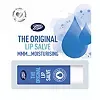
Works for
Sun protectionSPF 15 · 4 UV filters · Broad spectrumWeak protectionSPF under 30
This product offers broad spectrum sun protection, but it is weak. We recommend to use a broad spectrum sunscreen with at least SPF 30.
This product can be considered "reef safe" because it does not contain the UV filters (oxybenzone and octinoxate) that can be harmful to coral reefs when present in the water in high concentrations.
MoisturizingSide benefit · Isopropyl myristate, Cera microcristallina + 11 moreWorks
This product can help soften the skin and reduce its moisture loss with emollients and occlusives: beeswax, bis-diglyceryl polyacyladipate-2.
Keep in mind that this product does not contain effective ingredients to attract water to the upper layer of the skin. This is why an additional product with humectants like glycerin or hyaluronic acid can be helpful (apply it before this product for the best results).
Can it cause trouble?
Irritancy11 flagged ingredientsLow risk
Comedogenic3 ingredients rated 2 or more on the 0–5 pore-clogging scale3 flagged
User reviews
Be the first — your take helps the next person decide.
Ingredients
Filter by role to see what each ingredient is doing.
Octyldodecanol~22–33%
- Irritation risk
- Low
An emollient that helps to soften the skin and create a pleasant product texture and stabilize the formulation
More about OctyldodecanolIsopropyl myristate~5.1–7.6%
- Irritation risk
- Low
- Comedogenicity
- 3/5
An emollient that helps soften the skin. Could be comedogenic
More about Isopropyl myristateCera microcristallina~4.8–7.2%
- Irritation risk
- Low
Helps to soften the upper layer of the skin, reduce water loss from its surface and create a thicker product consistency
More about Cera microcristallinaMicrocrystalline wax~3.7–5.5%
Hydrogenated polyisobutene~3–4.6%
- Irritation risk
- Low
Used to improve the product consistency and soften the upper layer of the skin
More about Hydrogenated polyisobutenePolyethylene~2.4–3.6%
Cera alba~2.1–3.2%
- Irritation risk
- Medium
Forms a protective barrier that holds water and keeps dry skin hydrated. Keeps an emulsion from separating into its oil and liquid components, and increases the thickness of a product. Can be an allergen
More about Cera albaBeeswax~1.5–2.3%
- Irritation risk
- Low
Forms a protective barrier that holds water and keeps dry skin hydrated. Keeps an emulsion from separating into its oil and liquid components, and increases the thickness of a product. Can be an allergen
More about BeeswaxOctocrylene~1.5–2.2%
- Irritation risk
- Medium
A weak sunscreen that protects against the sun rays that cause sunburn (UVB) and is somewhat effective against the UVA rays. It is quite stable and can help stabilize other, more vulnerable, sunscreen ingredients like Avobenzone. It is an organic, or so called "chemical" sunscreen
More about OctocryleneButyrospermum parkii butter~1–1.45%
- Irritation risk
- Low
- Comedogenicity
- 3/5
A great moisturising ingredient that softens the skin and reduces water loss from its upper layer. It also can be helpful in protecting skin from free radicals
More about Butyrospermum parkii butterButyl methoxydibenzoylmethane~1–1.5%
- Irritation risk
- Medium
Avobenzone. An organic, or so-called "chemical" UV filter. Protects against both UVA and UVB rays. Needs to be combined with other filters in a formulation to be stable.
More about Butyl methoxydibenzoylmethaneEthylhexyl salicylate~0.8–1.25%
- Irritation risk
- Low
Octisalate. A UV filter. It offers some protection against the sun rays that cause sunburn (UVB), but does not protect against the most aging sun rays (UVA). It loses its effectiveness quickly when exposed to sunlight. It is an organic, or so called "chemical" sunscreen
More about Ethylhexyl salicylateBis-diglyceryl polyacyladipate-2~0.5–1.1%
- Irritation risk
- Low
Helps soften the upper layer of the skin and reduce water loss from its surface
More about Bis-diglyceryl polyacyladipate-2Decyl alcohol~0.45–1%
Tocopheryl acetate~0.35–0.85%
- Irritation risk
- Medium
A more stable but less bio-available form of vitamin E compared to Tocopherol. Might help moisturize and protect the skin from free radicals, but mostly used in low concentrations to stabilize other ingredients.
More about Tocopheryl acetatePrunus armeniaca kernel oil~0.35–0.85%
- Irritation risk
- Medium
An emollient that helps soften the skin
More about Prunus armeniaca kernel oilGlycine soja oil~0.3–0.75%
- Irritation risk
- Medium
- Comedogenicity
- 2/5
A good emollient that helps soften the skin and helps repair its barrier function. It can clog pores if used in high concentrations.
More about Glycine soja oilRicinus communis seed oil~0.3–0.7%
- Irritation risk
- Medium
A plant oil that can help soften the skin. It might be helpful in calming down inflammation, but solid research is lacking. Is often used in lip products to create the needed product consistency
More about Ricinus communis seed oilAloe barbadensis leaf extract~0.35–0.75%
- Irritation risk
- Medium
Traditionally used to treat sunburns, dermatitis and inflammation, but evidence for its effectiveness is lacking. The extract can contain humectants that help attract water into the skin
More about Aloe barbadensis leaf extractChamomilla recutita flower extract~0.15–0.55%
- Irritation risk
- High
Plant extract that can have healing and anti-inflammatory properties. It is a potential allergen and can be irritating
More about Chamomilla recutita flower extractBht~0.1–0.4%
Tocopherol~0.1–0.45%
- Irritation risk
- Low
Pure form of vitamin E. Can help moisturise and protect the skin from free radicals. Often used to help stabilise other ingredients or the formula itself
More about TocopherolCi 77891~0.1–0.3%
- Irritation risk
- Low
Titanium dioxide~0.1–0.4%
- Irritation risk
- Low
Works as a UV filter when used in high concentrations. It is photostable and is effective mostly against the UVB light, with some protection in the UVA range. In small concentrations, used for its ability to improve the color of cosmetic products. Is usually well tolerated by the skin
More about Titanium dioxideCi 19140~0.05–0.25%
Ingredient list view
Octyldodecanol, Isopropyl myristate, Cera microcristallina, Microcrystalline wax, Hydrogenated polyisobutene, Polyethylene, Cera alba, Beeswax, Octocrylene, Butyrospermum parkii butter, Butyl methoxydibenzoylmethane, Ethylhexyl salicylate, Bis-diglyceryl polyacyladipate-2, Decyl alcohol, Tocopheryl acetate, Prunus armeniaca kernel oil, Glycine soja oil, Ricinus communis seed oil, Aloe barbadensis leaf extract, Chamomilla recutita flower extract, Bht, Tocopherol, Ci 77891, Titanium dioxide, Ci 19140
Compare prices
Retailers ranked by price — lowest first.
Worth comparing, line by line.
Match % combines shared ingredients, the first five ingredients, shared actives and hero ingredients, irritancy (lower counts in the alternative's favour), texture and body area. Only products in the same routine step are compared.
| BootsOriginal SPF15 LipsalveYOUR PRODUCT | UriageBariésun Invisible Stick Very High Protection SPF50+ | Supergoop!Lipscreen SPF 40 | AvèneSunsiStick KA Very High Protection SPF50+ | |
|---|---|---|---|---|
| Match | — | 27% | 25% | 24% |
| Price | — | $38.05 | $22.00 | $20.08 |
| Shared key ingredients | — | 5 of 11 | 4 of 11 | 2 of 11 |
| Key difference | — | Tinosorb S | Caprylic/Capric Triglyceride | Tinosorb S |
| Irritancy | Low | Low | Low | Low |
| SPF | SPF 15 | SPF 50 | SPF 40 | SPF 50 |
| Drying alcohol | — | — | — | — |
| View product | Shop | Shop | Shop |
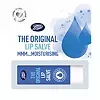


More alternatives: Me Anti- Oxidant SPF BoosterSt. Moriz Gradual Tan and Protect SPF30
Product summary
"Boots - Original SPF15 Lipsalve" offers broad spectrum protection. It means that it protects from both UVA and UVB rays (you can remember UVB as "burning" sunlight - they cause sunburn. You can remember UVA rays as "aging" - they do not lead to sunburn, but they cause photodamage and contribute to early signs of skin aging and hyperpigmentation). On the negative side, the SPF of this product is not high enough. We recommend to use a sunscreen with at least SPF 30 daily.
This sunscreen should also be hydrating enough to use without an additional moisturizer during the day.
Sunscreen filters
This is a so-called "chemical" sunscreen. It means that it uses organic UV filters. They typically offer good sun protection and rarely leave a white cast, but they can be irritating for some people with sensitive skin. The UV filters in this sunscreen are: avobenzone 1.00% - 1.50% and octocrylene 1.50% - 2.20%.
Irritation risk
This sunscreen contains some common irritants, including those without a benefit for the skin. We assess the overall irritancy of this product to be low. For a detailed overview of all potential irritants: click here
You can see the detailed formula review with the breakdown of all actives in the product and the full ingredient list with estimated concentrations in the tables below.
About the brand
According to Cruelty-Free Kitty "Boots" is cruelty free, but its parent company is not.
Price
The product retails for 1.25£ in the United Kingdom.
For a detailed price comparison: click here.
Sources cited in this review
Every concentration estimate and effectiveness label is anchored to one of these 9 studies and safety reviews.
- 1
- 2
- 3
- 4
- 5
- 6

Affiliate links · As an Amazon Associate, WIMJ earns from qualifying purchases.