Works for
3 of 3 advertised claims delivered
MoisturizingIsosorbide dicaprylate, Nonapeptide-1 + 12 moreStrong evidence
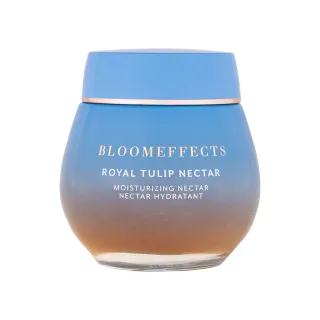
“This product is: The ultimate skin treatment: a healing ointment-to-serum, quench-it-all moisture locking barrier to leave your skin feeling nourished, plump and soft.”
This product can help improve hydration of the skin with the two types of ingredients.
The first type is called “humectants”:
these ingredients help attract water.
When humectants are on the surface of the skin, they “pull in” the moisture from the outside environment, or from
within deeper layers of the skin. The following ingredients in this product do the job:
dextran, glycerin.
This product also contains ingredients called “occlusives”. They help reduce the speed with which our skin loses moisture to the outside environment. These ingredients also help soften the upper layer of the skin, so it feels less tight and nicer to the touch. The following ingredients in this product do the job: caprylic/capric triglyceride, helianthus annuus seed oil.
The following ingredients in this product are especially good for supporting the skin barrier and helping with the hydration level: isosorbide dicaprylate, nonapeptide-1, panthenol
Anti-agingNonapeptide-1, 3-o-ethyl ascorbic acidModerate evidence
“✓ Smooths Fine Lines & Wrinkles: Peptides, Upcycled Silk Amino Acids”
This product contains nonapeptide-1. This ingredient might be able to help reduce and prevent fine lines and wrinkles, improve skin elasticity and firmness, but there is not enough evidence that it actually works.
Evens skin tone3-o-ethyl ascorbic acidModerate evidence
“✓ Brightens: Vitamin C, Rumex Occidentalis Extract”
The following ingredient (ingredients) in this product might be helpful, but there is no evidence to confirm that it actually works: 3-o-ethyl ascorbic acid.
Anti-oxidationNot advertised by the brand · 3-o-ethyl ascorbic acidModerate evidence
This product contains antioxidants (3-o-ethyl ascorbic acid) that might be able to help neutralize free radicals in skin to lessen the damage it gets from the UV light (sun). There is not enough evidence to confirm their effectiveness in skin though.
Can it cause trouble?
Irritancy11 flagged ingredientsLow risk
ComedogenicClean of flagged comedogenic ingredientsNone flagged
User reviews
Be the first — your take helps the next person decide.
Ingredients
Filter by role to see what each ingredient is doing.
Glycerin~22–33%
- Irritation risk
- Low
One of the best moisturizing ingredients. Naturally present in skin. It attracts water to the upper layer of the skin working as a humectant
More about GlycerinPropanediol~4.4–6.6%
- Irritation risk
- Low
Acts as a solvent for other ingredients. Speeds up the absorption of other ingredients into the skin
More about PropanediolCaprylic/capric triglyceride~4.5–6.7%
- Irritation risk
- Medium
A good mix of fatty acids that forms a protective layer on the skin. Improves the shelf life of products. Derived from coconut and glycerin
More about Caprylic/capric triglycerideSodium acrylates copolymer~3.6–5.4%
- Irritation risk
- Medium
Used to create a thicker product consistency
More about Sodium acrylates copolymerHydrogenated polyisobutene~2.9–4.4%
- Irritation risk
- Low
Used to improve the product consistency and soften the upper layer of the skin
More about Hydrogenated polyisobuteneWater~2–2.9%
Panthenol~1.5–2.2%
- Irritation risk
- Low
Helps attract water to the upper layer of the skin and can help improve skin barrier function
More about PanthenolPhospholipids~1.3–1.9%
- Irritation risk
- Low
Emollients that are naturaly present in skin. In addition, they help water and oil mix together in the product
More about PhospholipidsLeuconostoc/radish root ferment filtrate~1–1.5%
- Irritation risk
- Medium
A preservative that comes from radishes fermented by a bacteria. New research suggests that the preservation properties in the ingredient come from an ammonium salt that is not present naturally in radish root but used in its cultivation. Is problematic because the exact amount of the preservative agents is difficult to determine
More about Leuconostoc/radish root ferment filtrateHelianthus annuus seed oil~0.9–1.35%
- Irritation risk
- Low
A great emollient due to its high linoleic acid content. One of the most effective plant oils in helping skin hydration and repairing skin barrier function
More about Helianthus annuus seed oilPolyglyceryl-10 stearate~0.55–1.25%
- Irritation risk
- Medium
Helps water and oil mix together and softens the upper layer of the skin
More about Polyglyceryl-10 stearate3-o-ethyl ascorbic acid~0.45–1.05%
- Irritation risk
- High
A vitamin C derivative that is more stable but less potent than pure form of vitamin C. Can help neutralize free radicals and help reduce hyperpigmentation, but the required concentration is likely to be much higher than for the pure form of vitamin C, limiting the ingredient's effectiveness in products
More about 3-o-ethyl ascorbic acidIsosorbide dicaprylate~0.45–1.1%
- Irritation risk
- Low
Helps soften the upper layer of the skin. Early studies suggest that it can help strengthen the skin barrier
More about Isosorbide dicaprylateBenzyl alcohol~0.35–0.8%
- Irritation risk
- High
A preservative. Can be used to mask unpleasant smell. Can be irritating
More about Benzyl alcoholCocodimonium hydroxypropyl silk amino acids~0.35–0.85%
- Irritation risk
- Low
Marrubium vulgare meristem cell culture~0.35–0.85%
- Irritation risk
- Low
Butylene glycol~0.35–0.8%
- Irritation risk
- Low
Used to create a nice product texture and help delivery of other ingredients. Might be somewhat helpful in attracting water to the upper layer of the skin
More about Butylene glycolCaprylhydroxamic acid~0.3–0.7%
Hydrolyzed verbascum thapsus flower~0.3–0.75%
- Irritation risk
- Low
Tulipa hybrid flower extract~0.3–0.7%
- Irritation risk
- Low
Sodium gluconate~0.2–0.7%
Sodium lactate~0.15–0.65%
- Irritation risk
- Medium
Helps attract water to the upper layer of the skin. Is often used to adjust the pH level of the product
More about Sodium lactateRumex occidentalis extract~0.15–0.6%
- Irritation risk
- Low
Nonapeptide-1~0.15–0.6%
- Irritation risk
- Low
A type of peptide. Peptides are excellent moisturizers and might be able support collagen production reducing fine lines and wrinkles
More about Nonapeptide-1Dextran~0.1–0.45%
- Irritation risk
- Low
Helps attract water to the most upper layer of the skin. Derived from sugar
More about DextranXanthan gum~0.1–0.45%
- Irritation risk
- Low
Used to create a thicker product consistency
More about Xanthan gumSodium hyaluronate~0.1–0.4%
- Irritation risk
- Low
One of the best moisturizing ingredients. Attracts water into the upper layer of the skin
More about Sodium hyaluronatePhenethyl alcohol~0.1–0.35%
Potassium sorbate~0.1–0.35%
Caprylyl glycol~0.1–0.5%
- Irritation risk
- Medium
Helps preserve products and creates a nice product texture
More about Caprylyl glycolIngredient list view
Glycerin, Propanediol, Caprylic/capric triglyceride, Sodium acrylates copolymer, Hydrogenated polyisobutene, Water, Panthenol, Phospholipids, Leuconostoc/radish root ferment filtrate, Helianthus annuus seed oil, Polyglyceryl-10 stearate, 3-o-ethyl ascorbic acid, Isosorbide dicaprylate, Benzyl alcohol, Cocodimonium hydroxypropyl silk amino acids, Marrubium vulgare meristem cell culture, Butylene glycol, Caprylhydroxamic acid, Hydrolyzed verbascum thapsus flower, Tulipa hybrid flower extract, Sodium gluconate, Sodium lactate, Rumex occidentalis extract, Nonapeptide-1, Dextran, Xanthan gum, Sodium hyaluronate, Phenethyl alcohol, Potassium sorbate, Caprylyl glycol
Compare prices
Retailers ranked by price — lowest first.


Sources cited in this review
Every concentration estimate and effectiveness label is anchored to one of these 15 studies and safety reviews.
- 1
- 2
- 3
- 4Skin moisturizing effects of panthenol-based formulationspdfs.semanticscholar.org
- 5
- 6

Affiliate links · As an Amazon Associate, WIMJ earns from qualifying purchases.