Works for:
based on ingredients and %- Cleansing
Doesn't work for:
based on ingredients and %- Anti-blemish
Can it cause trouble?
- Irritation risk: high
- Comedogenic risk ingredients: 1
Key actives

Cleansing
What does the product description say?
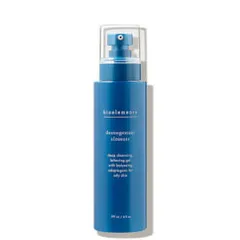
Decongestant Cleanser
Source: From product name
This product works by removing dirt and oil from the surface of the skin. It uses a combination of mild cleansing agents (cocamidopropyl betaine, lauramide dea, sodium laureth sulfate) and should be able to cleanse the skin gently. Still keep in mind that any cleansing can disrupt the skin barrier, and most people do not need to cleanse their skin more than once per day.
Even though this formulation is mild, the following cleansing agents could trigger an irritation or allergy for some people: cocamidopropyl betaine, sodium laureth sulfate
Helps water and oil mix together. Used as a cleansing ingredient. Could be an allergen
Works as a foaming cleansing agent
Anti-blemish
What does the product description say?
Decongestant Cleanser
Source: From product name
Effective ingredients missing or their concentration is too low.
A plant extract that has been shown to be able to reduce inflammation in skin, support restoration of skin barrier function, as well as support collagen production. Contains active compounds called centelloids: asiaticoside, madecasosside, asiatic acid and madecassic acid. Might be helpful in preventing stretch marks. It can be itself be irritating though.
How honest is this product?
| Promise | Can it deliver? |
|---|---|
| Cleansing | |
| Anti-blemish |
Total Promises Fulfilled score: 50/100.
We receive a small commission for purchases made through these links at no cost for you. Thank you for your support! Learn more
Potential irritants
Comedogenic ingredients
User reviews (1)
Averages from community submissions.
How stripping does it feel?
How well does it remove makeup?
How would you describe the foam?
How would you describe the smell?
Tried this product?
Help capture what the ingredient list can't—texture, finish, pilling, scent, and more. Answer what you can, skip the rest.
Takes ~30 seconds.
Reviews are shown in aggregate. No personal details.
Key Actives
A plant extract that has been shown to be able to reduce inflammation in skin, support restoration of skin barrier function, as well as support collagen production. Contains active compounds called centelloids: asiaticoside, madecasosside, asiatic acid and madecassic acid. Might be helpful in preventing stretch marks. It can be itself be irritating though.
Works as a foaming cleansing agent
Helps water and oil mix together. Used as a cleansing ingredient. Could be an allergen
Potential irritants
Helps water and oil mix together. Used as a cleansing ingredient. Could be an allergen
An essential oil. Potential allergen and can be irritating. It has some anti-bacterial properties
Plant extract that can be irritating and is a known allergen
A plant extract that might have some anti-inflammatory properties, but solid evidence is lacking. It can be irritating
Oil of a very fragrant pink rose used as fragrance in cosmetics. Extensive research has shown it has mixed benefits. In the pro column, inhaling this flower’s scent seems to have relaxing properties and the plant’s petals contain skin-soothing and antioxidant compounds that can benefit skin. On the flipside, the numerous chemicals that create this rose’s distinctive fragrance pose a risk of causing skin aggravation.
Used as a fragrance. Might have anti-oxidant properties
A preservative. Works by releasing formaldehyde. Can be irritating
A plant extract that has been shown to be able to reduce inflammation in skin, support restoration of skin barrier function, as well as support collagen production. Contains active compounds called centelloids: asiaticoside, madecasosside, asiatic acid and madecassic acid. Might be helpful in preventing stretch marks. It can be itself be irritating though.
Comedogenic ingredients
All ingredients
Helps water and oil mix together. Used as a cleansing ingredient. Could be an allergen
Used to stabilize mixtures of oil and water, and create thicker, gel-like product textures
An essential oil. Potential allergen and can be irritating. It has some anti-bacterial properties
Plant extract that can be irritating and is a known allergen
A plant extract that might have some anti-inflammatory properties, but solid evidence is lacking. It can be irritating
Oil of a very fragrant pink rose used as fragrance in cosmetics. Extensive research has shown it has mixed benefits. In the pro column, inhaling this flower’s scent seems to have relaxing properties and the plant’s petals contain skin-soothing and antioxidant compounds that can benefit skin. On the flipside, the numerous chemicals that create this rose’s distinctive fragrance pose a risk of causing skin aggravation.
A plant extract that has been shown to be able to reduce inflammation in skin, support restoration of skin barrier function, as well as support collagen production. Contains active compounds called centelloids: asiaticoside, madecasosside, asiatic acid and madecassic acid. Might be helpful in preventing stretch marks. It can be itself be irritating though.
Used as a fragrance. Might have anti-oxidant properties
A preservative. It helps prevent bacterial growth in cosmetic products
A preservative. Works by releasing formaldehyde. Can be irritating
Ingredient list view
Water, Sodium laureth sulfate, Cocamidopropyl betaine, Lauramide dea, Sodium chloride, Lavandula angustifolia oil, Salvia officinalis oil, Salvia sclarea oil, Unknown, Citrus aurantium amara flower oil, Lavandula hybrida oil, Panax ginseng root extract, Rosa damascena extract, Centella asiatica extract, Angelica polymorpha sinensis root extract, Nasturtium officinale extract, Phenoxyethanol, Disodium edta, Diazolidinyl urea, Iodopropynyl butylcarbamate
- Surfactants and experimental irritant contact dermatitis
- Biological Activities and Safety of Citrus spp. Essential Oils
- Ginseng in Dermatology: A Review
- Antiaging effects of the mixture of Panax ginseng and Crataegus pinnatifida in human dermal fibroblasts and healthy human skin
- Anti-Inflammatory Effect of Titrated Extract of Centella asiatica in Phthalic Anhydride-Induced Allergic Dermatitis Animal Model
- Centella asiatica in cosmetology
- Triterpene Composition and Bioactivities of Centella asiatica
- Asiaticoside induction for cell-cycle progression, proliferation and collagen synthesis in human dermal fibroblasts
- Assessment report on Centella asiatica (L.) Urban, herba
- Contact dermatitis due to Madecassol
- The Effects of a Standardized Extract of Centella asiatica on Postlaser Resurfacing Wound Healing on the Face: A Split-Face, Double-Blind, Randomized, Placebo-Controlled Trial
- Nasturtium officinale R. Br. effectively reduces the skin inflammation induced by croton oil via glucocorticoid receptor-dependent and NF-κB pathways without causing toxicological effects in mice
- Safety Assessment of Iodopropynyl Butylcarbamate as Used in Cosmetics