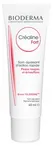
Works for:
based on ingredients and %- Moisturizing
- Anti-oxidation
- Anti-aging
- Evens skin tone
Can it cause trouble?
- Irritation risk: medium
- Comedogenic risk ingredients: 1
Key actives


Product Summary
"Bioderma - Créaline Strong" is effective for: Moisturizing
This product could be helpful for: Anti-aging and Evens skin tone, but its actives are not the most effective or are not well-studied.
Ingredient callouts
- Humectants (mannitol 0.10% - 0.30%, fructooligosaccharides 0.10% - 0.35% and sodium pca 0.10% - 0.45%). These ingredients help attract water to the upper layer of the skin and improve the skin hydration.
Price
The product retails for 14.66£ in the United Kingdom.
For a detailed price comparison: click here.
Anti-oxidation
This product contains antioxidants (glycyrrhetinic acid) that can help neutralize free radicals in skin. By doing so, they can lessen the damage the skin gets from the UV light (sun).
Active compound of licorice root. Works to calm down inflammation, as an anti-oxidant, and might be helpful in lightening the skin and reducing hyperpigmentation
A more stable but less bio-available form of vitamin E compared to Tocopherol. Might help moisturize and protect the skin from free radicals, but mostly used in low concentrations to stabilize other ingredients.
Moisturizing
What does the product description say?
The hydrating and humectant agents help to fight against the cutaneous dehydration which often accompanies the irritative state.
Source: Cocoon Center
This product can help improve hydration of the skin with the two types of ingredients.
The first type is called “humectants”:
these ingredients help attract water.
When humectants are on the surface of the skin, they “pull in” the moisture from the outside environment, or from
within deeper layers of the skin. The following ingredients in this product do the job:
fructooligosaccharides, mannitol.
This product also contains ingredients called “occlusives”. They help reduce the speed with which our skin loses moisture to the outside environment. These ingredients also help soften the upper layer of the skin, so it feels less tight and nicer to the touch. The following ingredients in this product do the job: cera alba, cetyl alcohol.
The following ingredients in this product are especially good for supporting the skin barrier and helping with the hydration level: paraffinum liquidum
Mineral oil. One of the most effective and well studied occlusive and emollient moisturizing ingredients. Helps reduce moisture loss in skin and repair skin barrier function
Forms a protective barrier that holds water and keeps dry skin hydrated. Keeps an emulsion from separating into its oil and liquid components, and increases the thickness of a product. Can be an allergen
Helps attract water to the upper layer of the skin
Help attract water to the upper layer of the skin
Naturally present in skin and helps to attract water to its upper layer
Helps to attract water to the upper layer of the skin
Helps oil and water mix together. It also helps attract water to the upper layer of the skin
A non-drying alcohol that works to soften the skin and stabilize product formulations helping oil and water mix together
Helps preserve products and creates a nice product texture
An emollient that softens the skin and forms a protective layer on its surface. Helps water and oil mix together
An emollient that is naturally present in skin and helps soften it
Used to preserve products, dissolve other ingredients and create a nice product texture
Helps oil and water mix together and can enhance the penetration of other ingredients into the skin. It can be irritating
Helps oil and water mix together and works as an emollient
Helps calm down inflammation in skin and can help reduce itching. Helps to repair the skin barrier and keep skin hydrated
A good mix of fatty acids that forms a protective layer on the skin. Improves the shelf life of products. Derived from coconut and glycerin
Anti-aging
This product contains glycyrrhetinic acid. This ingredient help neutralize free radicals in skin. By doing so, they might be able to prevent early signs of aging (like fine lines and wrinkles), at least to some extent. These ingredients will not be able to "reverse" signs of aging.
Helps oil and water mix together. It also helps attract water to the upper layer of the skin
Evens skin tone
The following ingredient (ingredients) in this product might be helpful, but there is no evidence to confirm that it actually works: glycyrrhetinic acid.
Active compound of licorice root. Works to calm down inflammation, as an anti-oxidant, and might be helpful in lightening the skin and reducing hyperpigmentation
How honest is this product?
| Promise | Can it deliver? |
|---|---|
| Moisturizing |
Total Promises Fulfilled score: 100/100.
We receive a small commission for purchases made through these links at no cost for you. Thank you for your support! Learn more
Affiliate link · supports WIMJ at no cost to you
Potential irritants
Comedogenic ingredients
User reviews (0)
Averages from community submissions.
No reviews yet for this product.
Be the first to share your experience!
Tried this product?
Help capture what the ingredient list can't—texture, finish, pilling, scent, and more. Answer what you can, skip the rest.
Takes ~30 seconds.
Reviews are shown in aggregate. No personal details.
| Product | Similarity | Price | Irritancy |
|---|---|---|---|
 Bioderma Créaline Strong | Current | ≈ $19.39 | |
Ducray Dexyane Anti-Scratching Emollient Balm | 53% | ≈ $14.93 | |
Pierre Fabre Health Care Dexeryl Essential Rich Nourishing Milk | 52% | ≈ $7.92 | |
 Phasilab Instant Calm Cream | 52% | - | |
 NEOSTRATA Problem Dry Skin Cream | 52% | ≈ $37.04 | |
 Olay Classic Care Beauty Fluid Essential Moisture Nourishing Day Fluid - Sensitive | 51% | - |
Key Actives
Helps calm down inflammation in skin and can help reduce itching. Helps to repair the skin barrier and keep skin hydrated
Active compound of licorice root. Works to calm down inflammation, as an anti-oxidant, and might be helpful in lightening the skin and reducing hyperpigmentation
Forms a protective barrier that holds water and keeps dry skin hydrated. Keeps an emulsion from separating into its oil and liquid components, and increases the thickness of a product. Can be an allergen
Mineral oil. One of the most effective and well studied occlusive and emollient moisturizing ingredients. Helps reduce moisture loss in skin and repair skin barrier function
Naturally present in skin and helps to attract water to its upper layer
Help attract water to the upper layer of the skin
Helps to attract water to the upper layer of the skin
Helps attract water to the upper layer of the skin
Potential irritants
Helps oil and water mix together and can enhance the penetration of other ingredients into the skin. It can be irritating
Used to help oil and water mix together. Can be irritating
Forms a protective barrier that holds water and keeps dry skin hydrated. Keeps an emulsion from separating into its oil and liquid components, and increases the thickness of a product. Can be an allergen
Active compound of licorice root. Works to calm down inflammation, as an anti-oxidant, and might be helpful in lightening the skin and reducing hyperpigmentation
Used to preserve products, dissolve other ingredients and create a nice product texture
A more stable but less bio-available form of vitamin E compared to Tocopherol. Might help moisturize and protect the skin from free radicals, but mostly used in low concentrations to stabilize other ingredients.
Helps preserve products and creates a nice product texture
Used to adjust pH of the product and can help improve the product's smell
A good mix of fatty acids that forms a protective layer on the skin. Improves the shelf life of products. Derived from coconut and glycerin
Comedogenic ingredients
Helps attract water to the upper layer of the skin
All ingredients
Mineral oil. One of the most effective and well studied occlusive and emollient moisturizing ingredients. Helps reduce moisture loss in skin and repair skin barrier function
Forms a protective barrier that holds water and keeps dry skin hydrated. Keeps an emulsion from separating into its oil and liquid components, and increases the thickness of a product. Can be an allergen
Helps oil and water mix together and can enhance the penetration of other ingredients into the skin. It can be irritating
A non-drying alcohol that works to soften the skin and stabilize product formulations helping oil and water mix together
Active compound of licorice root. Works to calm down inflammation, as an anti-oxidant, and might be helpful in lightening the skin and reducing hyperpigmentation
An emollient that softens the skin and forms a protective layer on its surface. Helps water and oil mix together
An emollient that is naturally present in skin and helps soften it
Used to help oil and water mix together. Can be irritating
Used to preserve products, dissolve other ingredients and create a nice product texture
A more stable but less bio-available form of vitamin E compared to Tocopherol. Might help moisturize and protect the skin from free radicals, but mostly used in low concentrations to stabilize other ingredients.
Helps preserve products and creates a nice product texture
Helps create a thicker or gel-like product texture. It is not a surfactant but can be used in gentle cleansing formulations
Used to adjust pH of the product and can help improve the product's smell
Helps calm down inflammation in skin and can help reduce itching. Helps to repair the skin barrier and keep skin hydrated
Helps oil and water mix together. It also helps attract water to the upper layer of the skin
Naturally present in skin and helps to attract water to its upper layer
Helps attract water to the upper layer of the skin and repair the skin barrier function
A good mix of fatty acids that forms a protective layer on the skin. Improves the shelf life of products. Derived from coconut and glycerin
Helps attract water to the upper layer of the skin
Ingredient list view
Water, Paraffinum liquidum, Cera alba, Propylene glycol, Cetyl alcohol, Glycyrrhetinic acid, Glyceryl stearate, Palmitic acid, Stearic acid, Sorbitan sesquioleate, Pentylene glycol, Tocopheryl acetate, 1,2-hexanediol, Caprylyl glycol, Carbomer, Triethanolamine, Allantoin, Rhamnose, Sodium pca, Fructooligosaccharides, Mannitol, Xylitol, Caprylic/capric triglyceride, Laminaria ochroleuca extract
- A review on the extensive skin benefits of mineral oil
- Efficacy of barrier creams in comparison to skin care products in dental laboratory technicians--a controlled trial
- Surfactants and experimental irritant contact dermatitis
- Propylene Glycol
- Skin-sensitizing and irritant properties of propylene glycol
- Glycyrrhetinic acid, the active principle of licorice, can reduce the thickness of subcutaneous thigh fat through topical application
- Effects of topical application of B‐Resorcinol and Glycyrrhetinic acid monotherapy and in combination with fractional CO2 laser treatment for benign hand hyperpigmentation treatment
- 18β-Glycyrrhetinic Acid and Glabridin Prevent Oxidative DNA Fragmentation in UVB-irradiated Human Keratinocyte Cultures
- Sorbitan sesquioleate, a common emulsifier in topical corticosteroids, is an important contact allergen
- The influence of alkane chain length on the skin irritation potential of 1,2-alkanediols
- Profile of wound healing process induced by allantoin
- Potentially beneficial effects of rhamnose on skin ageing: an in vitro and in vivo study