
Works for:
based on ingredients and %- Moisturizing
- Evens skin tone
- Anti-aging
Doesn't work for:
based on ingredients and %- Anti-oxidation
Can it cause trouble?
- Irritation risk: high
- Comedogenic risk ingredients: 3
Key actives


Moisturizing
What does the product description say?
Ultra pigmented for 24 hours of intense colour and hydration
Source: Feelunique
This product can help soften the skin and reduce its moisture loss with emollients and occlusives: helianthus annuus seed oil, glycine soja oil.
Keep in mind that this product does not contain effective ingredients to attract water to the upper layer of the skin. This is why an additional product with humectants like glycerin or hyaluronic acid can be helpful (apply it before this product for the best results).
The following ingredients in this product are especially good for supporting the skin barrier and helping with the hydration level: paraffinum liquidum
Mineral oil. One of the most effective and well studied occlusive and emollient moisturizing ingredients. Helps reduce moisture loss in skin and repair skin barrier function
A good emollient that helps soften the skin and helps repair its barrier function. It can clog pores if used in high concentrations.
A great emollient due to its high linoleic acid content. One of the most effective plant oils in helping skin hydration and repairing skin barrier function
An emollient that helps soften the skin. Could be comedogenic
An emollient that helps soften the skin
Anti-aging
This product contains retinyl palmitate. This ingredient might be able to help reduce and prevent fine lines and wrinkles, improve skin elasticity and firmness, but there is not enough evidence that it actually works.
Three steps removed from the active form of vitamin A - retinoic acid. To have an effect in the skin, it first needs to be converted twice to become the retinoic acid. This means it is less potent than retinol, but could also be less irritating. Once converted to the retinoic acid in the skin, it helps against all signs of aging, improves skin cell turnover and helps fight blemishes and clogged pores. However, in many cosmetic formulations, it is used in a concentration that is too low to have the full effect
Evens skin tone
The following ingredient (ingredients) in this product might be helpful, but there is no evidence to confirm that it actually works: retinyl palmitate.
Three steps removed from the active form of vitamin A - retinoic acid. To have an effect in the skin, it first needs to be converted twice to become the retinoic acid. This means it is less potent than retinol, but could also be less irritating. Once converted to the retinoic acid in the skin, it helps against all signs of aging, improves skin cell turnover and helps fight blemishes and clogged pores. However, in many cosmetic formulations, it is used in a concentration that is too low to have the full effect
Anti-oxidation
This product contains antioxidants (bisabolol, calendula officinalis flower oil, tocopheryl acetate). In theory, they could help neutralize free radicals in skin and lessen the damage it gets from the UV light (sun), but there is no evidence that these ingredients can have a noticeable effect in skin.
An active component of chamomile plant that historically has been used to calm down irritated skin. A recent study shows that bisabolol indeed can have some anti-inflammatory effect on skin, even though conclusive data is lacking. Bisabolol has a sweet floral scent and can be added to products for its aromatic properties
A plant oil that might have an antibacterial and some antioxidant effect. Is a common allergen and irritant
A more stable but less bio-available form of vitamin E compared to Tocopherol. Might help moisturize and protect the skin from free radicals, but mostly used in low concentrations to stabilize other ingredients.
An essential oil that is used as a fragrance and can be irritating. It might have some anti-oxidant effect in skin
How honest is this product?
| Promise | Can it deliver? |
|---|---|
| Moisturizing |
Total Promises Fulfilled score: 100/100.
We receive a small commission for purchases made through these links at no cost for you. Thank you for your support! Learn more
Affiliate link · supports WIMJ at no cost to you
Potential irritants
Comedogenic ingredients
User reviews (0)
Averages from community submissions.
No reviews yet for this product.
Be the first to share your experience!
Tried this product?
Help capture what the ingredient list can't—texture, finish, pilling, scent, and more. Answer what you can, skip the rest.
Takes ~30 seconds.
Reviews are shown in aggregate. No personal details.
| Product | Similarity | Price | Irritancy |
|---|---|---|---|
 Bio Oil Skincare Oil x 3 | Current | ≈ $53.66 | |
Bi-Oil Care Oil Scars and Stretch Marks | 59% | ≈ $16.50 | |
Anthony Hand Cream | 55% | ≈ $13.59 | |
 Difeel Natural Hand Cream Baby Powder | 54% | $5.99 | |
 Nivea Essential Enriched Body Cream | 54% | $5.79 | |
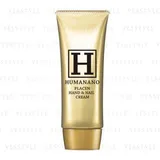 HUMANANO Hand & Nail Cream | 54% | - |
Key Actives
Three steps removed from the active form of vitamin A - retinoic acid. To have an effect in the skin, it first needs to be converted twice to become the retinoic acid. This means it is less potent than retinol, but could also be less irritating. Once converted to the retinoic acid in the skin, it helps against all signs of aging, improves skin cell turnover and helps fight blemishes and clogged pores. However, in many cosmetic formulations, it is used in a concentration that is too low to have the full effect
An active component of chamomile plant that historically has been used to calm down irritated skin. A recent study shows that bisabolol indeed can have some anti-inflammatory effect on skin, even though conclusive data is lacking. Bisabolol has a sweet floral scent and can be added to products for its aromatic properties
Mineral oil. One of the most effective and well studied occlusive and emollient moisturizing ingredients. Helps reduce moisture loss in skin and repair skin barrier function
An emollient that helps soften the skin. Could be comedogenic
A great emollient due to its high linoleic acid content. One of the most effective plant oils in helping skin hydration and repairing skin barrier function
A good emollient that helps soften the skin and helps repair its barrier function. It can clog pores if used in high concentrations.
Potential irritants
Three steps removed from the active form of vitamin A - retinoic acid. To have an effect in the skin, it first needs to be converted twice to become the retinoic acid. This means it is less potent than retinol, but could also be less irritating. Once converted to the retinoic acid in the skin, it helps against all signs of aging, improves skin cell turnover and helps fight blemishes and clogged pores. However, in many cosmetic formulations, it is used in a concentration that is too low to have the full effect
An essential oil that is used as a fragrance and can be irritating. It might have some anti-oxidant effect in skin
An essential oil. Potential allergen and can be irritating. It has some anti-bacterial properties
A plant oil that might have an antibacterial and some antioxidant effect. Is a common allergen and irritant
An aromatic blend of unspecified and possibly irritating ingredients
A fragrance. Can be irritating
A common frangrance that can easily irritate skin, especially if exposed to air, light or heat
A fragrance. Potential allergen and can be irritating
A more stable but less bio-available form of vitamin E compared to Tocopherol. Might help moisturize and protect the skin from free radicals, but mostly used in low concentrations to stabilize other ingredients.
A good emollient that helps soften the skin and helps repair its barrier function. It can clog pores if used in high concentrations.
Comedogenic ingredients
An emollient that helps soften the skin. Could be comedogenic
A good emollient that helps soften the skin and helps repair its barrier function. It can clog pores if used in high concentrations.
All ingredients
Mineral oil. One of the most effective and well studied occlusive and emollient moisturizing ingredients. Helps reduce moisture loss in skin and repair skin barrier function
An emollient that helps soften the skin. Could be comedogenic
Three steps removed from the active form of vitamin A - retinoic acid. To have an effect in the skin, it first needs to be converted twice to become the retinoic acid. This means it is less potent than retinol, but could also be less irritating. Once converted to the retinoic acid in the skin, it helps against all signs of aging, improves skin cell turnover and helps fight blemishes and clogged pores. However, in many cosmetic formulations, it is used in a concentration that is too low to have the full effect
A more stable but less bio-available form of vitamin E compared to Tocopherol. Might help moisturize and protect the skin from free radicals, but mostly used in low concentrations to stabilize other ingredients.
An essential oil that is used as a fragrance and can be irritating. It might have some anti-oxidant effect in skin
An essential oil. Potential allergen and can be irritating. It has some anti-bacterial properties
A plant oil that might have an antibacterial and some antioxidant effect. Is a common allergen and irritant
A great emollient due to its high linoleic acid content. One of the most effective plant oils in helping skin hydration and repairing skin barrier function
A good emollient that helps soften the skin and helps repair its barrier function. It can clog pores if used in high concentrations.
An active component of chamomile plant that historically has been used to calm down irritated skin. A recent study shows that bisabolol indeed can have some anti-inflammatory effect on skin, even though conclusive data is lacking. Bisabolol has a sweet floral scent and can be added to products for its aromatic properties
An aromatic blend of unspecified and possibly irritating ingredients
A fragrance. Can be irritating
A common frangrance that can easily irritate skin, especially if exposed to air, light or heat
A fragrance. Potential allergen and can be irritating
Ingredient list view
Paraffinum liquidum, Triisononanoin, Cetearyl ethylhexanoate, Isopropyl myristate, Retinyl palmitate, Tocopheryl acetate, Anthemis nobilis flower oil, Lavandula angustifolia oil, Rosmarinus officinalis oil, Calendula officinalis flower oil, Helianthus annuus seed oil, Glycine soja oil, Bht, Bisabolol, Parfum, Amyl cinnamal, Benzyl salicylate, Citronellol, Coumarin, Eugenol, Geraniol, Hydroxycitronellal, Hydroxyisohexyl 3-cyclohexene carboxaldehyde, Limonene, Linalool, Alpha-isomethyl ionone, Ci 26100
- A review on the extensive skin benefits of mineral oil
- Safety Assessment of Anthemis nobilis– Derived Ingredients as Used in Cosmetics
- Effect of Olive and Sunflower Seed Oil on the Adult Skin Barrier: Implications for Neonatal Skin Care
- Topically Applied Sunflower Seed Oil Prevents Invasive Bacterial Infections in Preterm Infants in Egypt
- Effect of topically applied lipids on surfactant-irritated skin
- Impact of topical oils on the skin barrier: possible implications for neonatal health in developing countries
- α-(-)-Bisabolol Reduces Pro-Inflammatory Cytokine Production and Ameliorates Skin Inflammation
- Annex I: Clinical evidence regarding sensitisation to individual fragrance chemicals and to natural extracts