Works for:
based on ingredients and %- Cleansing
Can it cause trouble?
- Irritation risk: medium
- Comedogenic risk ingredients: 2
Key actives

Works for
Cleansing
What does the product description say?
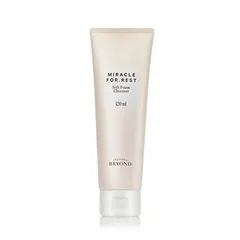
Miracle For Rest Soft Foam Cleanser
Source: From product name
This product works by removing dirt and oil from the surface of the skin. It uses a combination of mild cleansing agents (cholesterol, glycol distearate, hydrogenated lecithin, lauric acid, lauryl hydroxysultaine, myristic acid, palmitic acid, sodium laureth-6 carboxylate, sucrose stearate) and should be able to cleanse the skin gently. Still keep in mind that any cleansing can disrupt the skin barrier, and most people do not need to cleanse their skin more than once per day.
An emollient that is naturally found in skin
Helps water and oil mix together
Helps to retain moisture by creating a protective barrier on the skin. Rich in fatty acids. Improves product texture and helps with the penetration of other ingredients.
Helps water and oil mix together. Has anti-bacterial properties that might be helpful in preventing blemishes
Helps water and oil mix together
Helps oil and water mix together. Could be comedogenic
An emollient that is naturally present in skin and helps soften it
An excellent emollient. Helps soften the skin, restore its barrier function, and can help to calm down inflammation. It can be helpful to prevent blemishes and clogged pores
How honest is this product?
| Promise | Can it deliver? |
|---|---|
| Cleansing |
Total Promises Fulfilled score: 100/100.
We receive a small commission for purchases made through these links at no cost for you. Thank you for your support! Learn more
Potential irritants
Comedogenic ingredients
User reviews (0)
Averages from community submissions.
No reviews yet for this product.
Be the first to share your experience!
Tried this product?
Help capture what the ingredient list can't—texture, finish, pilling, scent, and more. Answer what you can, skip the rest.
Takes ~30 seconds.
Reviews are shown in aggregate. No personal details.
Key Actives
Can contain potent anti-oxidant compounds (abbreviated ECG, GCG, EGC, and EGCG) that might help protect the skin from free radicals. Can help calm down inflammation and has some anti-bacterial properties. Unfortunately, these antioxidants are unstable and lose their effectiveness very quickly in products. The concentration of the antioxidant compounds in the extract also tends to be low to be effective in topical formulation
Helps water and oil mix together. Has anti-bacterial properties that might be helpful in preventing blemishes
A type of lipid similar to ceramides naturally present in skin. Helps to soften the upper layer of the skin and supports the skin barrier function to keep it hydrated. Can help to prevent inflammation in skin
An excellent emollient. Helps soften the skin, restore its barrier function, and can help to calm down inflammation. It can be helpful to prevent blemishes and clogged pores
An emollient that is naturally found in skin
An emollient that is naturally present in skin and helps soften it
A plant extract that might help neutralize free radicals and reduce hyperpigmentation, but evidence of effectiveness of topical application is lacking. It can be an INCI name for the trademarked ingredient Pycnogenol (but could also be a different type of this plant's bark extract)
Helps oil and water mix together. Could be comedogenic
One of the best moisturizing ingredients. Naturally present in skin. It attracts water to the upper layer of the skin working as a humectant
Helps to retain moisture by creating a protective barrier on the skin. Rich in fatty acids. Improves product texture and helps with the penetration of other ingredients.
Potential irritants
An aromatic blend of unspecified and possibly irritating ingredients
Helps oil and water mix together. Could be comedogenic
Helps water and oil mix together. Has anti-bacterial properties that might be helpful in preventing blemishes
Maintains the texture of skincare products. Allows the product to spread evenly. Helps oil and water mix together
A plant extract that might help neutralize free radicals and reduce hyperpigmentation, but evidence of effectiveness of topical application is lacking. It can be an INCI name for the trademarked ingredient Pycnogenol (but could also be a different type of this plant's bark extract)
Comedogenic ingredients
Helps oil and water mix together. Could be comedogenic
Helps water and oil mix together. Has anti-bacterial properties that might be helpful in preventing blemishes
All ingredients
Helps attract water to the upper layer of the skin and improves the product texture
Helps oil and water mix together. Could be comedogenic
Helps water and oil mix together. Has anti-bacterial properties that might be helpful in preventing blemishes
Maintains the texture of skincare products. Allows the product to spread evenly. Helps oil and water mix together
One of the best moisturizing ingredients. Naturally present in skin. It attracts water to the upper layer of the skin working as a humectant
Helps soften the upper layer of the skin and create a nice product finish
Used to create a nice product texture and help delivery of other ingredients. Might be somewhat helpful in attracting water to the upper layer of the skin
Helps to retain moisture by creating a protective barrier on the skin. Rich in fatty acids. Improves product texture and helps with the penetration of other ingredients.
Can contain potent anti-oxidant compounds (abbreviated ECG, GCG, EGC, and EGCG) that might help protect the skin from free radicals. Can help calm down inflammation and has some anti-bacterial properties. Unfortunately, these antioxidants are unstable and lose their effectiveness very quickly in products. The concentration of the antioxidant compounds in the extract also tends to be low to be effective in topical formulation
A type of lipid similar to ceramides naturally present in skin. Helps to soften the upper layer of the skin and supports the skin barrier function to keep it hydrated. Can help to prevent inflammation in skin
An excellent emollient. Helps soften the skin, restore its barrier function, and can help to calm down inflammation. It can be helpful to prevent blemishes and clogged pores
An emollient that is naturally present in skin and helps soften it
A plant extract that might help neutralize free radicals and reduce hyperpigmentation, but evidence of effectiveness of topical application is lacking. It can be an INCI name for the trademarked ingredient Pycnogenol (but could also be a different type of this plant's bark extract)
An aromatic blend of unspecified and possibly irritating ingredients
Ingredient list view
Water, Sorbitol, Myristic acid, Lauryl hydroxysultaine, Lauric acid, Potassium hydroxide, Glycol distearate, Sodium laureth-6 carboxylate, Acrylates/c10-30 alkyl acrylate crosspolymer, Caprylyl glycol, Glycerin, Polyquaternium-7, Disodium edta, Peg-14m, Butylene glycol, Hydrogenated lecithin, Sodium benzoate, 1,2-hexanediol, Sucrose stearate, Artemisia annua extract, Azadirachta indica leaf extract, Camellia sinensis leaf extract, Cholesterol, Ceramide np, Linoleic acid, Palmitic acid, Pinus pinaster bark extract, Tuber magnatum extract, Peat extract, Parfum
- The fatty acid profile of the skin surface lipid layer in papulopustular rosacea
- Glycerol and the skin: holistic approach to its origin and functions
- The influence of alkane chain length on the skin irritation potential of 1,2-alkanediols
- Skin hydration is significantly increased by a cream formulated to mimic the skin’s own natural moisturizing systems
- Topically Applied Ceramides Interact with the Stratum Corneum Lipid Matrix in Compromised Ex Vivo Skin
- The Permeability Barrier in Essential Fatty Acid Deficiency: Evidence for a Direct Role for Linoleic Acid in Barrier Function
- Digital image analysis of the effect of topically applied linoleic acid on acne microcomedones.
- Study of nutraceutical, nutricosmetics and cosmeceutical potentials of polyphenolic bark extracts from Canadian forest species