Works for:
based on ingredients and %- Cleansing
Doesn't work for:
based on ingredients and %- Exfoliation
Can it cause trouble?
- Irritation risk: high
- Comedogenic risk ingredients: 0
Key actives

Cleansing
What does the product description say?
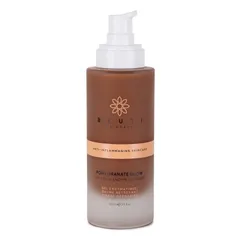
Pomegranate 3 in 1 Enzyme Cleanser
Source: From product name
This product works by removing dirt and oil from the surface of the skin. It uses a combination of mild cleansing agents (coco-glucoside, glyceryl behenate, sucrose laurate, tin) and should be able to cleanse the skin gently. Still keep in mind that any cleansing can disrupt the skin barrier, and most people do not need to cleanse their skin more than once per day.
Even though this formulation is mild, the following cleansing agents could trigger an irritation or allergy for some people: coco-glucoside
Used as a cleansing agent (surfactant) in cleansers. Helps water and oil mix together in lotions. Can be irritating
Used to create a thicker product consistency and help soften the upper layer of the skin
Helps oil and water mix together. Can be used as a cleansing agent
Exfoliation
What does the product description say?
Beuti Skincare Pomegranate 3 in 1 Enzyme Cleanser is a gel-balm hybrid, featuring fermented pomegranate as an alternative to glycolic acid which helps exfoliate and cleanse skin.
Source: Credo Beauty
This product might help exfoliate the skin with lactobacillus/punica granatum fruit ferment extract, but This ingredient is not the most effective.
An enzyme-based exfoliant
How honest is this product?
| Promise | Can it deliver? |
|---|---|
| Cleansing | |
| Exfoliation |
Total Promises Fulfilled score: 75/100.
We receive a small commission for purchases made through these links at no cost for you. Thank you for your support! Learn more
Potential irritants
Comedogenic ingredients
No comedogenic ingredients detected
User reviews (0)
Averages from community submissions.
No reviews yet for this product.
Be the first to share your experience!
Tried this product?
Help capture what the ingredient list can't—texture, finish, pilling, scent, and more. Answer what you can, skip the rest.
Takes ~30 seconds.
Reviews are shown in aggregate. No personal details.
Key Actives
A type of clay that consists mainly of aluminum silicate. Helps absorb oil and creates a thicker product consistency. Can be used to add a white color
A plant oil that can help soften the upper layer of the skin. Might be helpful in calming down inflammation in skin
One of the best moisturizing ingredients. Naturally present in skin. It attracts water to the upper layer of the skin working as a humectant
Used as a cleansing agent (surfactant) in cleansers. Helps water and oil mix together in lotions. Can be irritating
Used to create a thicker product consistency and help soften the upper layer of the skin
Helps oil and water mix together. Can be used as a cleansing agent
Potential irritants
Used as a cleansing agent (surfactant) in cleansers. Helps water and oil mix together in lotions. Can be irritating
Oil of a very fragrant pink rose used as fragrance in cosmetics. Extensive research has shown it has mixed benefits. In the pro column, inhaling this flower’s scent seems to have relaxing properties and the plant’s petals contain skin-soothing and antioxidant compounds that can benefit skin. On the flipside, the numerous chemicals that create this rose’s distinctive fragrance pose a risk of causing skin aggravation.
An enzyme-based exfoliant
A plant oil containing volatile compounds. Used as a fragrance and can be irritating
An essential oil. Can be irritating. Can become an allergen with oxidation
A plant extract that contains an essential oil and often used for its fragrance. Can be irritating. It has some anti-bacterial and anti-oxidant properties
A common frangrance that can easily irritate skin, especially if exposed to air, light or heat
Used to create a thicker product consistency and help soften the upper layer of the skin
A preservative that comes from radishes fermented by a bacteria. New research suggests that the preservation properties in the ingredient come from an ammonium salt that is not present naturally in radish root but used in its cultivation. Is problematic because the exact amount of the preservative agents is difficult to determine
Traditionally used to treat sunburns, dermatitis and inflammation, but evidence for its effectiveness is lacking. The extract can contain humectants that help attract water into the skin
A plant extract that might have some anti-oxidant and anti-inflammatory properties but evidence for effectiveness in skin is missing
Comedogenic ingredients
We couldn't find any comedogenic ingredients in this product
All ingredients
Cherry pit oil. Is rich in linoleic and oleic fatty acids and works as an emollient moisturizer
One of the best moisturizing ingredients. Naturally present in skin. It attracts water to the upper layer of the skin working as a humectant
Used as a cleansing agent (surfactant) in cleansers. Helps water and oil mix together in lotions. Can be irritating
Used to create a thicker product consistency and help soften the upper layer of the skin
A type of clay that consists mainly of aluminum silicate. Helps absorb oil and creates a thicker product consistency. Can be used to add a white color
Oil of a very fragrant pink rose used as fragrance in cosmetics. Extensive research has shown it has mixed benefits. In the pro column, inhaling this flower’s scent seems to have relaxing properties and the plant’s petals contain skin-soothing and antioxidant compounds that can benefit skin. On the flipside, the numerous chemicals that create this rose’s distinctive fragrance pose a risk of causing skin aggravation.
Can absorb oil. There is no research confirming other benefits for the skin
Helps oil and water mix together. Can be used as a cleansing agent
A plant oil that can help soften the upper layer of the skin. Might be helpful in calming down inflammation in skin
An enzyme-based exfoliant
A plant oil containing volatile compounds. Used as a fragrance and can be irritating
Helps attract water to the skin and might have some anti-bacterial properties. Can be an allergen
An essential oil. Can be irritating. Can become an allergen with oxidation
A preservative that comes from radishes fermented by a bacteria. New research suggests that the preservation properties in the ingredient come from an ammonium salt that is not present naturally in radish root but used in its cultivation. Is problematic because the exact amount of the preservative agents is difficult to determine
Traditionally used to treat sunburns, dermatitis and inflammation, but evidence for its effectiveness is lacking. The extract can contain humectants that help attract water into the skin
A plant extract that contains an essential oil and often used for its fragrance. Can be irritating. It has some anti-bacterial and anti-oxidant properties
A plant extract that might have some anti-oxidant and anti-inflammatory properties but evidence for effectiveness in skin is missing
A common frangrance that can easily irritate skin, especially if exposed to air, light or heat
Ingredient list view
Prunus avium seed oil, Glycerin, Coco-glucoside, Water, Glyceryl behenate, Kaolin, Rosa damascena extract, Clay, Sucrose laurate, Mangifera indica seed oil, Orbignya oleifera seed oil, Lactobacillus ferment lysate filtrate, Lactobacillus/punica granatum fruit ferment extract, Citrus aurantium dulcis fruit water, Citrus aurantium dulcis peel oil expressed, Unknown, Ficin, Rosmarinus officinalis extract, Backhousia citriodora leaf oil, Mel, Honey, Amaranthus caudatus seed extract, Pelargonium graveolens flower oil, Tin, Iris florentina root extract, Leuconostoc/radish root ferment filtrate, Aloe barbadensis leaf juice powder, Myrtus communis leaf extract, Olea europaea leaf extract, Populus tremuloides bark extract, Laurus nobilis leaf extract, Potassium sorbate, Sodium benzoate, Limonene, Linalool, Citronellol, Citral, Geraniol
- Prunus avium kernel oil characterization: a comparative study of four varieties from Sefrou, Morocco
- Glycerol and the skin: holistic approach to its origin and functions
- In Vitro Assessment of Skin Irritation Potential of Surfactant-based Formulations by Using a 3-D Skin Reconstructed Tissue Model and Cytokine Response
- Allergen of the Year—Alkyl Glucoside
- Anti-Inflammatory Activity of Babassu Oil and Development of a Microemulsion System for Topical Delivery
- Fragrance Compound Geraniol Forms Contact Allergens on Air Exposure. Identification and Quantification of Oxidation Products and Effect on Skin Sensitization
- Antioxidant Activity of Myrtus communis L. and Myrtus nivellei Batt. & Trab. Extracts: A Brief Review
- Antimicrobial and antioxidative activity of extracts and essential oils of Myrtus communis L.
- Wound Repair Potential of Olea europaea L. Leaf Extracts Revealed by In Vivo Experimental Models and Comparative Evaluation of the Extracts' Antioxidant Activity
- Annex I: Clinical evidence regarding sensitisation to individual fragrance chemicals and to natural extracts