
Works for:
based on ingredients and %- Sun protection
- Moisturizing
- Anti-aging
- Evens skin tone
Can it cause trouble?
- Irritation risk: medium
- Comedogenic risk ingredients: 3
Key actives

Product Summary
"Beauty of Joseon - Matte Sun Stick" is using UV filters in a relatively low concentration. Because of this, it might not be able to provide reliable sun protection.
It also works as a moisturizer, so you do not have to use an additional hydrating product.
Sunscreen filters
This sunscreen uses so-called "chemical", or organic UV filters (organic simply means that their molecules contain atoms of carbon). These filters typically give good sun protection and rarely leave a white cast, but they can be irritating for sensitive skin. The UV filters in this sunscreen are: tinosorb s 1.10% - 1.40%, butyloctyl salicylate 0.70% - 1.05%, uvinul a plus 1.30% - 1.60%, uvinul t 0.95% - 1.15% and polysilicone-15 0.95% - 1.15%.
Irritation risk
This sunscreen contains actives that can be irritating. We assess the overall irritancy of this product to be medium. For a detailed overview of all potential irritants: click here
You can see the detailed formula review with the breakdown of all actives in the product and the full ingredient list with estimated concentrations in the tables below.
About the brand
According to Cruelty-Free Kitty "Beauty of Joseon" is cruelty free and so is its parent company.
Price
The product retails for 35.00A$ in Australia and from 14.00$ up to 25.95$ in the United States.
For a detailed price comparison: click here.
Anti-aging
This product can help prevent early signs of skin aging because it offers a good level of broad spectrum sun protection. Sun damage is the main cause of premature skin aging, and protecting your skin from the sun is the best anti-aging strategy.
These ingredients in the product might also be helpful for reducing and preventing fine lines, wrinkles, and skin elasticity, even though there is no conclusive evidence for their effectiveness: centella asiatica extract.
A plant extract that has been shown to be able to reduce inflammation in skin, support restoration of skin barrier function, as well as support collagen production. Contains active compounds called centelloids: asiaticoside, madecasosside, asiatic acid and madecassic acid. Might be helpful in preventing stretch marks. It can be itself be irritating though.
One of the best moisturizing ingredients. Attracts water into the upper layer of the skin. Naturally present in skin. Typically has large molecule size unless advertised otherwise on the product label. Helps support skin's barrier function and may help to reduce inflammation
Can contain potent anti-oxidant compounds (abbreviated ECG, GCG, EGC, and EGCG) that might help protect the skin from free radicals. Can help calm down inflammation and has some anti-bacterial properties. Unfortunately, these antioxidants are unstable and lose their effectiveness very quickly in products. The concentration of the antioxidant compounds in the extract also tends to be low to be effective in topical formulation
A plant oil that helps to soften the upper layer of the skin and can help restore the skin barrier. Might have some anti-oxidant effect
Evens skin tone
This product offers broad spectrum sun protection. It means that it can prevent hyperpigmentation and help keep the skin tone even (sun damage is the main factor causing age spots, darkening of post-acne marks and other discolorations).
Bean extract that in theory might help to reduce hyperpigmentation, but evidence of effectiveness in skin are missing
Can contain potent anti-oxidant compounds (abbreviated ECG, GCG, EGC, and EGCG) that might help protect the skin from free radicals. Can help calm down inflammation and has some anti-bacterial properties. Unfortunately, these antioxidants are unstable and lose their effectiveness very quickly in products. The concentration of the antioxidant compounds in the extract also tends to be low to be effective in topical formulation
Moisturizing
What does the product description say?
Deeply moisturizes and smoothens skin with Mugwort and Green Tea extracts.
Source: Yesstyle
This product can help improve hydration of the skin with the two types of ingredients.
The first type is called “humectants”:
these ingredients help attract water.
When humectants are on the surface of the skin, they “pull in” the moisture from the outside environment, or from
within deeper layers of the skin. The following ingredients in this product do the job:
glycerin, hyaluronic acid.
This product also contains ingredients called “occlusives”. They help reduce the speed with which our skin loses moisture to the outside environment. These ingredients also help soften the upper layer of the skin, so it feels less tight and nicer to the touch. The following ingredients in this product do the job: vinyl dimethicone, coco-caprylate/caprate.
The following ingredients in this product are especially good for supporting the skin barrier and helping with the hydration level: panthenol
A plant extract that has been shown to be able to reduce inflammation in skin, support restoration of skin barrier function, as well as support collagen production. Contains active compounds called centelloids: asiaticoside, madecasosside, asiatic acid and madecassic acid. Might be helpful in preventing stretch marks. It can be itself be irritating though.
One of the best moisturizing ingredients. Naturally present in skin. It attracts water to the upper layer of the skin working as a humectant
Helps attract water to the upper layer of the skin and can help improve skin barrier function
One of the best moisturizing ingredients. Attracts water into the upper layer of the skin. Naturally present in skin. Typically has large molecule size unless advertised otherwise on the product label. Helps support skin's barrier function and may help to reduce inflammation
Red algae extract that helps attract water to the upper layer of the skin and might contain antioxidants
A type of silicone that helps to create a nice product texture and soften the upper layer of the skin
Helps to soften the upper layer of the skin without creating a greasy texture
Bean extract that in theory might help to reduce hyperpigmentation, but evidence of effectiveness in skin are missing
An emollient that helps soften the skin and create a nice product texture
A plant oil that helps soften the upper layer of the skin. Is unlikely to be helpful in restoring skin barrier function due to the low content of linoleic acid
Used to create a nice product texture and help delivery of other ingredients. Might be somewhat helpful in attracting water to the upper layer of the skin
A type of silicone that helps to soften the upper layer of the skin and create a nice product finish on the skin
Helps soften the upper layer of the skin and create a nice product consistency
Helps soften the upper layer of the skin and create a thicker product consistency
Can contain potent anti-oxidant compounds (abbreviated ECG, GCG, EGC, and EGCG) that might help protect the skin from free radicals. Can help calm down inflammation and has some anti-bacterial properties. Unfortunately, these antioxidants are unstable and lose their effectiveness very quickly in products. The concentration of the antioxidant compounds in the extract also tends to be low to be effective in topical formulation
Softens the upper layer of skin and helps restore the healthy skin barrier. Has shown to help calm down inflammation in skin. It is a stable oil, meaning that it retains its properties even when exposed to air.
A plant oil that helps to soften the upper layer of the skin and can help restore the skin barrier. Might have some anti-oxidant effect
Sun protection
What does the product description say?
Protects skin against harmful UV rays with its strong SPF50 PA++++ broad spectrum.
Source: Yesstyle
This product offers a good level of protection against both UVB and UVA rays.
This sunscreen uses organic (so-called "chemical") sunscreen filters. Organic, or "chemical" filters usually provide reliable sun protection and rarely leave a white cast. Sunscreens with organic filters can sting eyes.
This product can be considered "reef safe" because it does not contain the UV filters (oxybenzone and octinoxate) that can be harmful to coral reefs when present in the water in high concentrations.
Uvinul A Plus. A new generation broad spectrum sunscreen that offers an effective protection especially in the UVA range. It is stable in formulations. Unfortunately, is not approved by the FDA (US) yet
Tinosorb S. One of the most effective broad spectrum sunscreen ingredients. Protects from both UVA and UVB rays. It is photostable. Unfortunately, not approved by FDA (US) yet.
A UV filter. Effective against UVB rays, but does not protect against the most aging UVA light
Uvinul T. A UV filter. Effective against UVB rays. It is photostable. Can increase water resistance properties of the sunscreen. Unfortunately, not approved by the FDA (US) yet
A synthetic ester of salicylic acid that is used to help disperse pigments and boost effectiveness of sunscreen ingredients. It is able to absorb UV light (working as an organic, or chemical filter), but is not approved as a sunscreen ingredient on its own
Anti-oxidation
This product contains antioxidants (camellia sinensis leaf extract, centella asiatica extract) that might be able to help neutralize free radicals in skin to lessen the damage it gets from the UV light (sun). There is not enough evidence to confirm their effectiveness in skin though.
Can contain potent anti-oxidant compounds (abbreviated ECG, GCG, EGC, and EGCG) that might help protect the skin from free radicals. Can help calm down inflammation and has some anti-bacterial properties. Unfortunately, these antioxidants are unstable and lose their effectiveness very quickly in products. The concentration of the antioxidant compounds in the extract also tends to be low to be effective in topical formulation
A plant extract that has been shown to be able to reduce inflammation in skin, support restoration of skin barrier function, as well as support collagen production. Contains active compounds called centelloids: asiaticoside, madecasosside, asiatic acid and madecassic acid. Might be helpful in preventing stretch marks. It can be itself be irritating though.
A plant extract that is rich in a fragrance compound eugenol that is a frequent allergen and can be irritating. It might also contain anti-oxidants to help neutralize free radicals
A plant extract that might have some anti-oxidant effect helping neutralize free radicals in skin
A plant extract that might be helpful to neutralize free radicals in skin
A plant extract that might have some anti-oxidant effect
Eggplant fruit extract. Might have some anti-oxidant effect
Red algae extract that helps attract water to the upper layer of the skin and might contain antioxidants
A plant oil that helps to soften the upper layer of the skin and can help restore the skin barrier. Might have some anti-oxidant effect
How honest is this product?
| Promise | Can it deliver? |
|---|---|
| Sun protection |
Total Promises Fulfilled score: 90/100.
We receive a small commission for purchases made through these links at no cost for you. Thank you for your support! Learn more
Potential irritants
Comedogenic ingredients
User reviews (4)
Averages from community submissions.
How would you describe the finish?
How would you describe the texture?
How much white cast does it leave?
How much does it sting eyes?
How much does it pill under makeup?
How much does this product clog pores?
How would you describe the smell?
Tried this product?
Help capture what the ingredient list can't—texture, finish, pilling, scent, and more. Answer what you can, skip the rest.
Takes ~30 seconds.
Reviews are shown in aggregate. No personal details.
| Product | Similarity | Price | Irritancy |
|---|---|---|---|
 Beauty of Joseon Matte Sun Stick | Current | ≈ $13.33 | |
 Benton Mineral Sun Stick | 54% | ≈ $11.22 | |
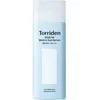 the Torriden Store Dive-In Low Molecular Hyaluronic Watery Sun Serum PA++++ SPF50+ | 53% | ≈ $23.45 | |
 FOTOPROTECTOR Invisible Stick SPF 50 | 53% | - | |
 Klairs All-day Airy Sunscreen | 52% | $17.48 | |
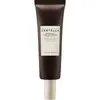 SKIN 1004. Madagascar Centella Probio-Cica Glow Sun Ampoule PA++++ SPF50+ | 52% | ≈ $12.85 |
Key Actives
A plant extract that has been shown to be able to reduce inflammation in skin, support restoration of skin barrier function, as well as support collagen production. Contains active compounds called centelloids: asiaticoside, madecasosside, asiatic acid and madecassic acid. Might be helpful in preventing stretch marks. It can be itself be irritating though.
Can contain potent anti-oxidant compounds (abbreviated ECG, GCG, EGC, and EGCG) that might help protect the skin from free radicals. Can help calm down inflammation and has some anti-bacterial properties. Unfortunately, these antioxidants are unstable and lose their effectiveness very quickly in products. The concentration of the antioxidant compounds in the extract also tends to be low to be effective in topical formulation
A plant oil that helps to soften the upper layer of the skin and can help restore the skin barrier. Might have some anti-oxidant effect
One of the best moisturizing ingredients. Attracts water into the upper layer of the skin. Naturally present in skin. Typically has large molecule size unless advertised otherwise on the product label. Helps support skin's barrier function and may help to reduce inflammation
Helps attract water to the upper layer of the skin and can help improve skin barrier function
A plant extract that has anti-bacterial properties. Can be used to preserve the product. Can be irritating
Red algae extract that helps attract water to the upper layer of the skin and might contain antioxidants
Helps thicken the product consistency
Uvinul A Plus. A new generation broad spectrum sunscreen that offers an effective protection especially in the UVA range. It is stable in formulations. Unfortunately, is not approved by the FDA (US) yet
Tinosorb S. One of the most effective broad spectrum sunscreen ingredients. Protects from both UVA and UVB rays. It is photostable. Unfortunately, not approved by FDA (US) yet.
A synthetic ester of salicylic acid that is used to help disperse pigments and boost effectiveness of sunscreen ingredients. It is able to absorb UV light (working as an organic, or chemical filter), but is not approved as a sunscreen ingredient on its own
Uvinul T. A UV filter. Effective against UVB rays. It is photostable. Can increase water resistance properties of the sunscreen. Unfortunately, not approved by the FDA (US) yet
A UV filter. Effective against UVB rays, but does not protect against the most aging UVA light
A type of silicone that helps to create a nice product texture and soften the upper layer of the skin
Softens the upper layer of skin and helps restore the healthy skin barrier. Has shown to help calm down inflammation in skin. It is a stable oil, meaning that it retains its properties even when exposed to air.
One of the best moisturizing ingredients. Naturally present in skin. It attracts water to the upper layer of the skin working as a humectant
Potential irritants
A plant extract that can contain an active compound curcumin, that may have some anti-inflammatory properties when applied to the skin, but solid research is lacking and the typical concentration used in skincare products is too low. Can be an irritant
A plant extract that has anti-bacterial properties. Can be used to preserve the product. Can be irritating
A plant extract that is rich in a fragrance compound eugenol that is a frequent allergen and can be irritating. It might also contain anti-oxidants to help neutralize free radicals
A plant extract that might have some anti-oxidant effect
Helps soften the upper layer of the skin and create a thicker product consistency
Uvinul A Plus. A new generation broad spectrum sunscreen that offers an effective protection especially in the UVA range. It is stable in formulations. Unfortunately, is not approved by the FDA (US) yet
Tinosorb S. One of the most effective broad spectrum sunscreen ingredients. Protects from both UVA and UVB rays. It is photostable. Unfortunately, not approved by FDA (US) yet.
A synthetic ester of salicylic acid that is used to help disperse pigments and boost effectiveness of sunscreen ingredients. It is able to absorb UV light (working as an organic, or chemical filter), but is not approved as a sunscreen ingredient on its own
Uvinul T. A UV filter. Effective against UVB rays. It is photostable. Can increase water resistance properties of the sunscreen. Unfortunately, not approved by the FDA (US) yet
A UV filter. Effective against UVB rays, but does not protect against the most aging UVA light
Helps water and oil mix together
A plant extract that might be helpful to neutralize free radicals in skin
A plant oil that helps soften the upper layer of the skin. Is unlikely to be helpful in restoring skin barrier function due to the low content of linoleic acid
A plant extract that might have some anti-oxidant effect helping neutralize free radicals in skin
Eggplant fruit extract. Might have some anti-oxidant effect
Softens the upper layer of skin and helps restore the healthy skin barrier. Has shown to help calm down inflammation in skin. It is a stable oil, meaning that it retains its properties even when exposed to air.
A plant extract that has been shown to be able to reduce inflammation in skin, support restoration of skin barrier function, as well as support collagen production. Contains active compounds called centelloids: asiaticoside, madecasosside, asiatic acid and madecassic acid. Might be helpful in preventing stretch marks. It can be itself be irritating though.
Comedogenic ingredients
Helps soften the upper layer of the skin and create a thicker product consistency
An emollient that helps soften the skin and create a nice product texture
Red algae extract that helps attract water to the upper layer of the skin and might contain antioxidants
All ingredients
Used to stabilize product formulations and thicken product consistency
Helps soften the upper layer of the skin and create a nice product consistency
Helps to soften the upper layer of the skin without creating a greasy texture
Helps soften the upper layer of the skin and create a thicker product consistency
A type of silicone that helps to soften the upper layer of the skin and create a nice product finish on the skin
An emollient that helps soften the skin and create a nice product texture
A type of silicone that create a smooth product finish and can create an optical soft-focus effect on the skin. Helps to thicken the product consistency
Uvinul A Plus. A new generation broad spectrum sunscreen that offers an effective protection especially in the UVA range. It is stable in formulations. Unfortunately, is not approved by the FDA (US) yet
Tinosorb S. One of the most effective broad spectrum sunscreen ingredients. Protects from both UVA and UVB rays. It is photostable. Unfortunately, not approved by FDA (US) yet.
Helps to absord oil and evenly disperse other ingredients (for example, pigment) in product formulation
A synthetic ester of salicylic acid that is used to help disperse pigments and boost effectiveness of sunscreen ingredients. It is able to absorb UV light (working as an organic, or chemical filter), but is not approved as a sunscreen ingredient on its own
Uvinul T. A UV filter. Effective against UVB rays. It is photostable. Can increase water resistance properties of the sunscreen. Unfortunately, not approved by the FDA (US) yet
A UV filter. Effective against UVB rays, but does not protect against the most aging UVA light
A type of silicone that helps to create a nice product texture and soften the upper layer of the skin
A plant oil that helps to soften the upper layer of the skin and can help restore skin's barrier function. Might have an anti-oxidant effect
Helps water and oil mix together
A plant extract that can contain an active compound curcumin, that may have some anti-inflammatory properties when applied to the skin, but solid research is lacking and the typical concentration used in skincare products is too low. Can be an irritant
A plant extract that might be helpful to neutralize free radicals in skin
A plant extract that has anti-bacterial properties. Can be used to preserve the product. Can be irritating
Red algae extract that helps attract water to the upper layer of the skin and might contain antioxidants
A plant extract that is rich in a fragrance compound eugenol that is a frequent allergen and can be irritating. It might also contain anti-oxidants to help neutralize free radicals
A plant oil that helps soften the upper layer of the skin. Is unlikely to be helpful in restoring skin barrier function due to the low content of linoleic acid
A plant extract that might have some anti-oxidant effect helping neutralize free radicals in skin
Eggplant fruit extract. Might have some anti-oxidant effect
A plant extract that might have some anti-oxidant effect
Softens the upper layer of skin and helps restore the healthy skin barrier. Has shown to help calm down inflammation in skin. It is a stable oil, meaning that it retains its properties even when exposed to air.
A plant oil that helps to soften the upper layer of the skin and can help restore the skin barrier. Might have some anti-oxidant effect
One of the best moisturizing ingredients. Attracts water into the upper layer of the skin. Naturally present in skin. Typically has large molecule size unless advertised otherwise on the product label. Helps support skin's barrier function and may help to reduce inflammation
Helps attract water to the upper layer of the skin and can help improve skin barrier function
Used to create a nice product texture and help delivery of other ingredients. Might be somewhat helpful in attracting water to the upper layer of the skin
Acts as a solvent for other ingredients. Speeds up the absorption of other ingredients into the skin
Can contain potent anti-oxidant compounds (abbreviated ECG, GCG, EGC, and EGCG) that might help protect the skin from free radicals. Can help calm down inflammation and has some anti-bacterial properties. Unfortunately, these antioxidants are unstable and lose their effectiveness very quickly in products. The concentration of the antioxidant compounds in the extract also tends to be low to be effective in topical formulation
One of the best moisturizing ingredients. Naturally present in skin. It attracts water to the upper layer of the skin working as a humectant
A plant extract that has been shown to be able to reduce inflammation in skin, support restoration of skin barrier function, as well as support collagen production. Contains active compounds called centelloids: asiaticoside, madecasosside, asiatic acid and madecassic acid. Might be helpful in preventing stretch marks. It can be itself be irritating though.
Bean extract that in theory might help to reduce hyperpigmentation, but evidence of effectiveness in skin are missing
Ingredient list view
Methyl methacrylate crosspolymer, Synthetic wax, Dibutyl adipate, Coco-caprylate/caprate, Isopropyl palmitate, Caprylyl methicone, Caprylyl trimethicone, Ethylhexyl palmitate, Silica, Vinyl dimethicone/methicone silsesquioxane crosspolymer, Diethylamino hydroxybenzoyl hexyl benzoate, Bis-ethylhexyloxyphenol methoxyphenyl triazine, Boron nitride, Butyloctyl salicylate, Ethylhexyl triazone, Microcrystalline wax, Polysilicone-15, Vinyl dimethicone, Camellia japonica seed oil, Polyglyceryl-4 diisostearate/polyhydroxystearate/sebacate, Curcuma longa root extract, Melia azadirachta flower extract, Melia azadirachta leaf extract, Corallina officinalis extract, Melia azadirachta bark extract, Ocimum sanctum leaf extract, Moringa oleifera seed oil, Coccinia indica fruit extract, Solanum melongena fruit extract, Amber powder, Water, Aloe barbadensis flower extract, Simmondsia chinensis seed oil, 1,2-hexanediol, Artemisia capillaris extract, Camellia sinensis seed oil, Hyaluronic acid, Panthenol, Butylene glycol, Propanediol, Bambusa vulgaris extract, Camellia sinensis leaf extract, Glycerin, Methylpropanediol, Centella asiatica extract, Morinda citrifolia extract, Vigna radiata seed extract, Ethylhexylglycerin
- Safety Assessment of Alkyl Esters as Used in Cosmetics
- Final Report on the Safety Assessment of Isopropyl Isostearate
- Safety Assessment of Boron Nitride as Used in Cosmetics
- Safety assessment of Salicylic Acid, Butyloctyl Salicylate, Calcium Salicylate, C12-15 Alkyl Salicylate, Capryloyl Salicylic Acid, Hexyldodecyl Salicylate, Isocetyl Salicylate, Isodecyl Salicylate, Magnesium Salicylate, MEA-Salicylate, Ethylhexyl Salicylate, Potassium Salicylate, Methyl Salicylate, Myristyl Salicylate, Sodium Salicylate, TEA-Salicylate, and Tridecyl Salicylate
- Vaughn, A. R., Branum, A., & Sivamani, R. K. (2016). Effects of Turmeric (Curcuma longa) on Skin Health: A Systematic Review of the Clinical Evidence. Phytotherapy Research, 30(8), 1243–1264. doi:10.1002/ptr.5640
- Melia azedarach
- Preliminary and Pharmacological Profile of Melia azedarach L.: An Overview
- Moringa oleifera seed oil: Composition, nutritional aspects and health attributes
- Moringa oleifera Seeds and Oil: Characteristics and Uses for Human Health
- In Vitro antioxidative and anti-inflammatory activities of the ethanol extract of eggplant (Solanum melongena) stalks in macrophage RAW 264.7 cells
- The influence of alkane chain length on the skin irritation potential of 1,2-alkanediols
- Characteristics of Tea Seed Oil in Comparison with Sunflower and Olive Oils and Its Effect as a Natural Antioxidant
- Efficacy of a New Topical Nano-hyaluronic Acid in Humans
- Physiochemical properties and application of hyaluronic acid: a systematic review
- Skin moisturizing effects of panthenol-based formulations
- Safety Assessment of Panthenol, Pantothenic Acid, and Derivatives as Used in Cosmetics
- Glycerol and the skin: holistic approach to its origin and functions
- Anti-Inflammatory Effect of Titrated Extract of Centella asiatica in Phthalic Anhydride-Induced Allergic Dermatitis Animal Model
- Centella asiatica in cosmetology
- Triterpene Composition and Bioactivities of Centella asiatica
- Asiaticoside induction for cell-cycle progression, proliferation and collagen synthesis in human dermal fibroblasts
- Assessment report on Centella asiatica (L.) Urban, herba
- Contact dermatitis due to Madecassol
- The Effects of a Standardized Extract of Centella asiatica on Postlaser Resurfacing Wound Healing on the Face: A Split-Face, Double-Blind, Randomized, Placebo-Controlled Trial
- Inhibitory effects of mung bean (Vigna radiata L.) seed and sprout extracts on melanogenesis