Works for:
based on ingredients and %- Cleansing
Doesn't work for:
based on ingredients and %- Exfoliation
Can it cause trouble?
- Irritation risk: medium
- Comedogenic risk ingredients: 3
Key actives

Cleansing
What does the product description say?
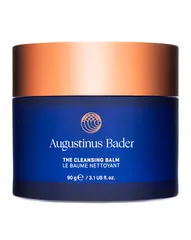
Inspired by 30 years of research and innovation, this nourishing balm cleanser gently removes dirt, oil, and makeup without disrupting the skin barrier.
Source: Face the Future
This product works by removing dirt and oil from the surface of the skin. It uses a combination of mild cleansing agents (glyceryl stearate, polyglyceryl-4 oleate, sorbitan oleate, xanthan gum) and should be able to cleanse the skin gently. Still keep in mind that any cleansing can disrupt the skin barrier, and most people do not need to cleanse their skin more than once per day.
An emollient that softens the skin and forms a protective layer on its surface. Helps water and oil mix together
Helps oil and water mix together
Helps oil and water mix together
Used to create a thicker product consistency
Used mostly for creating emulsions - helping oil and water mix together. Helps soften the upper layer of the skin
Exfoliation
What does the product description say?
provide gentle exfoliation
Source: Cultbeauty
This product does not contain effective exfoliating ingredients. It might be able to deliver physical exfoliation, that is scrub off some of the dead cells on the surface of the skin. We do not recommend physical exfoliation, because it is not uniform (some bits of skin can get exfoliated too much while others not at all). It can also traumatize the skin and aggrevate acne and other skin conditions.
How honest is this product?
| Promise | Can it deliver? |
|---|---|
| Cleansing | |
| Exfoliation |
Total Promises Fulfilled score: 50/100.
We receive a small commission for purchases made through these links at no cost for you. Thank you for your support! Learn more
Potential irritants
Comedogenic ingredients
User reviews (0)
Averages from community submissions.
No reviews yet for this product.
Be the first to share your experience!
Tried this product?
Help capture what the ingredient list can't—texture, finish, pilling, scent, and more. Answer what you can, skip the rest.
Takes ~30 seconds.
Reviews are shown in aggregate. No personal details.
Key Actives
Pure form of vitamin E. Can help moisturise and protect the skin from free radicals. Often used to help stabilise other ingredients or the formula itself
An active component of chamomile plant that historically has been used to calm down irritated skin. A recent study shows that bisabolol indeed can have some anti-inflammatory effect on skin, even though conclusive data is lacking. Bisabolol has a sweet floral scent and can be added to products for its aromatic properties
A great emollient that can also have anti-oxidant properties
An emollient that softens the skin and forms a protective layer on its surface. Helps water and oil mix together
Used mostly for creating emulsions - helping oil and water mix together. Helps soften the upper layer of the skin
An amino-acid that helps to attract water to the upper layer of the skin. In combination with other amino-acids, might help to reduce fine lines and wrinkles
A plant oil that helps soften the upper layer of the skin. Could help reduce inflammation due to high content of linolenic acid
A type of peptide. Peptides are excellent moisturizers and might be able support collagen production reducing fine lines and wrinkles
A great emollient due to its high linoleic acid content. One of the most effective plant oils in helping skin hydration and repairing skin barrier function
An emollient. Found to be as effective as a moisturizer for dry skin as mineral oil. Could be comedogenic
Helps soften the upper layer of the skin and support skin's barrier function while creating a thicker product consistency
An emollient that helps soften the skin and could be helpful in repairing its barrier function
An oil naturally present in skin. Works as an emollient to soften the skin and form a protective layer on its surface without a greasy feeling.
Lipids that work as an emollient and can be helpful in repairing skin barrier function
Helps oil and water mix together
One of the best moisturizing ingredients. Naturally present in skin. It attracts water to the upper layer of the skin working as a humectant
A good mix of fatty acids that forms a protective layer on the skin. Improves the shelf life of products. Derived from coconut and glycerin
Used to create a thicker product consistency
An amino acid that is naturally present in skin and helps keep it hydrated. When used together with AHAs, it can reduce their irritating effect on the skin
Helps to attract water to the upper layer of the skin and can help restore the skin barrier function
Potential irritants
A great emollient that can also have anti-oxidant properties
An emollient that helps soften the skin and could be helpful in repairing its barrier function
Lipids that work as an emollient and can be helpful in repairing skin barrier function
An emollient that helps soften the skin but is not effective for restoring its barrier function. Might be helpful to calm down inflammation
Being a lipid soluble form of vitamin C, it is more stable and can penetrate the skin better than L-Ascorbic acid. It is effective in protecting the skin from free radicals, as well as evening the skin tone, but is less effective in stimulating collagen production compared to L-Ascorbic acid.
A more stable but less bio-available form of vitamin E compared to Tocopherol. Might help moisturize and protect the skin from free radicals, but mostly used in low concentrations to stabilize other ingredients.
Used to preserve products, dissolve other ingredients and create a nice product texture
A good mix of fatty acids that forms a protective layer on the skin. Improves the shelf life of products. Derived from coconut and glycerin
Comedogenic ingredients
An emollient. Found to be as effective as a moisturizer for dry skin as mineral oil. Could be comedogenic
An oil from a mixture of different vegetables. Helps soften the upper layer of the skin
All ingredients
A great emollient due to its high linoleic acid content. One of the most effective plant oils in helping skin hydration and repairing skin barrier function
An emollient. Found to be as effective as a moisturizer for dry skin as mineral oil. Could be comedogenic
A great emollient that can also have anti-oxidant properties
Helps soften the upper layer of the skin and support skin's barrier function while creating a thicker product consistency
An emollient that helps soften the skin and could be helpful in repairing its barrier function
An oil naturally present in skin. Works as an emollient to soften the skin and form a protective layer on its surface without a greasy feeling.
Helps soften the skin and attract water to its upper layer. Helps create nice product texture
Lipids that work as an emollient and can be helpful in repairing skin barrier function
An active component of chamomile plant that historically has been used to calm down irritated skin. A recent study shows that bisabolol indeed can have some anti-inflammatory effect on skin, even though conclusive data is lacking. Bisabolol has a sweet floral scent and can be added to products for its aromatic properties
An oil from a mixture of different vegetables. Helps soften the upper layer of the skin
An emollient that helps soften the skin but is not effective for restoring its barrier function. Might be helpful to calm down inflammation
An emollient that softens the skin and forms a protective layer on its surface. Helps water and oil mix together
Pure form of vitamin E. Can help moisturise and protect the skin from free radicals. Often used to help stabilise other ingredients or the formula itself
Being a lipid soluble form of vitamin C, it is more stable and can penetrate the skin better than L-Ascorbic acid. It is effective in protecting the skin from free radicals, as well as evening the skin tone, but is less effective in stimulating collagen production compared to L-Ascorbic acid.
A more stable but less bio-available form of vitamin E compared to Tocopherol. Might help moisturize and protect the skin from free radicals, but mostly used in low concentrations to stabilize other ingredients.
One of the best moisturizing ingredients. Naturally present in skin. It attracts water to the upper layer of the skin working as a humectant
Used mostly for creating emulsions - helping oil and water mix together. Helps soften the upper layer of the skin
Used to preserve products, dissolve other ingredients and create a nice product texture
Helps attract water to the upper layer of the skin. Might have some anti-oxidant properties
A good mix of fatty acids that forms a protective layer on the skin. Improves the shelf life of products. Derived from coconut and glycerin
Used to create a nice product texture and help delivery of other ingredients. Might be somewhat helpful in attracting water to the upper layer of the skin
An amino acid that is naturally present in skin and helps keep it hydrated. When used together with AHAs, it can reduce their irritating effect on the skin
Helps to attract water to the upper layer of the skin and can help restore the skin barrier function
An amino-acid that helps to attract water to the upper layer of the skin. In combination with other amino-acids, might help to reduce fine lines and wrinkles
A plant oil that helps soften the upper layer of the skin. Could help reduce inflammation due to high content of linolenic acid
A type of peptide. Peptides are excellent moisturizers and might be able support collagen production reducing fine lines and wrinkles
Ingredient list view
Helianthus annuus seed oil, Cocos nucifera oil, Polyglyceryl-4 oleate, Vitis vinifera seed oil, Helianthus annuus seed wax, Persea gratissima oil, Squalane, C10-18 triglycerides, Phytosterols, Bisabolol, Hydrogenated vegetable oil, Olea europaea fruit oil, Glyceryl stearate, Sorbitan oleate, Tocopherol, Ascorbyl palmitate, Tocopheryl acetate, Glycerin, Water, Lecithin, Pentylene glycol, Hydrolyzed rice protein, Opuntia ficus-indica stem extract, Caprylic/capric triglyceride, Xanthan gum, Butylene glycol, Arginine, Phenylalanine, Glycine, Lysine, Sisymbrium irio seed oil, Potassium sorbate, Sodium hydroxide, Oligopeptide-4, Oligopeptide-177
- Effect of Olive and Sunflower Seed Oil on the Adult Skin Barrier: Implications for Neonatal Skin Care
- Topically Applied Sunflower Seed Oil Prevents Invasive Bacterial Infections in Preterm Infants in Egypt
- Effect of topically applied lipids on surfactant-irritated skin
- Impact of topical oils on the skin barrier: possible implications for neonatal health in developing countries
- α-(-)-Bisabolol Reduces Pro-Inflammatory Cytokine Production and Ameliorates Skin Inflammation
- Use of “natural” oils for moisturization: Review of olive, coconut, and sunflower seed oil
- Surfactants and experimental irritant contact dermatitis
- Vitamin E in dermatology
- Vitamin E and Skin Health
- Glycerol and the skin: holistic approach to its origin and functions
- Protection Against Free Radicals (UVB Irradiation) of a Water-Soluble Enzymatic Extract from Rice Bran. Study Using Human Keratinocyte Monolayer and Reconstructed Human Epidermis
- Amended final report on the safety assessment of Oryza Sativa (rice) Bran Oil, Oryza Sativa (rice) Germ Oil, Rice Bran Acid,Oryza Sativa (rice) Bran Wax, Hydrogenated Rice Bran Wax, Oryza Sativa (rice)Bran Extract, Oryza Sativa (rice) Extract, Oryza Sativa (rice) Germ Powder, Oryza Sativa (rice) Starch, Oryza Sativa (rice) Bran, Hydrolyzed Rice Bran Extract, Hydrolyzed Rice Bran Protein, Hydrolyzed Rice Extract, and Hydrolyzed Rice Protein
- Effect of Topical Application of Glycine and Proline on Recalcitrant Leg Ulcers of Prolidase Deficiency
- Functional glycine receptor in cultured human keratinocytes
- Topical palmitoyl pentapeptide provides improvement in photoaged human facial skin
- Chemical Composition of Essential Oils from Aerial Parts of Sisymbrium Irio from Jordan
- Seed oils of Sisymbrium irio and Sisymbrium sophia as a potential non-edible feedstock for biodiesel production